comehelpglo's song is a raw admission of self-destruction and the people caught in the wreckage. Here's what the lyrics actually mean.
"thunder storm" is about wanting to hate someone and failing completely. comehelpglo's narrator is ready to die and still can't let go.
VANITY's "(T)OUCH!" is a glamorous autopsy of a toxic pull: the narrator knows exactly how this ends and walks toward it anyway. 158 chars
In comehelpglo's "12 leaky windows," the narrator stays alive by trying to save someone else. Once that person disappears, the song slides toward a crash.
Rockie Rode's "Do You Want To Take Me To Heaven" is a crush that's really envy: the woman in the rearview mirror is the life the narrator wants to wear.
VANITY's "IN LOVING MEMORY" turns a funeral into a premiere: the narrator wrote the show, picks who dies, and chooses forever-young glamour over aging.
comehelpglo's "don't put me in the dark" spirals through pills and loss, but its real move is offering you the company the narrator never gets himself.
Junior Mesa's "im not your man" is a denial that keeps failing: the narrator swears off a lover while waiting in line for their call. Here's the lyric proof.
VANITY's "Experiment" stages heartbreak as the narrator's own glamorous funeral, with a DNR as her final act of control. Here's what the lyrics really mean.
comehelpglo's "in the end will you remember me" is a breakup apology where the narrator would rather be missed than taken back, and the ceiling fan proves it.
In Rockie Rode's "Love/Of Love," a bitter narrator mocks a girl for being bought, then admits they'd have bought her too. Every kind of love here has a price.
VANITY's LSD is a glossy gold-digger anthem engineered to stay hungry: the list of love, sex and diamonds repeats until it can't even reach its final word.
comehelpglo's "where's your dad at bill?" ties an overdose wish to a missing father, and the interlude turns "I don't understand" into a child's question.
"Rockie Karaoke" wants company inside the same old song. The narrator hears they're hard to love like gossip, then asks someone to join the loop anyway.
Joey Cash, velvette blue, Horse Vision and two more acts worth hearing if ear is on repeat, each with three songs to start on.
Chanel Beads, doggone, Nourished by Time and two more acts worth hearing if Mk.gee is on repeat, each with three songs to start on.
This Is Lorelei, Champion Trees, Greg Freeman and two more acts worth hearing if Cameron Winter is on repeat, each with three songs to start on.
Montell Fish's "Nest" frames rescue as a smaller, softer enclosure, and the broken line "I feel stuck you're there" shows the narrator still caught mid-praise.
Father John Misty's "The X-panded Universe" turns an asylum patient's superhero myth into a reason to stay put, and its saved-everyone chorus into a symptom.
Dev Lemons maps the ache of loving someone pulling away - a light left on, a nightstand moved into place, and a door that never fully closes.
Wishy's "Covergirl" is a relapse song where the chorus itself is the habit: every "now it's done" restarts the loop it swears it's ending, three times over.
In "Broken chair," pity for a chair dumped on the street turns into a mirror, and every "not me" in the chorus becomes denial the narrator can't keep up.
Current Joys's "CHAOS" is about a narrator who mocks a friend's loneliness, then claims it as their own and crowns the failure with one sneer: "Rockstar."
Quadeca's "Good grief" keeps a one-sided friendship one-sided even in the goodbye: chanting "I'm letting you out of my head" is how the narrator holds on.
The narrator of Quadeca's "Illusion of choice" swears they never had a say, then picks speaking over silence in the last verse. The title loses that argument.
Quadeca's "THE GAMBLER" argues a sycophantic chatbot and a lost bet sell the same drug: the feeling you were almost right, and that it's everyone else's fault.
Quadeca's "Regular guy" is a narrator vouching for his own normalcy because nobody else will, and the party chant collapses into that confession by the end.
brakence's "death rolL" turns fame into a crocodile that swallows the narrator's old self, and the acid bath erasing "him" is a self-murder dressed as horror.
Holly Humberstone's "Too Cute To Be Lonely" turns flirty swagger into a sales pitch, and the outro shows the pitch failing: the pretty dress becomes a mess.
Kate Bollinger's "I Never Wanna Say Goodbye" starts as reassurance for a worried partner, but the comfort is borrowed, and the worry belongs to the narrator.
Andrea Bejar's "Tell Me I'm Beautiful" is about the gap between self-awareness and self-acceptance, and how that gap just keeps asking to be filled by someone else.
Fat Dog's "Heart of Darkness" hides its whole arc in one swapped pronoun: a cocky threat that turns into a skint, lonely confession by the second verse.
Dead Poet Society's "Hollywood On Fire" dresses up a breakup as a fatal car crash. The death wish is really a plea to be let go, and both lovers are cheating.
A Perfect Circle's "To Whom It May Concern" starts as an accusation against a radicalized loved one and turns into a confession: the writer is just as stuck.
"Bad Luck Hideaway" is about a retreat from the world that slowly becomes a trap. The Stones make the escape sound almost reasonable until it isn't.
"Why Don't You Say So" is about the anguish of waiting for someone to admit they're already gone. The song argues honesty, even brutal honesty, is kinder than silence.
Amira Elfeky's "Breakdown" turns on one dropped word: the confession she begs not to hear becomes one she makes herself, and the breakdown becomes relief.
Greg Freeman's "Loser's Prize" aims every insult at "you," then turns them on its narrator. Being truly seen is the only prize the whole song hands out.
"Summer Clothes" takes the intro's lesson about trusting your own heart into a breakup, and shows that guarding your own mind can also mean nobody gets in.
"Trillions" strips billionaire ambition down to its actual logic: accumulation with no purpose, no audience, and no end. DIIV makes it sound hollow on purpose.
Fine's "Sometimes I rush" hedges every feeling with "sometimes" except one plea, "Come pick me up," revealing a narrator who wants to be collected, not chosen.
"Tongue" maps the specific paralysis of a relationship where you see the damage clearly and keep showing up. Here's what the lyrics actually mean.
brakence's "crystallized" wants love to harden into a gem, then admits everything erodes. The real thesis is the cut-off last word: take it while you can.
Rockie Rode's "Sexy" treats "I look sexy" as the fix for every mess: bad choices, a burned guy, a basic outfit. The guy's a prop; the mirror is the real date.
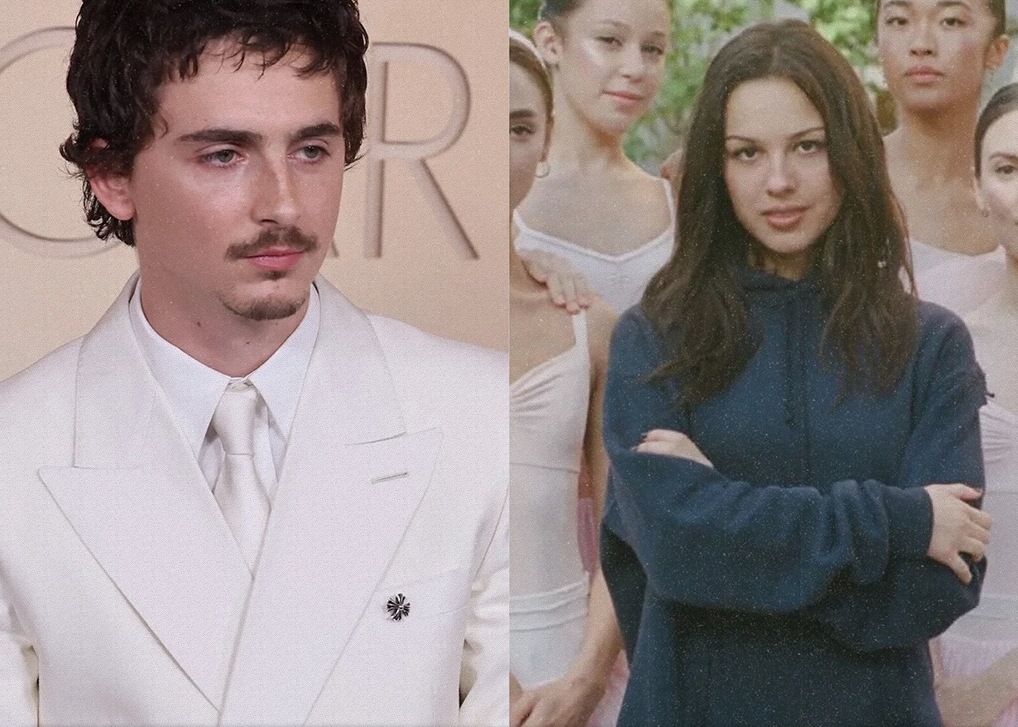
Rosalía, Giveon, Olivia Rodrigo, Gus Dapperton, jigitz and Adéla all built ballet into their year. Every ballerina in music in 2026, and the February quote they ended up answering.
"missing everything" is about a relationship that has quietly dismantled the narrator's grip on reality, leaving them too worn down to trust their own instinct to leave.
Victoryland's "Keep Me Around" wants two things that sound opposite, to vanish and to be kept, and the song's plain final plea shows they are the same wish.
Amie Blu's "shadow" turns "can't get by without you" into "with you, I can't get by," making need and harm one sentence. Here's what the lyrics really mean.
Mollie Elizabeth's "Puppet Show" turns a lullaby into a cure that erases difference, and the voice it tries to cut out is the one singing the whole song.
Victoryland's "I'll Show You Mine" starts as a mutual dare and ends as one-sided exposure: the narrator keeps offering while the other person stays silent.
In "when we were sober," comehelpglo's narrator relapses to get back to a lost love. The pills on the couch are an invitation, and "save me" is the truth.
Rockie Rode's "Prayin'" argues devotion means refusing to move: the narrator lets their person go, then stays put, still waiting, still catching sugar.
"Dog Eat Dog" argues that innocence was never armor. Mollie Elizabeth's song traces the brutal education of a girl who had to grow teeth to survive.
comehelpglo's "god im sad as shit" feels the rain but not the phone. The numbness is a hiding spot from one person calling, and the bleach line proves it.
In "I'm So Wasted," Rockie Rode's narrator wants company more than love: they feel close to someone in bed and still ask her to say her name before she leaves.
In "falling to pieces," Amie Blu's narrator argues with someone who left without a word. The refrain claims it's all said and done, but nothing was said.
Mollie Elizabeth's "Run Rabbit" argues escape never lands: the girl claws out of her parents' house only to wake up in padded walls, still drinking poison.
"never sleep" is a suicide note dressed as a rap song, where comehelpglo holds the crowd's love and a private crisis in the same hand.
Rockie Rode's "Forever" treats getting hurt as proof of love. The narrator wants to be scolded, shot, and kept, and calls that desperate demand forever.
Overgrown's "Mistake" claims the narrator walked away, but the chorus keeps waiting to be left. The freedom never lands, and "I guess" gives it all away.
Amie Blu's "swimming in pity" starts as a callout of someone's dramatic exit, but the singer ends up just as stuck, blaming the other for their own weakness.
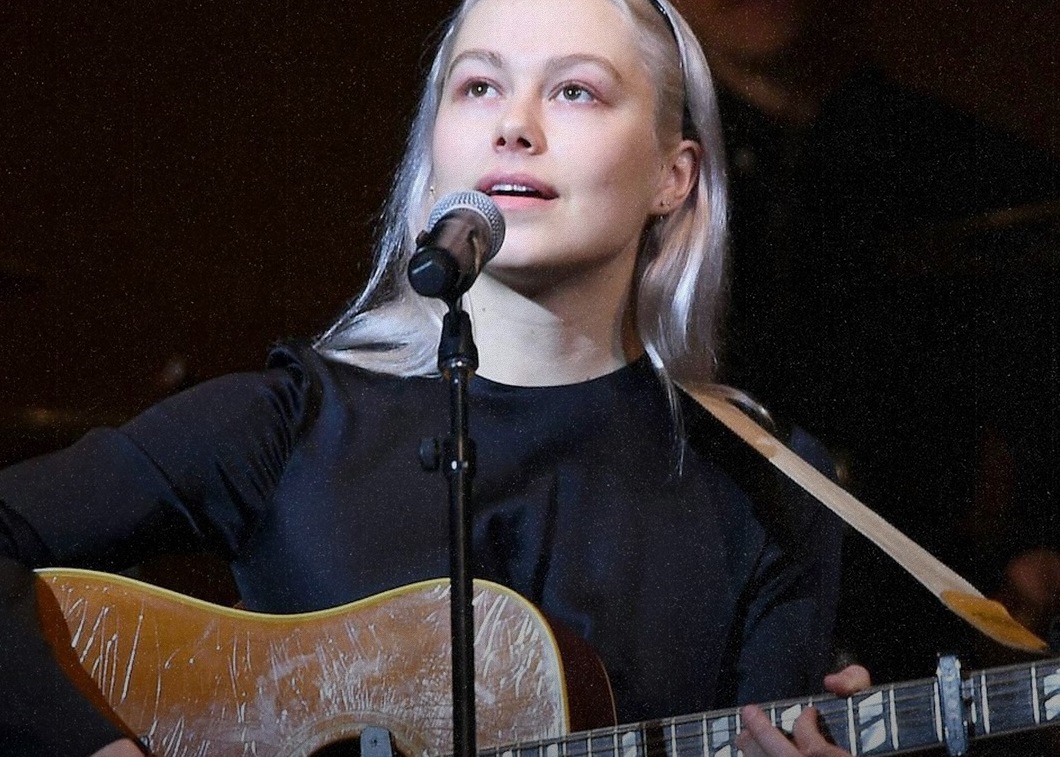
Lucy Dacus and Julien Baker joined Phoebe Bridgers for the first boygenius performance since 2024. Because every date on the Lost Tour is phone-free, almost no footage of it exists.
"Jane" is about watching someone you love stay whole while you come apart at the gender seams. mary in the junkyard turns envy into devotion.
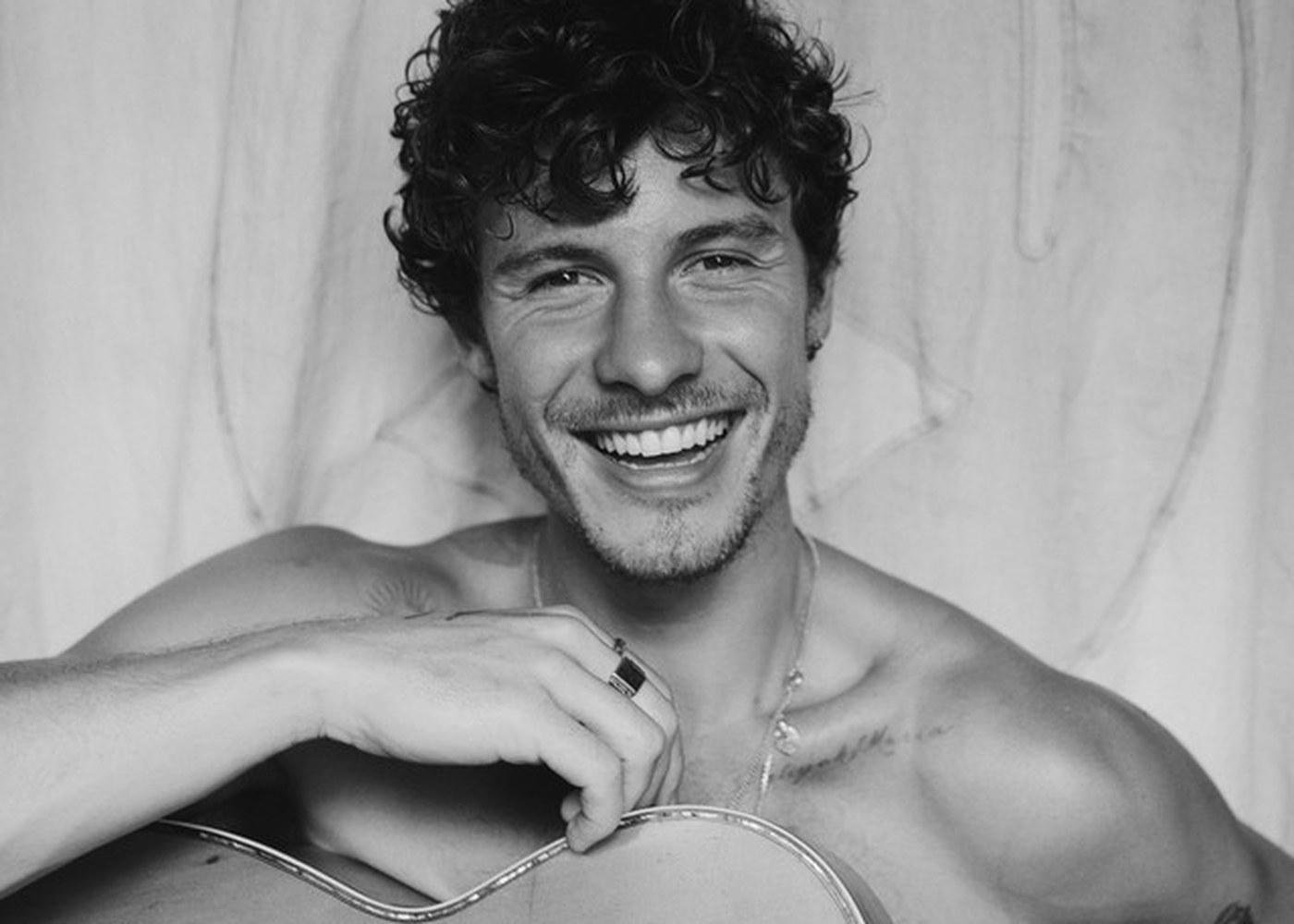
Shawn Mendes's demo captures one brutal truth: achieving everything you wanted means nothing if the person you love isn't there to share it.
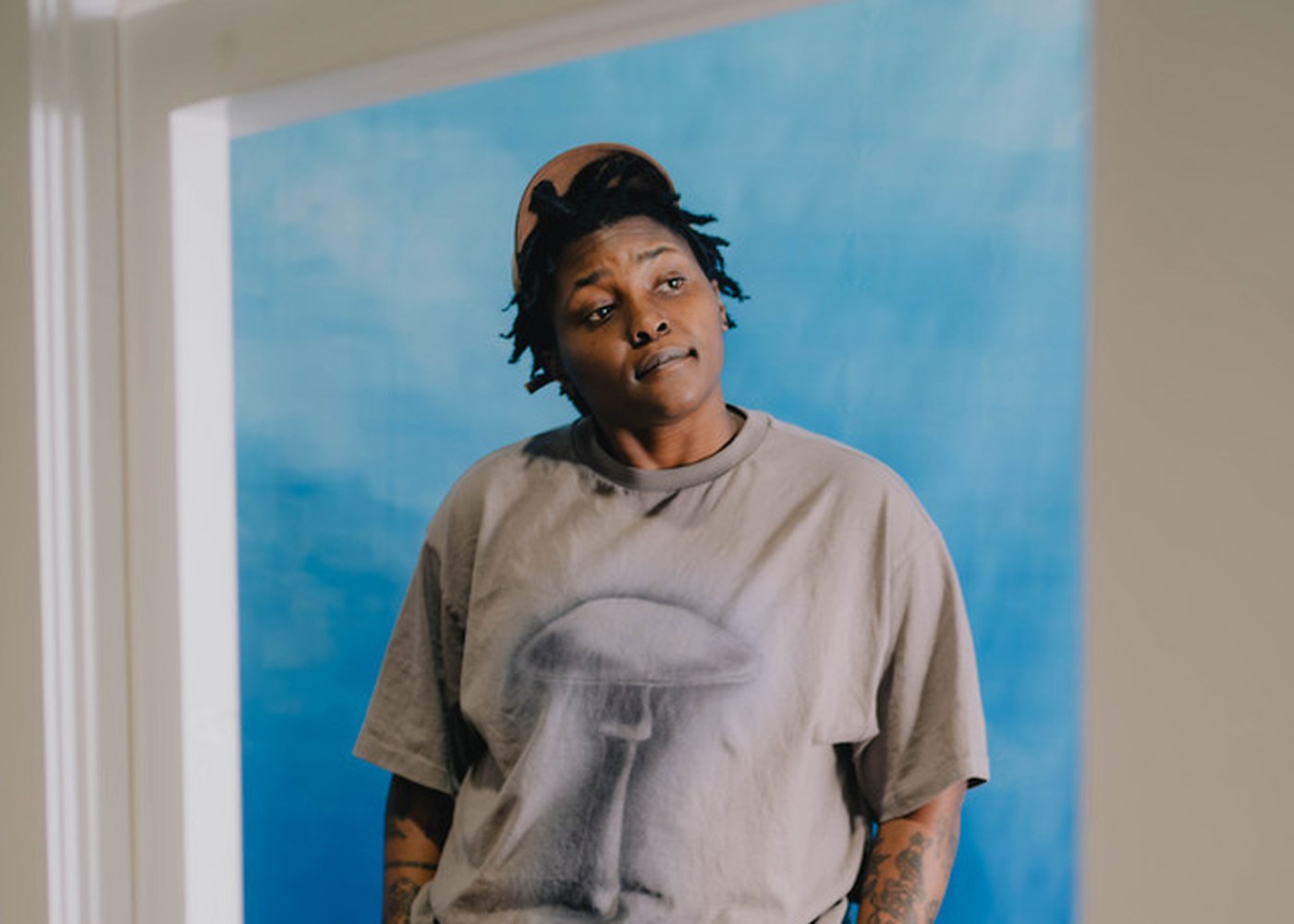
"Easy Company" is Joy Oladokun's argument that choosing rest is not surrender. The song earns its one night off by naming every battle waiting on the other side.
"Warhorse" is about wanting someone so badly it breaks your defenses open. 2hollis captures the exact moment intensity tips into vulnerability.
"I Won't Cry" is a breakup song about craving someone's return so badly you hand them full control. Remi Wolf makes submission sound like a dare.
"Watch You Dance" is about choosing awe over argument. Bridges's narrator stops fighting and just wants to witness something beautiful. That's the whole turn.
"Fetish" by Nessa Barrett turns a BPD diagnosis into armor, arguing the narrator's 'crazy' is a feature the partner craves, not a flaw to fix.
Barrett's "Dracula" is a full-throated demand to be consumed by a toxic love. Here's what the lyrics mean.
Barrett's narrator doesn't stumble into destruction - she chooses it, eyes open, and that choice is the whole argument of the song.
"Tough Love" isn't a breakup song. It's a dare. Nessa Barrett's narrator sets an impossible standard and watches every contender fail it.
"Tears of Joy" is a song about arriving at peace after a long journey through grief. Leon Bridges frames renewal as both spiritual baptism and homecoming.
Anna Vaus's "You're Already There" argues that home is something you carry and something others give back to you. Here's what the lyrics mean.
"Waiting For Fisher" argues that modern work is a slow erasure dressed up as purpose. Gurriers make alienation feel like a death sentence.
Keo's "Be Happy" is a raw plea from someone who can't access happiness, watching others live it like it's a language they never learned.
"Funny Valentine" is about being strung along by someone who offers just enough to keep you hooked. The joke is always on the narrator.
"#5" by Nothing But Thieves argues that ambition and love don't just compete - they hollow each other out, caught mid-song in real time.
"Roses" by CHVRCHES uses a nursery rhyme about plague to argue that systemic power is a cycle designed to keep everyone falling. 158 chars.
QOTSA's "Where The Goth Girls At?" argues that goth subculture is the only sane reaction to suburban suffocation.
"Chapter 4" builds a chorus of human identities to argue that automation, extraction, and late-stage systems have failed the people powering them.
Lennon Stella's "Comedy Show" is about the gut-punch of realizing someone's guilt doesn't exist. Here's what every line means.
Renny Conti's "Mona Lisa" is about loving someone so completely it holds against collapse, personal and civilizational. Here's what the lyrics mean.
Renny Conti's "San Francisco, 2005" argues that grief isn't an obstacle to living fully - it's the passage back into it. 158 chars.
"Natural High" maps the moment mourning tips into surrender - pale, bare, and strangely exhilarated. Grief here is the drug, not the wound.
"Stone Fruit" is a love song and a political confession at once, arguing that real intimacy lives in the same body as moral unease.
Julia Jacklin's song is about craving divine control over your own failures - and the quiet dread that even God wouldn't know what to do.
"Grandma Song" is about surrendering completely to someone who may never fully receive you. Rex Orange County makes passivity feel like devotion.
"On Video" captures a friend's overdose through a witness's eye, arguing that love sometimes arrives too late and only as footage.
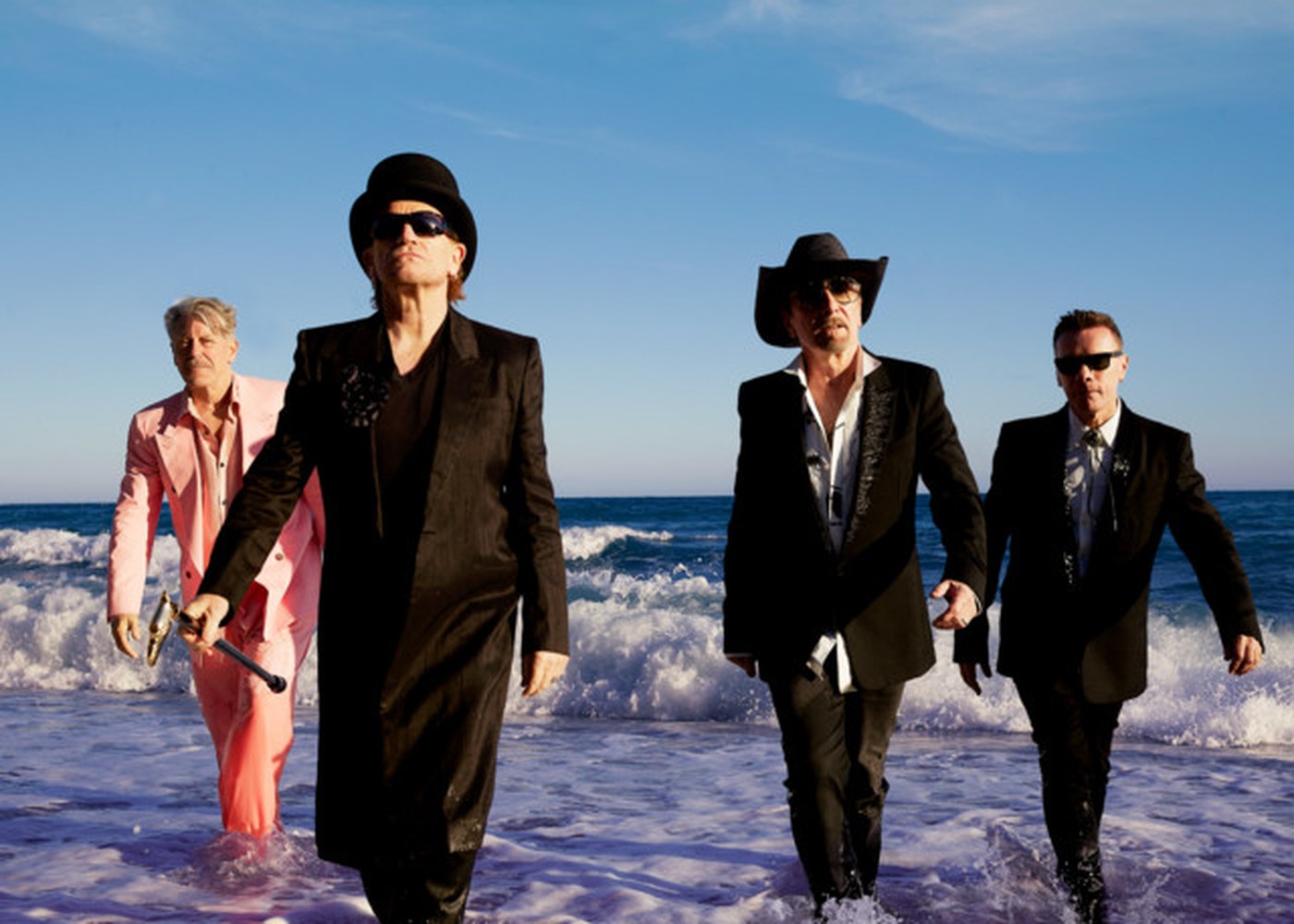
U2's "Silencio" argues that God and violence share the same silence, and that the absence of noise is where you find both rescue and damnation.
Jessie Mazin's debut track wrestles with the guilt of surviving a love you've lost - wanting to grieve cleanly but finding you can't let go.
brakence's "ready or noT" frames internal collapse as a horror story you're both writing and trapped inside. The caveat was always there.
Three weeks after being removed from Ed Sheeran's Loop Tour, Macklemore has booked his own run through Dublin, Paris and London, with every dollar going to organizations supporting Palestinians.
Mack Keane on why Wide Eyed is his real debut, the day "Cherry Red" changed how he makes records, and what touring gave back. A conversation with the LA singer, songwriter and producer.
Twelve songs with Brendan Yates, Mustafa and Daniel Caesar, executive produced by Mustafa and Dylan Wiggins, recorded across six cities. New single “Grandma Song” is out now, and he wants to play the album in your living room.
Two Grammys in February, then guest spots with SPELLLING, American Football, Blood Orange, beabadoobee and Rex Orange County, a remix album with Elton John, and SNL on October 3. The Turnstile singer’s year, in order.
"Rest of Your Life" opens as a tender love song, then reveals the cost of leaving. Dahi's narrator turns devotion into a quiet ultimatum.
"Far Away" is a two-part meditation on where ambition, grief, and human longing actually lead - and the answer keeps circling back to right here.
"Believing" is about holding onto someone while knowing your love might be the very thing that drives them away. Emma Ogier makes hope feel dangerous.
Dahi's "Drowning" argues that ambition stripped of cost guarantees erasure. Elmiene and Ravyn Lenae make the case in under four minutes.
Lorem ipsum dolor sit amet, consectetur adipiscing elit. Suspendisse varius enim in eros elementum tristique.
.png)


.svg)
.svg)
.svg)