

Introduction
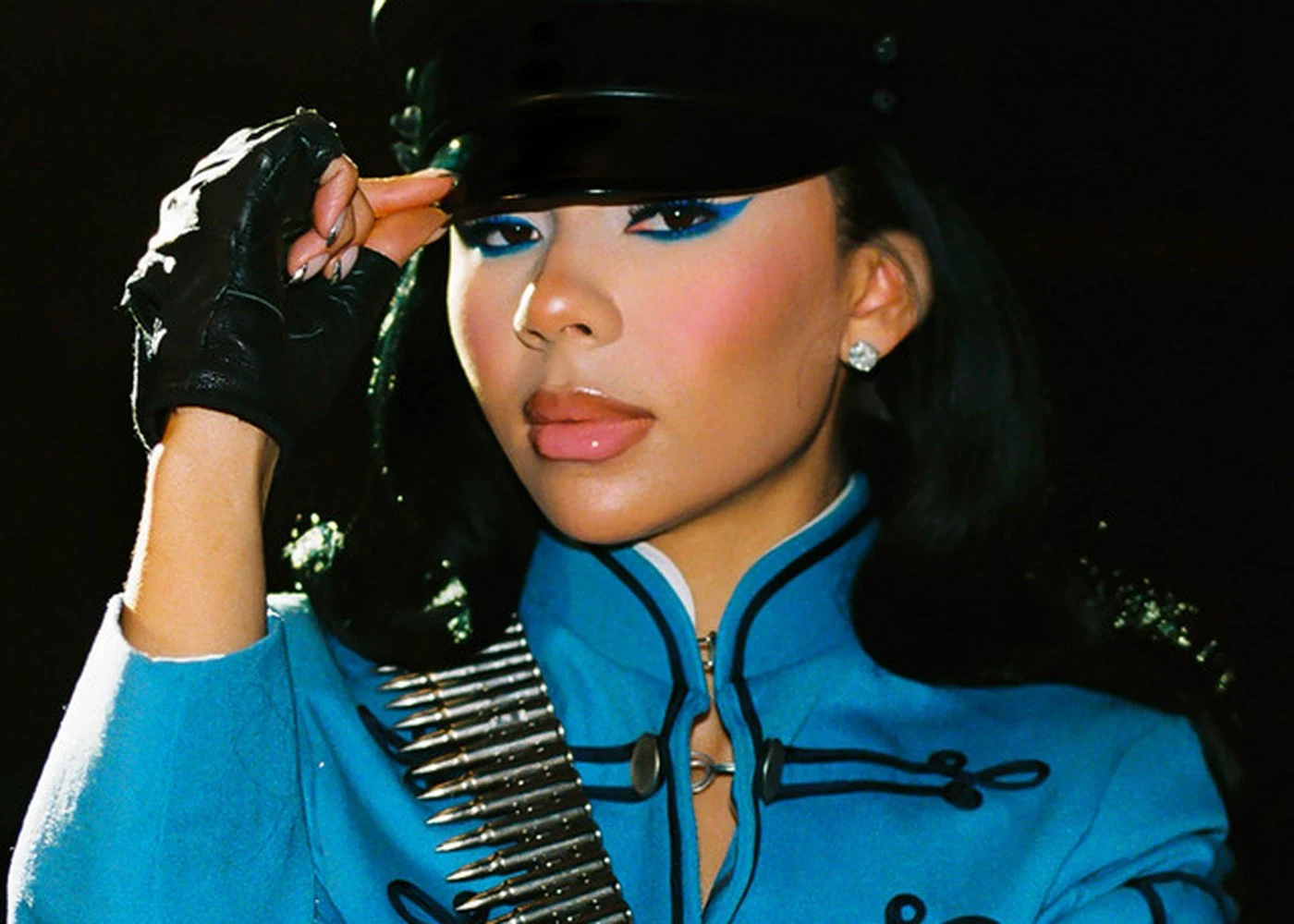
"'Cause if loving me is jail, then you're my prisoner." Nobody who thinks they're innocent talks like that. The song is built around a question, "is it a crime," but the narrator never waits for the answer. She takes the accusation, decides it's true enough, and hands the sentence to the person she loves. "Is It a Crime" is about a woman defending a relationship everyone around her doubts. Her real defense is to stop defending it and start ruling over it.
Verse 1: the room where nobody gets it
The song opens with her looking for backup and not finding any.
"Sometimes I look around for someone who might understand it"
That word "sometimes" tells you the search has happened before and failed before. She scans faces, reads the verdict in them, and gives up on the jury. Then she tells on herself: "I think I lost my patience and now I can't contain it."
The verse is full of claims that cancel each other out. She says "I just let 'em talk," then admits "it bothers me." She says "it ain't nothin' to discuss," then sings a whole song discussing it. Those contradictions are the honest part. She wants to be the woman who doesn't care, and she's only halfway there.
"It ain't love, it ain't love, it ain't love they see / But it ain't nothin' to discuss 'cause it is to me"
She repeats "it ain't love" three times in their voice before answering once in her own. That ratio says a lot about how loud the outside noise has gotten.
"And so what?": the shrug that flips the trial
Three words change the posture of the whole song. Before "And so what?" she is hurt and explaining. After it, she's asking the questions.
"Tell me, what's it to ya? Tell me, is it a crime / To fall, to fall in love, in love a couple times?"
On paper, "To fall, to fall in love, in love a couple times?" sounds like a plea. In context it's a cross-examination. "What's it to ya?" comes first, and it shifts the burden of proof onto whoever's judging. You explain why this is your business. Then we'll talk about crimes.
The "couple times" stays slippery. "I fell, you fell in love a couple times" could mean the two of them keep falling back into each other after breakups, or that both have loved other people before. I lean toward the first, since the whole song smells like people watching a couple reunite one too many times. Either way she refuses to treat repetition as evidence of foolishness. And "ya" could be the gossips, the partner, or you, listening with the volume up after someone rolled their eyes at the person you took back.
The jail verse: she passes sentence
Then comes the line everybody screenshots.
"'Cause if loving me is jail, then you're my prisoner"
Look at the logic. She doesn't argue that loving her isn't jail. She grants the premise, the one the doubters keep pushing, that this relationship is some kind of trap. Then she turns it around. If it's a prison, she's the one holding the keys and he's the one inside. The crime becomes a sentence he serves, and she gets to be the judge instead of the defendant.
The next line is where the bravado gets complicated.
"So let me throw away this key 'cause you won't give me up"
She locks him in because he won't leave. That is a strange reason to lock a door. Someone who has already chosen to stay doesn't need bars, so the key-tossing exists for her nerves and for the audience watching. The gesture is less about keeping him and more about making the commitment visible to every person waiting for the breakup. Read plainly, it's a little possessive. Read generously, it's the only language the doubters seem to understand, so she speaks it louder than they do.
A fan could reasonably hear the whole jail image as pure flirtation, a playful brag with no edge on it. I hear the edge anyway, because the reason she gives for throwing away the key doesn't need a key at all.
The verse then turns into a sales pitch. She brags that no amount of searching would turn up another heart like hers, then interrupts herself:
"A heart like mine / Better yet, can't forget my mind, no"
"Better yet" is a seller adding the premium feature. Her heart is good, but her mind is the real asset, and it's also unclear whose memory she means. He can't forget her mind, or she won't let herself forget it. Both work. Both point the same way: she knows her value and she isn't apologizing for it.
Woman, not a girl, still asking
Near the end she insists she's a woman, not a girl, and asks if that's a crime in this cruel world. The distinction carries her whole argument. A girl gets scolded for her choices. A woman gets to make them.
Then the chorus loops, and the question keeps coming back. Each repetition sounds a little less rhetorical. Still unanswered.
Conclusion
The song starts with a woman who can't find one person who understands, and it ends with her no longer asking for understanding at all. She never wins the case. She just dismisses the court, keeps the sentence for herself to hand out, and lets the question hang. My read is that the repetition at the end gives her away a little: you don't ask "is it a crime" that many times unless part of you still wants someone to say no.
Frequently Asked Questions
What is "Is It a Crime" by Mariah the Scientist about?
The song follows a woman whose relationship is doubted and gossiped about by people around her. Instead of proving them wrong, she accepts their judgment and flips it, asking what business it is of theirs and claiming the power in the relationship for herself.
What does "If loving me is jail, then you're my prisoner" mean?
The narrator accepts the outside view that the relationship is a trap, then makes herself the one in control of it. Her partner becomes the one serving the sentence, and when she throws away the key because he won't give her up, the line shows both devotion and a possessive streak.
What does "I fell, you fell in love a couple times" mean in the song?
The line can mean the couple keeps falling back in love with each other after rough patches, or that both of them have loved before. Either way, the narrator refuses to treat falling more than once as something shameful, and asks the doubters why it matters to them.
Lyric analysis powered by Scalpel.
Comments
Loading comments…