Reviews
Discover
Features
Scalpel
Earcheck
Latest
Interviews
News
Opinions
Contact
Latest
Reviews
Discover
Interviews
News
Opinions
Earcheck
Features
Scalpel
Vince Staples photo (7:5) for White Flag
Scalpel

Vince Staples's "White Flag" Lyrics Explained: Exhaustion as Clarity

"White Flag" finds Vince Staples at a rare moment of stillness, not defeat but deliberate withdrawal from every front he's been forced to fight on. The song moves through racial violence, street loyalty, and love with the same quiet conclusion: he's done. It's the sound of someone choosing peace not because things got better, but because the cost of fighting finally got too clear.

fakemink photo (7:5) for Like A Virgin
Scalpel

fakemink's "Like A Virgin" Lyrics Explained: Pain, Defiance, and the Rush of Staying in the Game
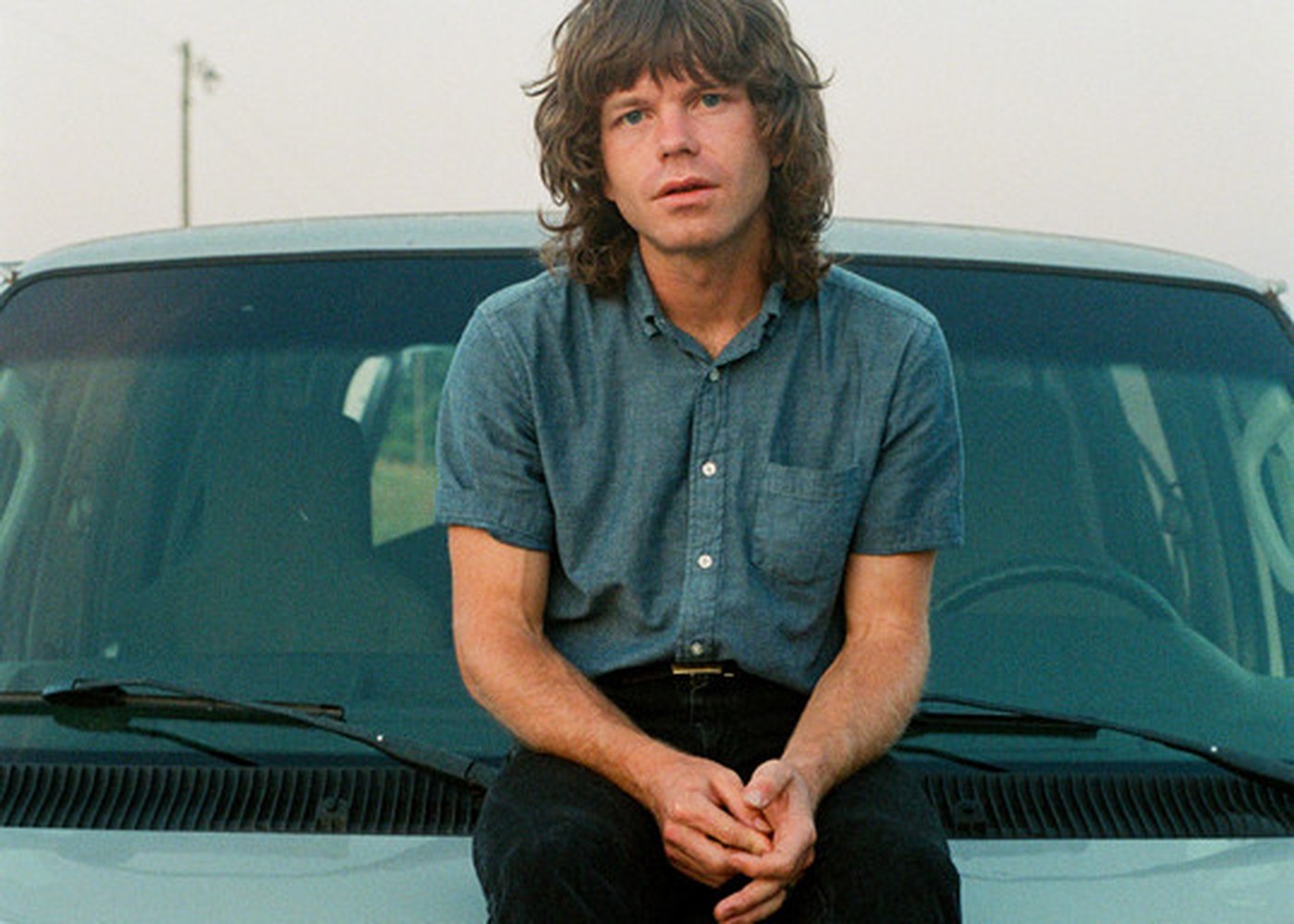
fakemink's "Like A Virgin" is a track built on contradiction: waking up in pain and still feeling untouchable. It's a survival anthem that doesn't clean up the mess, mixing self-destruction, bravado, and real fear into something that feels genuinely alive. The title isn't about innocence. It's about being unbroken by a world that keeps trying.

Jesse Welles photo (7:5) for Masks Off
Scalpel

Jesse Welles's "Masks Off" Lyrics Explained: When the Pretense Finally Drops

"Masks Off" is Jesse Welles at his most unflinching, sketching a America where hatred has stopped hiding and started selling merch. The song moves from dark comedy to genuine dread, tracking how a country built on contradictions eventually stops pretending it isn't. It's a folk broadside for a moment when the performance of decency has been abandoned entirely, and Welles isn't sure whether to laugh or grieve.

Brandi Carlile photo (7:5) for Life On The Run
Scalpel

Brandi Carlile's "Life On The Run" Lyrics Explained: The Freedom in Giving Up the Race

"Life On The Run" is Brandi Carlile's invitation to stop grinding and start moving, not toward a destination but away from the lie that exhaustion is the same as meaning. It's a road song about escape, but the deeper pull is philosophical: the people who never stop racing are the ones who never actually win. Carlile wraps that idea in warm, open-road imagery that makes surrender feel like the most alive thing you could do.

Muse photo (7:5) for Hexagons
Scalpel

Muse's "Hexagons" Lyrics Explained: Control, Surrender, and the Shape of Something Beyond

"Hexagons" finds Muse in a place where resistance and submission blur into each other until you can't tell them apart. The narrator is pulled between autonomy and total surrender, haunted by futures they can't escape and a force they can't name. It's a song about what happens when your will stops being your own, and how that might feel like love.

The Warning photo (7:5) for Ego
Scalpel

The Warning's "Ego" Lyrics Explained: A Masterclass in Unapologetic Self-Assertion

"Ego" is The Warning at their most confrontational, a song built around the exhaustion of justifying yourself to people who were never listening anyway. It's not an anger track so much as a dismissal, the moment you stop explaining and start collecting. The trio turn doubt and resentment into fuel, and by the end it's clear they were never asking for permission.

Rainbow Kitten Surprise photo (7:5) for Never Have I Ever
Scalpel

Rainbow Kitten Surprise's "Never Have I Ever" Lyrics Explained: The Push and Pull of Wanting Someone Who Won't Stay

"Never Have I Ever" lives in that specific ache of wanting someone more than they want you back, where vulnerability keeps getting dressed up as cool. Rainbow Kitten Surprise captures the dizzy, self-aware spiral of falling for someone who keeps almost leaving, building to a confession that lands somewhere between surrender and clarity.

Nothing But Thieves photo (7:5) for Evolution
Scalpel

Nothing But Thieves' "Evolution" Lyrics Explained: The Brutal, Beautiful Mess of Becoming
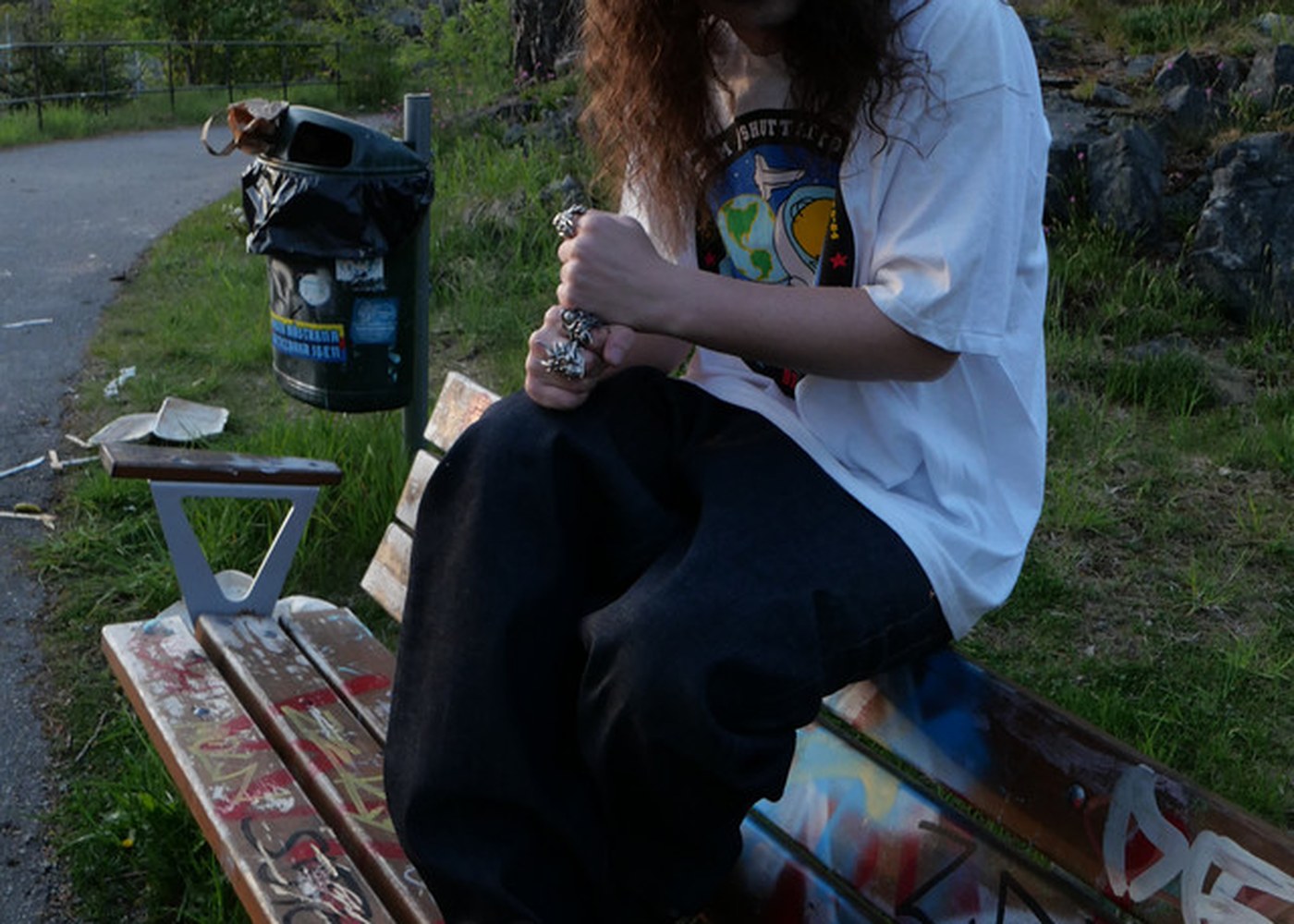
"Evolution" is about the terrifying thrill of change you can't control and don't fully understand. Nothing But Thieves frame transformation not as something clean or chosen, but as something feral and physical, something that happens to you whether you're ready or not. It's a song about wanting to feel alive so badly that you'd rather get it wrong than stay still.

Bladee photo (7:5) for Scab
Scalpel

Bladee's "Scab" Lyrics Explained: A Two-Part Descent Into Shame and Devotion

"Scab" is Bladee at his most emotionally raw, splitting itself into two distinct halves that trace a collapse from exhausted self-questioning into something darker and more desperate. It moves from the dull ache of feeling unseen to a full reckoning with shame, failure, and the terrifying possibility of not making it back. But at the center of all that weight is a single devotion that refuses to die, and that tension is what makes the song feel genuinely alive.

Bladee photo (7:5) for Blondie
Scalpel

Bladee's "Blondie" Lyrics Explained: Existing for Someone Who Might Save You

"Blondie" opens with Bladee crowning himself the only voice worth hearing, then immediately collapses into longing for someone he can barely reach. It's a song about the strange power of attraction when you're already half-convinced nothing means anything. The person at the center isn't just a crush, they're the only argument Bladee has for staying present at all.

Bladee photo (7:5) for Black Fire
Scalpel

Bladee's "Black Fire" Lyrics Explained: Riding the Line Between Living and Dissolving

"Black Fire" is Bladee sitting in the most honest discomfort he's ever put on record, not performing pain but circling it, prodding at it, trying to figure out if it's survivable. The song builds from detached affection to raw self-destruction to something stranger and quieter on the other side. It doesn't resolve so much as exhaust itself into a kind of peace, which somehow feels more true than any clean ending would.

Bladee photo (7:5) for Stoner
Scalpel

Bladee's "Stoner" Lyrics Explained: Chaos, Devotion, and the Eye of the Storm

"Stoner" finds Bladee pulling two opposing forces into the same orbit: the frenetic, ego-charged energy of someone running hot, and a tender, almost desperate pull toward closeness and permanence. It's a song about being at the edge of yourself and reaching for something to hold onto anyway. The result is intimate and unhinged at once, which is exactly the point.

Bladee photo (7:5) for Durins Bane
Scalpel

Bladee's "Durins Bane" Lyrics Explained: Living Nine Lives in a Skinny Fat World

"Durins Bane" finds Bladee in a restless, almost manic state of self-assurance, stacking absurd imagery and sharp flex lines until the whole thing feels like a fever dream that somehow makes perfect sense. The title references a creature of ancient shadow and flame, which tells you everything about the tone: mythic scale applied to the mundane. It's a song about being too much for the room while also being completely at ease with that fact.

Bladee photo (7:5) for The Dark Mirror
Scalpel

Bladee's "The Dark Mirror" Lyrics Explained: Bleeding Palms, Broken Silence, and the Weight of Being Watched

"The Dark Mirror" is Bladee at his most fractured and direct, a song about the cost of keeping yourself composed when everything inside you is coming apart. It moves through social performance, spiritual imagery, and quiet dissociation until the second half strips everything back to a single cold question: what do you do when the reason to keep going is too vague to hold onto?

Bladee photo (7:5) for Under my Umbrella
Scalpel

Bladee's "Under My Umbrella" Lyrics Explained: Chasing a Dream That Won't Come Back

"Under My Umbrella" is a song about reaching for something beautiful that keeps dissolving the moment you get close. Bladee moves between self-destruction, romantic longing, and a hollow kind of luxury, all circling the same ache: numbness so deep you can't tell what's real anymore. It's one of those tracks where the emptiness isn't hidden, it's the whole point.

Bladee photo (7:5) for Fox & Birch (feat. Current 93)
Scalpel

Bladee's "Fox & Birch" Lyrics Explained: Beauty, Loss, and the Things That Stay Out of Reach

"Fox & Birch" lives in a place where beauty and grief feel like the same thing. Bladee reaches toward something radiant and untouchable, and the song slowly reveals that the reaching is the point, not the arrival. By the time David Tibet closes it out, the whole thing has dissolved into myth.

Bladee photo (7:5) for Killswitch
Scalpel

Bladee's "Killswitch" Lyrics Explained: The Peace in Letting Go of Control

"Killswitch" finds Bladee at a strange crossroads between exhaustion and acceptance, where giving up control starts to feel less like defeat and more like relief. The song moves through frantic overstimulation into something quieter and more unsettling: the realization that surrendering to chaos might be the only honest response to it. It's a track about burning out and deciding, almost calmly, to stay in the fire.

Bladee photo (7:5) for Dolor
Scalpel

Bladee's "Dolor" Lyrics Explained: Why Suffering Becomes a Form of Love

"Dolor" is Bladee sitting inside a wound and deciding to stay there. The song treats pain not as something to escape but as a currency, a proof of life, even a strange act of devotion. By the time the outro arrives, suffering has been reframed so completely that calling it a privilege almost sounds sincere.

Bladee photo (7:5) for Versailles Flow
Scalpel

Bladee's "Versailles Flow" Lyrics Explained: The Martyr Who Chooses the Light
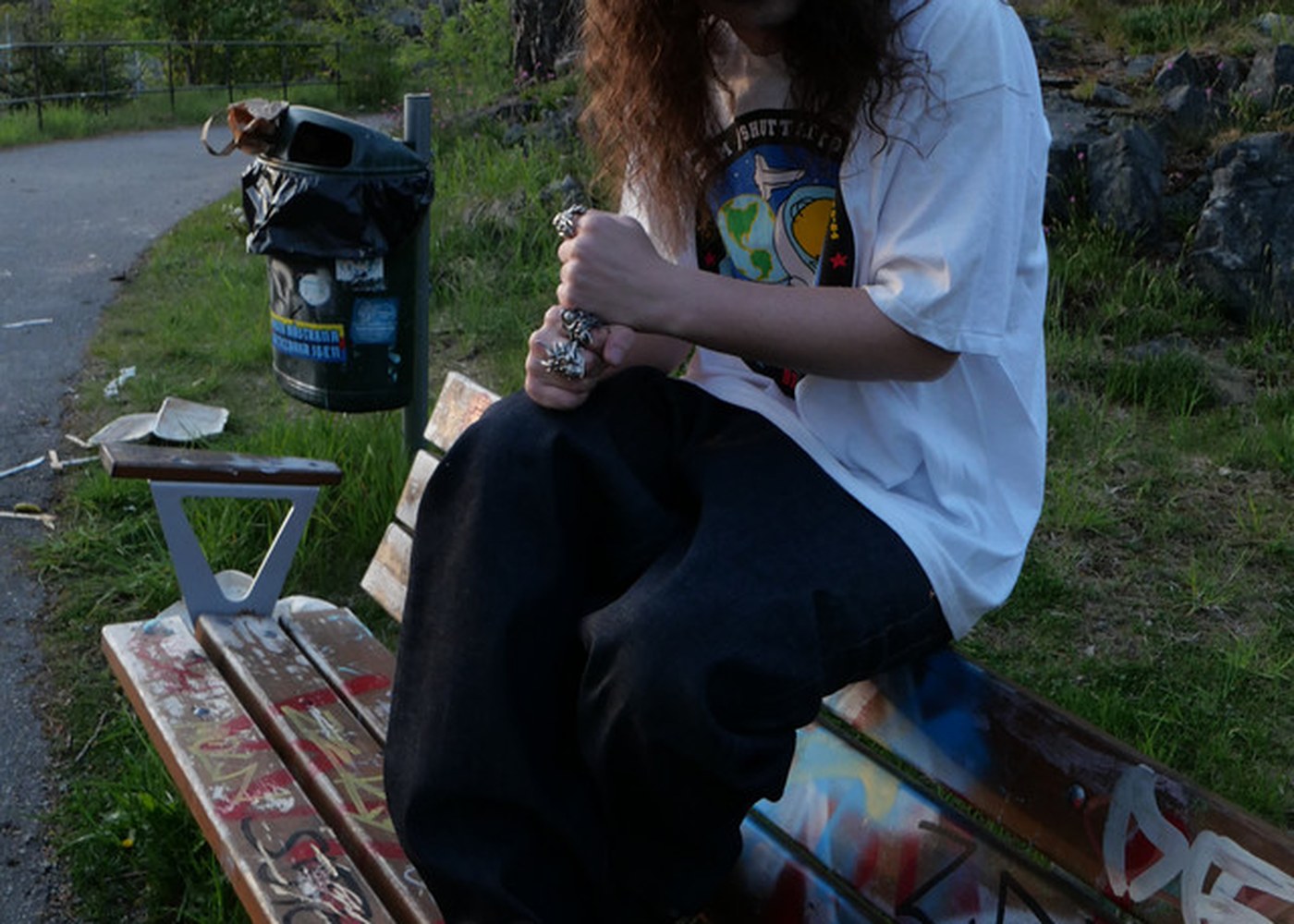
"Versailles Flow" is Bladee walking a razor edge between exhaustion and transcendence, treating suffering not as something to escape but as the very material he builds from. The song traces a self-mythology in real time, where pain gets transmuted into something almost sacred, and the narrator arrives not at peace exactly, but at a strange, defiant radiance.

Bladee photo (7:5) for Sulfur Surfer
Scalpel

Bladee's "Sulfur Surfer" Lyrics Explained: Holy War From the Inside Out

Sulfur Surfer opens like a sacred decree and ends in quiet doubt, tracing Bladee's signature tension between divine mission and personal collapse. The song wraps mythic self-belief in the language of sin, exhaustion, and isolation, making the crusade feel as much internal as cosmic. It is both a battle cry and a confession that the warrior is already tired.

Cigarettes After Sex photo (7:5) for Twizzler
Scalpel

Cigarettes After Sex's "Twizzler" Lyrics Explained: A Love You Don't Need to Justify

"Twizzler" is a slow-burning snapshot of a romance that exists entirely in sensation: rooftop kisses, soft drugs, a name-checked hotel suite, and a vow made in the California sun. Cigarettes After Sex build the song around one honest admission -- that the feeling itself is enough, no explanation required. It's devotion stripped down to its most irrational, irresistible form.

6LACK photo (7:5) for Bird Flu
Scalpel

6LACK's "Bird Flu" Lyrics Explained: The Painful Work of Becoming Someone Worthy of Love

"Bird Flu" is 6LACK sitting with the mess he made before he got it right. It's a song about accountability without self-pity, tracing the slow, uncomfortable process of peeling back armor, confronting the damage done, and deciding that this person is worth the full transformation. Vulnerable but unflinching, it's one of the most honest portraits of emotional growth you'll hear.

Lola Young photo (7:5) for From Down Here
Scalpel

Lola Young's "From Down Here" Lyrics Explained: The Strange Grief of Getting Better

"From Down Here" captures the disorienting feeling of sobriety or recovery when the life you built around chaos actually felt more alive than the stable one replacing it. Lola Young sits with the contradiction honestly: the high was destructive, but it was real, and the absence of it is its own kind of loss. It's a song about mourning something you know you're better off without.

Olivia Rodrigo photo (7:5) for the cure
Scalpel

Olivia Rodrigo's "the cure" Lyrics Explained: When Love Isn't Enough to Fix What's Broken Inside

"the cure" is about the painful moment you realize the person you love can't save you from yourself. Olivia Rodrigo maps out a long history of self-comparison and intrusive thoughts, then confronts the hardest truth: that love can feel like medicine without actually healing anything. It's not a breakup song. It's a reckoning.

Charli xcx photo (7:5) for SS26
Scalpel

Charli xcx's "SS26" Lyrics Explained: Accountability Is a PR Move and We're All on the Runway

"SS26" opens with the apocalypse and treats it like a season preview. Charli xcx places celebrity deflection, identity branding, and collective denial inside a world already heading somewhere terrible, and the scariest part is how reasonable it all sounds. The song doesn't judge the narrator so much as it holds up a mirror to a culture that has made self-preservation into an art form.

Bleachers photo (7:5) for upstairs at els
Scalpel

Bleachers' "upstairs at els" Lyrics Explained: A Love Letter to the People Who Held You Together

"upstairs at els" is Jack Antonoff's tribute to the rooftop moments that kept him sane, the friends, the chaos, and the specific kind of joy that only exists between people who truly know each other. It moves between memory and present tense like a Sunday walk through a neighborhood that's quietly changed. By the end, the song doesn't just celebrate belonging. It proves it.

Bleachers photo (7:5) for i'm not joking
Scalpel

Bleachers' "i'm not joking" Lyrics Explained: Love That Scares You Into Standing Still

"i'm not joking" is a song about the terrifying weight of getting exactly what you wanted. Bleachers captures the rare moment when love feels so real and so right that the only honest response is to hold on tighter instead of running. It's a declaration that doubles as a dare.

Bleachers photo (7:5) for she's from before
Scalpel

Bleachers' "She's From Before" Lyrics Explained: The Weight of Inherited Grief

"She's From Before" is a song about the grief you carry before you even know what to call it, the kind passed down through bloodlines and cities and names. Jack Antonoff writes from a place of genuine exhaustion, reaching backward toward ancestors and forward toward a son not yet born, trying to find some middle ground where mourning doesn't have to be permanent. It's one of those songs that feels like a private journal entry that somehow knows exactly what you're going through.

Bleachers photo (7:5) for dancing
Scalpel

Bleachers' "dancing" Lyrics Explained: A Hymn for the People Left Behind

"dancing" is what grief looks like when it refuses to be polite about it. Bleachers writes from the perspective of someone navigating loss and heartbreak while watching the world keep spinning, furious and bewildered that survival is somehow a solo act. It's a song that turns a repeated question into an open wound and a chorus into something that feels like a church service nobody asked to attend.

Bleachers photo (7:5) for i can't believe you're gone
Scalpel

Bleachers' "i can't believe you're gone" Lyrics Explained: Grief, Family, and the Lies We Tell to Keep Going

"i can't believe you're gone" is Bleachers at their most raw, tracing the specific, cluttered texture of grief through blood tests and Burger King crowns and rooms that become shrines. Jack Antonoff writes about loss not as a clean emotional arc but as a loop, one where time passes and nothing resolves and the same fear keeps finding you at the start. By the end, the song doesn't offer healing so much as it offers honesty about what we do instead of healing.

Bleachers photo (7:5) for take you out tonight
Scalpel

Bleachers' "Take You Out Tonight" Lyrics Explained: Love, Fame, and the Fear of Being Seen

"Take You Out Tonight" is a song pulled in two directions at once: the hunger to protect something real and the pressure to put it on display. Jack Antonoff writes about the exhaustion of public life crashing into private love, and the guilt of knowing you keep choosing the road anyway. It's tender and self-aware in equal measure, and that tension is exactly the point.

Bleachers photo (7:5) for dirty wedding dress
Scalpel

Bleachers' "dirty wedding dress" Lyrics Explained: A Vow Against the Machine

"dirty wedding dress" is Bleachers at their most protective, drawing a hard line between what's sacred and what the industry keeps trying to consume. Jack Antonoff turns a wedding image into a battle cry, using it to wall off the people and the love that actually matter from the critics, parasites, and cynics circling outside. It's messy, funny, furious, and completely sincere all at once.

Bleachers photo (7:5) for you and forever
Scalpel

Bleachers' "you and forever" Lyrics Explained: Finding the Sacred in a World That Keeps Getting Darker

"you and forever" is Bleachers at their most quietly desperate and suddenly luminous, a song about discovering that one person can outweigh a world of noise and cruelty. Jack Antonoff builds the song around a simple but enormous idea: that love isn't an escape from darkness but proof that something in it is worth holding onto. It's raw, honest, and lands harder than almost anything on the record.

Bleachers photo (7:5) for we should talk
Scalpel

Bleachers' "we should talk" Lyrics Explained: A Friendship Frozen in Time

"we should talk" is a letter to someone who used to be everything, written by someone who never quite figured out how to send it. Jack Antonoff maps the slow fade of a creative brotherhood with brutal honesty, tracing the gap between who two people were and who they became. It's not angry, not entirely sad. It's just the specific ache of missing someone who's still alive.

Bleachers photo (7:5) for the van
Scalpel

Bleachers' "the van" Lyrics Explained: A Story About Loneliness, Loss, and the People Who Shaped You

"The van" is Bleachers at their most personal, tracing a life through the people and moments that made loneliness feel survivable. It's a song about growing up, grief, and the strange discovery that the thing driving you forward is the same thing that has always haunted you. Jack Antonoff wraps it in nostalgia but never lets it get comfortable there.

Bleachers photo (7:5) for sideways
Scalpel

Bleachers' "sideways" Lyrics Explained: The Love That Builds You and Breaks You

"sideways" is a song about the kind of love that shapes you before it destroys you, and the strange loyalty that survives even that. Bleachers traces a relationship from its electric, reckless beginning to something burnt-out and corrosive, then arrives at something harder to name: a devotion that doesn't ask to be healthy. It's not quite a breakup song and not quite a love song, which is exactly what makes it hit.

Bryant Barnes photo (7:5) for Apollo
Scalpel

Bryant Barnes's "Apollo" Lyrics Explained: When Love Leaves You Completely Speechless

"Apollo" is Bryant Barnes at his most unguarded, tracing the feeling of loving someone so completely that words stop working. It's not a love song that brags or performs. It's one that quietly surrenders, turning the vastness of space into a backdrop for something deeply personal and almost embarrassingly honest.

The All-American Rejects photo (7:5) for Search Party!
Scalpel

The All-American Rejects' "Search Party!" Lyrics Explained: When You Throw a Party for Someone Who Never Shows Up

"Search Party!" is one of those songs that turns genuine hurt into a spectacular bit. The All-American Rejects dress up their abandonment in clowns and kazoos, but underneath the carnival is someone who showed up, suited up, and got stood up. It's a breakup song that's too self-aware to be sad and too wounded to fully commit to the joke.

The All-American Rejects photo (7:5) for Lemonade
Scalpel

The All-American Rejects' "Lemonade" Lyrics Explained: Making Peace With a Half-Full Life

"Lemonade" sits in that uncomfortable space between defiance and doubt, where self-belief and self-awareness keep interrupting each other. The All-American Rejects build a narrator who knows the old saying about lemons but can't quite shake the feeling they've been digging their own grave all along. It's messy, funny, and strangely honest about what resilience actually looks like from the inside.

The All-American Rejects photo (7:5) for Green Isn’t Yellow
Scalpel

The All-American Rejects' "Green Isn't Yellow" Lyrics Explained: A Childhood Remembered, A Life Let Go

"Green Isn't Yellow" is a quiet gut-punch of a song, built from the kind of small, specific details that make memory feel almost unbearably real. The All-American Rejects trace the narrator's rural upbringing from barefoot summers to the moment they finally leave town, anchored by a piece of fatherly wisdom that doesn't fully make sense until you've lived enough to need it. It's a song about growing up in the margins and finding the nerve to go anyway.

The All-American Rejects photo (7:5) for Eggshell Tap Dancer
Scalpel

The All-American Rejects' "Eggshell Tap Dancer" Lyrics Explained: The Art of Careful Obsession

"Eggshell Tap Dancer" is a song about wanting someone so badly you'll shrink yourself to fit their world. The narrator performs careful, almost self-erasing devotion while quietly promising to consume everything. It's charming and a little unsettling, which is exactly the point.

STELLA LEFTY photo (7:5) for Something To Lose
Scalpel

STELLA LEFTY's "Something To Lose" Lyrics Explained: When a Wild Heart Finally Has a Reason to Stay

"Something To Lose" catches the exact moment a self-sufficient loner realizes they've let someone in without meaning to. STELLA LEFTY and Vincent Mason trade verses from both sides of the same unexpected love, and together they land on a truth that feels almost reluctant: being found by the right person changes everything. It's a song about vulnerability arriving quietly, disguised as something casual.

Gracie Abrams photo (7:5) for Hit the Wall
Scalpel

Gracie Abrams's "Hit the Wall" Lyrics Explained: A Portrait of Someone Who Knows Exactly What They're Doing Wrong

"Hit the Wall" is a song about self-awareness as its own kind of trap. Gracie Abrams maps out every crack and fault line in herself with painful clarity, then watches helplessly as she breaks another connection anyway. It's not a cry for help so much as a confession to someone who's still close enough to hear it.

Dua Saleh photo (7:5) for Firestorm
Scalpel

Dua Saleh's "Firestorm" Lyrics Explained: Desire, Dominance, and Burning on Your Own Terms

"Firestorm" is Dua Saleh at their most self-possessed, turning heat into a declaration. The song moves from easy coastal fantasy to something fiercer, a refusal to shrink under anyone's gaze. It's about being the one who sets the temperature in the room, not the one who adjusts to it.

Kevin Morby photo (7:5) for 100,000
Scalpel

Kevin Morby's "100,000" Lyrics Explained: The Weight of a Life Lived in Multitudes

"100,000" is Kevin Morby staring into the American interior and finding it full of people quietly carrying everything at once. The song moves from the romantic to the ruinous, from small-town sweetness to suburban suffocation, before dissolving into a chorus of anonymous lives that feel both overwhelming and strangely tender. It's a song about scale, about how ordinary existence, lived by enough people, becomes something close to sacred.

Shakey Graves photo (7:5) for No Place to Be
Scalpel

Shakey Graves's "No Place to Be" Lyrics Explained: The View From the Top of the Lonely Hill

"No Place to Be" sits in that bittersweet space between encouragement and elegy, where Shakey Graves tells someone the struggle is worth it while quietly revealing that recognition always arrives a little too late. It's a love song dressed as a life lesson, and the ache underneath it is real. The climb is worth it, sure, but nobody has a camera when you finally get there.

M.O.T.H.E.R. photo (7:5) for MY LOVE
Scalpel

M.O.T.H.E.R.'s "MY LOVE" Lyrics Explained: A Love That Fights, Bleeds, and Refuses to Wait

"MY LOVE" by M.O.T.H.E.R. is a love song that refuses to be gentle about it. It holds tenderness and friction in the same breath, painting a relationship defined not by perfect moments but by the stubborn, gritty choice to stay. This is love as an act of will, not a feeling that just happens to you.

The All-American Rejects photo (7:5) for Clothesline
Scalpel

The All-American Rejects' "Clothesline" Lyrics Explained: Suspended Between Patience and Breaking Point

"Clothesline" is a song about the specific exhaustion of loving someone who keeps you waiting without ever fully letting go. The All-American Rejects capture that suspended state where hope and resentment share the same emotional space, and the longer the narrator holds on, the more clearly they can see how little control they have. It is a breakup song where nobody actually leaves.

Genesis Owusu photo (7:5) for BIG DOG
Scalpel

Genesis Owusu's "BIG DOG" Lyrics Explained: Sovereignty, Swagger, and the Sound of a Champion
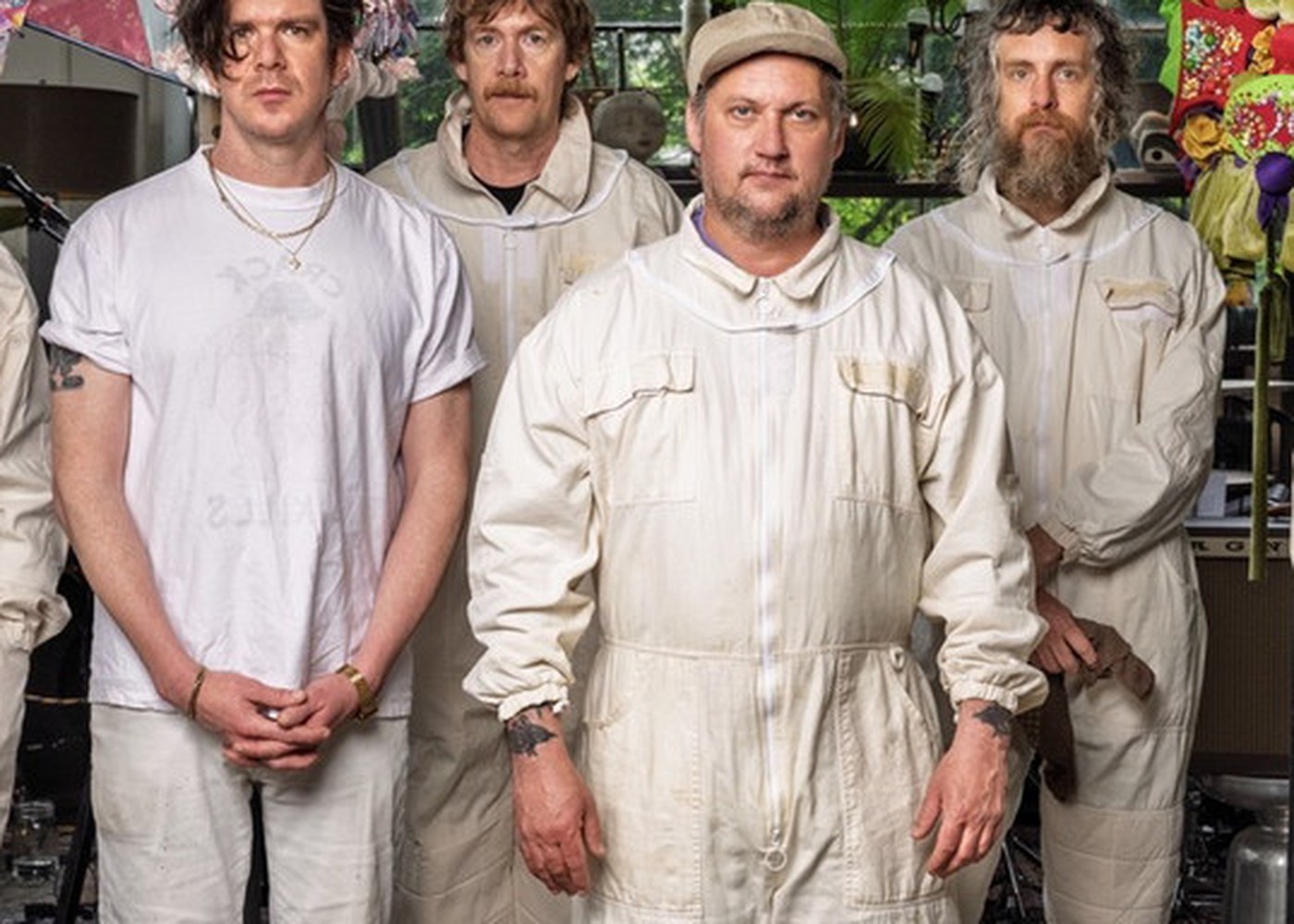
"BIG DOG" is Genesis Owusu's loudest, clearest statement of self: a track that doesn't just claim greatness but explains exactly why the competition isn't even in the conversation. It moves through dismissal, rootedness, and defiance to land somewhere bigger than a flex. This is what confidence sounds like when it's earned, not performed.

Modest Mouse photo (7:5) for Third Side of the Moon
Scalpel

Modest Mouse's "Third Side of the Moon" Lyrics Explained: Memory, Grief, and the Things We Failed to Notice

"Third Side of the Moon" is a song about the specific cruelty of grief that comes with guilt attached. Isaac Brock circles a person who is gone, grasping for details that were never really held in the first place. The song doesn't romanticize loss. It sits inside the discomfort of realizing you weren't paying close enough attention when it mattered.

Sublime photo (7:5) for Can’t Miss You
Scalpel

Sublime's "Can't Miss You" Lyrics Explained: The Logic of Someone Who Refuses to Feel

"Can't Miss You" is a song about trying to outrun grief and longing, and failing completely. The narrator keeps insisting they can't miss anyone, but the whole song is proof that they do. It's a confession wrapped in denial, tender and a little self-aware, from someone who knows exactly what they're doing and can't stop anyway.

Dua Saleh photo (7:5) for Firestorm
Scalpel

Dua Saleh's "Firestorm" Lyrics Explained: Desire, Defiance, and the Power of Being Watched

"Firestorm" is Dua Saleh at their most magnetic, turning the simple act of being perceived into something charged with heat and authority. The song moves from soft, sun-soaked invitation to full-blown self-coronation, tracing the line between wanting someone's attention and refusing to let anyone else's judgment land. It's a track about knowing exactly who you are and daring the world to look away.

Smerz photo (7:5) for lts here
Scalpel

Smerz's "lts here" Lyrics Explained: The Ache of Wanting to Feel Real

"lts here" sits in the strange space between numbness and longing, where wanting to feel something is its own kind of pain. Smerz build a song around a single, fragile desire, and somehow make that simplicity feel like it contains everything. It's quiet, but it cuts.

Rostam photo (7:5) for Hardy (feat. Clairo)
Scalpel

Rostam's "Hardy (feat. Clairo)" Lyrics Explained: The Beauty of What Goes Unfinished

Rostam's "Hardy" sits with the particular ache of something good that simply ran out of time. Through the image of an unfinished painting and a city fading at dusk, the song argues that incompleteness doesn't cancel meaning. Clairo's closing verse lifts it from elegy into something closer to grace.

The Strokes photo (7:5) for Falling out of Love
Scalpel

The Strokes' "Falling out of Love" Lyrics Explained: The Strange Relief of Finally Letting Go

"Falling out of Love" catches Julian Casablancas in a rare moment of honesty, tracing the slow, disorienting process of admitting a love has already ended. The song doesn't mourn the loss so much as wrestle with the denial that kept it alive past its expiration date. What makes it stick is that quiet, complicated feeling at the center: falling out of love isn't heartbreak, it's something stranger and harder to name.

Spacey Jane photo (7:5) for I Never See Her
Scalpel

Spacey Jane's "I Never See Her" Lyrics Explained: The Slow-Motion End of a Long-Distance Love

"I Never See Her" is a song about watching something you love fall apart in real time, not all at once, but flight by flight, season by season. Spacey Jane captures the specific misery of a relationship undone by geography, where the distance isn't just the problem, it's the verdict. It's a breakup song for people who already know how it ends but can't stop hoping they're wrong.

Myles Smith photo (7:5) for Gold
Scalpel

Myles Smith's "Gold" Lyrics Explained: When Love Feels Like a Second Chance at Living

"Gold" is what it feels like when someone you never expected shows up and rewrites everything you thought you knew about yourself. Myles Smith captures that specific kind of love that doesn't just excite you but resurrects you, the kind that makes your old cynicism feel embarrassing. It's warm and electric and quietly desperate all at once.

Myles Smith photo (7:5) for Hold Me In The Dark
Scalpel

Myles Smith's "Hold Me In The Dark" Lyrics Explained: Running in Circles Until Someone Pulls You Back
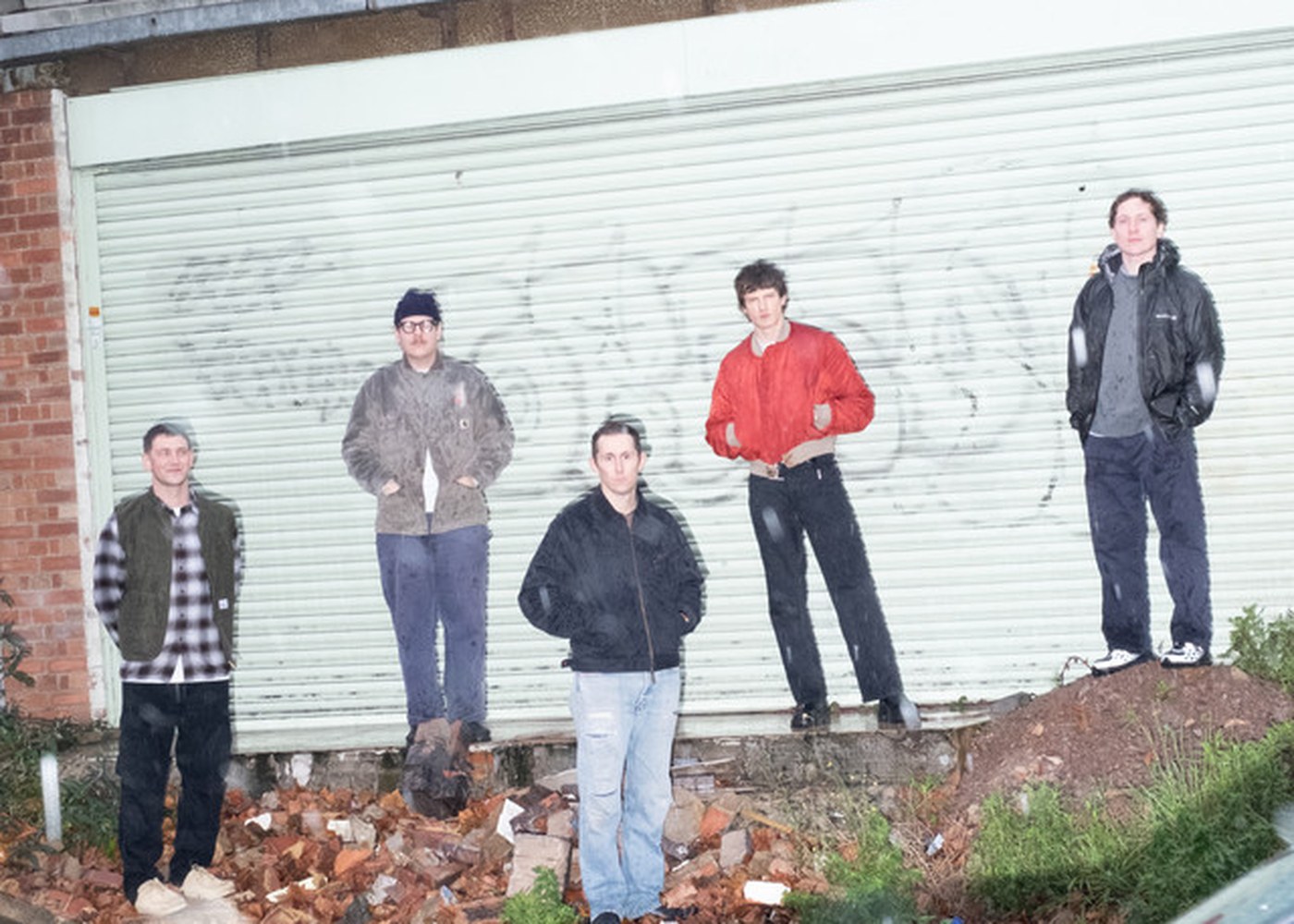
"Hold Me In The Dark" is a song about what it feels like to be exhausted by your own restlessness and desperate for one person to make it stop. Myles Smith captures that specific ache where escape sounds appealing but presence feels like the only real fix. It's a love song, but the kind that admits love isn't a cure, it's more like an anchor.

Basement photo (7:5) for Head Alight
Scalpel

Basement's "Head Alight" Lyrics Explained: The Beautiful Thing You Can't Look At Directly

"Head Alight" is about encountering someone so overwhelming they stop feeling like a person and start feeling like a force of nature. Basement frames devotion as a kind of damage, where being drawn to someone and being undone by them are exactly the same thing. It's a love song built around the terrifying realization that some things are too bright to hold.

Basement photo (7:5) for Sever
Scalpel

Basement's "Sever" Lyrics Explained: The Quiet Devastation of Watching Something End

"Sever" is about the horrible clarity of knowing a relationship is over before anyone says a word. Basement capture that specific silence where the ending is already visible in someone's face, and the only question left is whether you've been here before. It's grief stripped to its bones, and it hits harder for what it refuses to say out loud.

Basement photo (7:5) for Broken By Design
Scalpel

Basement's "Broken By Design" Lyrics Explained: When Moving On and Holding On Feel Like the Same Thing

"Broken By Design" sits in that specific emotional territory where a relationship is clearly over but the mind refuses to cooperate. Basement builds something quietly devastating here, a song about the exhaustion of caring when caring gets you nowhere, and the strange peace you find when you stop fighting it. It's not a breakup song exactly. It's what comes after, when you're still haunted but too tired to be dramatic about it.

Basement photo (7:5) for WIRED
Scalpel

Basement's "WIRED" Lyrics Explained: Watching Someone Destroy Themselves From the Inside
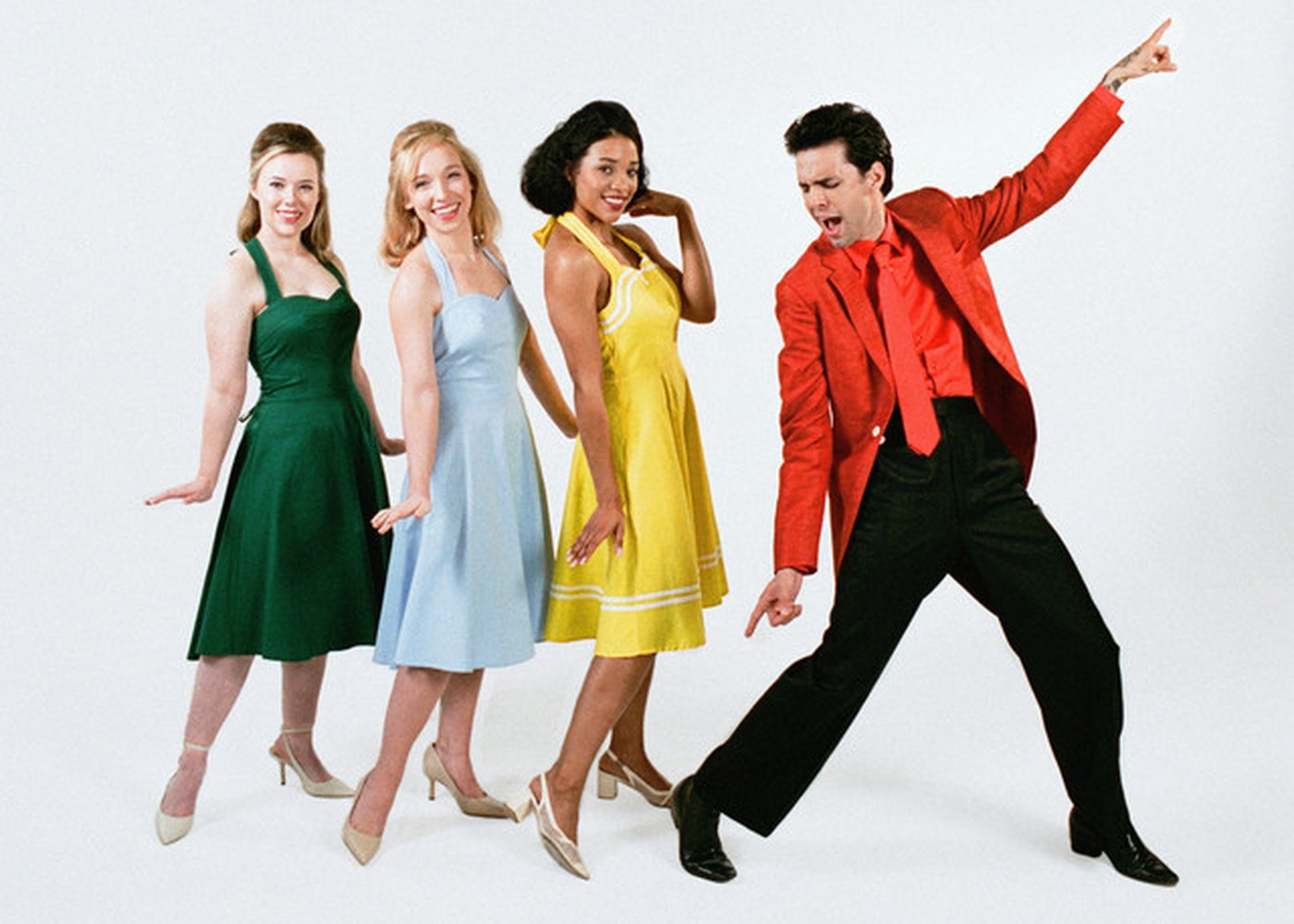
"WIRED" is about the particular helplessness of watching someone you care about self-destruct while staying completely unreachable. Basement captures that experience without melodrama, letting the weight build slowly until it becomes unbearable. The song sits in the tension between love and powerlessness, and it never flinches from how those two things can coexist.

Stephen Sanchez photo (7:5) for HOME TO MOTHER
Scalpel

Stephen Sanchez's "Home to Mother" Lyrics Explained: When Love Turns the World Full Color

"Home to Mother" is Stephen Sanchez at his most lovesick and luminous, painting a portrait of a man so overwhelmed by new love that his whole world shifts. The song takes that rush of early romance and treats it with total sincerity, no irony, no hedging. It's the kind of song that makes you believe the feeling is real because the narrator clearly does.

Lykke Li photo (7:5) for So Happy I Could Die
Scalpel

Lykke Li's "So Happy I Could Die" Lyrics Explained: The Joy That Already Knows It's Ending

"So Happy I Could Die" sounds like a love song but feels like a countdown. Lykke Li captures that specific kind of happiness that arrives already braced for its own disappearance, drunk enough to confess everything and clear-eyed enough to know none of it will last. It's ecstatic and mournful at the same time, and that tension is exactly the point.

Lykke Li photo (7:5) for Famous Last Words
Scalpel

Lykke Li's "Famous Last Words" Lyrics Explained: The Seduction of Self-Destruction

"Famous Last Words" captures the exact moment someone decides to lean into the chaos rather than fight it. Lykke Li plays a narrator who has burned enough times to mistake numbness for resilience, dressing up recklessness as wisdom. It's a seduction song and a warning song at the same time, and it refuses to tell you which one to believe.

MUNA photo (7:5) for Mary Jane
Scalpel

MUNA's "Mary Jane" Lyrics Explained: When You're Losing to Someone Who Isn't Even There

"Mary Jane" is about the particular cruelty of being left not for another person but for a pull your partner can't name and won't quit. MUNA captures the moment you realize commitment was always one-sided, and the wound isn't just heartbreak but the humiliation of having loved someone who was never fully present. It's a breakup song with a double meaning that makes the sting twice as sharp.

Aldous Harding photo (7:5) for Coats
Scalpel

Aldous Harding's "Coats" Lyrics Explained: The Cost of Being Understood

"Coats" is a song about the exhausting gap between who you are and what people think they can handle. Aldous Harding builds a world of small rituals and strange loyalties, then drops one unforgettable image at the center of it all. It's a song about being looked at and still not being seen.

Buffalo Traffic Jam photo (7:5) for Pictures of You
Scalpel

Buffalo Traffic Jam's "Pictures of You" Lyrics Explained: Drowning in the Past With Nowhere Left to Go

"Pictures of You" by Buffalo Traffic Jam is the sound of someone who has lost too much, too many times, and is no longer sure what they're even grieving. It's a late-night spiral through old memories, failed relationships, and a life that keeps shrinking. The moon hangs over all of it like a witness that never judges and never helps.

The Last Dinner Party photo (7:5) for Big Dog
Scalpel

The Last Dinner Party's "Big Dog" Lyrics Explained: Power, Reclamation, and the Cost of Winning

"Big Dog" is a snarl dressed in sweetness, a song about clawing back power from the people who tried to shrink you. The Last Dinner Party build a world of blood, fur, and ceremony where dominance is hard-won and the narrator refuses to stay tame. It's ferocious and a little feral, but underneath all the howling is something genuinely wounded.

Paul McCartney photo (7:5) for Home to Us
Scalpel

Paul McCartney's "Home to Us" Lyrics Explained: Finding Beauty in Imperfection

"Home to Us" is a tender act of remembrance, set in a working-class neighborhood where nothing was particularly beautiful but everything mattered. Paul McCartney and Ringo Starr revisit a shared past not with nostalgia's usual glow but with clear eyes, insisting that love and belonging don't require the right postcode. The song's quiet power is in that refrain: it wasn't much, but it was ours.

Social Distortion photo (7:5) for The Way Things Were
Scalpel

Social Distortion's "The Way Things Were" Lyrics Explained: The Long Goodbye to Youth

"The Way Things Were" is a song that knows exactly how much has been lost and chooses to honor it anyway. Mike Ness looks back at a life spent on the margins, finding meaning in the chaos, the music, and eventually the love that pulled him through. It's a farewell that doesn't beg for sympathy, just recognition that some fires burn bright and fast, and the people standing in the ashes still have something worth holding onto.

Basement photo (7:5) for Time Waster
Scalpel

Basement's "Time Waster" Lyrics Explained: The Beautiful Wreckage of Loving Too Soon
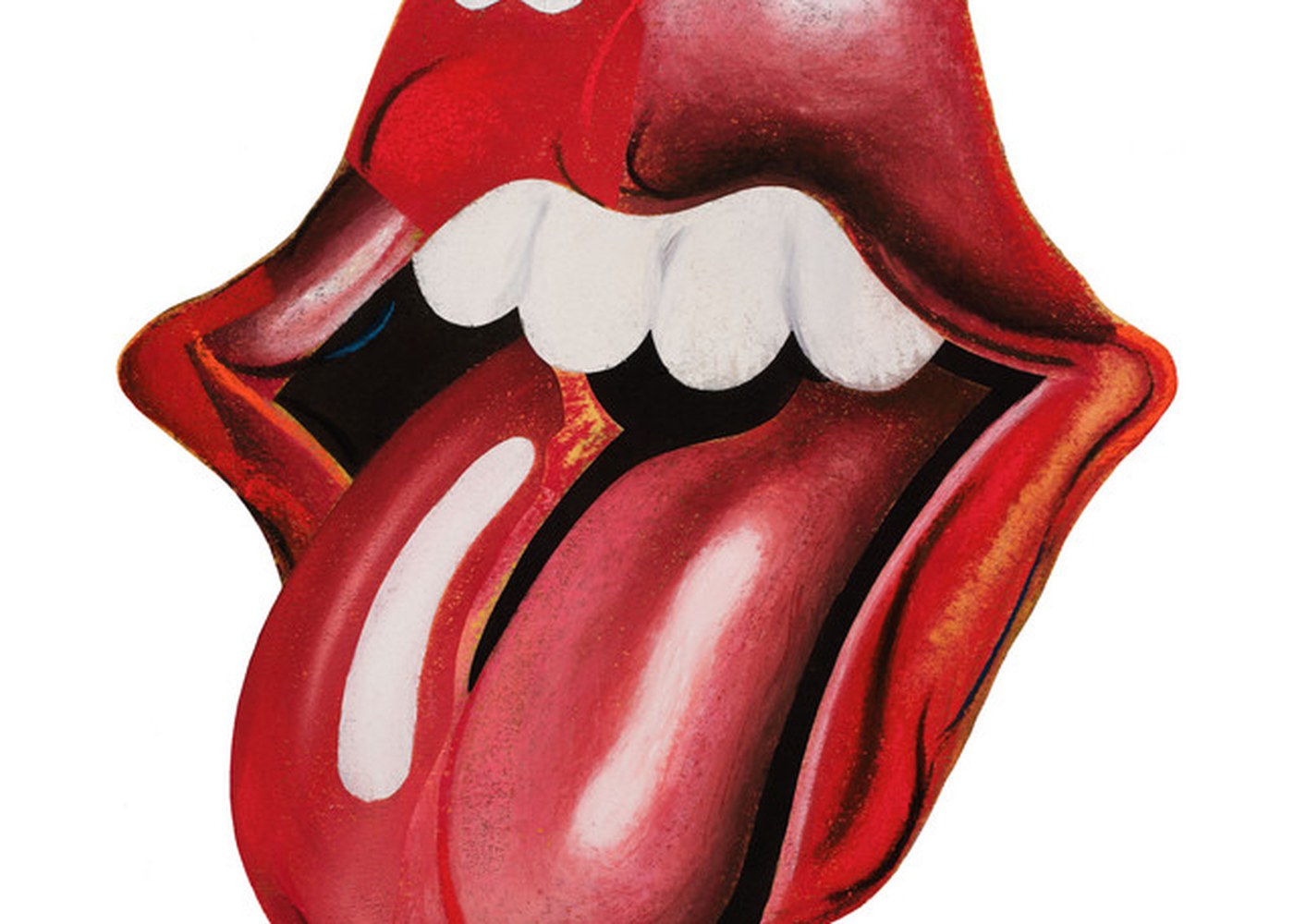
"Time Waster" is a song about two people who gave everything to something they weren't ready for. Basement captures that specific ache of a relationship that wasn't wrong so much as it was premature, where the feeling was real but the people weren't formed enough to hold it. It's tender and a little devastating, and it sticks.

The Rolling Stones photo (7:5) for In The Stars
Scalpel

The Rolling Stones' "In The Stars" Lyrics Explained: Fate, Chaos, and Finding Each Other Anyway

"In The Stars" plants its feet in a world gone sideways and still manages to feel like a love song. The Rolling Stones build a case for destiny not as comfort, but as the only thing that holds when everything else is crumbling. It's romantic and world-weary at the same time, which is pretty much the Stones' whole deal.

Broken Social Scene photo (7:5) for Only The Good I Keep
Scalpel

Broken Social Scene's "Only The Good I Keep" Lyrics Explained: The Art of Selective Memory

"Only The Good I Keep" is a song about surviving a chaotic childhood by choosing what to carry forward. Broken Social Scene stacks vivid, fragmented memories against a refrain that doubles as both a coping mechanism and a quiet act of self-defense. It is tender and guarded at the same time, the way real nostalgia usually is.

glaive photo (7:5) for Yaya Touré
Scalpel

glaive's "Yaya Touré" Lyrics Explained: Success, Disbelief, and Never Looking Back

"Yaya Touré" is glaive processing the gap between where he came from and how far he has gone, while reckoning with a betrayal he can't quite shake. It's a victory lap with a bruise underneath, the kind of song that sounds triumphant until you actually listen to the words. The Cotswolds is a punchline and a philosophy at once, and the jersey reference ties it all together in a way that hits harder than it should.

Lykke Li photo (7:5) for Happy Now
Scalpel

Lykke Li's "Happy Now" Lyrics Explained: Devotion That Destroys You

"Happy Now" is a song about loving someone so completely that it hollows you out. Lykke Li maps the wreckage of an obsessive connection, where the high of being close to someone becomes indistinguishable from addiction, and what you're left asking is whether any of it was worth it for them at all. It's not a breakup song so much as a reckoning.

ear photo (7:5) for Ne Plus Ultra
Scalpel

ear's "Ne Plus Ultra" Lyrics Explained: The Weight of Almost Getting There
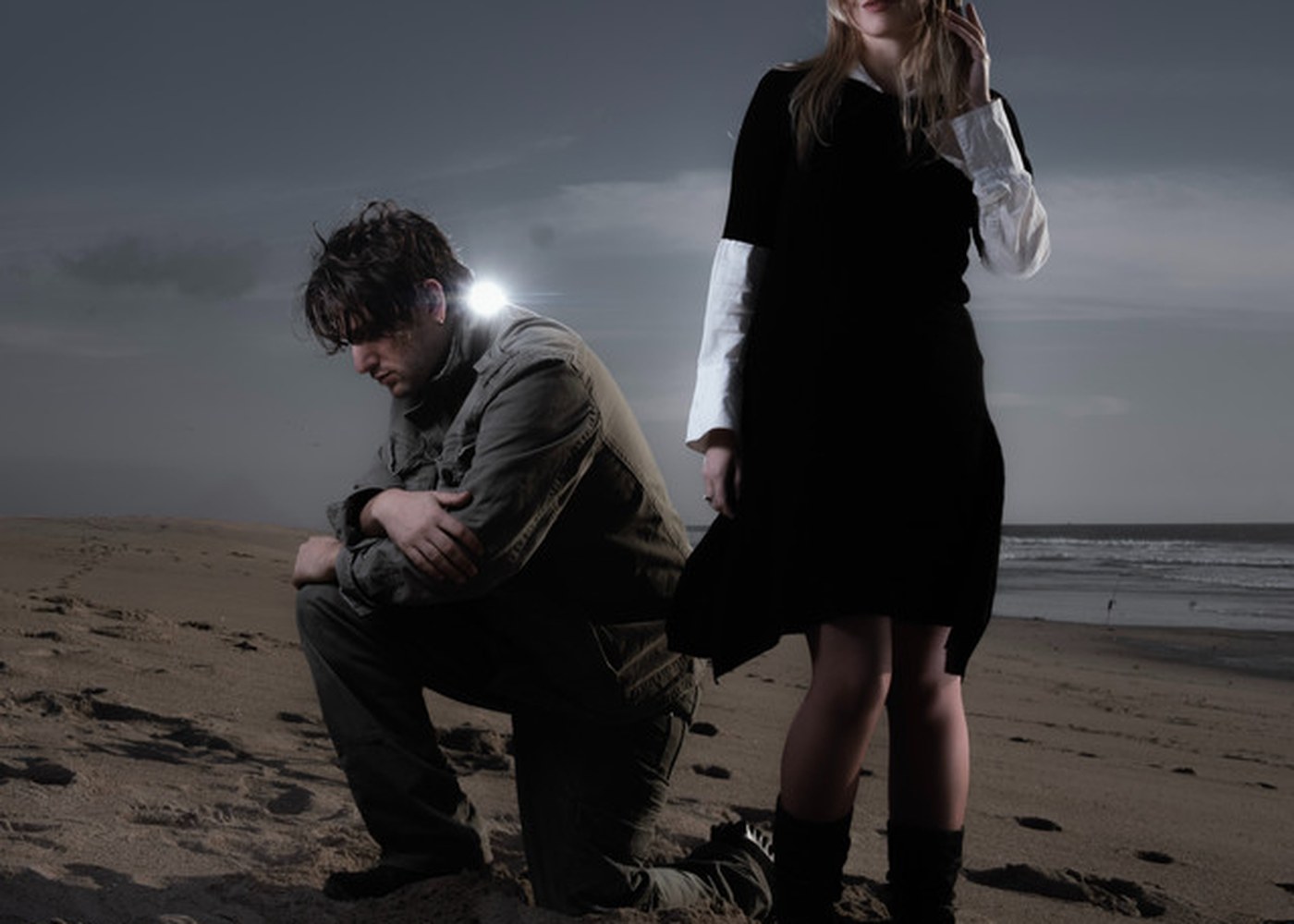
"Ne Plus Ultra" by ear is a quiet reckoning with the gap between where you are and where you thought you'd be. The song holds two voices in orbit around the same unspoken loss, piecing together fragments of a life that never quite added up. It doesn't dramatize the pain. It just sits with it, which is somehow worse.

After photo (7:5) for Promise (When You Go)
Scalpel

After's "Promise (When You Go)" Lyrics Explained: The Ache of Loving Someone Who's Always Leaving

"Promise (When You Go)" captures that specific, exhausting feeling of being emotionally tethered to someone who keeps moving. After builds a portrait of longing that never tips into bitterness, just raw, honest need from someone who knows they're being left behind but can't make themselves let go.

MUNA photo (7:5) for Eastside Girls
Scalpel

MUNA's "Eastside Girls" Lyrics Explained: Choosing Your World Over the World

"Eastside Girls" is MUNA's love letter to a specific kind of life, one rooted in place, community, and the particular electricity of knowing you belong somewhere. It's a breakup song and a seduction song at once, built around the idea that the right city with the right person beats everything else you could chase. Equal parts tender and cocky, it makes belonging feel like the boldest choice you can make.

Charli xcx photo (7:5) for Rock Music
Scalpel

Charli XCX's "Rock Music" Lyrics Explained: When the Dance Floor Dies and Something Wilder Takes Over

"Rock Music" captures the moment a creative pack decides the old way of feeling things isn't enough anymore. Charli XCX turns headbanging into a genuine emotional act, somewhere between desperation and joy. It's a song about needing more from your art, your friends, and yourself, even if that means hurting a little to get there.

Isaiah Rashad photo (7:5) for CAMERAS
Scalpel

Isaiah Rashad's "CAMERAS" Lyrics Explained: Fame, Memory, and the Fear of Being Forgotten

"CAMERAS" finds Isaiah Rashad reckoning with what fame costs when the people who knew you before the lens existed start to feel out of reach. It's a song about visibility and distance, about being watched by the world and still feeling invisible to the ones that matter. Rashad and Dominic Fike trade verses that circle the same wound from different angles, and the chorus keeps reaching back toward something that already slipped away.

American Football photo (7:5) for Man Overboard
Scalpel

American Football's "Man Overboard" Lyrics Explained: The Quiet Devastation of Choosing to Drown

"Man Overboard" is a song about someone who has already accepted their own disappearance, asking only to be released from being waited for or prayed over. American Football wraps a profound sense of self-abandonment in just a handful of lines, and somehow that restraint makes it hit harder. The less they say, the more you feel the weight of it.

American Football photo (7:5) for No Soul to Save
Scalpel

American Football's "No Soul to Save" Lyrics Explained: The Performance of a Person Who Has Given Up

"No Soul to Save" is a quiet demolition of self, dressed up in the language of spectacle. American Football's narrator steps out in front of an imagined crowd, takes a theatrical bow, and then tells you exactly why none of it matters anymore. It's a song about exhaustion so complete that even shame starts to feel like too much effort to carry.

American Football photo (7:5) for Lullabye
Scalpel

American Football's "Lullabye" Lyrics Explained: The Loudest Silence on LP4

Some songs don't need words to say everything. "Lullabye" by American Football is a purely instrumental piece that carries the full emotional weight of a farewell, a memory, or a quiet reckoning, whatever the listener brings to it. It's the kind of track that fills in its own blanks.

American Football photo (7:5) for The One with the Piano
Scalpel

American Football's "The One with the Piano" Lyrics Explained: When Silence Says Everything

Some songs carry their meaning without a single word. "The One with the Piano" by American Football is a purely instrumental piece that speaks through restraint and ache, letting the melody do what language sometimes can't. It's the kind of track that fills in whatever emotional blank you bring to it, which is exactly what makes it so quietly devastating.

Young the Giant photo (7:5) for The Garden
Scalpel

Young the Giant's "The Garden" Lyrics Explained: Finding Peace at the End of the World

"The Garden" is a love song set against collapse, where ruin and devotion exist in the same breath. Young the Giant builds a world where nothing survives except the relationship at its center, and somehow that feels like enough. It's quiet and apocalyptic at once, the kind of song that makes the end of things feel like a beginning.

Young the Giant photo (7:5) for Life Is a Long Goodbye
Scalpel

Young the Giant's "Life Is a Long Goodbye" Lyrics Explained: The Beauty in Not Knowing

Young the Giant sit with one of the oldest human aches: the feeling that everything good is already leaving, even while you're still inside it. "Life Is a Long Goodbye" doesn't try to resolve that ache. It just holds it up to the light and watches it glow.

Young the Giant photo (7:5) for Mona Lisa
Scalpel

Young the Giant's "Mona Lisa" Lyrics Explained: The Girl You Can't Quite Reach

"Mona Lisa" is a song about the particular ache of admiring someone who feels just out of reach, beautiful and present but somehow untouchable. Young the Giant captures that tension with an image of a person who smiles like a painting, radiating warmth without ever fully letting anyone in. It's a love song built around distance, not rejection, and that distinction makes all the difference.

The Black Keys photo (7:5) for Nobody But You Baby
Scalpel

The Black Keys' "Nobody But You Baby" Lyrics Explained: When Love and Fear Are the Same Thing

"Nobody But You Baby" strips devotion down to its most raw, exposed nerve. The Black Keys build a song around one simple truth: when someone has your whole heart, losing them isn't a possibility you can reason through, it's something you feel in your chest before the thought even forms. It's tender and desperate in equal measure, and that tension is exactly the point.

The Black Keys photo (7:5) for Fireman Ring the Bell
Scalpel

The Black Keys' "Fireman Ring the Bell" Lyrics Explained: Longing, Loss, and the Blues at Its Most Raw

"Fireman Ring the Bell" strips everything back to the bone, building a portrait of desperate longing through four standalone verses that each hit like a gut punch. The Black Keys reach back into traditional blues imagery, trains and whiskey rivers and jail cells, to capture a feeling that language alone can't quite hold. It's a song about being separated from someone you love and having nowhere to put that pain.

The Black Keys photo (7:5) for Tell Me You Love Me
Scalpel

The Black Keys' "Tell Me You Love Me" Lyrics Explained: A Love That Needs to Be Said Out Loud

Some love songs describe a feeling. This one demands it back. The Black Keys build something raw and almost desperate out of the simplest possible words, and the repetition is the point. It's about needing reassurance so badly that asking becomes its own kind of devotion.

The Black Keys photo (7:5) for You Got to Lose
Scalpel

The Black Keys' "You Got to Lose" Lyrics Explained: Broke, Alone, and Still Standing

"You Got to Lose" doesn't wallow in defeat. It stares it down. The Black Keys build a spare, bluesy case for why hitting rock bottom isn't the end of the story, even when the reassurances start to crack under their own weight.

The Black Keys photo (7:5) for Tomorrow Night
Scalpel

The Black Keys' "Tomorrow Night" Lyrics Explained: The Promise That Keeps You Moving

"Tomorrow Night" is built around one of the oldest emotional anchors there is: the idea that someone is waiting for you at the end of a long journey. The Black Keys strip the feeling down to almost nothing, and that restraint is exactly what makes it hit. It's a song about the specific kind of peace you feel when reunion is close but not yet here.

The Black Keys photo (7:5) for It's a Dream
Scalpel

The Black Keys' "It's a Dream" Lyrics Explained: Love, Obsession, and the Edge of Breaking

"It's a Dream" sits in that uncomfortable space between wanting someone and being wrecked by them. The Black Keys use the haze of dream logic to map out a love that feels more like a trap, pulling the narrator deeper even as it tears them apart. It's a short song with a long emotional reach, the kind that captures a feeling before you've had time to name it.

The Black Keys photo (7:5) for Who's Been Foolin' You
Scalpel

The Black Keys' "Who's Been Foolin' You" Lyrics Explained: Swagger, Frustration, and Knowing Your Own Mind

"Who's Been Foolin' You" is a short, sharp gut-punch of a song built around one central accusation: someone has talked this person into smallness, and the narrator isn't buying it. The Black Keys wrap real frustration in loose-limbed confidence, making it feel like a breakup song and a rallying cry at the same time. It's deceptively simple, and that's exactly what makes it stick.

The Black Keys photo (7:5) for Stop Arguing Over Me
Scalpel

The Black Keys' "Stop Arguing Over Me" Lyrics Explained: Worn Out and Done Listening

"Stop Arguing Over Me" is the sound of someone who stopped engaging long before they stopped coming home. It's a blues-rooted complaint dressed up as a demand, tracing the slow erosion of a relationship where one person has checked out and the other hasn't noticed yet. The Black Keys keep it blunt, repetitive, and almost uncomfortably honest about how exhausting domestic friction can become.

The Black Keys photo (7:5) for Where There's Smoke, There's Fire
Scalpel

The Black Keys' "Where There's Smoke, There's Fire" Lyrics Explained: Love as a Four-Alarm Emergency

The Black Keys take the oldest metaphor in rock and roll and run it into the ground in the best possible way. "Where There's Smoke, There's Fire" is a full-commitment love song built on a single extended conceit: desire as an out-of-control blaze. It's shameless, loud, and completely self-aware, which is exactly why it works.

Kevin Atwater photo (7:5) for I'm not where you're at
Scalpel

Kevin Atwater's "I'm Not Where You're At" Lyrics Explained: The Gap Between Who You Are and Who Someone Needs You to Be

"I'm Not Where You're At" is a quietly devastating song about loving someone from the wrong side of a distance you can't name. Kevin Atwater writes about pretending to be older, borrowing identities, and watching a relationship slowly outgrow you in real time. It's the feeling of being present physically while already being left behind emotionally, and knowing it before the other person does.

Henrik photo (7:5) for You Shoulda Seen Her
Scalpel

Henrik's "You Shoulda Seen Her" Lyrics Explained: When You Know It's Wrong But Can't Unsee That First Moment

Henrik's "You Shoulda Seen Her" is a song about the particular madness of loving someone whose exit was written from the beginning. It doesn't try to justify the choice or pretend the warnings weren't real. It just holds up that first night like evidence, asking anyone who doubts it to imagine standing there and walking away.

Josephine Illingworth photo (7:5) for Hail
Scalpel

Josephine Illingworth's "Hail" Lyrics Explained: A Blessing for the People Who Kept You Alive

"Hail" is a quiet ceremony, a song that moves through gratitude and grief in the same breath. Josephine Illingworth names the people who built her, held her heart in rhythm, and taught her to stand, then circles back to her mother with a final image that shifts the whole meaning. It's a song about being made by others, and what it costs them.

a Music Magazine based in Los Angeles, CA.

Categories
Reviews
Discover
Features
Scalpel
Earcheck
Latest
Interviews
News
Opinions
Pages
About UsAll ArticlesContact

Copyright ©Medicine Box Magazine