

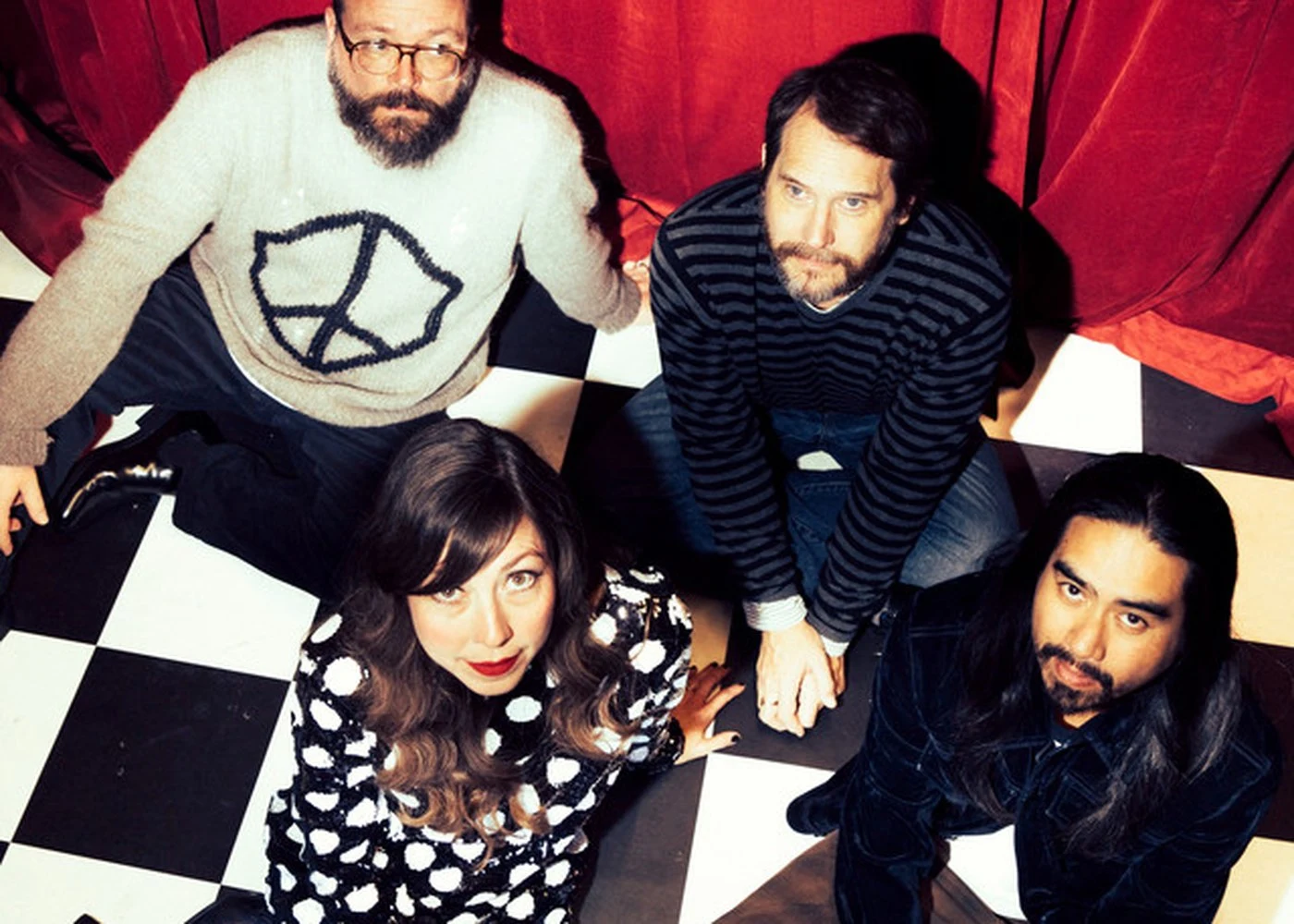
The moment arrives in the second line of "Lazy Eye." The narrator has waited for it all their life, and by the final line they are still waiting for it, as though it never came at all. Both things are true, and the song lives in the strained space between them. "Lazy Eye" is about someone who finally gets close to what they wanted, finds it too exposing, and retreats into a drifting, half-aimed gaze because waiting is the one posture that never requires looking anyone straight in the eye.
A lifetime of waiting, then a flaw
The first complaint is almost polite. After all that anticipation, the narrator offers a shrug of a verdict:
"I've been waiting for this moment all my life / But it's not quite right"
Nothing has visibly gone wrong. There is no betrayal, no missed train, no other person ruining the scene. The narrator simply holds the long-awaited thing up to the light and finds a fault in it, which tells you more about the person holding it than about the thing itself.
Then comes the question readers most want unpacked: "this 'real' / It's impossible, if possible, at whose blind word?" The quotation marks around "real" are the giveaway. Someone else supplied that word, and the narrator is treating it like a borrowed object they never agreed to accept. "Whose blind word" asks who gets to certify this moment as genuine, and answers its own question with a sneer: whoever said it couldn't see. A blind word is speech without sight, an authority declaring something true without having looked.
That doubt has a function. If the reality of the moment rests on a blind authority, the narrator is excused from believing in it, and from acting on it. "So clear, but so unheard" completes the trap. The truth of the situation is obvious, and nobody says it aloud, the narrator least of all.
Sadness on a schedule
The second verse quietly downgrades the stakes. The lifelong moment becomes "this silence," waited for "all night long," which is a much more manageable thing to want. You cannot be disappointed by silence. It shows up the moment everyone stops talking.
Then the narrator says something stranger than they seem to realize:
"It's just a matter of time / To appear sad"
Appear. The sadness has a start time and a costume. The narrator confesses that the melancholy is a pose and moves on without pausing, as if the admission were a weather report. That casualness matters more than the confession itself, because a person who doesn't notice they're performing has been doing it for a long time.
The title image arrives next: "the same ol' decent lazy eye fixed to rest on you." A lazy eye is a misaligned eye, one that drifts off the target while the other stays put. Calling it "decent" is a wonderfully odd choice, as though the defect has good manners and always says thank you. "Same ol'" makes it a habit rather than an accident. And "Aim free, but so untrue" names exactly what the habit buys: a gaze that is free because it never commits, untrue because it never hits what it seems to be aimed at. The narrator gets to look at "you" without the risk of actually being seen looking.
Everyone, prearranged
The song turns when the narrator's attention widens from one person to a whole room. "Everyone's so intimately rearranged," and then, on the repeat, "intimately prearranged." One letter separates those words, and it is the letter that separates closeness from choreography. Rearranged bodies have moved toward each other. Prearranged bodies were placed there. Add "focused clearly with such shine" and the crowd starts to resemble a staged photograph, everyone glossy and composed, everyone hitting their mark.
Against that polished tableau, the narrator's language turns militant: "Locked and loaded." The weapon, of course, is only an eye, and a faulty one. The line that follows shows the gaze changing shape. Earlier the lazy eye was "fixed to rest on you"; now the lazy eyes, plural, are "fixed through your gaze." Resting on someone is contact. Looking through their gaze means passing straight through them, or borrowing their way of seeing instead of your own. The singular eye has multiplied into the crowd's eyes, and the narrator has dissolved into the arrangement they were sneering at.
Which brings us to the most slippery lines in the song:
"I said we relate, it's so fun to relate"
The pronoun climbs from "I relate" to "we relate," which should feel like breakthrough, the isolated narrator finally joining someone. It doesn't. The phrasing is too bright, too much like a slogan, and "so fun" is the language of a party invitation dropped into a song made of doubt. I can't hear it as anything but a smile held a beat too long. Still, a fair listener could take that brightness at face value, as the one honest flash of relief in the song, a person surprised to discover connection is easy after all. The line is cheerful enough to support that reading, and the song never fully closes it off. But coming right after "prearranged" and "locked and loaded," the cheer looks like one more appearance kept up on schedule.
The room, the sun, and the sky
Asked, in effect, what "we" relate to, the narrator answers with three objects. "It's the room, the sun, and the sky" is the plainest phrase in the song, and it arrives right after all that shine and choreography like a hand grabbing a railing. An interior, a light source, an exterior. The list moves outward, from the crowded room to the window to everything above it, and with every noun it gets farther from people.
That is the lazy eye doing what it does. Pressed to name a shared feeling with another person, the gaze drifts off them and settles on scenery. Rooms and skies are safe to relate to. They ask nothing back.
Then the last line, and a hard stop: "I've been waiting for this moment." The phrase "all my life" is gone. The sentence that opened the song as a completed thought now trails off unfinished. Still waiting.
Conclusion
Put this song on driving home alone from a party where you spent the whole night watching one person across the room and said almost nothing, and it makes complete sense. The moment was there. It was even, by somebody's word, real. The narrator met it with doubt, a scheduled sadness, a slogan about relating, and a long look at the sky.
What "Lazy Eye" reveals is that the drifting gaze works less as a wound than as a shelter. Waiting cannot fail, and an eye that never quite lands on anyone can never be caught looking or turned away. The song ends mid-sentence because finishing it would mean the moment had arrived, and the narrator has spent four minutes making sure it never does.
Frequently Asked Questions
What is "Lazy Eye" by Silversun Pickups about?
"Lazy Eye" follows a narrator who finally reaches a moment they waited their whole life for and immediately finds fault with it. Instead of engaging, they doubt it, perform sadness, and keep their gaze drifting, so the song ends with them still waiting.
What does "at whose blind word" mean in "Lazy Eye"?
The narrator puts "real" in quotation marks and asks who decided the moment was real. A "blind word" is a judgment made by someone who couldn't see, so the line dismisses that authority and gives the narrator an excuse not to believe in the moment.
What does "it's the room, the sun, and the sky" mean?
Right after claiming "we relate," the narrator names three plain objects instead of a shared feeling with another person. The list moves outward from an indoor room to the open sky, showing the narrator's attention drifting away from people toward scenery that asks nothing in return.
Lyric analysis powered by Scalpel.

Comments
Loading comments…