

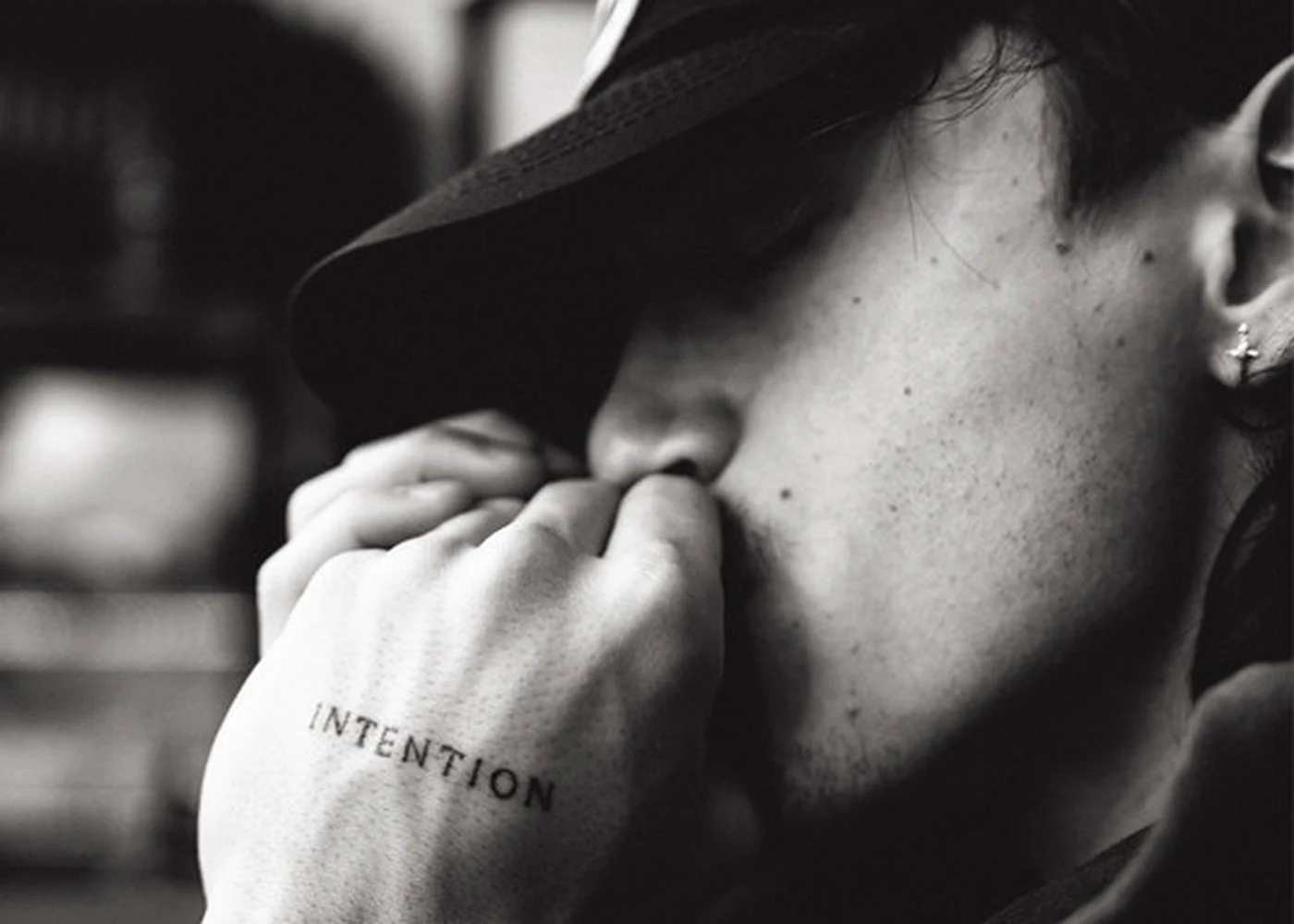
"And when you've seen what I've become." One verb shifts between the first chorus and the second, and suddenly the whole song is running late. "i am not who i was" is about a narrator who left home to chase the road, changed out there, and now asks the people back home to love the new version without conditions. My read: the narrator has already chosen that change, has no plan to undo it, and is asking for a welcome home that costs them nothing.
Verse 1: a soul sold for pocket change
The song opens warm. Road life, crowds, a long time away. Then this:
"I've been living on the road / Made a buck off my soul"
Look at how casual that is. Selling your soul is the oldest bargain in the book, and the narrator describes it like a tip jar. "A buck" is shrug money. There's no grief in the line, no sense that something was lost.
The next detail stings more. The narrator has been "singing stories to the crowd," which means strangers get the stories every night while the person back home gets none of them. Then the narrator imagines staying, settling down, and files that whole life under "maybe in another life," which closes the door gently but firmly and keeps it closed.
The chorus: two questions, one fear
The hook asks the same thing twice in different clothes.
"So if I fly too far / Will I still have a place inside your heart?"
Flying is distance, ambition, and the high of being up there all at once. "Too far" is the honest part. The narrator already senses a limit, a point where the other person's heart might stop holding the room open. The question is less about whether they'll be missed and more about whether there's a ceiling on how much they can leave before it counts as gone.
"Will you love me for who I am, not who I was?"
This is the line everyone carries around. On its face it's tender: please don't hold me to an old version of myself. But notice who has to do the work. The narrator changed. The other person is the one asked to adjust, to let go of someone they loved and accept a replacement. It's a fair thing to want and a heavy thing to ask, especially from a distance.
Verse 2: the anchor is the farthest thing away
The second verse tries to reassure. The other person keeps the narrator "steady on the ground" while their head's in the clouds. Sweet. Also strange, because the person doing the steadying is the one the narrator is farthest from. The anchor is miles away from the boat.
"That spotlight, though it shines bright / Could never drown you out"
The line I keep coming back to is this one, because light can't drown anything out. Light doesn't make noise. The narrator mixes seeing and hearing, as if fame were a roar. And maybe to them it is. The slip gives away how loud the stage has become inside their head, even as they promise it isn't louder than home.
Then the promise. "I told the truth when I said to you / That I'll be back someday." Someday is a truth that's very easy to tell. It has no date, no cost, no way to be broken. The narrator stakes their honesty on a promise built so it can never technically fail, while admitting "I know it's hard when I'm away" and hoping the other person won't "lose faith." Faith is exactly what you need when nobody gives you a calendar.
A fair counterpoint: maybe you hear "someday" as sincere, a promise from someone who genuinely can't know when the road ends. That reading holds up. I just hear it next to "made a buck off my soul" and notice the same easy shrug.
"See" becomes "seen": the verdict has already arrived
In the first chorus, the narrator says "when you see what I've become." The reckoning is still ahead. There's time to prepare, maybe even time to come home and soften it.
In the second chorus it's "when you've seen." Past tense. The other person has already looked. They've already noticed the change, already had their reaction, and the narrator is asking the question anyway, after the answer exists. That one-letter shift turns hope into dread.
And then the setup falls away. The last line is the bare question, repeated with no flying, no heart, no lead-in. Just "Will you love me for who I am, not who I was?" asked twice and left hanging. If you've ever hung up a call home too fast and sat in a parked car feeling like a stranger to your own family, you know exactly how that repetition sounds.
Now hold that ending up against the title. "i am not who i was" is stated flat, lowercase, no question mark. The record states as fact what the song can only ask. The narrator isn't wondering whether they've changed. They know. The only open question is whether anyone back home will sign off on it, and the song never lets us hear the reply.
Conclusion
Go back to that verb. The narrator spends the whole song asking for a place in someone's heart, and by the end the looking is already done. Everything they've done has made the change permanent: the buck, the crowd, the other life parked in "maybe." What's left is a plea for acceptance without a sacrifice to match it. I don't think that makes the song cold. It makes it honest about something most of us do: we change on purpose, then ask the people who knew us before to pretend it was weather. The title already knows the narrator won't be coming back as the same person. The last line just hopes someone will open the door anyway.
Frequently Asked Questions
What is "i am not who i was" by Chance Peña about?
The song follows a narrator who has been living on the road, performing for crowds, and away from home for a long time. They ask someone back home whether there's still room for them and whether that person can love who they've become rather than who they used to be. The title states the change as fact, so the song's real tension is whether that change will be accepted.
What does "if I fly too far, will I still have a place inside your heart" mean?
Flying stands for distance and ambition, the narrator going further out on the road and up toward success. "Too far" admits there may be a limit, a point where being gone starts to cost them their place with the person at home. It's a fear of being outgrown in reverse: leaving so much that love stops waiting.
Why does the chorus change from "when you see" to "when you've seen"?
In the first chorus the other person hasn't looked at the narrator's new self yet, so the judgment is still in the future. In the second chorus it's past tense, meaning they've already seen the change. The narrator keeps asking the question even though the answer has already formed, which is why the final repeated line aches.
Lyric analysis powered by Scalpel.



Comments
Loading comments…