

Introduction
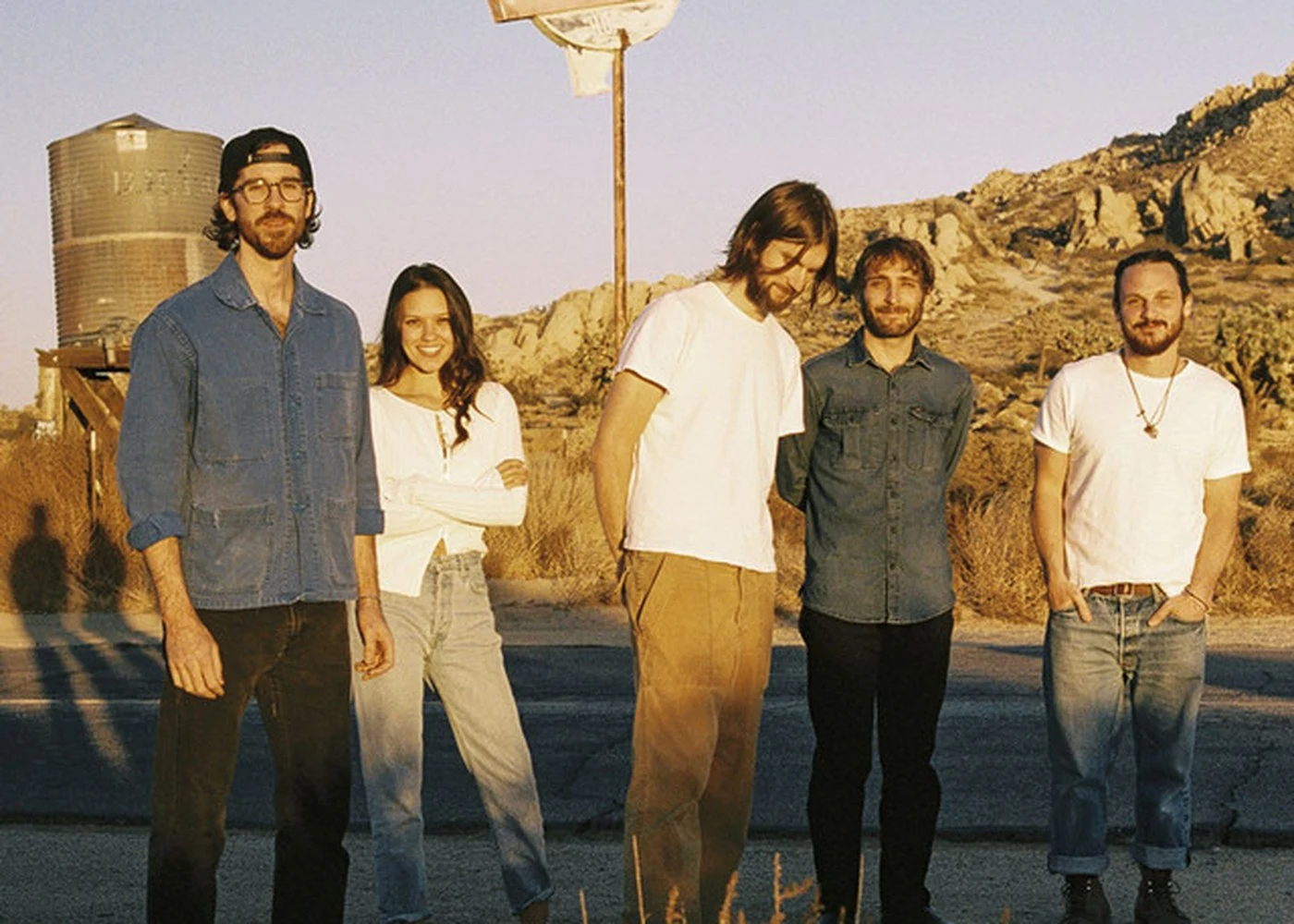
"Dirty Love" reaches the sentence every doomed-romance song is afraid of, then says it three times in a row and sounds lighter each time. "Our love, it isn't what we thought it was" should be the wound, the moment the floor drops out, but the narrator sings it like someone finally setting down a bag they've hauled across too many states. The song is about two people who use getting high, bodies, and a dim hotel lobby to avoid naming what they actually have, and about the strange relief of finally naming it. The catch is that saying it out loud fixes nothing, and the narrator seems to know they'll be back.
Verse 1: overthinking in self-defense
The song opens on a defense that falls apart while it's still being spoken. "I know you think I think too much" carries the half-smile of someone caught, and the very next line proves the charge by drawing a careful distinction: "But I don't know your decent love." The narrator has sorted love into decent and dirty, and admits right away which side they live on.
What they ask for is almost embarrassingly simple.
"Dirty love, all I want are your eyes on mine"
No promises, no future, just two pairs of eyes locked for as long as it lasts. Then the verse drops underneath that wish and finds something darker.
"And underneath of it all / I dream of a thousand shooters"
"Shooters" could be shots of liquor lined up down a bar, or it could be gunmen, and the lyric refuses to choose. I'd take it as both at once: under the craving for eye contact sits a craving for numbness so big it starts to look like danger. One shot is a night out, but a thousand of them, in a dream, starts to resemble a firing squad. Even "Hallelujah's unable to save us," so the one word built for rescue gets benched. Prayer is off the table.
The verse closes on a question aimed squarely at the narrator: "But did I ever want love / Or did I ask too much?" Hold onto that grammar. For now, everything is still about "I."
The chorus argues with itself
The chorus is an invitation and a cover story in the same breath.
"Young dirty love, come get us strung / Let's cover up what we really want"
"Strung" hangs unfinished, strung out or strung up, and either way the plan is to get wrecked together so the wanting gets buried under the buzz. "Let's cover up what we really want" might be the most honest dishonest line in the song, because you can only hide something you already know is there. The narrator isn't confused about the desire. They're proposing a pact to keep it unspoken.
Meanwhile the bodies do the job love is supposed to do: "skin and bones that hold us all like real love." Bodies stripped down to the frame, holding each other up in a convincing imitation.
Then comes the line I keep coming back to: "No, you can't control who you really are, or what you really want." That "No" is the narrator interrupting their own plan. One line ago they wanted to cover it all up, and now they're insisting you can't. The cover-up fails before the chorus is even over.
Verse 2: a ledger kept in blood
The second verse gets specific in a way that tells you everything about where this thing lives. "So, I met you in the hotel, dim little lobby," the narrator says, and the setting matters: a low-lit public room by the front desk, a place for passing through, where nobody unpacks. All that strung-out, skin-and-bones intensity plays out in the least private room in the building.
"I've been on the road since you last saw me" explains the gap, and the gap explains the debt.
"And I don't need a reason / To bleed until we're even"
The song treats love as an account to settle. Being gone means owing, and the narrator pays it back in blood without needing to be asked. Decent love would hand something over freely; this love keeps a tab and expects it squared. Nobody bleeds to get even with someone they trust.
Same cover, one more time
The "did I ask too much" question and the "let's cover up" chorus come back word for word after the lobby. The repeat earns attention only because it's the last time the narrator asks anything about themselves.
The turn: saying the true thing out loud
Everything shifts on one phrase.
"Oh, is it any wonder? Our love / It isn't what we thought it was"
Look at what happened to the grammar. Before this, the narrator kept interrogating themselves, did I want love, did I ask too much. Now the questions about "I" vanish and a flat statement about "our love" takes their place. The cover-up the chorus proposed is over, and the narrator stops asking whether they wanted love because the answer no longer matters.
"Is it any wonder" does a lot with a shrug. Of course it isn't what they thought, given the thousand shooters, the getting strung, the bleeding to stay even, the lobby they never seem to leave. The narrator repeats the line again and again, the way you repeat something until you believe it, and the "Oh, Lord" in the middle brings back the Hallelujah that couldn't save them, this time as a plain exhale. The confession works as relief because it's the first clean thing anyone in this song has said.
A fan could hear the same refrain as pure heartbreak, the dream of real love dying on the spot, and the song gives that reading plenty of room. I still hear more release than grief in it, because nothing in the verses ever sounded like the decent love they're supposedly mourning.
And then the last line, which honestly resists me: "When are we doing this all ourselves?" It might mean when do we do this sober, without the shooters and the strung-out help. It might mean when do we stop needing each other at all. Either way it ends on a question, right after all that hard-won certainty.
The admission settled nothing.
Conclusion
"Dirty Love" spends most of its length hiding and the rest of it confessing, and the confession turns out to be the best part of the relationship. Two people finally agree on what this thing is, and that agreement is more intimacy than the eye contact, the bodies, or the bleeding ever gave them. It's a song for the drive home from someone's place at 2 a.m., when you've said the true thing out loud, felt lighter for it, and already know you're going back next weekend. The return trip just gets honest.
Frequently Asked Questions
What is "Dirty Love" by Mt. Joy about?
"Dirty Love" follows two people in an intense, intoxicated connection who try to cover up what they really want from each other. By the end, the narrator admits their love "isn't what we thought it was," a confession that brings relief but doesn't end the relationship.
What does "I dream of a thousand shooters" mean in "Dirty Love"?
The lyric leaves "shooters" open: they could be shots of liquor or people with guns. Read together, the line points to a craving for numbness so large it becomes threatening, sitting underneath the narrator's simpler wish for eye contact.
What does "It isn't what we thought it was" mean in "Dirty Love"?
It's the narrator finally admitting that the relationship was never the real love they pretended it was. The line is repeated like something said until it's believed, and it replaces the earlier plan to "cover up what we really want" with plain honesty, though the song ends on another unresolved question.
Lyric analysis powered by Scalpel.

Comments
Loading comments…