.png)


"Electronic Eyes" is about wanting real connection while the modern world keeps pulling you out of your own feelings. 158 chars
FU : ILY holds two feelings that should cancel each other out and refuses to let either win. Here's what the song is really doing.
Electronic Eyes is about using romantic longing as a refuge from a world the narrator can't look at cleanly. Here's what the lyrics really say.
"BP Oil Spill 2010" maps total emotional depletion: the narrator isn't leaving, they've already gone. Here's what the lyrics actually say.
"as it turns out" is about muscle memory becoming a confession - the body holding on long after the mind has tried to let go.
nomi.'s "holy" reframes desire as a spiritual act, where wanting someone completely enough becomes its own kind of sacred ground.
"cellophane" by nomi. is about finally seeing someone for exactly nothing they are, and feeling free because of it. 158 chars.
"raindance" by nomi. is about the quiet desperation of manufacturing conditions for love that was already leaving. 158 chars.
nomi.'s "badman" is a breakup song where the narrator walks out fully clear-eyed, naming exactly what the other person refused to see in themselves.
nomi.'s "what u want" is about wanting someone close while keeping the control. Desire and ownership run so close together here, they're almost indistinguishable.
"sweet talk" is about knowing someone wants you before they say a word, and choosing to let the tension build instead of breaking it.
"lao wai" flips the foreigner gaze back on itself, turning a Shanghai flirtation into a game where nobody fully holds the upper hand.
"Bi Bu Shang Ni" is about the person you can't stop measuring everyone else against, and the pride stopping you from just saying so.
"lao shi" turns sexual longing into a lesson plan, and the bilingual switch mid-chorus is where all the wanting finally spills out.
"Saturn's Return" flips the usual coming-of-age script: not knowing what you're doing isn't a flaw to fix, it's the freedom worth protecting.
"Push & Pull" is about mistaking control for connection, where the narrator weaponizes intimacy to feed an ego that knows it's spiraling.
"nan peng you" is about wanting someone back while refusing to admit it, and the gap between those two things is where the whole song lives.
"Jacky" is about a man who disappears into the night and never comes back, and the song's real target is everyone who saw it coming and did nothing.
"Cannonball" is about loving something that wrecks you and knowing it, a devotion so tangled it can't tell rescue from ruin. 156 chars
"No Surprise" is about watching yourself sink and calling it fate. The narrator doesn't miss the warning signs - they've just stopped believing escape is possible.
"Underrated" is about handing yourself over to someone who holds power over you and calling it love. The song never flinches from that.
"Ceiling" follows a man to the edge and asks why no one spoke. Bleech 9:3 argues that emotional numbness and silence are the real killers.
"Figure 8" argues that despair isn't a personal failure but a system designed early, and the loop it creates is the point. 158 chars
Mike D's "Crypto" isn't a takedown of crypto culture. It's a sharper question: what's left of you when the market defines you?
"Here We Are" maps the exact moment a relationship stops but doesn't end. Mike D nails the paralysis of two people too scared to look at what's wrong.
Mike D's "I Don't Care" is about a person so deep in obligation they've started faking relief just to breathe.
"Make It Stop" argues that pain and change are the same force. Mike D frames restlessness not as a problem to fix but as the only real constant.
"Pavement" is about loving someone so completely you offer yourself up as raw material - and calling it a good thing.
Charli XCX opened the Music, Fashion, Film tour in Philadelphia and brought underscores back onstage for “Do It,” on a night that also included the live debut of “Persona.”
"True Colors" argues that what you hide defines you more than what you show, and revelation is always coming whether you're ready or not.
"Switch Up" is about surviving mental scatter by choosing motion over stillness. When focus fails, the only move is to change direction fast.
"Secrets Pt. II" is Mike D sitting with the discomfort of emotional withholding, not as a confession, but as an honest account of how he operates.
Mike D sits with contradiction in 'Secrets Pt. I': genuinely happy, genuinely scarred, and not interested in resolving the gap. Here's what that costs.
"That's Right" is Mike D refusing to argue with anyone who's already made up their mind. The song is about holding your ground when explanation is pointless.
"Make It Stop" argues that numbing the noise isn't avoidance -- it's the only honest first step toward actually changing anything.
Mike D's "What We Got" is a reckoning with regret, silence, and the gap between what we have and what we wanted. 158 chars
twentythree raps about designer flex and staying faded, but the real subject is how drugs are doing the emotional work that everything else can't.
"ALMOST THERE" traps you in a loop where the arrival never comes because the chase is the whole point. twentythree makes that feel like enough.
"I HATE DRUGS" is about the cycle of telling yourself you're done and doing it again anyway. twentythree makes that loop feel inevitable.
"Gimme" builds a love fantasy so complete it collapses into loss. earthsignchels grieves someone gone, offering herself to a person she can no longer reach.
earthsignchels raps like she has nothing to prove and everything to collect. This freestyle is self-possession as spiritual testimony.
earthsignchels doesn't claim victory on "Already Won" - she arrives after it. A sharp breakdown of what the song's confidence really means.
"Daddy Died" argues that losing a father doesn't break you quietly - it strips every social obligation you ever felt down to ash.
"Something Else to Give" maps the full collapse of a one-sided relationship, from dazzled acceptance to hollow self-erasure. The narrator knows the ending and stays anyway.
"Canyons" is about watching someone use the emotional architecture of your relationship to build a new life with someone else. Raw and exact.
"Only Girl" is about the intoxicating loop of desire where being chosen feels like control. Here's what the lyrics actually reveal.
"Nosedive" maps the specific torture of wanting someone who won't commit - and finding out the desire itself is the trap.
"Jaw Song" is about choosing to stay inside pain you can see clearly. The narrator doesn't want rescue. They want to be held down.
"Rewind" traps a man between the country that failed him and the father he's becoming. Regret without escape is the whole song.
"Old Bleached Hair" is about the strange grief of being cut loose from the worst period of your life and not knowing who you are without it.
"Great Kid" is a song about the damage done by approval that never came. Four words, spoken too late, are all the narrator ever needed.
"Shoulder Blades" is about loving someone so completely they become the structure keeping you upright. Here's what the lyrics mean.
"Theresa" is about ending a relationship that isn't broken enough to justify leaving, and how that wrongness - hard to name, impossible to ignore - cuts deeper than a clean betrayal.
"My Fix" maps a relationship where devotion and self-destruction are the same thing. The more the narrator loves, the worse they feel, and they keep asking for more.
"Appalachian Raised" is about the self that never leaves, no matter how far you go. Sinner, saint, and still your mother's kid.
"Gasoline" is about knowing you're destroying yourself and doing it anyway. Self-awareness here isn't the first step to recovery. It's the trap.
"My Heart Breaks II" argues that gender dysphoria is a state of continuous unraveling, not a crisis you survive. Here's what the lyrics mean.
"Seeds" is about the exhausting loop of trying to change yourself from the inside out, and why the fight never quite becomes surrender.
"2 C U" is Swapmeet's ache for a self that flickers in and out of reach, where longing and self-harm coexist inside the same desperate countdown.
"Mount Zero" is about the terror of being present for someone who is already leaving, and the body that has to survive it.
"Sand" by Swapmeet is about the body as a site of loss - the self you can't reclaim once the wrong mark has been made on it.
"Bonny" maps the grief of a self that's been replaced, where closeness becomes loss and the body turns into a machine waiting to be fed.
"Halfway" is about the terror of needing what you can't have back. Swapmeet traces grief, transition, and the violence of desire in under three minutes.
"Ceiling Fan" is about shrinking yourself so completely that someone might finally want you. Swapmeet turns passive longing into a slow act of self-erasure.
"I Know!" is about a body that has never fully belonged to its owner. Swapmeet maps the weight of being perceived over being known.
Apple’s iPhone Duo ad is soundtracked by “Threads” from ear’s album Rumspringa. The duo’s first single was recorded on an iPhone in their college library two years ago.
"Little Little Voice" captures someone gripping themselves together before the reassurance even starts to work.
matt proxy's collab is about surviving people by refusing to let their noise reach you. Here's why that matters.
"Under Control" sounds like a wish but works like a confession. The narrator isn't searching for change - they're watching themselves refuse it.
Sadurn's 'can't stop' is about loving someone who never quite shows up enough, and being unable to stop anyway. One song, no clean ending.
"Holy Water" argues that the divine lives in skin, weight, and the terrifying act of opening one person to another.
"Isabelle Fly" argues that loving someone through their worst moment sometimes means telling them the hardest truth: you have to choose yourself.
"Pair of Dice" argues that surrendering control is the only honest bet you can make when life is already gambling with you.
Natanya's "SHOW ME RIGHT!" lands as a song about finally understanding what you've been missing, and what that costs.
"L+R" isn't about loneliness. It's about the exhausting performance you put on just to stay close to someone who barely notices.
"French kids" captures the ache of wanting to disappear into a feeling that only ever exists just out of reach - less about France than about the longing itself.
"Miami For The Weekend" isn't about a weekend. It's about the moment want overrides will, and the narrator can't pretend otherwise.
The song argues that real peace means accepting a lesser life than you imagined, and finding a way to want it anyway. That's harder than it sounds.
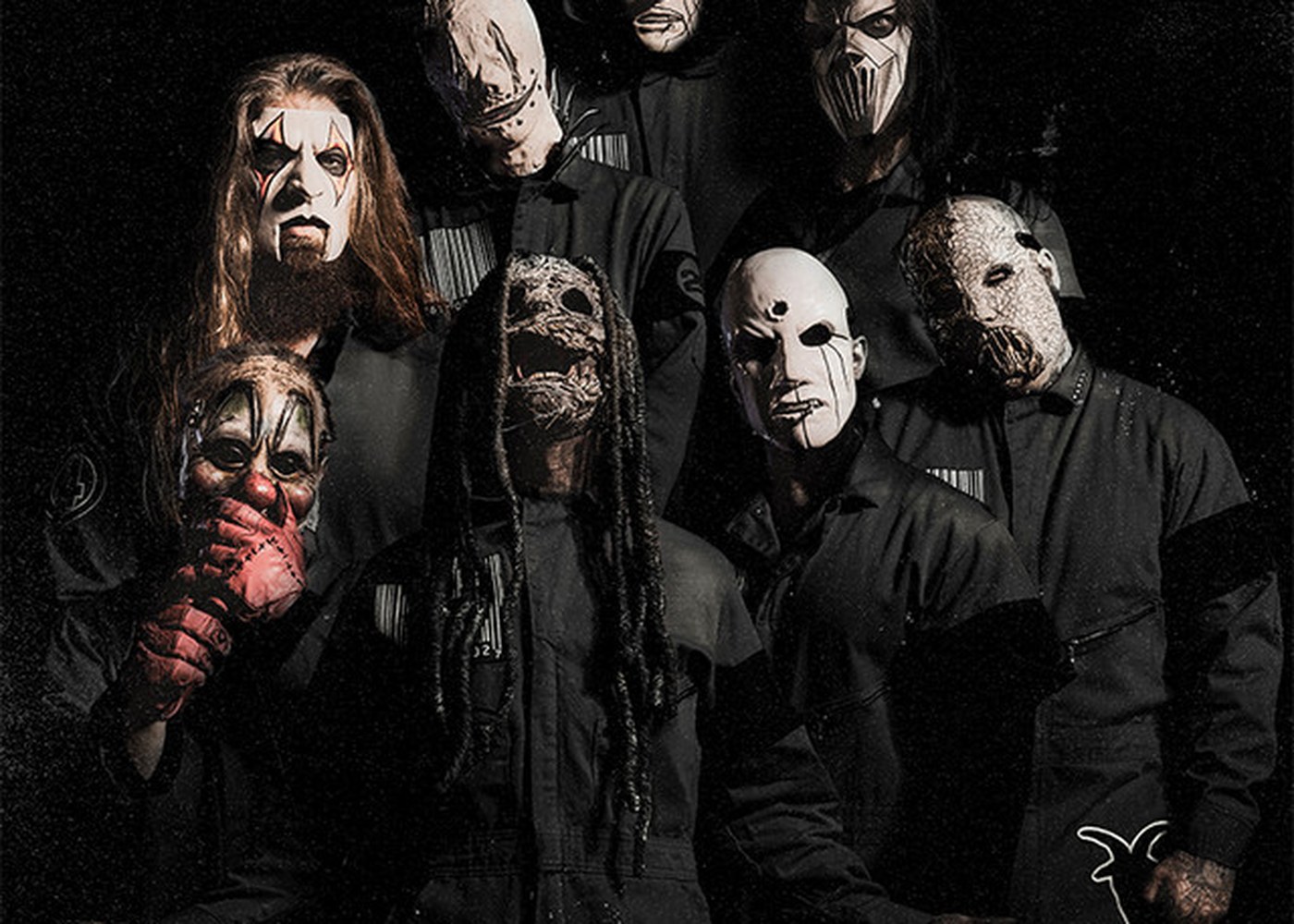
"Arsenal" argues that Slipknot's chaos was never performance - it was proof of survival, and the song dares you to question it.
"Dying In Reverse" argues that real transformation feels indistinguishable from destruction. The song reframes collapse as the only honest path forward.
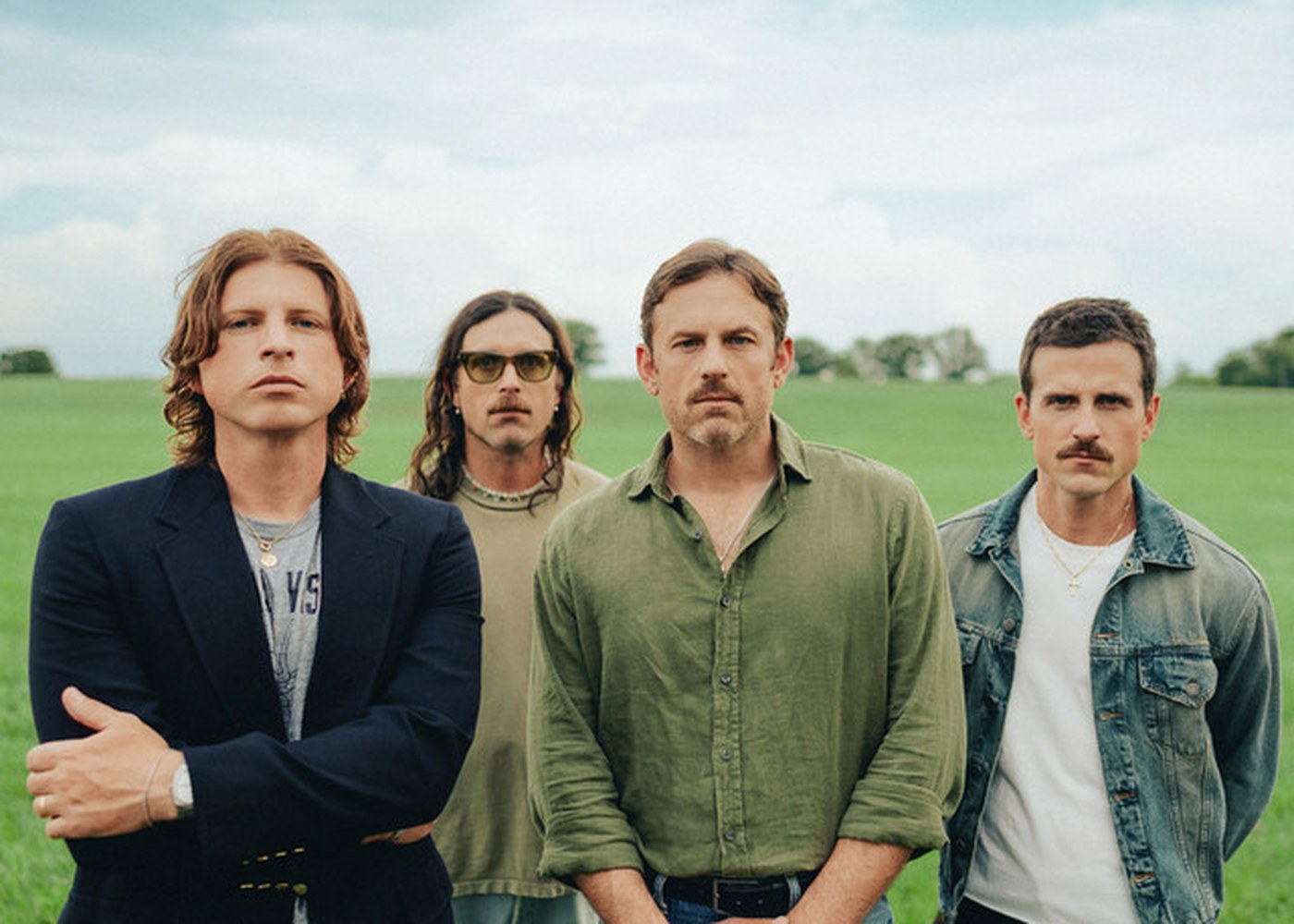
Kings of Leon's "My Whole World" argues that real gratitude requires sitting with loss first. The song earns every ray of sunshine.
Ciarán's "Galvarino" splits in two to show how failure and surrender share the same wound, just wearing different clothes.
June McDoom weaponizes one bureaucratic question to expose how officials erase Black death before it's even counted. The system is working as designed.
"Keep You" maps the geometry of a love triangle where the narrator holds all the feeling and none of the claim. Here's what it costs.
"Who's That" treats depression not as a crisis but as a permanent roommate the narrator has learned to introduce without drama.
Bleachers' 'Caught Myself Believing' argues that belief survives you even when choice fails. A raw look at collapse and grace.
"When In Rome" lets summer romance feel both weightless and obsessive, and the bridge is where the sweetness turns feral.
Lucy Dacus's closer argues that leaving someone doesn't end them. The real horror is being haunted by a person still out there, living fine.
"Mourning" argues that refusing to accept a loss isn't weakness - it's the one mechanism keeping the narrator alive. Here's why that matters.
This Is Lorelei's tender lullaby is an act of total self-surrender, and the narrator gives until there's nothing left to name.
This Is Lorelei's tender ballad isn't about a long-distance relationship. It's a grief song that hides its hand until the third verse.
"The Kid With the Crown" is a song about holding someone accountable to who they are when they've decided to be done with themselves.
The song traps you in a loop of unanswerable grief, using one repeated question to map out everything stagnation actually costs.
"Nitro" is a purely instrumental track, and that restraint is the whole point. Here's what the absence of lyrics actually says.
The song is a portrait of someone impossible to hold, and the ask at its center makes that refusal hit harder than any goodbye could.
"Sailing" starts as an offer of total service and ends as a cry from the floor. The devotion never wavers. That's the problem.
"Watching Heaven Fall" looks like a rambling story about strangers and omens. It's actually a song about choosing not to listen until it's too late.
"Billy Came Back" argues that real artistic magnetism isn't talent or luck - it's love inside the voice, and you feel its absence until it returns.
"Oh No Now My" holds a person accountable while refusing to let them go. It's the rarest kind of love song: one where the ultimatum and the tenderness arrive together.
This Is Lorelei's song argues that choosing to stay, flawed and fully aware of it, takes more courage than any clean goodbye. Here's why.
.gif)


a Music Magazine based in Los Angeles, CA.