


Introduction
A call nobody expected
There's something specific about getting a call from someone you used to know well, where the conversation is easy but you can't stop wondering why they actually picked up the phone. That's the exact tension "Taste Back" lives in. Harry Styles isn't bitter, isn't desperate, but he's paying very close attention.
The whole song is built around one question that never fully gets answered: did you reach out because you actually wanted me, or because something in your life went numb and I was the first name you thought of?
Verse 1
Familiar, but not quite
The opener is careful. "Not quite 'here we go again'" is a deliberate refusal to be cynical, but only just. The narrator knows this pattern, knows what it means when this person calls them baby, and calls it a consequence right away.
"Always been a consequence when you call me baby"
That word consequence is doing real work. It's not a complaint, but it's not innocent either. There's a whole history compressed into it. The white wine, the high school friends, the pastries, these aren't random details. They're the exact texture of someone's comfortable life, and they suggest the caller is back in a familiar setting, slipping into old habits, which includes calling this person.
There's more going on in Styles' writing than the pop framing suggests. This analysis gets into what most people miss!
Chorus
The question lands hard
Paris arrives and it reframes everything. It's lonely out there, the narrator guesses, and if you're talking like this, that loneliness is probably the real reason for the call. The line "it was tough with the time, but you called me back" acknowledges that there was distance, that something kept them apart, and that the call itself is significant.
"Did you get your taste back? Or do you just need a little love?"
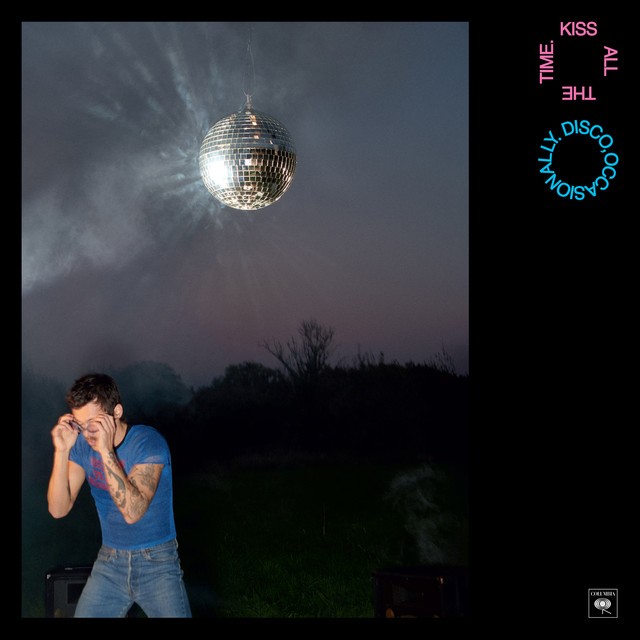
This is the song's whole argument, stated plainly. "Taste back" almost certainly references a loss of sensation, whether literal or emotional, the kind of flatness that follows a hard period in someone's life. The narrator is asking whether this reconnection is genuine recovery or whether they're just being used as a remedy. And importantly, the narrator isn't angry about either possibility. They're just honest about wanting to know which one it is.
Verse 2
Warmth mixed with suspicion
The second verse softens and sharpens at the same time. "Talk in tongues, no common sense, like two old friends" captures how natural it feels, how easy the conversation flows even after all this time. But then the questions start stacking.
"Where'd you find the confidence to call me baby?"
That line isn't hostile, but it is pointed. The narrator notices the shift, the familiarity the other person has reclaimed, and wants to know what's driving it. The repeated "it's all you" in the background shifts the accountability back. You chose this. You started again. You're handling it, or claiming to. The phrase "handling it like a European" is almost fond, a little wry, the kind of observation you only make about someone you know well enough to see their coping mechanisms clearly.
Bridge
The question collapses into itself
The bridge strips the song down to almost nothing. "Did you? Did you?" repeated over and over, with "it's all you" underneath, feels less like a breakdown and more like the narrator's internal loop. They keep starting the question and not finishing it because every version of it leads back to the same unresolved place. The song can't answer what it's asking, and that's the point.
There's more going on in Styles' writing than the pop framing suggests. This analysis gets into what most people miss!
Conclusion
Care without a clean answer
What makes "Taste Back" sting is that the narrator clearly still cares. "You know that you can tell me, I can take that" is an open door, not a shutdown. They're not protecting themselves by closing off. They're staying available, which is both generous and a little heartbreaking depending on what the answer turns out to be. The song ends without one. The chorus keeps asking the same question on repeat because the caller never really gave a straight answer, and maybe they don't even know it themselves. Harry Styles leaves the song exactly there, in that space where kindness and self-awareness sit right next to each other, wondering if love is being offered or just borrowed.
There's more going on in Styles' writing than the pop framing suggests. This analysis gets into what most people miss!




Comments
Loading comments…