


Introduction
Restraint as the whole point
There's a specific kind of pain that comes from knowing exactly how to hurt someone back. You know their soft spots. You know what would land. And you just... don't do it. Not because you're a saint, but because somewhere deep down you know it won't actually fix anything. That's the emotional territory "Glass Houses" lives in. Saint Harison isn't writing a breakup song about sadness or longing. This is a song about the battle between the urge for revenge and the quiet, hard-won wisdom that it's not worth it. The whole track builds toward one central question: if you could burn someone down, and they probably deserve it, what does it cost you to choose not to?
Verse 1
Protecting someone who hurt you
The song opens with a confession that immediately complicates everything. The narrator admits they've been softening the truth, telling people the relationship just faded when something messier clearly happened.
"I ain't no liar / But I said that we just grew apart"
That first line does something clever. It establishes the narrator as self-aware, someone who values honesty, which makes the admission that follows sting more. They know they're protecting this person. They're just not sure why.
"Don't know why I protect you / Like old memories in a box"
That image of keeping something boxed up is doing a lot of work. It's not love exactly. It's more like the instinct to preserve something even after it's stopped being good for you. The narrator hasn't processed this fully yet. They're still acting on emotional muscle memory, covering for someone who probably didn't cover for them. That unresolved tension is what makes the chorus feel earned.
Chorus
Stones you can't unsend
The chorus is where the song plants its flag. The "glass houses" metaphor is centuries old, but Saint Harison makes it feel fresh by grounding it in something visceral and personal rather than just philosophical.
"We all live in glass houses, don't we? / And I been hurtin' lately"
The "don't we" is key. It's not accusatory. It's almost an invitation, a way of saying everyone is fragile here, including me. The narrator isn't claiming moral high ground. They're acknowledging shared vulnerability while still sitting with very real anger.
"Throwin' stones that I can't take / And I could really hurt you baby / But hurtin' you won't make me okay"
That last line is the thesis of the entire song. It's one of those statements that sounds simple until you really sit with it. Hurting someone as payback doesn't heal you. It just adds to the damage. The narrator knows this. They're not naive. But knowing something and feeling it are two different things, and the rest of the song is about living in that gap.
Verse 2
Grief written on the body
The second verse takes a sharp turn into something more physical and immediate. Where the first verse was about memory and confusion, this one is about what the pain actually looks like on the narrator's skin.
"Blood on my fingers / On all my bracelets and rings"
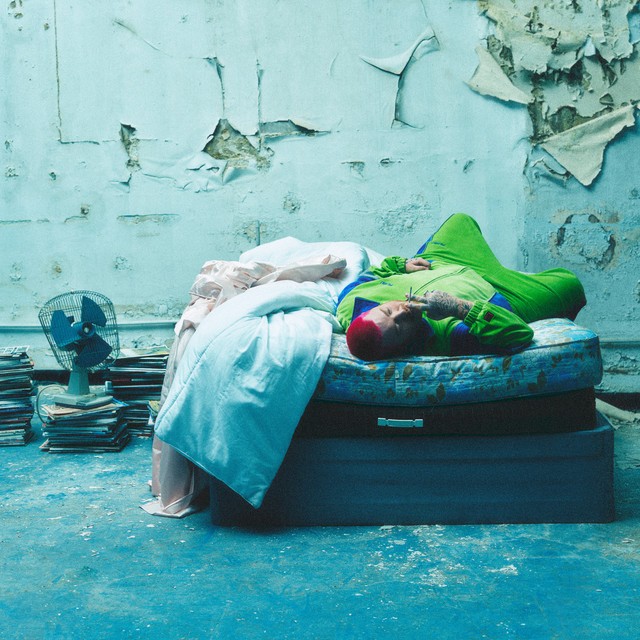
This is striking imagery. Whether it's literal or metaphorical, it communicates something the first verse couldn't: this hurt has a weight to it, a texture. It's not abstract. It's the kind of pain you carry on your body, tangled up in the everyday things you wear.
"My only reminder / Why, me and you ain't nothin' more than friends"
The word "only" here is quiet but devastating. The pain is the reminder. The grief is the proof. The narrator has landed somewhere more definitive than the first verse suggested. They're not confused about the ending anymore. They're just still bleeding from it. And yet the chorus that follows repeats the same restraint, holding back even now. That discipline in the face of ongoing pain is what gives the song its spine.
Bridge
Letting exhaustion be wisdom
The bridge strips everything back and gets almost spiritual. After two rounds of holding the same tension, the narrator shifts toward something that feels less like a decision and more like a surrender to what they already know.
"Sometimes the sun goes down / On a love that's fought too long"
There's no bitterness in this line. Just recognition. Some things end not because of a single dramatic moment but because both people kept fighting past the point where anything good was left. The narrator isn't blaming anyone here. They're just naming what happened.
"Gotta find inner peace / That's what I do believe"
It's a simple statement, almost uncomfortably plain. But that plainness is intentional. After all the complexity of verse one and two, the narrator arrives at something clean. This isn't resignation. It's a choice. And it sets up the final chorus, which hits entirely differently because of it.
Chorus (Final)
The full weight of choosing mercy
The last chorus is where the song becomes something more than a breakup ballad. It expands into a full inventory of what the narrator could do, laid out in detail, before pulling back one final time.
"I could really hurt you baby / Make all the same mistakes that you've been makin'"
This is no longer abstract. The narrator is listing specific options. Mirror their betrayal back at them. Do the things that drove them crazy. Move the way they moved when they hurt you. It's almost tactical, which makes the restraint that follows even more powerful.
"And even though I could hurt you babe / Hurtin' you won't make it okay"
The shift from "make me okay" earlier to "make it okay" here is small but significant. By the end, this isn't just about the narrator's healing. It's about the situation as a whole. Hurting someone back doesn't fix anything. Not for you, not for them, not for what was broken between you. The narrator has moved from personal grief to something closer to clarity.
Conclusion
"Glass Houses" asks something most breakup songs don't bother with: what do you do with power you have the right to use but shouldn't? Saint Harison walks through the full emotional cycle, the denial, the physical grief, the temptation, the exhaustion, and lands somewhere that feels genuinely hard-won. This isn't a song about being the bigger person in some self-congratulatory way. It's about recognizing that revenge is just another form of staying trapped. The line "hurtin' you won't make me okay" doesn't feel like wisdom at first. It feels like a loss. But by the time the final chorus arrives, you understand that letting go of the stone is the only move that actually sets you free. That's the real payoff. Not justice. Peace.


Comments
Loading comments…