

Introduction
Loss wearing everyday clothes
There's a particular kind of loss that doesn't arrive with a crash. It just shows up one morning and you realize something has been quietly leaving for a while. "Singing Saw" lives entirely in that feeling. Sam Beam isn't writing about a single devastating event. The song is about the creeping awareness that something essential has shifted, and you can't quite name what it was or when it went. What makes it so striking is the way it refuses to be tragic about this. The verses spiral inward with confusion and weight, and then the chorus cracks open into something almost peaceful. That tension between grief and acceptance is what the whole song is built on, and it's worth sitting with closely.
Verse 1
Weight you can't locate
The song opens mid-thought, like we've caught the narrator in the middle of a conversation they're having with themselves. There's no setup, no context. Just the immediate sensation of something being off.
"Something's missing, though, I know / That I'm still looking at the only place it ever used to be"
That's such a precise description of grief or confusion. You keep returning to the spot where the thing was. You know it's gone. You look anyway. Then Beam layers on something heavier, a sense that the weight the narrator used to carry without trouble has become genuinely difficult.
"Something I was always counted on to carry fairly easily"
That phrase "counted on" does a lot of work. This isn't just a personal struggle, it's about identity, about the role the narrator played for others. Whatever they're losing isn't just internal. It's something other people depended on. The whole verse has this quality of circling without landing, every line beginning with "something" as if the narrator can feel the shape of what's wrong but can't name it directly. That vagueness is deliberate and it's devastating.
Verse 1 Continued
Belief going quiet on you
The second half of the first verse pushes deeper into the disorientation. Now it's not just that something is missing or heavy, the things the narrator has always trusted are starting to speak a different language.
"Something I've believed forever's talking to me / In a way today that I don't understand"
That's a genuinely unsettling image. Your own convictions becoming foreign to you. Whatever anchor the narrator used to rely on, whether it's faith, identity, a relationship, a sense of purpose, it's still there, still speaking, but the signal has changed. And then there's this beautiful physical image to close the verse out.
"Something's flying right behind me / Something else has started falling from the palm of my hand"
Two things happening at once: something just out of sight gaining on you, and something slipping away from your grip. The narrator isn't standing still in this loss. They're in motion, being chased by something they can't see and losing something they can't hold. By the time the pre-chorus arrives, the emotional pressure has been building steadily. We need air.
Pre-Chorus
Time doesn't recognize you
Just two lines, but they land like a pause in the middle of a panic attack.
"Days walk by like / They don't know who you are"
Time is personified here, and it's indifferent. Not cruel, just indifferent. The days keep moving and they're not even clocking the narrator's existence. There's something both lonely and strangely freeing about that image. The world isn't against you. It just keeps going. You're the one who feels out of step. It sets up the chorus perfectly because after all that weight and confusion, something unexpected happens.
Chorus
Broken things, soft light
This is where the song pivots, and it's the move that makes "Singing Saw" so memorable. After two verses of mounting dread and disorientation, the chorus doesn't deliver despair. It delivers something stranger and more honest.
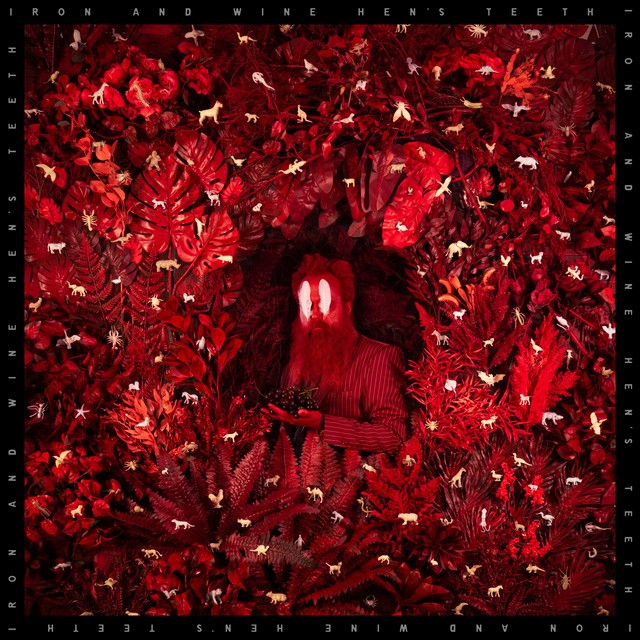
"My flat tire won't roll away / My broken window's full of light anyway"
The flat tire won't roll away. The problem isn't solved. The window is broken. But light is still coming through. Beam isn't saying everything is fine. He's saying that damage and beauty can occupy the same space. Then there's the line that gives the song its title.
"My runaway dog has a new singing saw"
A singing saw is a real instrument, a hand saw played with a bow, and its sound is eerie and haunting and beautiful. So the dog ran away, yes. But now it has something strange and wonderful. The loss produced something unexpected. The image is almost absurdist but it carries real emotional logic. Things leave, and sometimes what they find out there is better than what you could have given them. The chorus ends with wordless "la la la" repetition, and that refusal to resolve into language feels intentional. Some things don't have words. Sometimes you just sing.
Verse 2
Time and the cost of giving
The second verse shifts the angle slightly. Where the first verse was about weight and belief, this one is about time and generosity, specifically the kind of generosity that costs you something you didn't realize you couldn't afford.
"Something's different about the time it takes / To do whatever I've been told that I should try to do"
Things that used to come naturally now take longer, cost more. There's a tiredness here that feels earned. And then the line that might be the emotional center of the whole song.
"Something tells me I gave away too much / Of something I probably ought to hold on to"
That's the confession the whole song has been circling. Whatever has been lost wasn't stolen. It was given. Freely, maybe even willingly, but still gone. And the narrator is only now realizing the cost. There's no anger in it. No accusation. Just the quiet recognition of a transaction that maybe didn't have to happen, or maybe had to happen exactly the way it did. The verse closes the loop on the first set of mysteries by offering this: the something that was missing might have been handed away with both hands.
Pre-Chorus (Reprise)
Direction lost, not just identity
The pre-chorus returns with a small but significant change.
"Days walk by like / They don't know where to go"
The first time, the days didn't know who the narrator was. Now they don't know where to go either. The disorientation has expanded outward. It's not just the narrator who is lost anymore. Even time itself seems adrift. It deepens the feeling without tipping into melodrama, and it makes the return of the chorus feel less like relief and more like acceptance.
Chorus (Reprise)
Same wreckage, same light
The chorus comes back unchanged, and that's the point. The flat tire is still flat. The window is still broken. The dog is still gone. Nothing has been fixed. But the narrator is still standing there, noting that the light is coming through anyway, that the runaway found something beautiful. The repetition isn't resignation. It's insistence. This is still true. It was true before and it's still true now. The "la la la" at the end isn't a cop-out. After everything the song has moved through, it's the only honest response left.
Conclusion
Grace without resolution
"Singing Saw" asks a question in its opening seconds: what do you do when something essential slips away and you can't even name what it was? Over the course of the song, it doesn't answer that question cleanly because there is no clean answer. What it does instead is show you how to stay standing in the middle of it. The flat tire and the broken window and the runaway dog aren't symbols of defeat. They're proof that things can be broken and still hold light, still find music, still carry meaning. What Beam lands on isn't hope exactly, it's something quieter and more durable than hope. It's the recognition that loss and grace aren't opposites. Sometimes the dog runs away. Sometimes it comes back singing.


Comments
Loading comments…