

Exhaustion as honesty
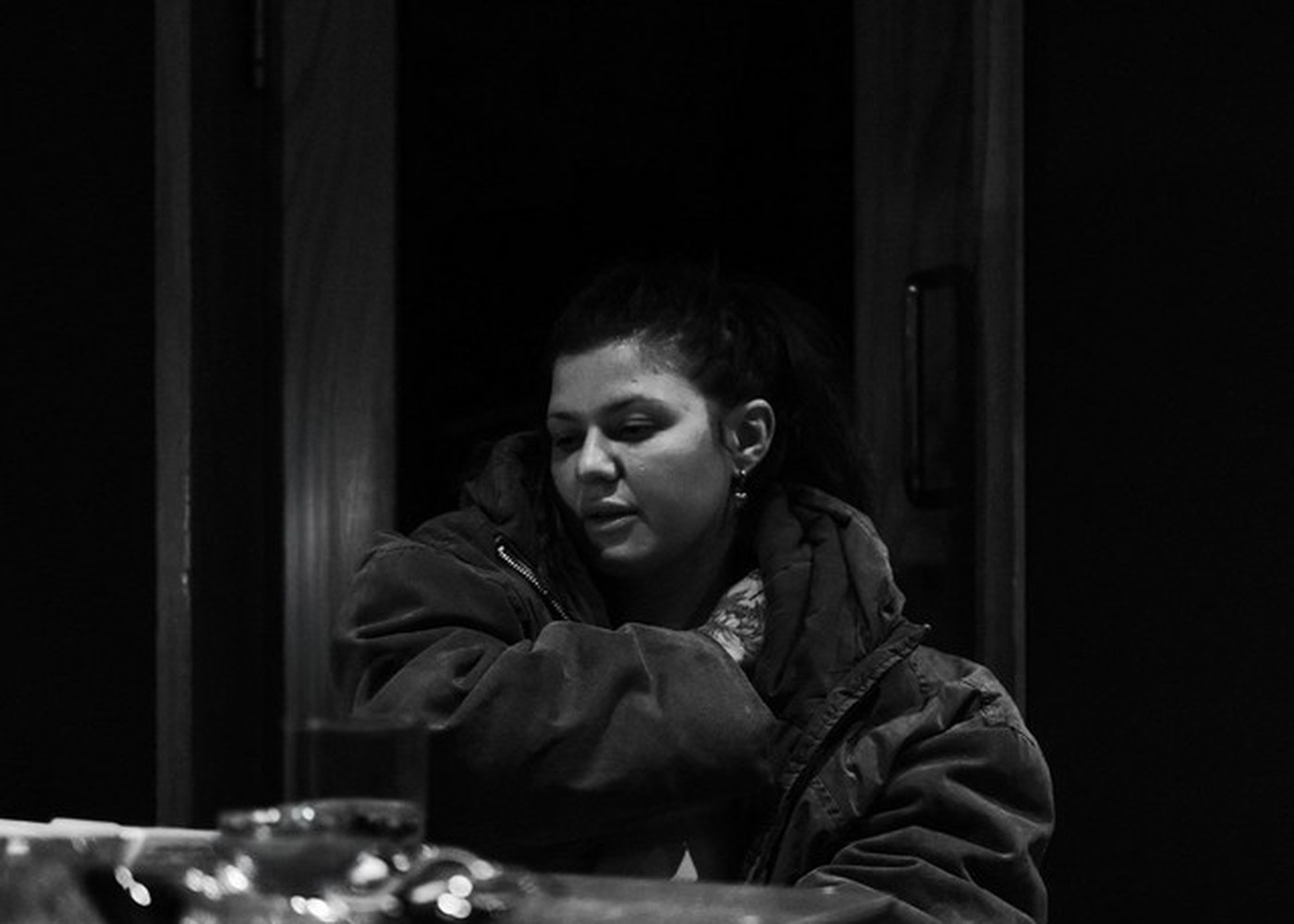
The song opens mid-feeling, not mid-story. Yebba is done being agreeable, done being diplomatic, and the only thing she can do about it is slip outside with a cigarette. There's no dramatic inciting incident. Just the particular kind of tiredness that makes performance feel physically impossible.
What "West Memphis" is really about is the cost of carrying a version of yourself that doesn't match where you came from, and the quiet ache of a place that never got to tell its own story. Yebba ties those two things together and never fully separates them again.
Verse 1: faith as reflex, exhaustion as truth
Politeness pushed past its limit
The opening line is a gut punch dressed in Sunday clothes.
"God is good all the time, yeah, all the time God is good / When I'm fucking tired of being polite and overall misunderstood"
That juxtaposition is the whole tension of the song in two lines. The affirmation that good Christian households repeat like a reflex, set directly against a profanity and a confession of exhaustion. It's not blasphemy. It's honesty breaking through the script.
Slipping outside, cigarette in teeth, half-expecting to get caught, only to find a neighbor with her cup of tea. Nobody's watching that closely. The world keeps moving. That small detail makes the moment feel true rather than cinematic.
Yebba puts more into a single line than most artists put into a whole song... there's a detailed analysis here that unpacks how she does it.
What you buried about where you came from
The unclaimed self
The neighbor's question lands harder than small talk should.
"What's realer than the part of you that you don't even claim?"
That's the core question the rest of the song orbits. The parts of yourself you've quietly put away, maybe because where you come from is complicated, maybe because other people's ideas of that place don't leave room for nuance. West Memphis isn't just a location here. It's shorthand for everything overlooked, misrepresented, or sold a version of comfort that never actually comforts.
"Whatever shit they sell you next don't ever ease the pain" is as plain as language gets. No metaphor needed. The relief never arrives.
Chorus: no external fix reaches what runs that deep
The well that survives everything
Yebba strips away every external fix one by one.
"It ain't the booze, it ain't the bars / It ain't the trip on out to Mars"
The list keeps escalating, from familiar numbing to full-on escape fantasy, and none of it reaches what she's talking about. What she lands on is a well dug deep inside, which is not a comforting image. A well that deep means the source is untouchable by surface-level solutions. It also means it's real, and it's yours, no matter how far you run from it.
"I ain't got a horse out in the race, but we're foes from that place" is quietly striking. She's not claiming insider authority. She's claiming shared origin. There's solidarity in that, but there's also grief, because what they share is tragedy that "that country ain't accustomed" to naming out loud.
Verse 2: poverty understood only in hindsight
Childhood assembled from shortage
The second verse zooms into what that place actually looked like from the inside.
"Formula from the corner store, I had no idea they'd grew up poor"
That line carries real guilt. The realization, arriving late, that people around you were surviving on less than you understood. Power out by four. Granny anchoring everything to faith because faith was one of the few things that cost nothing. These aren't details meant to evoke pity. They're specifics that make the place real instead of symbolic.
"You'll hear the second settle every score" is how the verse closes out, and it sits heavy. It's the kind of thing you say to a child when the present is hard and the future needs to mean something. It's comfort, but it's also deferral. Everything important happens later, elsewhere, in another reckoning.
Bridge: packaging identity until the gospel gets useful again
The machinery of co-option
The bridge is the song's most direct accusation.
"They'll dress you up, sell you out and cut you down / And play their good old goddamn games until the gospel comes around"
The post-chorus whisper of "don't you let them dress you" finally gets its explanation here. Dressing you means packaging you, making you palatable, extracting value from your identity while leaving the actual place and its people behind. The gospel arriving at the end of that cycle is almost sardonic. It's the cultural reset, the moment authenticity gets invoked again right when it's useful again.
It's a short bridge but it reframes everything before it. The booze, the bars, the quick fixes aren't just personal escapes. They're also what gets sold to communities like West Memphis instead of anything real.
Chorus (Final)
Truth that follows you anyway
The final chorus shifts the address slightly.
"You can wear the hats and hit the gas / And wonder where you'll end up next / You're a lucky one, the truth will follow you"
"Lucky" is complicated here. Lucky that you can't actually escape the truth about where you come from. Lucky that it pursues you. That's not a comfortable kind of luck. But Yebba means it. The people who get to stay numb, who never feel the pull back toward something true, they don't come out ahead. The ones haunted by the unclaimed parts of themselves still have something to return to.
Outro: remembering yourself has never stopped costing
No one counts the cost
The outro doesn't resolve anything. It just names what the whole song has been circling.
"No one knows the cost it takes to remember yourself as long as this goes"
Remembering yourself sounds like it should be easy. Natural, even. But Yebba insists it's costly. It takes sustained effort over a long time, against forces that want to dress you, sell you, and repackage your origins into something more marketable. The word "cost" repeating at the very end, stripped of everything else, makes it feel like an invoice you never stop paying.
Stubborn and unromanticized, the place holds its ground
"West Memphis" starts as one person sneaking outside for a cigarette and ends as something much larger. The exhaustion in the opening lines turns out to be the exhaustion of maintaining a self that fits neatly, of suppressing the parts that come from somewhere complicated and under-told. Yebba never romanticizes West Memphis or flattens it. She holds it as both a real place with real hardship and a stand-in for every part of a person that gets quietly set aside to make them easier to deal with. The song's final argument is simple and stubborn: remembering yourself is work, it never stops, and almost nobody acknowledges what it costs you.
Yebba puts more into a single line than most artists put into a whole song... there's a detailed analysis here that unpacks how she does it.


Comments
Loading comments…