


Introduction
Wrong room, right music
There's something immediately off about where this song drops you. Not hostile, not dangerous, just slightly misaligned. No water, no familiar faces, and yet the music is so good you stay anyway. That's the emotional setup Harry Styles is working with here, and it's more interesting than it sounds.
"Dance No More" is built around a simple but genuinely strange idea: that music can hold you in place even when everything else in the room gives you a reason to leave. And once you hear that, the whole song starts to feel like it's about something bigger than a party.
Verse
Staying when you shouldn't
The verse opens with the narrator already aware they're somewhere they don't belong.
"I don't think we should be here, I see no water or friends / But the music keeps hitting me like a ten out of ten"
That's a perfect snapshot of a specific kind of denial. You clock that the situation is off, you say it out loud, and then you let the beat override your better judgment. The rationalization is almost funny in how honest it is.
The second half of the verse shifts into something more socially loaded. Someone is talking at the narrator, unloading, expecting to be heard, and the narrator is half-checked out.
"You can come over here to tell me again and again / What you think"
The back-and-forth of "got something to say" playing against "no, I don't think" reads like two people having completely different conversations. One is venting, one is already somewhere else in their head. The song isn't judging either of them. It's just watching.
There's more going on in Styles' writing than the pop framing suggests. This analysis gets into what most people miss!
Pre-Chorus
Stop thinking, start moving
The pre-chorus is the song's most direct instruction, and it comes at exactly the right moment.
"Move it side to side with your hands up high / Keep your customer satisfied and live your life"
"Keep your customer satisfied" is a weird phrase to drop in here, and that's the point. It frames living your life as a kind of performance, something you put on for others. But the line doesn't dwell on that. It shrugs and tells you to do it anyway. There's something both liberating and a little hollow in that advice, which is the exact emotional register the song is operating in.
Chorus
The dancefloor as sanctuary
The chorus is where the song makes its real argument.
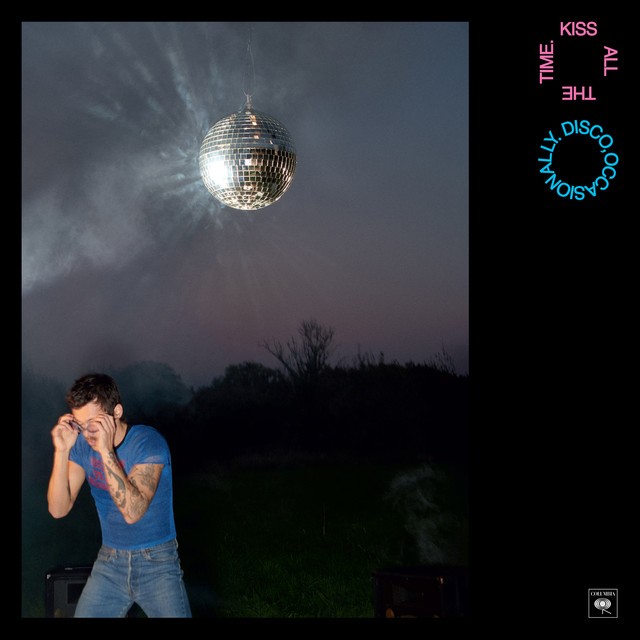
"It's feeling like the music has been Heaven sent / And that there's no difference in between the tears and the sweat"
That last line is the best thing in the song. It doesn't say the dancing makes you forget your pain. It says the pain and the release have merged into the same physical experience. You can't tell what's grief and what's joy anymore, and on a good dancefloor, maybe you don't need to.
The phrase "DJs don't dance no more" is framed as something "they said," a complaint, a cultural observation, a small accusation. Against that, the narrator throws back "we wanna dance with all our friends" like a counter-argument. The chorus isn't mourning the death of something. It's refusing to accept it.
Bridge
Something wilder underneath
The bridge is the song's strangest moment and also its most interesting.
"Get your feet wet / Teach them all to respect their mother"
The instruction to "get your feet wet" lands as a push toward participation, toward committing to the experience rather than watching from the edge. But "respect your mother" drops in something older and more grounding. It sounds like inherited wisdom, the kind of thing that gets passed down at kitchen tables, not dancefloors. Placed here, it gives the song unexpected roots.
"Be a good girl, go get it, Fox" is oblique enough that it reads more like a private in-joke or a moment of directed energy than a lyric that needs unpacking. It adds texture without demanding explanation, which keeps the bridge feeling alive rather than overwrought.
Outro
The instruction that stays
The outro strips everything back to just two lines.
"You gotta get your feet wet / Respect, respect your mother"
Letting those specific words be the last thing you hear repositions the whole song slightly. What started as a dancefloor dispatch ends on something that feels like a mantra about participation and reverence. It doesn't resolve the tension the song built. It just reminds you that showing up, getting in it, and honoring something bigger than yourself is the whole point.
Conclusion
Permission to feel both things
The question the song opens with is whether music is enough reason to stay somewhere that doesn't feel quite right. By the end, the answer is yes, but not because the song is naive about it. The tears and the sweat are the same thing. The joy and the grief share a body. "Dance No More" isn't about escaping something hard. It's about finding that dancing through it is the most honest response available.
There's more going on in Styles' writing than the pop framing suggests. This analysis gets into what most people miss!




Comments
Loading comments…