


Introduction
Fame without self, noticed but invisible
There's a particular kind of loneliness that only happens when you're extremely visible. Not invisibility, but something worse: being seen constantly, and none of it landing anywhere near the truth of who you are. That's where "Paint By Numbers" lives.
Styles sets up a tension immediately between the gift of attention and the hollow feeling it produces. The song argues that public image is something imposed on a person, not built by them, and that living inside that image long enough starts to cost you something real.
Verse 1
Gratitude with a catch
The opening line sounds like appreciation before it undercuts itself in the same breath.
"Oh, what a gift it is to be noticed / But it's nothin' to do with me"
That pivot is everything. The narrator isn't ungrateful, they're just honest. Being noticed at the scale Styles operates at has almost no relationship to the actual person. The attention attaches to a version, a surface, a silhouette. The real question underneath it is whether there's anything left to believe in once you clock that gap.
There's more going on in Styles' writing than the pop framing suggests. This analysis gets into what most people miss!
Chorus
Following the outline, watching it blur
"Paint by numbers" is a perfect metaphor for a life shaped by external expectations. You're handed the structure, the colors, the approved outline, and the work is just staying inside the lines.
"It's a lifetime of learnin' to paint by numbers / And watchin' the colours run"
But colors run. They bleed past the edges no matter how careful you are. The image never comes out clean, and you spend your whole life trying to make it look like the picture on the box. There's exhaustion in that, and a kind of futility that the chorus doesn't try to resolve. It just sits with it.
Verse 2
The image becomes the prison
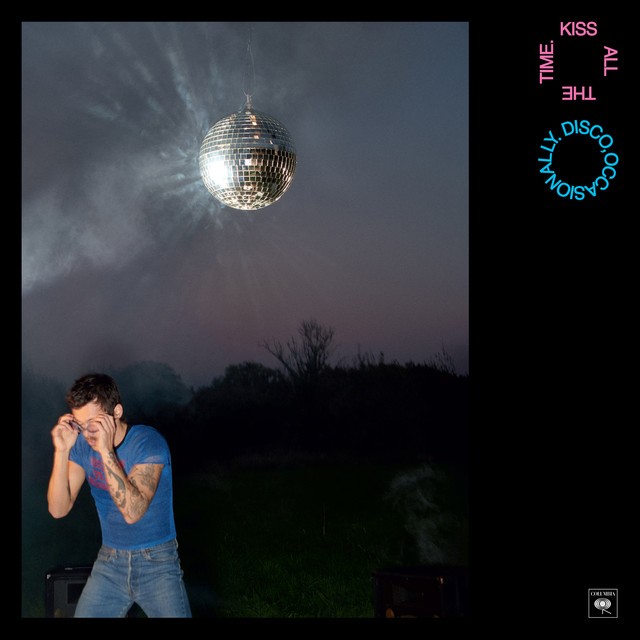
This is where the song gets specific and a little uncomfortable. Verse 2 zooms in on what it actually feels like to have a manufactured image installed in your head by an industry, a fanbase, a cultural moment.
"When they put an image in your head, and now you're stuck with it"
The irony line cuts sharp. Being called the luckiest while simultaneously holding the emotional weight of millions of strangers who've built parasocial worlds around you is not a straightforward blessing. The "American children whose hearts you break" line is specific and self-aware in a way that could come across as self-pitying but doesn't, because Styles frames it as a real burden rather than a complaint.
Then there's the detail about being "not even thirty-three." It reads like a private moment of resistance, someone pushing back against expectations of wisdom, stability, or arrival that come with a certain kind of fame. The follow-up about self-compassion and living within your means isn't a life hack. It sounds like something someone tells themselves when the alternative is collapse.
Bridge
Innocence as contrast, chaos as default
The bridge shifts the lens briefly outward, to kids with water guns, running without the weight of any image at all.
"Kids with water guns, watch them run"
It mirrors the chorus structure but trades the painting metaphor for something freer and more physical. The "one or the other" framing suggests a false binary the narrator keeps getting pressed into, public or private, grateful or honest, icon or person. Children don't have that problem yet. They just run. The contrast is gentle but it stings a little.
Conclusion
The lines never really hold
"Paint By Numbers" doesn't offer a way out of the trap it describes. The chorus comes back unchanged at the end, which feels intentional. You learn, you try to stay in the lines, the colors run anyway. The image keeps slipping. And the song's quiet power is in accepting that without self-destruction or performance. Styles isn't raging against fame here. He's just being honest that living inside someone else's outline of you is its own kind of labor, one that doesn't stop just because you're grateful for it.
There's more going on in Styles' writing than the pop framing suggests. This analysis gets into what most people miss!


Comments
Loading comments…