


Introduction
Tired, not heartbroken
Most songs about bad relationships are loud. They beg, they accuse, they cry. "Borrowed Time" does something harder. It speaks from the part of you that has already processed the grief and landed somewhere colder: recognition without resolution. Sam Barber isn't falling apart here. The narrator knows exactly who they're dealing with. That's what makes it sting.
The song's core tension is the gap between what the narrator wants to say and what they know is true. Every line that sounds like confrontation gets immediately undercut by a reality check. That push-pull structure isn't a writing trick. It's the whole emotional argument.
Verse 1
The weight of knowing
The song opens on a body that's already tired. Achy hands, waking up, the dull grind of morning. From the first line, there's no romance here, just wear. The narrator frames the relationship as time that was never really theirs to spend.
"This ain't a one-way frozen street, we're on borrowed time"
That line rejects the idea that one person is solely to blame. It's not pointing fingers. It's acknowledging that both of them have been living on credit, emotionally speaking, and the bill is coming due. The final image of the verse, an old white blank washboard sitting in the shadows, suggests something worn down and faded, something that used to have a purpose but now just sits there as a reminder of what's been scrubbed away.
Chorus
Confrontation with an asterisk
Here's where the song's structure becomes its argument. Every bold statement the narrator makes is immediately walked back, not out of weakness, but out of honesty.
"Before you leave, take your disease / Then again, I'm aware that you tend to come and go as you please"
The narrator wants to draw a clean line, wants the ending to feel definitive. But they already know it won't be. The second half of each couplet isn't self-doubt. It's self-awareness. The narrator has watched this person operate long enough to know that telling them to leave is almost meaningless, because they'll be back when it suits them.
"Before you go, just know you're wrong / Then again, I'm aware that you tend to fake what you know"
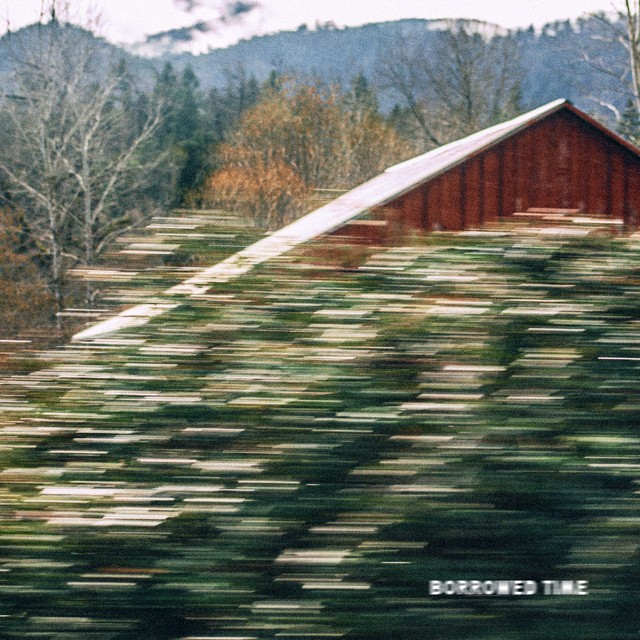
Even the act of calling someone out loses its power when you know they'll just perform understanding without actually having it. The chorus doesn't build to catharsis. It levels out into something more deflating: the realization that the confrontation you rehearsed won't land the way you hoped.
Verse 2
Detachment as the only defense
The second verse shifts the narrator's posture. They're no longer just tired. They're actively pulling back, refusing to absorb what this person puts out.
"Sail in the winds, I won't catch your debris"
That's a deliberate choice of image. Debris. Not feelings, not history, not love. What this person leaves behind is wreckage, and the narrator is done collecting it. The fall metaphor that follows is sharp because fall doesn't announce itself. It just arrives, quietly and inevitably, the way bad patterns in relationships do.
Then comes the line that reframes everything that came before it:
"You think this hurts me, dude, I'm so far from losing sleep"
The word "dude" does a lot here. It's casual, almost dismissive, and it signals that the narrator has emotionally checked out enough to stop performing pain. This isn't bravado. It's the specific exhaustion of someone who has already done their grieving, probably long before this moment.
Conclusion
The cost of seeing clearly
"Borrowed Time" doesn't end with a door slamming. It ends the same way it begins, with the narrator fully aware, fully tired, and fully stuck in the loop they've already diagnosed. The borrowed time of the title isn't just about the relationship running out. It's about how long the narrator has been spending emotional energy on someone they already know isn't worth it.
What Barber captures so precisely is the particular loneliness of being the person in the room who sees everything clearly and still can't make it stop. That's not weakness. That's the most human kind of trap there is.



Comments
Loading comments…