


Introduction
Progress is a lie we tell
Most songs about human nature at least pretend there's hope somewhere at the end. This one doesn't bother. "Look How Far..." opens with the narrator half-animal, half-nostalgic, already suspicious of the whole project of civilization, and it never backs down from that position.
The real argument here isn't just that people are stupid. It's that we dress up regression as achievement, brag about bloodlines we've betrayed, and get shaped by forces we didn't choose, then act like the result is personal greatness. Modest Mouse runs that idea through two short verses and a chorus that hits like a door slamming shut.
Verse 1
Nostalgia dressed as heritage
The song opens in a strange, almost mythic past. Sleeping in branches, slithering in grass. The narrator isn't romanticizing this exactly, but there's something honest in admitting the pull of it.
"I can't believe how long I've wanted to be livin' in the past"
That line does something important. It doesn't frame the desire as shameful. It just names it plainly, which makes it more unsettling than any grand condemnation would.
Then the verse pivots hard. Someone nearby is bragging about descending from kings and tsars, trading on ancient glory as proof of their own worth. Brock's response is merciless.
"Why don't you build a time machine and show em' you've fallen just so far?"
That word "fallen" is doing exactly what it should. Not just distance traveled, but distance dropped. The ancestors wouldn't be proud. They'd be horrified.
Chorus
The verdict, delivered twice
The chorus isn't subtle and it isn't trying to be. "Look how far we haven't come" is the whole thesis compressed into six words, and the shift from "I" to "we" is the most important move in the song. The narrator isn't exempt. Nobody is.
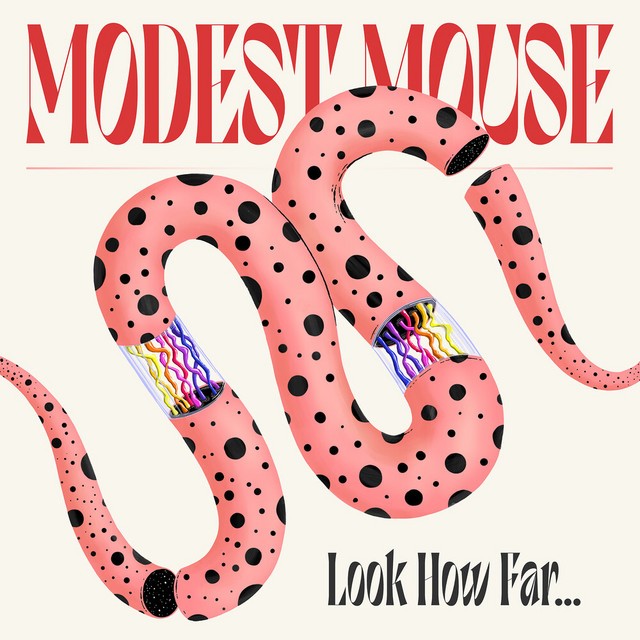
"Oh my God, we're so fucking dumb"
The profanity keeps it from sounding like philosophy. This isn't a lecture. It's someone genuinely exasperated, almost laughing at the absurdity. The repetition of the chorus lands harder the second time because by then, the verse has already proven the point.
Verse 2
Shaped by someone else's hands
The second verse drops the social commentary and gets personal in a way that reframes everything that came before it. The narrator becomes an object, something pulled from the earth and carved into a shape that wasn't their own.
"They pulled me out, then they chiseled me into someone else's bust"
A bust is a monument to someone else's ego. You get quarried, refined, sculpted, and the finished product is a tribute to power that had nothing to do with you. It's a bleak image of socialization, identity formation, institutional shaping, whatever you want to call it. The point is the same: you didn't make yourself, and what you were made into isn't flattering.
This verse also quietly answers the bragging from verse one. That person claiming royal heritage? They're also just a bust. Carved out of raw material by history, circumstance, and ego, then displayed as if the shape they ended up in was their own achievement.
Conclusion
No resolution, just recognition
"Look How Far..." doesn't offer a way out. The chorus comes back unchanged after the second verse because nothing has changed. That's the point. The narrator has mapped the problem from two angles, personal longing and external shaping, and arrived at the same place both times.
What makes the song land isn't the anger. It's the inclusivity of the "we." Brock isn't standing above anyone. The dumbness is shared, the stagnation is collective, and the self-awareness doesn't make it better. Knowing you're a bust doesn't make you less of one.


Comments
Loading comments…