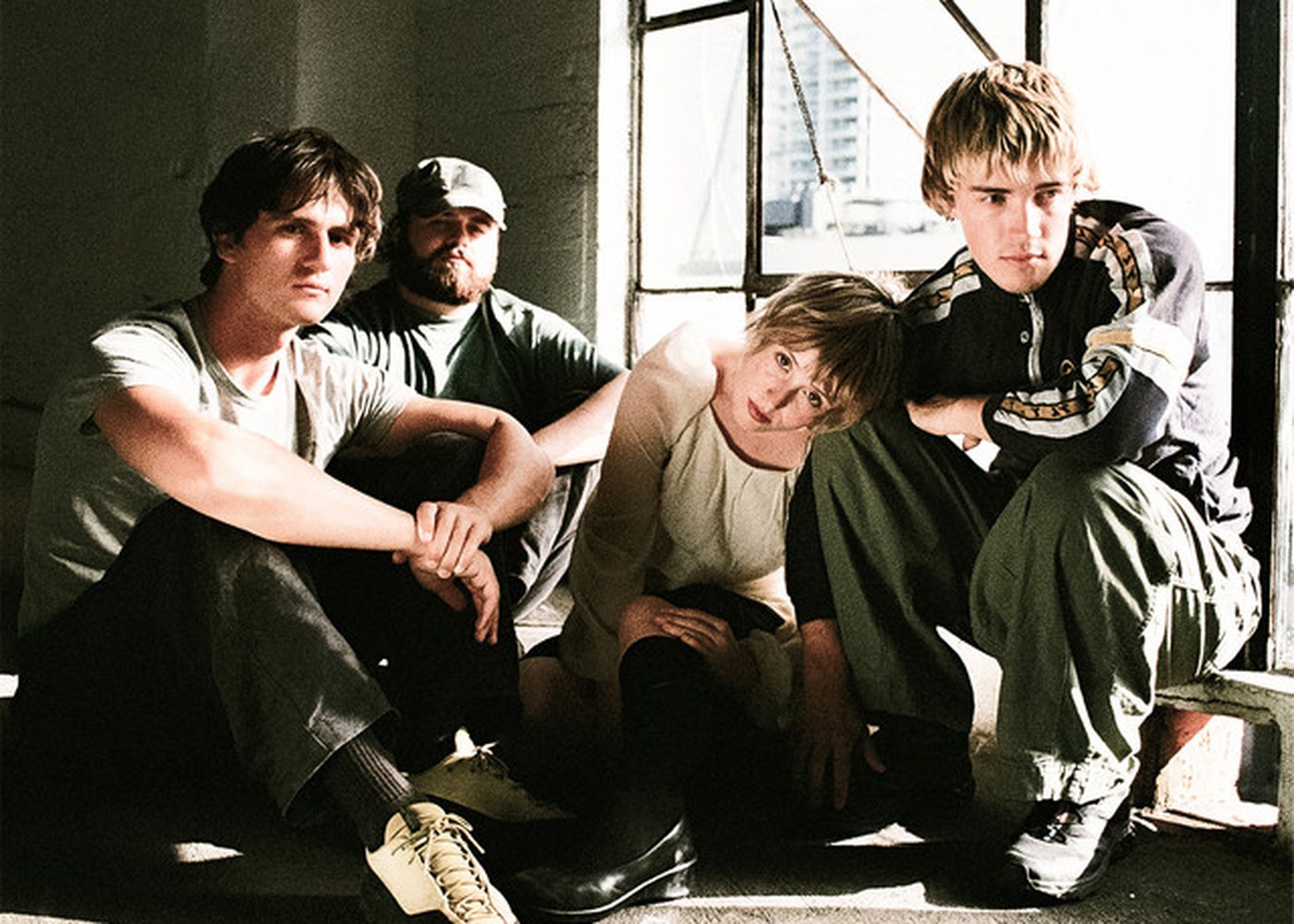
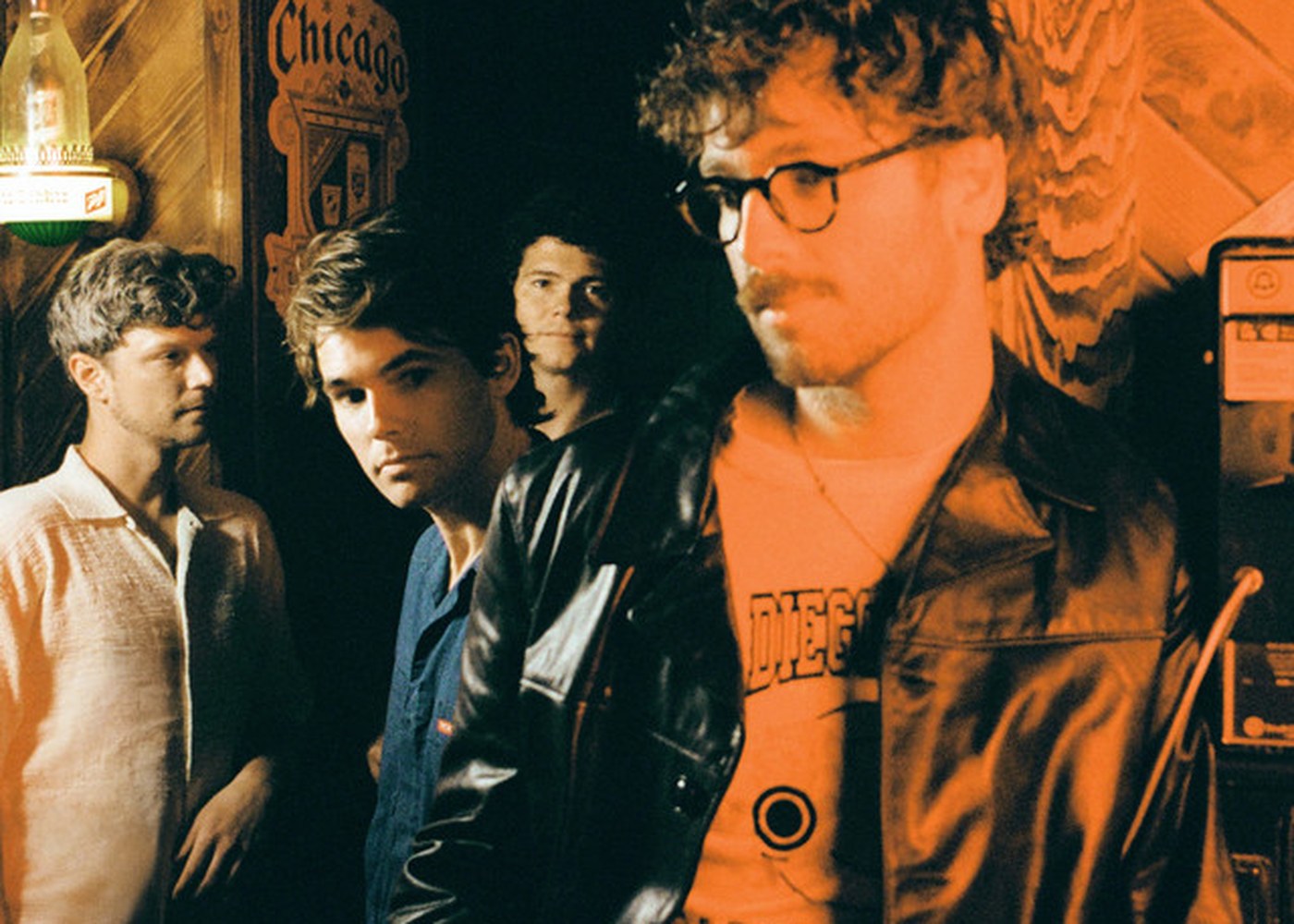
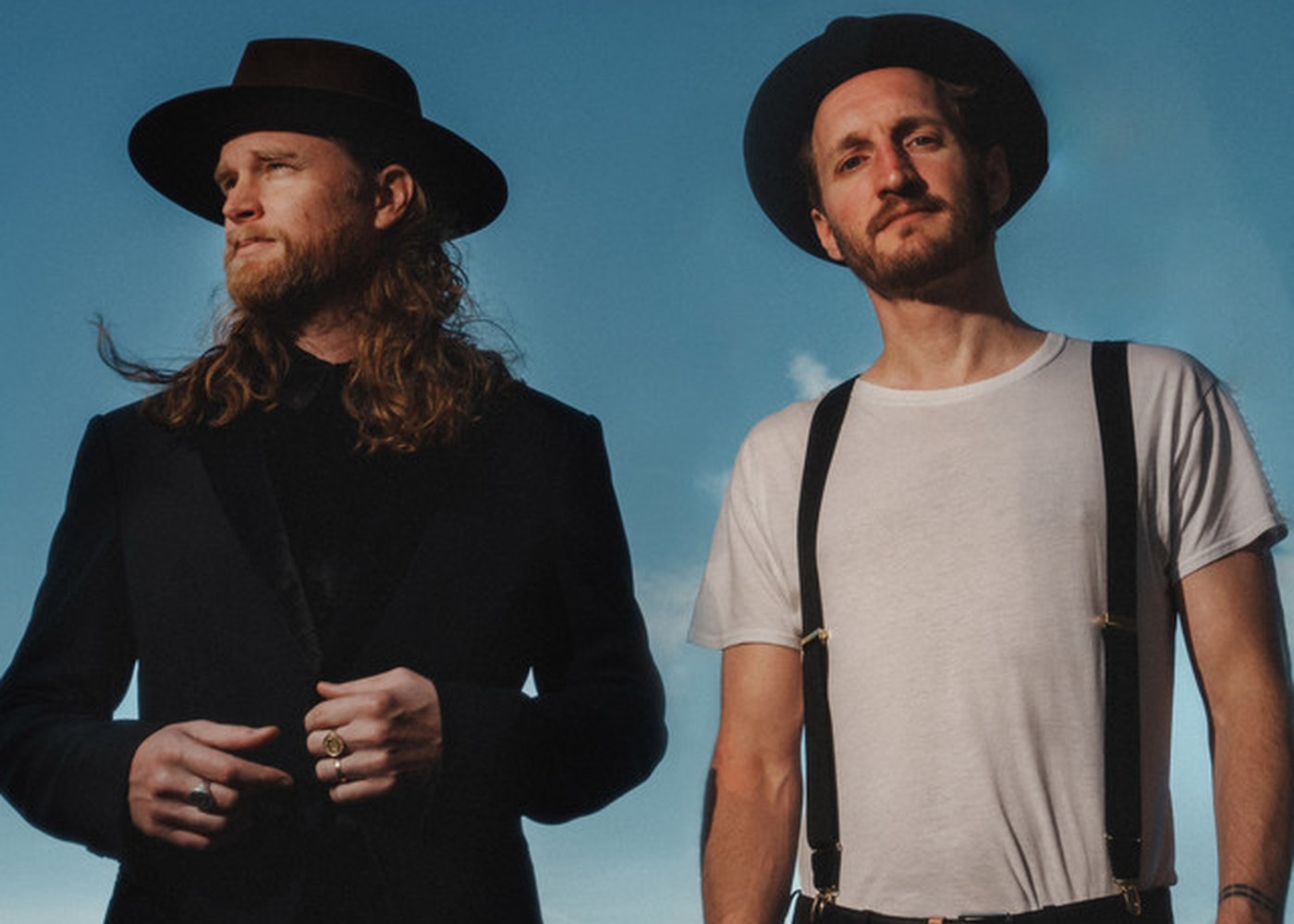
Apple’s iPhone Duo ad is soundtracked by “Threads” from ear’s album Rumspringa. The duo’s first single was recorded on an iPhone in their college library two years ago.
"Little Little Voice" captures someone gripping themselves together before the reassurance even starts to work.
matt proxy's collab is about surviving people by refusing to let their noise reach you. Here's why that matters.
"Under Control" sounds like a wish but works like a confession. The narrator isn't searching for change - they're watching themselves refuse it.
Sadurn's 'can't stop' is about loving someone who never quite shows up enough, and being unable to stop anyway. One song, no clean ending.
"Holy Water" argues that the divine lives in skin, weight, and the terrifying act of opening one person to another.
"Isabelle Fly" argues that loving someone through their worst moment sometimes means telling them the hardest truth: you have to choose yourself.
"Pair of Dice" argues that surrendering control is the only honest bet you can make when life is already gambling with you.
Natanya's "SHOW ME RIGHT!" lands as a song about finally understanding what you've been missing, and what that costs.
"L+R" isn't about loneliness. It's about the exhausting performance you put on just to stay close to someone who barely notices.
"French kids" captures the ache of wanting to disappear into a feeling that only ever exists just out of reach - less about France than about the longing itself.
"Miami For The Weekend" isn't about a weekend. It's about the moment want overrides will, and the narrator can't pretend otherwise.
The song argues that real peace means accepting a lesser life than you imagined, and finding a way to want it anyway. That's harder than it sounds.
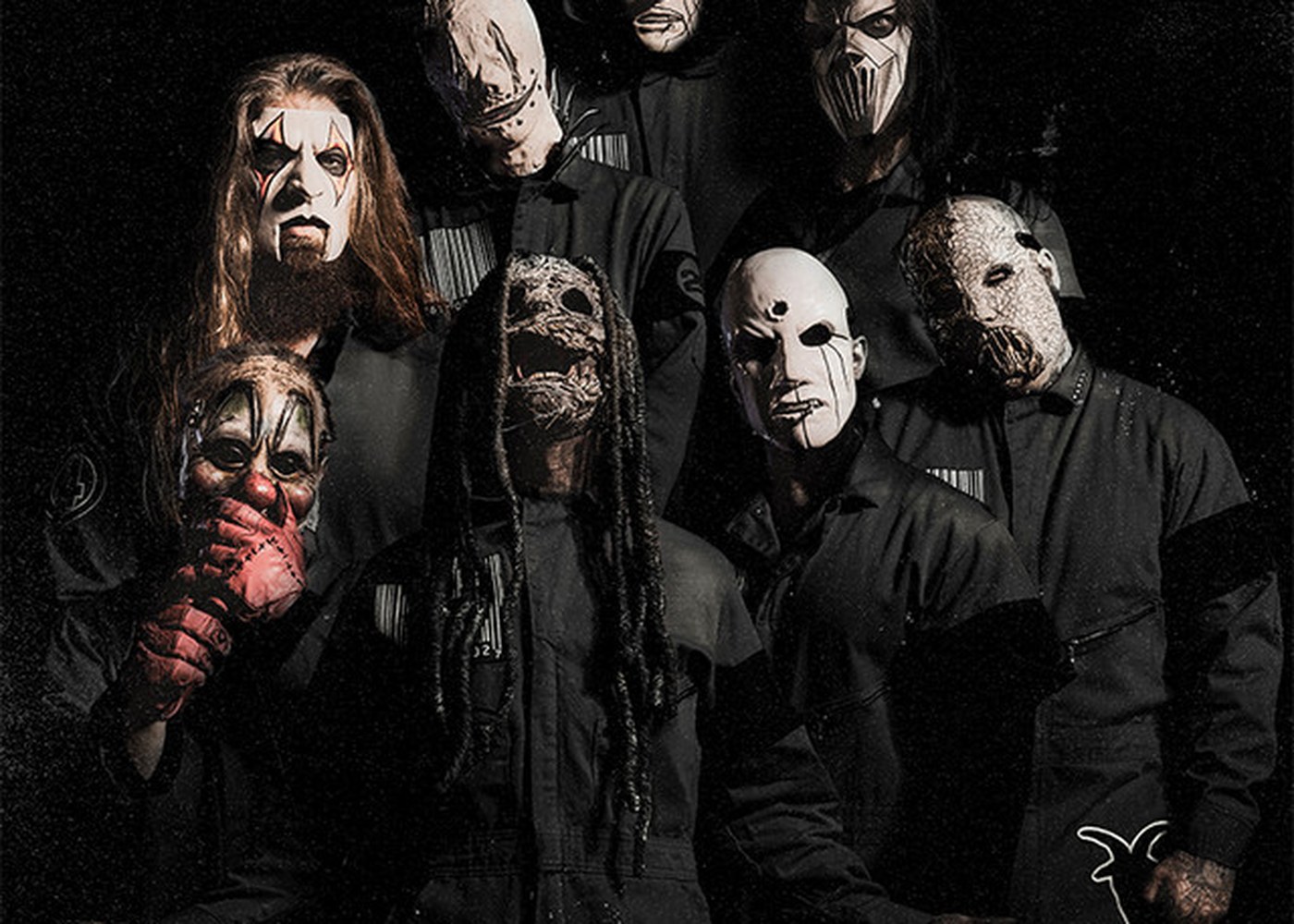
"Arsenal" argues that Slipknot's chaos was never performance - it was proof of survival, and the song dares you to question it.
"Dying In Reverse" argues that real transformation feels indistinguishable from destruction. The song reframes collapse as the only honest path forward.
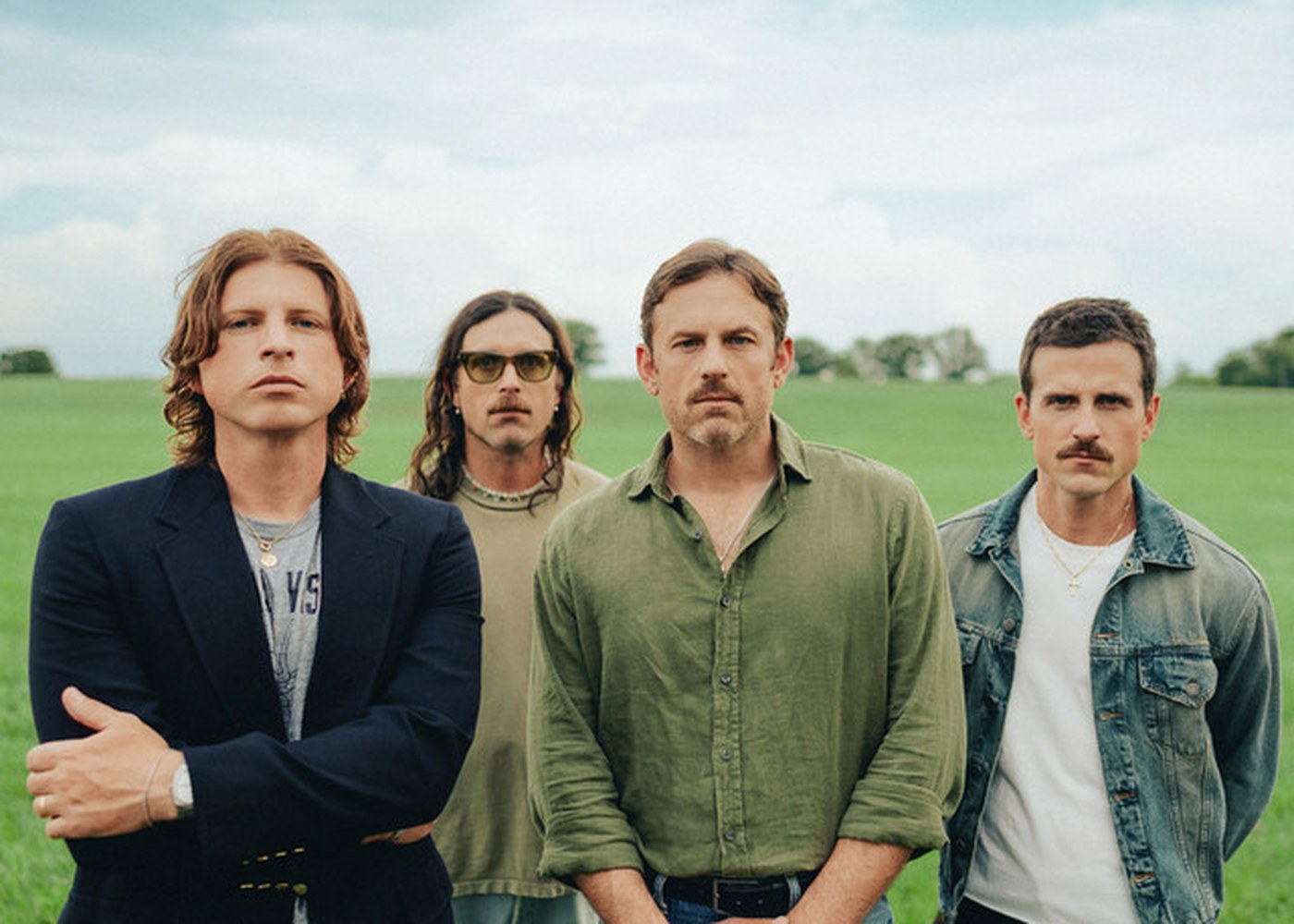
Kings of Leon's "My Whole World" argues that real gratitude requires sitting with loss first. The song earns every ray of sunshine.
Ciarán's "Galvarino" splits in two to show how failure and surrender share the same wound, just wearing different clothes.
June McDoom weaponizes one bureaucratic question to expose how officials erase Black death before it's even counted. The system is working as designed.
"Keep You" maps the geometry of a love triangle where the narrator holds all the feeling and none of the claim. Here's what it costs.
"Who's That" treats depression not as a crisis but as a permanent roommate the narrator has learned to introduce without drama.
Bleachers' 'Caught Myself Believing' argues that belief survives you even when choice fails. A raw look at collapse and grace.
"When In Rome" lets summer romance feel both weightless and obsessive, and the bridge is where the sweetness turns feral.
Lucy Dacus's closer argues that leaving someone doesn't end them. The real horror is being haunted by a person still out there, living fine.
"Mourning" argues that refusing to accept a loss isn't weakness - it's the one mechanism keeping the narrator alive. Here's why that matters.
This Is Lorelei's tender lullaby is an act of total self-surrender, and the narrator gives until there's nothing left to name.
This Is Lorelei's tender ballad isn't about a long-distance relationship. It's a grief song that hides its hand until the third verse.
"The Kid With the Crown" is a song about holding someone accountable to who they are when they've decided to be done with themselves.
The song traps you in a loop of unanswerable grief, using one repeated question to map out everything stagnation actually costs.
"Nitro" is a purely instrumental track, and that restraint is the whole point. Here's what the absence of lyrics actually says.
The song is a portrait of someone impossible to hold, and the ask at its center makes that refusal hit harder than any goodbye could.
"Sailing" starts as an offer of total service and ends as a cry from the floor. The devotion never wavers. That's the problem.
"Watching Heaven Fall" looks like a rambling story about strangers and omens. It's actually a song about choosing not to listen until it's too late.
"Billy Came Back" argues that real artistic magnetism isn't talent or luck - it's love inside the voice, and you feel its absence until it returns.
"Oh No Now My" holds a person accountable while refusing to let them go. It's the rarest kind of love song: one where the ultimatum and the tenderness arrive together.
This Is Lorelei's song argues that choosing to stay, flawed and fully aware of it, takes more courage than any clean goodbye. Here's why.
"lamb" understands that being handled gently can still lead you to slaughter. Julia Wolf and Kellin Quinn map the exact feeling of loving something dangerous.
"Bass Persuades" makes one claim: the body knows what the mind won't admit. Here's why that's a bolder move than it sounds.
Hans Williams' "True Feeling" argues that naming what you actually feel is harder than surviving it. Here's what the song earns.
Bo Staloch's debut single is about the promise you make to set someone free, even when every part of you is still standing at the door.
Oscar Lindsey's song maps OCD's exhausting internal logic, then lands somewhere unexpected: love surviving inside all that noise.
"Pacific City" argues that worn-out, slightly-broken moments with someone you love are not the cost of happiness - they are happiness.
"Can I Watch You" flips desire into a power claim. Beyoncé holds the gaze here, and that's the whole argument.
"Burden" is about support that costs something - INOHA earns the right to help by admitting what the relationship already took from them.
Lay Cold is about telling yourself to let go while knowing, completely, that you won't. Overgrown makes the self-deception the whole point.
"Sleepwalker" doesn't offer clarity as relief. It shows what happens when you see yourself clearly and still can't stop. That's the wound.
"Pulse" argues that trying to change while blocking your own progress keeps the cycle running, and the song refuses to break it.
"I Know Too Much" argues that insight without healing is its own trap, leaving the narrator too lucid for love and too tired to stop knowing.
"Misremember You" argues that softening a painful memory is an act of self-preservation, and the song makes you feel every bit of that choice.
"Ravers" argues that losing yourself in someone is the most honest response to pain. Here's why that reading holds.
Ellie Goulding's "For Your Entertainment" exposes how deep love and total self-destruction can look identical from the inside.
"Thank You, Cook" tracks the journey from needing someone completely to finding that love taught you how to love yourself. 158 chars.
Medium Build's "King of Having Fun" argues that numbing yourself isn't coping. It's a slow erasure of the person you actually want to be.
"Armor" is about a man who turns his self-loathing into a coping mechanism and calls it art. Here's why that trick never works.
"Downpour" is a love song about someone too wired for anxiety to let love actually land. Medium Build nails what it costs to want comfort and distrust it.
"Chill" sounds like moving on. It is actually a careful, word-by-word study in how we perform recovery before we've earned it.
"Feed the Boys" turns a small errand with mom into the clearest portrait of love Medium Build has ever drawn. Here's why it lands.
"Cone Off" turns a breakup into something rawer than celebration - freedom that only lands because someone else finally stopped holding on.
"Home Depot" is a portrait of masculine avoidance so precise it doubles as an indictment. Steve fixes everything but himself.
"Bird Woman" is about the brutal clarity of knowing exactly where you rank in someone else's life, and choosing to stay anyway.
Medium Build's "Perceived" is about the exhausting loop of watching yourself be watched, and how the cure keeps feeding the disease.
Medium Build's song is about how self-improvement rituals can't outrun a self-destructive pattern, and the person watching knows it too.
"Every Noise Is You" maps the cruelest part of loss: the way the world keeps sounding like the person who left. A short song with a long ache.
"Beautiful Birds" uses avian courtship rituals to argue that men's emotional guardedness doesn't protect them - it just makes them die alone.
"Good Boy" doesn't mock men to celebrate women. It autopsies a system that devours the men who serve it most faithfully.
Paris Paloma's 'Pyrrhus' argues that war's real horror lives in the women left behind, holding the child before he became the killer.
Paris Paloma's "Pre-Raphaelite" isn't simple jealousy. It's a portrait of someone who builds pedestals with full awareness of what that costs them.
Paris Paloma's "get her the fucking flowers" is about a woman who hunts her own scraps and calls it love. Here's why that's the whole horror.
Paris Paloma's "Bleeding Part of Me" argues that some love is structurally dependent on injury, and asks whether that dependency is love at all.
Paris Paloma's "Stem the Flow" argues that loving someone who withholds is a trap the body learns before the mind catches up.
Paris Paloma's "Rothko" is about the terrifying possibility that emotional depth might be permanently out of reach - and the brutal honesty of admitting it.
Paris Paloma's "Silhouette on the Hill" refuses the forgiveness the wrongdoer seeks, turning survival itself into an act of haunting refusal.
Bassvictim's jagódki hides something feral inside a children's rhyme, and the black hearts beating joyfully are the whole point.
'Blind' by After turns the Cassandra myth inside out: the speaker doesn't disbelieve the prophet. They're begging her to fix what she already knows she can't.
Fine's "Everything in the Shade" is a rare love song built on release rather than possession, offering presence without demand.
DIIV's "Kid" argues that hiding your feelings doesn't make them disappear. They just wait. The reckoning is always coming.
Bella Kay sits down with Medicine Box for an interview about 'Sleep for Dinner', her bond with producer Iderose, and why Tiffany Day's 'Halo' has been on repeat.
Little Big Town's 'The Idea' argues that staying married out of image and obligation isn't love at all. It's a performance with no audience worth keeping.
JENNIE's "Fallen Angel" reframes the fallen angel myth as a love song about belonging: without you, the wings mean nothing.
The Warning's "Waste Your Time On Me" is about the screen you can't stop checking and what it's doing to your brain.
The Warning's song isn't about heartbreak. It's about being hunted by someone who only feels powerful when you fall apart.
"Perfect Daughter" argues that good behavior was never the goal - compliance was, and the narrator finally calls that out.
"Bird and The Serpent" is a song about leading someone somewhere you yourself cannot reach. The guide and the lost are the same person.
Interpol's 'So Rides the Reindeer' argues that replacing faith with understanding isn't liberation. It's just a heavier chain.
"Wounded Soldier" argues that witnessing violence folds into you permanently, becoming part of what you are. Here's how the song makes that case.
"See Out Loud" argues that losing yourself in another person isn't a failure of self-possession. It's the whole point. Here's why.
"Iron City" is about the corrosive bargain of devotion to something that will outlast you and never notice you're gone.
Interpol's "This Mirror Weighs a Ton" argues that the habits keeping us alive are the same ones hollowing us out. Here's the contradiction.
greek's "HOLD ME" is a slow ache dressed as warmth - a song about offering everything to someone still making up their mind.
LORD traps you between two prayers: a child begging to feel safe and someone already burning. matt proxy makes both feel true at once.
"Carry Us Home" builds a world out of broken lighthouses and iron-ore country, then argues that waiting is its own form of faith.
"Wild Woman" doesn't fight for its subject's freedom. It witnesses her, and that witnessing is the whole argument.
Kagen's song isn't about leaving someone toxic. It's about knowing exactly what they are and staying anyway. That gap is where the song lives.
"Who Are You" builds a crisis of selfhood from three directions at once, and the mirror that shatters in Vince Staples's verse is the whole song's answer.
"How To Pray" argues that intimacy and faith aren't separate things - that learning to love someone is the closest the narrator gets to God.
"They Ain't You" is a love song earned by someone who has already seen everything else fail.
"Paranoia" argues that being told the worst is over can be more destabilizing than the crisis itself. Here's why that phrase destroys the narrator.
"Blowin' Up" turns exhausted contempt into a precise takedown of performative rage, and the chorus is darker than it first sounds.
"Several Got Away" is about the feeling of losing your grip on yourself and calling it fine. Mascis builds a case for letting go that never quite closes.
"Take Me With You" is a song about begging someone to stay while already knowing you've been erased from their story. 158 chars.
"No Friends" turns social isolation into a freefall where the narrator can't tell if they're moving at all. Here's what the song really argues.
Lorem ipsum dolor sit amet, consectetur adipiscing elit. Suspendisse varius enim in eros elementum tristique.