

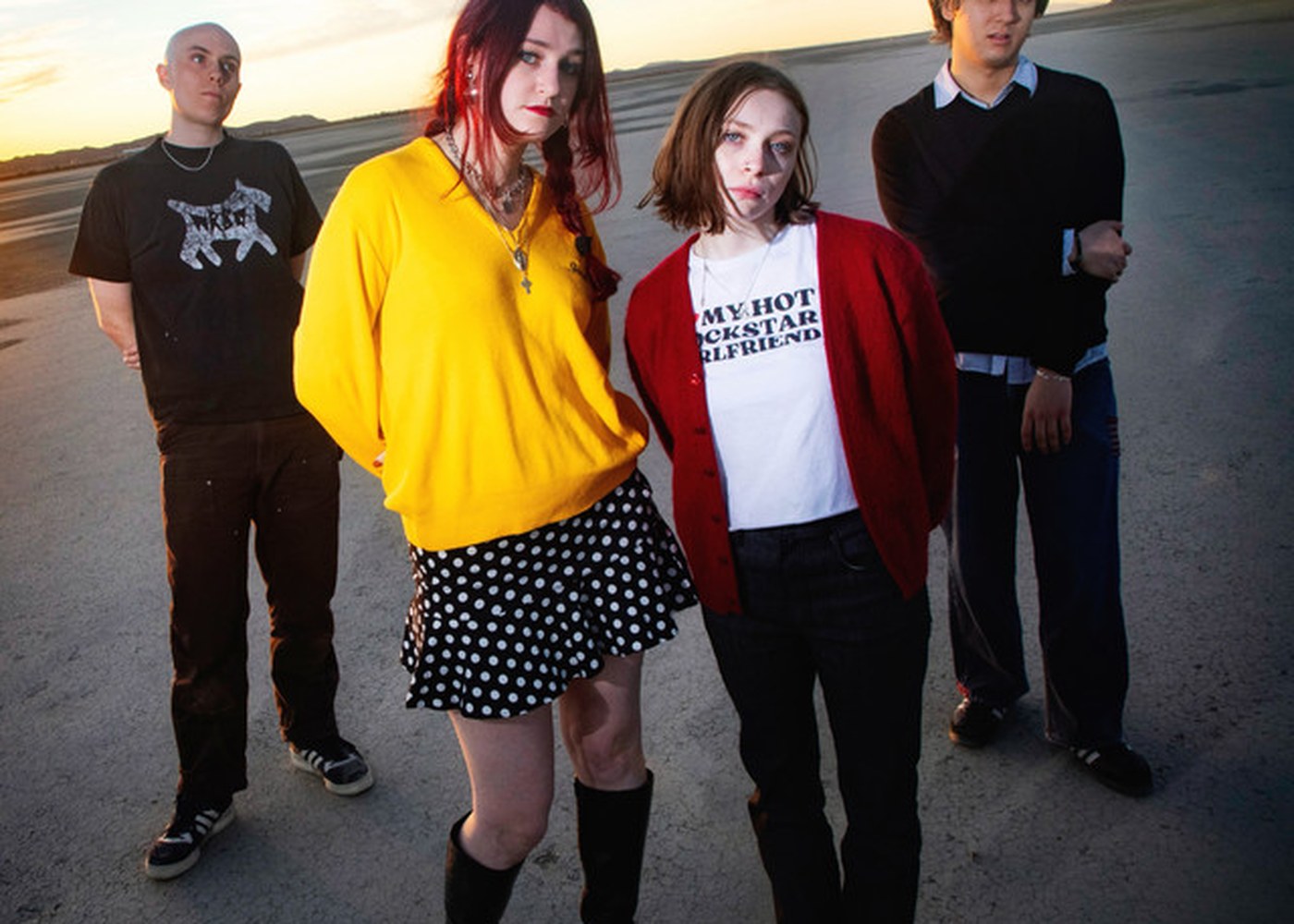
"But I'm tied tight, cut me loose" is the line the whole song builds toward, and it's doing something uncomfortable: admitting that the person asking to be freed is also the person who can't stop holding on. That's the trap. Not a villain holding the rope, but a grip the narrator can't explain and can't release.
"Rodeo" is about loving someone whose world swallows yours whole. The narrator knows it, everyone around them knows it, and still the chorus loops back around. The song's central argument is that awareness of a hold is not the same as freedom from it.
Spinning Out in Someone Else's Orbit
The first verse drops you into a familiar kind of disorientation. Days are being counted, then lost. The narrator is alone and doesn't want to be, but the harder feeling underneath is the question lobbed at the absent person: "Do you feel bad for what you did?" It's accusatory, but the phrasing is almost childlike. Not rage. More like a kid who got left behind and wants to know if it even registered.
The pre-chorus tears the privacy off that feeling fast. "Everybody knows that I'm scared" is not an internal monologue; it's public exposure. The narrator's fear is already visible to the whole room. That social dimension is what makes the chorus hit differently than a standard heartbreak lyric.
"All I Know Is Your Rodeo"
This is the line that unlocks the song. It sounds almost like a compliment until you sit with it. The narrator's entire frame of reference has been colonized by this other person's spectacle, their drama, their performance. "All I know" is a narrowing. A description of how much space someone else has taken up inside you.
"All I know is your rodeo / I can't wait for you, you"
The rodeo is a show. The absent person is the main event, and everyone showed up to watch them. "I can't wait for you" works as both impatience and impossibility: I cannot keep waiting, and I also cannot stop. The lyric holds both meanings at once without resolving either, which is exactly the emotional reality it's describing.
"They all see it" confirms the pre-chorus logic. The narrator's attachment is not private. It's a spectacle inside the spectacle. And the next line, "I could just let go," would be a relief if it led anywhere, but it hits a wall immediately.
"But I'm tied tight, cut me loose, loose"
The request is directed outward. The narrator is asking someone else to do the releasing, which is the confession the whole song has been circling. They don't have the leverage to leave on their own. That's an honest account of how attachment actually works sometimes, and Momma doesn't dress it up.
Verse 2: A Posture That Almost Holds
The second verse makes a move toward toughness. "Dusting myself off," "meet me in the ring," counting every second. The narrator is trying on a version of themselves that doesn't need anyone, and the lyrics let that posture stand for about four lines before the frame slips.
"You're the one they came to see"
That's where the bravado gives out. Even while challenging this person to a confrontation, the narrator admits the crowd is there for them. Not for the narrator. The ring was the other person's territory before anyone showed up, and the narrator walked into it anyway. The toughness is real, but it's operating inside someone else's arena.
The pre-chorus repeats verbatim, and that's the right call. Nothing has changed emotionally. The posturing in verse two was motion, not progress.
The Outro Refuses to Stop
"Cut me loose" repeats seven times over the final stretch, layered against the "on and on and on" loop underneath. Structurally, the song is performing its own argument. The narrator is asking to be freed while the music keeps cycling. Nobody cuts anything loose. The loop just fades.
It's either devastating or quietly funny, depending on your day. Probably both.
A fair counterread here is that the rodeo is internal, a metaphor for the narrator's own spinning thoughts rather than the other person's outsized presence. That reading makes the song lonelier, and it's not wrong. But the lyric "you're the one they came to see" is too externally-directed to let me stay there fully.
What "Rodeo" ultimately argues is that self-awareness doesn't function as a key. Knowing you're tied is not the same as getting loose. The narrator can name the dynamic, diagnose it, perform their own frustration at it, and still end the song mid-loop, asking someone else to do the one thing they cannot do for themselves.
Frequently Asked Questions
What is "Rodeo" by Momma about?
"Rodeo" is about being emotionally trapped in someone else's orbit. The narrator knows they're too attached, knows everyone around them can see it, and still can't leave. The song is an honest account of wanting to let go while lacking the leverage to actually do it.
What does "All I know is your rodeo" mean in the song?
The rodeo is a metaphor for the absent person's world, their drama, their spectacle. "All I know is your rodeo" means the narrator's entire frame of reference has been shaped by this other person's orbit. It sounds like devotion but functions more like a description of how much internal space someone else has claimed.
Why does the narrator ask to be "cut loose" instead of just leaving?
"But I'm tied tight, cut me loose" is directed outward because the narrator can't release the grip themselves. The song frames this honestly: awareness of the attachment doesn't give the narrator control over it. Asking someone else to do the releasing is the central admission the whole lyric builds toward, and the outro repeating it seven times without resolution underscores that nobody answers.
Lyric analysis powered by Scalpel.


Comments
Loading comments…