

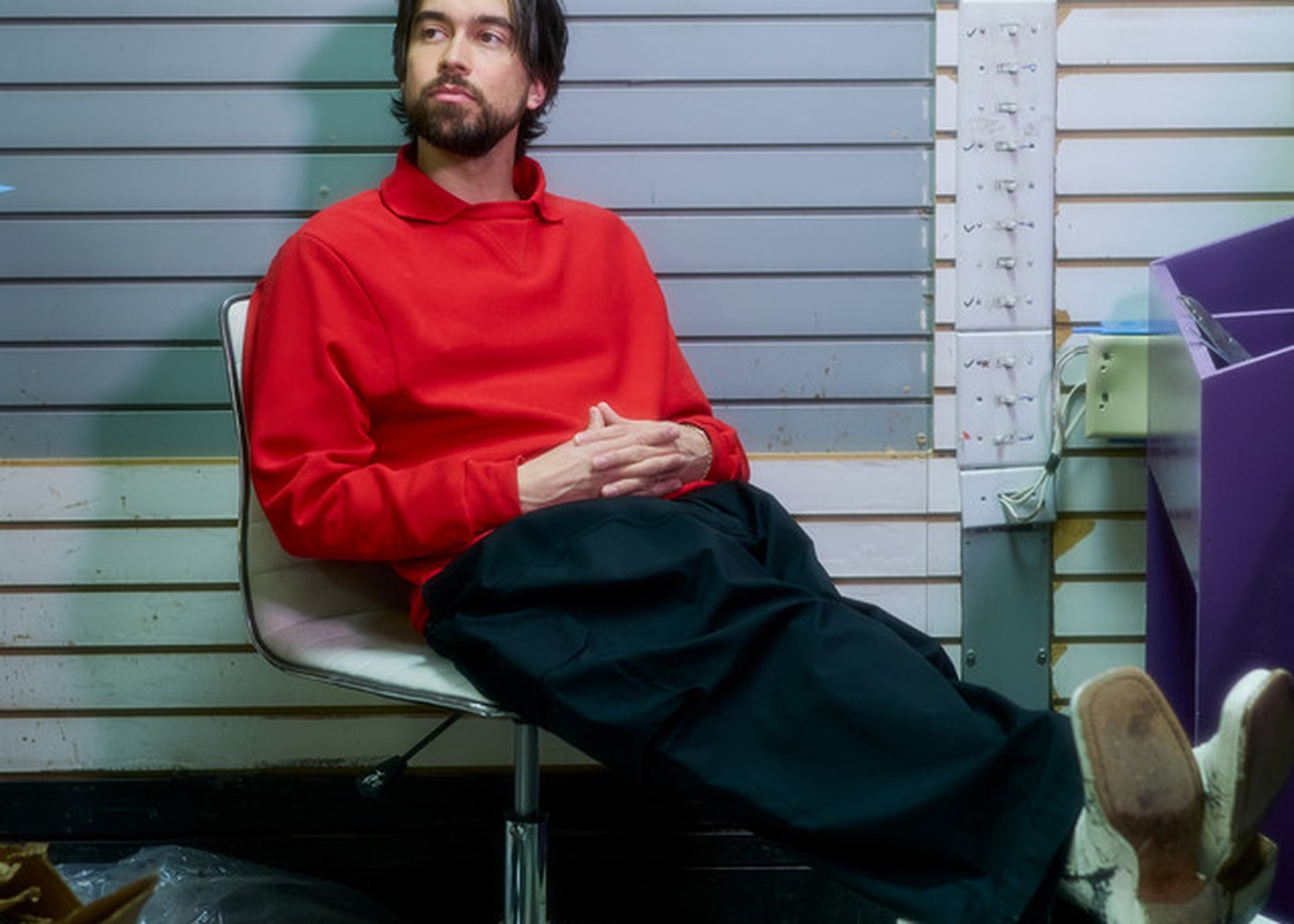
"Real Thing" follows a narrator who goes looking for something genuine, finds it hanging by the door, then watches it spill on the floor. By verse two the search has turned inward. With a license on the dashboard and label cash running out before April, the narrator admits they never believed they were the real thing, and asks someone younger to say they were.
Introduction
The realization that usually closes a song like this shows up in the second line of "Real Thing," and it fixes nothing. The narrator spots the prize by the door almost immediately. Then the song keeps going, losing it, carrying it around, watching it spill, and finally admitting the missing piece was the narrator all along. "Real Thing" is about wanting someone to tell you you're genuine, and about how long you might have to wait to hear it.
The thing by the door
"I went out looking for a real thing / Didn't notice it was hanging by the door"
Hanging by the door is where coats go. Keys. The stuff you grab without looking. The narrator walked right past it on the way out to go find it somewhere else, which is a gentle joke, and the song lets it stay gentle for about two lines.
Then someone stops waiting. "Didn't leave a message or anything" floats without a clear subject, so the missing note could belong to the narrator or to her. Either way the silence does the leaving. The search had a cost back home, and "she doesn't wanna wait for me no more" is the bill.
Making up a story for it
Now the narrator has the thing. They're walking through the city holding it. And it still comes with no instructions.
"No one tells you what the real thing is for / Making up a story for"
The line I keep coming back to is the second one, because it breaks off. Making up a story for what? The sentence drops its object and walks away, as if the narrator started inventing a reason for this thing and lost interest halfway through. Authenticity, in this song, is something you carry around and then have to justify to yourself, and the justification never gets finished.
"Yeah you spilled the real thing all over the floor"
So it was liquid. Or loose, at least, something that can't be scooped back into its container once it hits the boards. The blame goes to "you," and the lyric never says who that is, whether it's her, some new person, or the narrator talking sideways to themselves after dropping the thing they just spent a verse complaining about. That last option is the one I can't shake, because nobody else in the verse has ever held it.
A license on the dash
Verse two is a car. The narrator is pulling away from "the old place," mileage stacking up behind them. On the dashboard sits a "license for the real thing," propped up like proof for anyone who looks in the window.
You can apparently get licensed for authenticity and still leave it in the car.
The money is running down too. "Hopin' I can make it through to April / On whatever's left of all this label cash" puts a date on the calendar and a dwindling number next to it, and whose label paid out is left open. If you're playing this on a late drive home from somewhere you used to live, checking your balance at red lights, the song already knows your dashboard. Paperwork says one thing and the bank account says another, and the narrator is stuck between them on the highway.
"No, I never thought I was the real thing"
The song turns on one word. "No" answers a question nobody asked out loud, as if the license on the dash had been interrogating the driver for miles. And the answer flips the whole song. Until now the real thing was an object you could find, carry, and spill. From here on, the real thing is a person, and the narrator says flatly that they never qualified.
"There were certain tests that I thought I would pass"
Here's the sting. The narrator expected to pass. So the self-doubt came later, after the results, which makes it worse than a lifelong insecurity: it's the specific embarrassment of having assumed you were good and then sitting down to an exam that disagreed. Read back through the first verse with that in mind and every lost or spilled object starts to look like a stand-in for the narrator's own sense of worth.
"Maybe when you're older, you can give me that"
"Maybe when you're older" is what adults say to kids who ask for something they can't have yet. The narrator turns it around and says it to the younger person, asking them for the thing. "That" is the title, the verdict, the stamp of being real, and the narrator has stopped trying to issue it to themselves. They're handing the job to someone who can't do it yet and hoping they'll grow into it.
A fair fan could hear it the other way: the narrator quoting a line once said to them, still waiting on a grown-up to hand over the approval they were promised. That reading works too. It just makes the narrator the child in the scene instead of the adult, which is arguably sadder.
Conclusion
The song opened with the answer hanging by the door, and the narrator walked past it. By the end the reason is clear. Picking it up would mean believing you're the real thing, and the narrator can't do that without a signature from someone else. My read is that the last line is the most hopeful thing in the song and also the most lopsided, because it asks a kid to grant what the license on the dashboard couldn't, and then the song stops before anyone answers.
Frequently Asked Questions
What is "Real Thing" by Alex G about?
"Real Thing" starts with a narrator searching for something genuine that was hanging by the door all along. By the second verse the search turns inward, and the narrator admits they never believed they were the real thing themselves, ending by asking someone younger to someday grant them that.
What does "you spilled the real thing all over the floor" mean in "Real Thing"?
The line treats the real thing as something liquid that can't be recovered once it's spilled. The lyric never identifies "you," so it could be the woman who stopped waiting, someone new, or the narrator addressing themselves after ruining the thing they spent the verse carrying.
What does "Maybe when you're older, you can give me that" mean?
It flips a phrase adults usually say to children. The narrator asks a younger person to eventually give them "that," the confirmation of being the real thing, which the narrator has given up on granting to themselves after failing tests they expected to pass.
Lyric analysis powered by Scalpel.


Comments
Loading comments…