

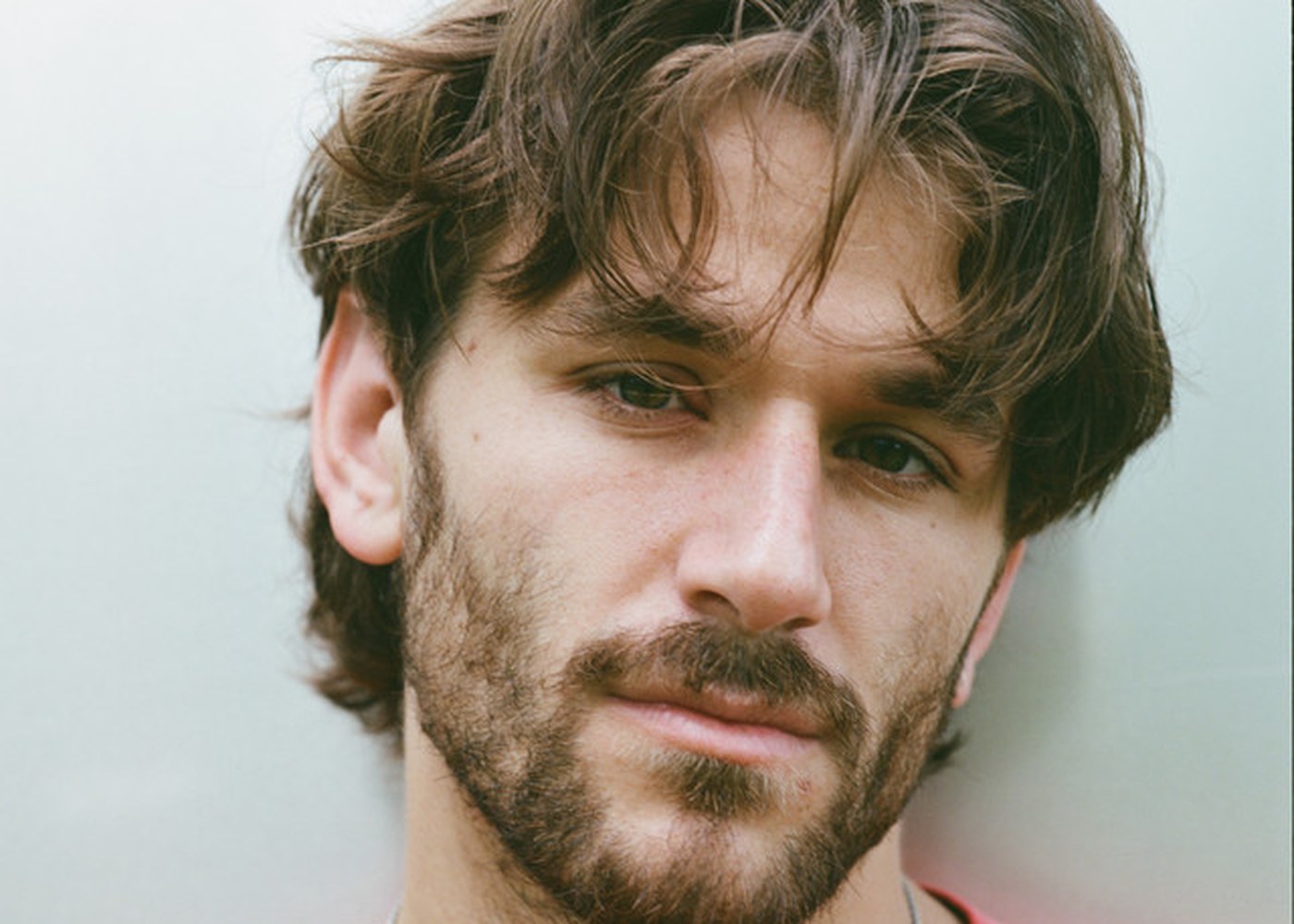
"Do Better" is about walking away from someone who says they love you but won't show it. The narrator offers a deal in the chorus: love me right and I'll be your best thing. The deal is really a goodbye. By autumn he's singing to a big crowd, and the love he calls real lives right there with him.
Introduction
Picture yourself on the shoulder of a highway, staring at the signs, asking one of them to tell you whether someone loves you. You know the answer already. You just want permission to stop waiting. "Do Better" is the sound of a person granting themselves that permission, one season at a time, while pretending they're still negotiating.
Waiting for a sign on a road made of signs
The first verse is tired. The narrator is working too hard, losing himself, and says plainly that this love is bad for his health. Then comes the image I can't shake.
"Just waiting for a sign on the side of the highway"
A highway is nothing but signs. Exits, speed limits, arrows pointing somewhere. He's surrounded by directions and still asking for one. That tells you the problem was never a lack of information. He has known which way to go for a while, and the song is about how long it takes him to read it.
The verse closes on "you don't give a damn / Bashful as I am." He's shy, and they're indifferent. That's a bad pairing, and he knows it.
The chorus bargain: "Wanted me bad, you would do better"
Then spring hits Polson. Windows down. His song is on. And suddenly the bashful guy from verse one is "a king now." The shift is fast and a little funny. A good song and open air can do that to you.
From that throne, he lays out terms. If you love me like you say, I'll be the best that ever happened to you. If you don't, I won't. Simple. Then the line everyone comes for:
"Wanted me bad, you would do better"
It's a verdict dressed up as a condition. He's saying that wanting someone shows up as effort. If you really wanted forever, you'd act like it. Your words say love, your actions say otherwise, so your actions win. Plenty of people have needed to hear that sentence about someone, and it's satisfying to hear it sung out loud.
But look at what he's offering in return. He'll be his best only after they go first. He's holding back his love until theirs shows up, which is the exact thing he's mad at them for doing. Two people standing at a door, each waiting for the other to knock. The chorus never admits this, and I think that's the point. Nobody making an ultimatum from the driver's seat of a car with the music up is thinking about fairness. They're thinking about leaving.
"But you don't, so I won't" is the real ending of every chorus. He states their answer for them. The deal was closed before he offered it.
Verse 2: the body knows first
The second verse is weirder. He argues love should be easy. You choose to fall, you fall far, and falling turns into flying until the whole world goes quiet. That's the dream version.
Then reality cuts in. The street is loud, yet there's barely any traffic. Noise with no source. It's the noise inside a head that won't settle, the opposite of the world going quiet. And the verse ends with the body finally speaking up.
"My body knows something is wrong / My heart has known all along"
There's a tension worth noticing. He says falling is a choice, yet he spent verse one waiting for a sign, as if fate would decide. Both can't be true. The verse resolves it the only way it can: his body makes the choice his mind kept postponing.
Autumn and the love that's "right here"
"But now it's autumn." Seasons have passed. He's not alone in a car anymore. He's with the band, singing to a big crowd, and then he says it.
"I know real love, got it right here"
There's no "you" in this verse at all. The person the chorus addresses has quietly dropped out of the picture, and real love now lives in a room full of voices. Maybe it's the crowd. Maybe it's the band. Maybe it's the narrator himself, finally standing on his own feet. Wherever it is, it's somewhere the other person isn't.
So when the chorus comes back word for word, it means something new. In spring it was a threat. In autumn it's a memory of a threat, sung by someone who already found what he was asking for elsewhere. The words stayed put. He moved.
A fair fan could hear it another way. "Right here" might point at the same person, standing in that crowd, and the autumn chorus becomes a second, softer plea. I don't buy it. A man asking someone to try again doesn't drop their name from the verse.
Conclusion
Back on that highway shoulder, the sign he wanted never came. He made his own. The song ends on wordless "ooh"s, unsettled, more like a breath let out than a door slammed. It's relief, not triumph. "Do Better" is about the moment you realize you stopped waiting months ago, and the only person who hadn't been told yet was you.
Frequently Asked Questions
What is "Do Better" by Jonah Kagen about?
"Do Better" is about a narrator worn down by someone who claims to love him but doesn't show it. The chorus offers a deal: love me the way you say and I'll be your best thing, but if you don't, I won't. By the final verse he's found real love with a band and a crowd, and the other person has dropped out of the song.
What does "Wanted me bad, you would do better" mean in "Do Better"?
The line says real desire shows up as effort. If the other person truly wanted forever, they would act like it, so their lack of effort reveals what they actually feel. It turns the narrator's frustration into a verdict on the relationship.
What does "I know real love, got it right here" refer to in "Do Better"?
The line comes in autumn, when the narrator is with his band singing to a big crowd, and the "you" from earlier never appears. "Right here" most likely points to the crowd, the band, or the narrator himself. It shows that the love he was begging for has been found somewhere other than the person the chorus addresses.
Lyric analysis powered by Scalpel.

Comments
Loading comments…