

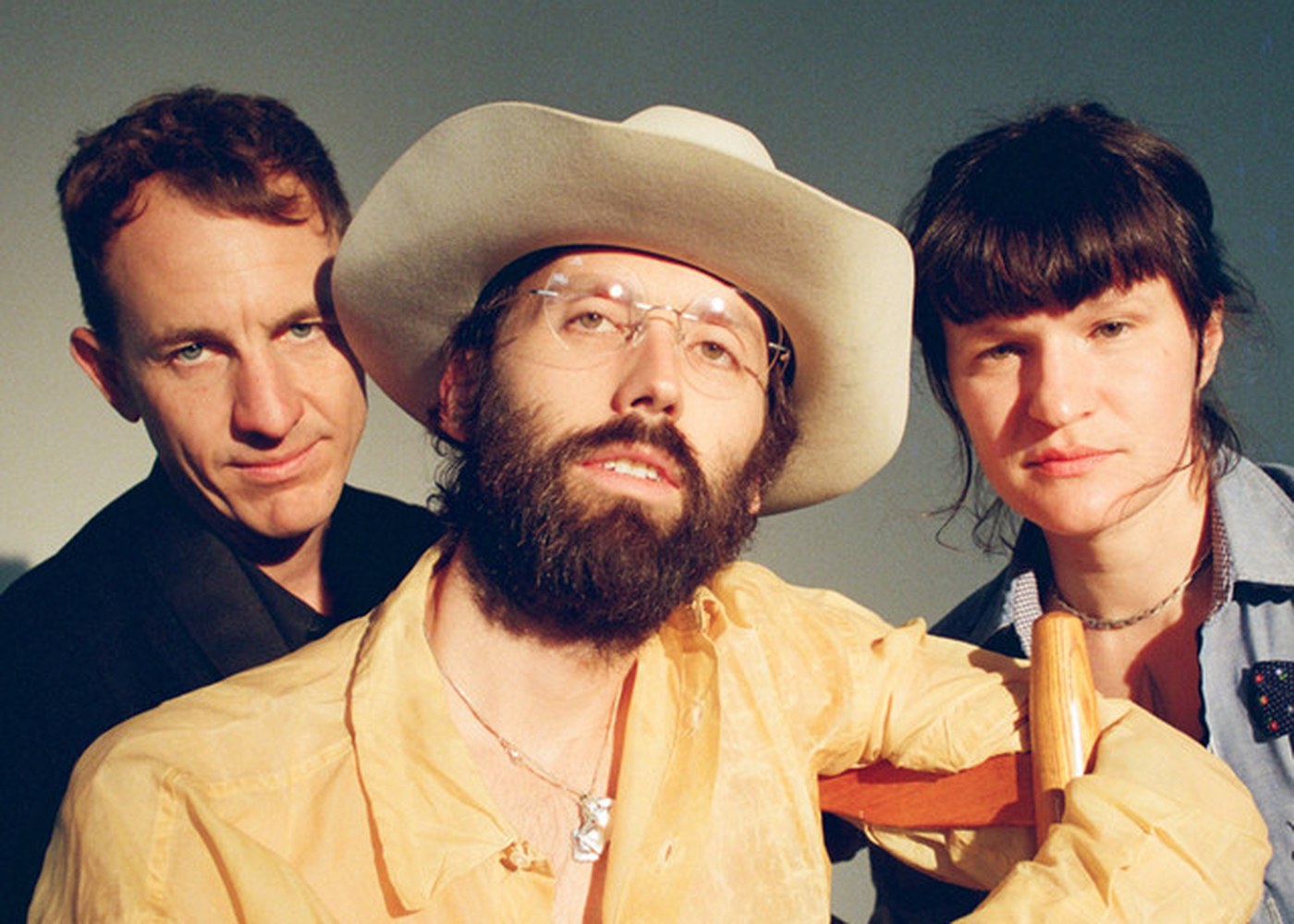
"Los Angeles" is a song about love that has slipped free of the body and kept going anyway. That is the argument, and the whole track builds toward it: the narrator and the person they love have been separated, maybe estranged, definitely hurt each other, and what survives is not memory or longing but something more structural, a connection that operates even without proximity, even without speaking, even without sharing a bed.
The opening sets the scene with the kind of precision that only matters to the person who was actually there. 3:33 in the morning. Nothing on the stereo. Dirty tea. The Mona Lisa comparison is a small joke the song almost swallows before it lands, but it earns its place: mysterious and serious at once, a smile no one fully decodes. The narrator is watching someone they love and finding them genuinely illegible, and finding that illegibility beautiful rather than threatening.
Verse 2: The Fragment Problem
The second verse is where the song gets strange, and strange in the right way. The image of a "picture box" full of photographs or memories gives way to something that pulls the floor out.
"Kissing in a fistful of fragments, falling down / Amputated dimension of the physical"
The fragments are photographs, yes, but the kissing in them is also happening. The narrator is inside the image and watching it disintegrate at the same time. They throw the fragments up and watch them fall like snow, which is beautiful and also completely useless as a way of keeping anything. "Amputated dimension of the physical" is the line I keep coming back to, because it names something most love songs work hard to avoid: the physical is not the whole of love, but losing access to it is still a kind of amputation. It does not kill the connection. It removes a limb. The melting image without sound that follows confirms it: what the narrator is losing is not the relationship but its sensory proof.
Then the song cuts from this dissolution to Park Avenue, 838, waving to a best friend "like a soldier at the gate in tears." The time skip is jarring on purpose. Two years have passed and they feel like ten, or maybe ten have passed and they feel like two. The song holds both and does not resolve them, because grief over distance rarely resolves cleanly into one feeling.
Verse 3: What the Ocean Gave
The third verse is the song's confession, and it arrives calmly, which makes it land harder.
"It took you in when I pushed you away / It was your lover, it was your mother"
The narrator pushed someone away, and what caught them was the ocean, Los Angeles itself, the city as elemental force. Calling it both lover and mother in the same breath refuses to let the image be only romantic or only nurturing. The ocean held this person in every way the narrator failed to. That is a lot of weight to put on a body of water, and the song is completely serious about it.
What follows is the gentlest possible form of guilt: "there is so much that I wish I could've been for you somehow / but we don't need to talk about that now." The acknowledgment and the retreat happen in consecutive lines. The narrator knows. They are not asking for absolution or reopening the wound. They are sitting across from this person on a plane over the Grand Canyon, and they are choosing presence over accounting.
The seat number, 27D, is the detail that seals it. You do not invent a seat number unless you were actually in it, or unless you want the listener to feel that you were. Either way, it grounds an otherwise expansive moment in something a person could actually touch.
The Pre-Chorus: What Survives the Amputation
The pre-chorus runs in a slightly different form each time it appears, and the final version is the fullest statement of the song's argument.
"I can tell what you are thinking / Even without saying / We dream our dreams together / Even without laying in the same bed"
Each line removes another physical requirement for intimacy. Looking. Speaking. Saying. Sharing a bed. The song strips them away one by one, not to romanticize distance but to describe what a relationship becomes when the body can no longer be the primary channel. The connection does not disappear when the physical access is amputated. It migrates. The earlier verse named the loss; the pre-chorus names what is left after the loss, and treats that remainder as something real.
A reasonable fan could read this whole arc as the narrator comforting themselves, constructing a spiritual framework to survive a separation they cannot fix. That reading is available, and the song does not entirely shut the door on it.
"You Sang for Me"
The chorus is three words repeated, and it does almost all of its work through accumulation rather than content. Singing is the one form of communication that is physical and immaterial at the same time: it requires a body, but what it produces travels and stays. By the final chorus the line appears four times instead of two, and the shift from past tense to something that feels ongoing is the song completing its own argument. The singing was not a thing that happened once. It is a fact about this person, carried forward.
What "Los Angeles" understands is that love between people who have hurt each other and survived it does not look like the early version. The narrator is not in the 3:33 apartment anymore, not watching the Mona Lisa smile across a dim room. They are in seat 27D, crossing the Grand Canyon, headed home from somewhere they cannot stay, and the person beside them in some form, present in some form, already knows what they are thinking. That is something more durable than resolution, and this song knows the difference.
Frequently Asked Questions
What is "Los Angeles" by Big Thief about?
"Los Angeles" is about a love that has been stretched and damaged by separation and past mistakes but has survived by shifting beyond the physical. The narrator and the person they love have been estranged, the narrator pushed them away, and the song traces how their bond persists without proximity, shared space, or even words. The final pre-chorus strips away every bodily requirement for closeness, arguing that what remains is real.
What does "amputated dimension of the physical" mean in "Los Angeles"?
The line describes what happens when two people who love each other lose physical access to one another. The physical closeness is not the whole of the relationship, but its absence is still a real loss, a removal rather than an ending. The song uses "amputated" rather than "lost" deliberately: something has been cut away, but the person is still alive.
What does "It was your lover, it was your mother" mean in the song?
The narrator is describing the ocean, specifically the Pacific at Los Angeles, as the thing that held and sustained the other person after the narrator pushed them away. Calling it both lover and mother refuses to collapse the ocean's role into just one kind of care: it was romantic and it was elemental, offering the kind of unconditional shelter the narrator admits they failed to provide.
Lyric analysis powered by Scalpel.



Comments
Loading comments…