

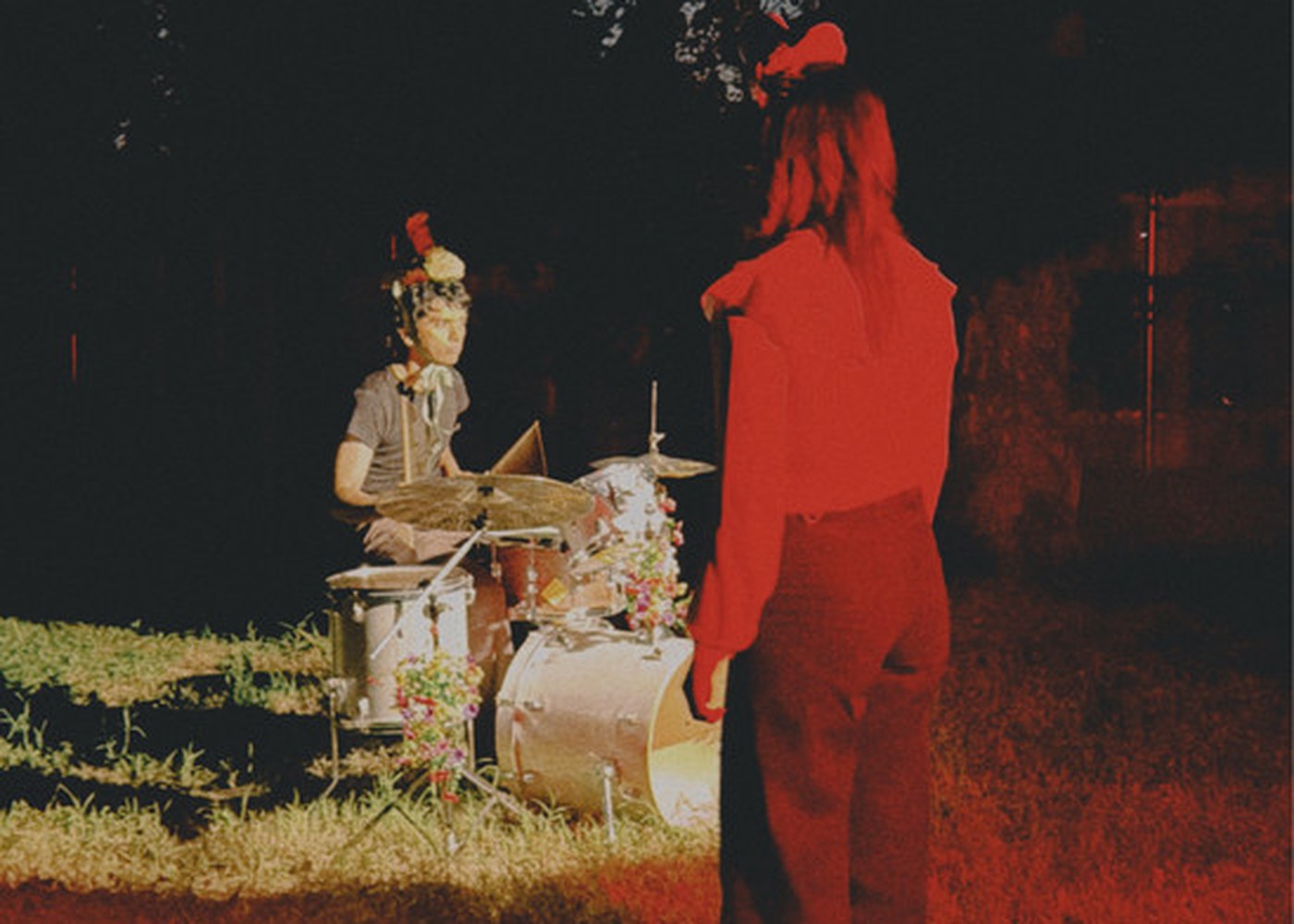
"Letter to You" follows someone who walked away from a safe love, burned the things they kept of their ex, and now wants back in. The narrator finally admits the leaving was about themself. The begging that follows comes from the same place, though: one person deciding, alone, what's best for two. The apology is real. The pattern never breaks.
Introduction
You burn the stuff. Whatever drawer of them you'd been saving, it goes, and for about an hour you feel clean and finished. Then you're lying in a different bed with your phone in your hand, typing the text you swore you'd never send.
Orca's "Letter to You" lives in that hour after the fire. It sounds like a heartfelt plea to undo a mistake, and it is one. But listen to who's doing all the deciding, and the song turns into something sadder: a narrator who learns exactly why they left, then repeats the move in the act of asking to come home.
Verse 1: safe, then not, then sorry
The song opens with a confession that's almost gentle. The narrator was "safe my whole life," and then they threw it away. No villain, no betrayal. Just a person who had something steady and couldn't sit still inside it.
"I wish I had stayed, I thought that I was right / Couldn't decide what was best for you and I"
Read that second line again. The narrator's regret is that they couldn't figure out what was best for both of them. Never once does it cross their mind that the other person might have wanted a say. The narrator was holding the whole relationship alone, making the call for two, and the only failure they see is that they made the wrong call.
That blind spot is the whole song in miniature. Everything after it is the narrator getting more honest about their feelings while staying exactly this sure of their right to choose.
The chorus keeps a ledger
"I'd change everything to get back everything I took from you" frames love as a set of stolen goods the narrator can return if the price is right. It's a sweet line on the surface, and it still puts the narrator in charge of the trade.
Post-chorus: the fire and the new bed
The post-chorus is where the narrator's body starts giving out. They regret what they said. They've cried until there's nothing left, and the ex is "still in my head," taking up space nobody invited them to keep.
"Yet, I'm in new bed, burned the things I've kept of you"
That "yet" is so honest it hurts. The narrator knows how it looks. They're grieving, and they've also moved somewhere new, maybe with someone, the lyric won't say. They destroyed the keepsakes. Those are the actions of a person trying to end something for good.
And the song doesn't flinch at the contradiction. Burning the evidence and begging for a second chance sit in the same breath, and the narrator doesn't seem to feel the friction. Both are choices made solo. Both treat the relationship as something one person can close or reopen at will.
Bridge: the confession that changes nothing
The bridge drops the temperature. "Maybe I lived the lie for everyone" is the first time the narrator admits the safe life was a performance. They were playing a part for an audience, and the person they loved got cast in it.
"I know I'm done, I've become somebody new and it wasn't for you"
This is the line I keep coming back to, because it costs something to say. The narrator finally owns it: the leaving, the change, the new self, none of it happened for the other person's sake. That's a hard, clean truth, and for a second it sounds like real growth.
Then the very next breath undoes it.
"But my everything / I'd do anything to go back to you"
The "but" carries everything. The narrator has just admitted the new self wasn't built for the ex, and now asks the ex to take that new self back anyway. The plea comes from the same place the leaving did. It's still about what the narrator needs, still decided on their own, still delivered as if the other person's only role is to receive it.
A fan could hear this differently, and fairly. "My everything" might be the most sincere thing in the song, a pet name slipping out because the love underneath never died, and the bridge might mark someone finally telling the truth before asking for anything. I hear the honesty too. I just notice that the honesty arrives and the asking doesn't change shape at all.
Conclusion
Remember that phone in your hand after the fire. The song ends right there, with the chorus coming back word for word, no new verse, no answer. Stuck again.
Listen to how the final chorus starts. The first time, "of you" finishes the verse's "hard for me to let go." The second time, it follows "go back to you," and it hangs off nothing at all, a scrap of sentence still talking after the person has left the room. That dangling fragment is the narrator in a nutshell. They've figured out what went wrong. They can say it out loud. They keep writing the letter as if the other person is waiting to read it, and the title promises that letter while the song never shows anyone opening it.
Frequently Asked Questions
What is "Letter to You" by Orca about?
The song follows someone who left a safe, steady relationship and now regrets it. They've cried themselves dry, burned the keepsakes, and moved on to a new bed, yet they still beg to go back. The narrator admits the leaving was about themself, then asks to return anyway.
What does "I've become somebody new and it wasn't for you" mean in "Letter to You"?
It's the narrator admitting that the change that ended the relationship happened for their own sake, with the partner as an afterthought. Paired with "maybe I lived the lie for everyone," it confesses that the old safe life was a performance. The line is honest, but the plea that follows right after keeps the focus on what the narrator wants.
Why does the narrator burn the things they kept but still want to go back?
The song puts both impulses side by side without resolving them. Burning the keepsakes and begging to return are both choices the narrator makes alone, treating the relationship as something one person can end or restart. That contradiction is the emotional knot the whole song keeps circling.
Lyric analysis powered by Scalpel.


Comments
Loading comments…