

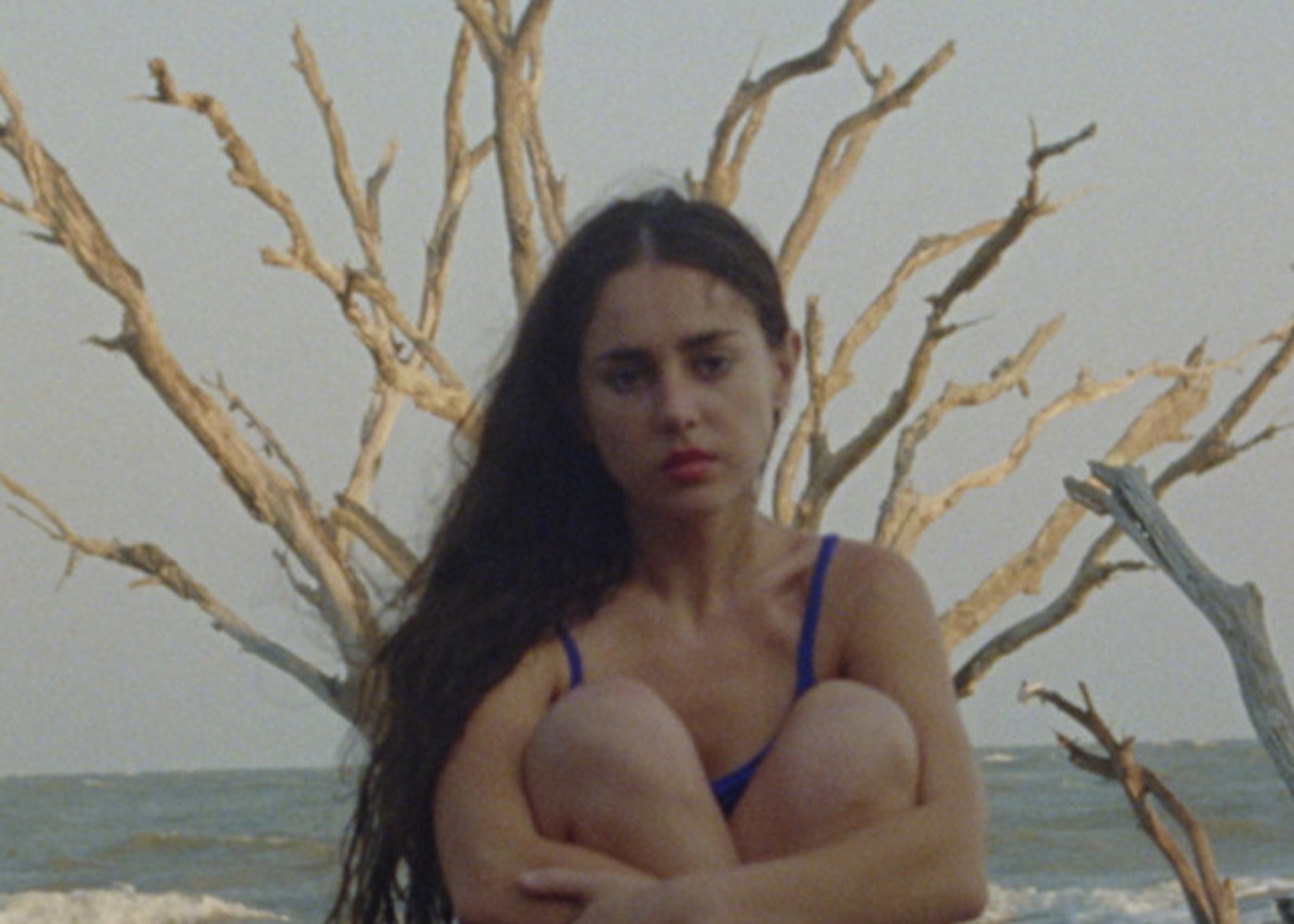
Samia's "Lizard" is about a narrator who feels used and misread by someone, then catches themselves wanting the attention anyway. They dance on a table in a headset, swear they didn't come to make anyone look, and chant "don't do it." By the outro the warning shrinks to "don't" while the dare grows: "Do you wanna see mine?"
Introduction
Somebody passes a lighter. Gin splashes near the narrator's feet, and the narrator keeps dancing on the table, headset on, to a song only they can hear. "Lizard" wants you to believe this person is being misread, cast as a show when they only came to dance. The song knows better, and its sharpest move is letting the narrator lose that argument out loud, one "don't do it" at a time.
Verse 1: a creature that only grows back one way
The "you" in the opening verse is a lizard in everything but name. The word shows up only in the title. Inside the song, this person glides headless on "the strength of your new core," a gym phrase stapled to a horror image.
"Wiping blood with your upper hand / Making a wall of me"
The upper hand is literal first: a hand smearing blood off a wound. It's also the winning position. This person cleans up their own damage while still ahead, and they use the narrator as the thing to brace against. A wall holds weight, takes the impact, and never gets looked at.
Then the biology turns cruel. The "you" tries to grow a brain out of a tail, and "we both know / It just works the one way." Tails grow back. Heads don't. The narrator watches someone regenerate only the disposable parts, and reports it with a clinician's flat calm.
The spare key and the table nobody built
Verse two turns the camera on the narrator. The self-portrait is full of contradictions they never seem to catch.
"Peace is a double locked door / I'm the whore with the extra key"
Peace, in this relationship, is shut tight twice over. The narrator holds the spare. "Whore" is the word somebody else would throw, picked up and worn before anyone can say it, and next to the key it means access nobody officially granted. The narrator can let themselves into the calm whenever they like. That's power. One verse earlier they were a wall, and the song lets them be the wall in someone's story and the person with the key to the door, without either claim ever blinking at the other.
Then the table. Then the headset. Dancing to "something sweet" on furniture at a party is a public act with a private soundtrack, the most relatable image in the song and also a little ridiculous. I have done the earbud version at weddings and called it self-care, so I'm in no position to judge. (A whole headset, though. That's a commitment.)
"I didn't come here to make you look / But intentions are for the guilty"
Here's the tell. Nobody standing on a table fully means that first line. And "intentions are for the guilty" is a defense only someone with intentions would need to prepare. It's a lawyer's sentence, built to get off on a technicality: if nothing was intended, nothing can be charged.
"I'm worth my weight in your image" closes the loop. The narrator measures their value by how they look to the "you," the exact gaze they claim to be ignoring.
One word in the chorus, and the party is over
The first chorus is a vow in the present tense: "It's a beautiful party and it's not mine to ruin." Then four rounds of "don't do it." The song never says do what. Tell the truth, make a scene, go home with the wrong person. The blank is deliberate.
Verse three raises the stakes. The "you" put their neck on the line and "spun me into a star," then found they "cannot touch it." A star is the most looked-at thing in the sky and permanently out of reach. Lighters and gin keep circulating at the narrator's feet, and the narrator stays up on the table.
"At this beautiful party which was not mine to ruin"
The second chorus slips into past tense. "Which was." The party has become a memory, and your stomach drops a little because the song skips whatever happened in between. A fair listener could hear every "don't do it" aimed at the "you," pleading with them not to start something, and that reading holds up. The repetition still sounds more like someone talking themselves down, and it gets less convincing each round.
Warrior pose, crucifix, and a cheap camera
The bridge leaves the party for a roadside and a Nikon Coolpix. That's a cheap point-and-shoot, the kind of camera that produces evidence, not art.
"I was in warrior pose / You saw the crucifix"
Same body, two readings. The narrator meant strength: legs planted, arms out, a yoga stance named for fighting. The person behind the lens saw arms spread like a martyr's. That gap between what you offer and what someone receives is the wound the whole song circles. Notice, too, that in both readings the narrator is holding a pose for a camera.
"In a state of nature / With a misson to remind" keeps the self-justification going, misspelling and all. Nature, as in innocent. Mission, as in purpose. Then the last two lines flip it.
"You keep flashing your angle / Like you wanna see mine"
"Angle" carries three meanings at once: a camera angle, the tilt of a body, and a scheme. The "you" keeps showing theirs, and the narrator takes it as an invitation. In the outro, "don't do it" shrinks to a parenthetical "don't" while "Do you wanna see mine?" repeats four times in the open. The warning becomes backing vocals. The dare takes the lead.
Conclusion: the dare left hanging
Back to that table, then, and the gin at the narrator's feet. For three verses the song insists on a misreading: a warrior taken for a martyr, a dancer taken for a show. The outro hands the microphone to the question that was underneath all along. My read is that the narrator is the real lizard of the title, regrowing the tail over and over, the alibis and the protests and the "don't," while the head, the part that wants to be seen, stays right where it always was. Nobody answers "do you wanna see mine?" The song ends with the offer still open and someone still up on the table.
Frequently Asked Questions
What is "Lizard" by Samia about?
"Lizard" follows a narrator at a party who feels used and misread by someone they describe like a headless, regenerating lizard. The narrator insists they aren't trying to be looked at, but the song ends with them repeatedly asking "Do you wanna see mine?", exposing the wish to be seen under all the denials.
What does "Peace is a double locked door / I'm the whore with the extra key" mean in "Lizard"?
Peace in the relationship is sealed off twice over, and the narrator is the one holding a spare key, meaning they have access nobody officially granted. "Whore" is an insult the narrator claims for themselves before anyone else can use it. The line gives the narrator real power, which clashes with their claim a verse earlier of being a wall someone braces against.
What do "warrior pose" and "crucifix" mean in Samia's "Lizard"?
In the bridge, someone photographs the narrator by the roadside on a cheap Nikon Coolpix. The narrator meant the pose as strength, a warrior stance, but the photographer saw a crucifix, a martyr with arms spread. It's the song's clearest image of one body being offered as one thing and received as another.
Lyric analysis powered by Scalpel.


Comments
Loading comments…