

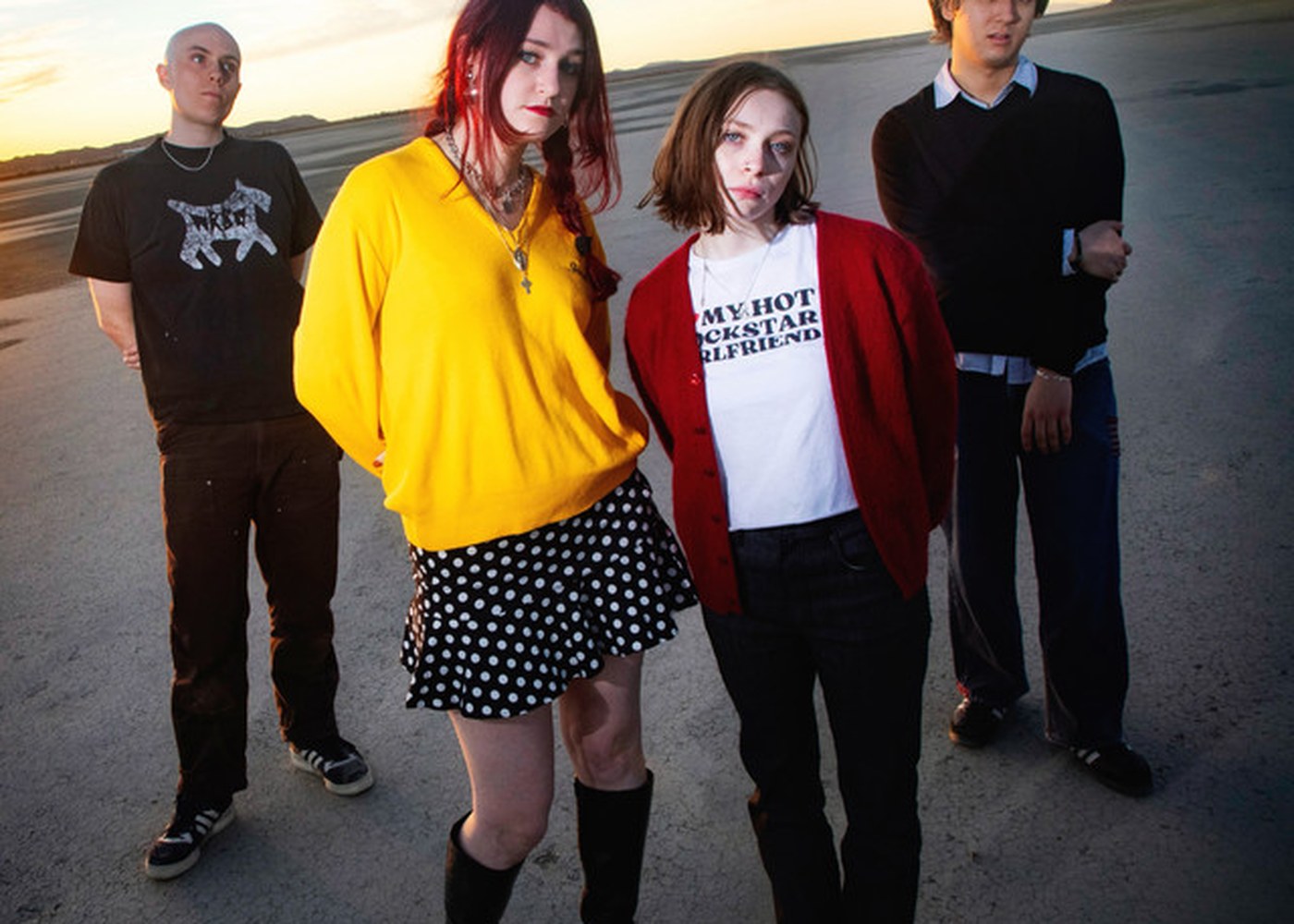
By the final stretch, "If you want me to" has turned into "But tell me you want me to," and that one-word swap is the whole confession hiding inside a breezy summer fling song. The narrator of "Stay All Summer" is cheating, or about to, and knows exactly how wrong it is. What they want from the new person is a spoken yes, out loud and on the record, so the choice to betray someone at home belongs to somebody else. Every flirty proposal in the song is really a request for a co-signer.
Stall, jump, pause: a plunge with a safety net
The opening offer sounds generous until you look at the verbs, because "stall" is what an engine does when it quits mid-road, and the narrator is offering to stop their own life on purpose for a season that comes with a built-in end date. Summer is the perfect affair length. It feels endless while you're in it and it's guaranteed to wrap up by September.
"Baby, we could take a shot / Let's jump right in"
Then, two lines later, "We can put it on pause / Till I see you again." Respectfully, nobody has ever jumped into a pool and then paused halfway down. The narrator wants the rush of the plunge and the comfort of a freeze button at the same time, and "playing with the thought / Of calling it quits" never says who exactly they'd be quitting, which keeps every door open. The 3 a.m. talking, the shot, the jump: all of it is framed as something the two of them might do together, never something the narrator is choosing alone.
Nobody's committing here.
The chorus that never finishes its sentence
"So let's tell all our friends that we're making a mess" is a strange thing to want, since most people in an affair want fewer witnesses, but the narrator wants an audience, as if announcing the mess turns it into a shared project instead of a private crime. The second verse adds a cover story, "Missed the call, so tell all the others / That we're gonna be there soon," which is the most familiar lie in the book. Every chorus ends on "So let's tell all our friends" and then stops, the sentence left hanging like a text typed and never sent.
Someone at home, "forgotten"
The second verse starts out as road-trip energy, hopping in the car, honoring some deal whose terms we never hear, asking to "cut to the part / When we say how we feel," and then the temperature drops through the floor.
"It was really getting old / Building a house"
"And there's someone at home / That I forgot about"
Nobody forgets the person waiting at home. "Forgot" is a word chosen to sound like an accident, a shrug, the romantic equivalent of leaving the stove on, when the line right before it explains exactly why they'd prefer not to remember. "Building a house" could be a literal house or a slow shared life, and the song won't say which, but either way the narrator has filed it under boring chores. The person at home is reduced to a slow construction project that got old.
The line I keep coming back to is what happens after this admission, because the grammar shifts once the secret is out. Before it, the narrator's offer is conditional and easy: I'd stay "if you want me to." After it, the conditional hardens into a demand, "But tell me you want me to," and the narrator stops offering and starts asking for permission. Once there's a real person in the picture who could get hurt, the narrator needs someone else's fingerprints on the decision.
The "if" was always a hedge.
The bridge: "I'd do something bad for you"
The bridge is where the narrator finally says the quiet part, though even the confession is built to shift weight onto the listener.
"I know it's wrong but remember I told you / I'd do something bad for you"
Look at "remember I told you," which turns this into a warning issued earlier, a disclaimer you supposedly already signed, so if you go along with it now, you were informed. And the bad thing is done "for you," packaged as a gift, which means the lover becomes the reason for the betrayal and the narrator gets to be the one who sacrificed. The narrator's whole confession is a transfer of liability with a love song on top.
The same section holds a second sleight of hand: "I really want you too." That "too" implies the other person already said it, yet the song spends three choruses begging them to say it, so either the narrator is replaying a memory or inventing one. It also flatly contradicts the opening, where "they might say that it's all for nothing / But we don't think that's true" defends the affair as meaningful, while here it's plainly "wrong." The narrator never squares the two and doesn't seem to try.
A fan could reasonably hear "something bad for you" as pure reckless devotion, the kind of heart-on-sleeve recklessness that makes summer songs worth having, and I get that reading. But devotion doesn't usually come with a receipt that says "remember I told you."
Stuck on the loop
The outro repeats "I know it's wrong, I'd stay all summer with you" while the chorus chants underneath, and the guilt and the giddiness just stack on top of each other until neither wins. The song ends on the offer, still unanswered.
No yes ever comes.
Conclusion
"Stay All Summer" is the sound of rehearsing on the drive home at 2 a.m., running the lines you'll say so the version where you're the bad guy never quite makes it into the script. The narrator keeps picking the language of accidents and favors, forgetting, stalling, pausing, doing it "for you," because every one of those words lets the betrayal happen without anyone deciding it. Here's how I hear the ending, and why the season matters: summer is the one stretch of time you can promise someone because you know it's going to run out, and the person at home is still standing there when it does.
Frequently Asked Questions
What is "Stay All Summer" by Momma about?
The song follows a narrator offering to put their life on hold for a summer fling while someone waits for them at home. They admit it's wrong but keep asking the new person to say they want it, which shifts the responsibility for the cheating onto the other person.
What does "someone at home that I forgot about" mean in "Stay All Summer"?
The line reveals the narrator already has a partner, someone they've been "building a house" with. Calling them "forgotten" makes the betrayal sound accidental, when the line right before it shows the narrator had simply grown bored of that life.
What does "I know it's wrong but remember I told you / I'd do something bad for you" mean?
The narrator admits the affair is wrong but frames it as something done for the lover, almost like a gift. The phrase "remember I told you" turns it into a warning given in advance, so the lover shares the blame if they say yes.
Lyric analysis powered by Scalpel.


Comments
Loading comments…