"Jane" is about watching someone you love stay whole while you come apart at the gender seams. mary in the junkyard turns envy into devotion.
Shawn Mendes's demo captures one brutal truth: achieving everything you wanted means nothing if the person you love isn't there to share it.
"Easy Company" is Joy Oladokun's argument that choosing rest is not surrender. The song earns its one night off by naming every battle waiting on the other side.
"Warhorse" is about wanting someone so badly it breaks your defenses open. 2hollis captures the exact moment intensity tips into vulnerability.
"I Won't Cry" is a breakup song about craving someone's return so badly you hand them full control. Remi Wolf makes submission sound like a dare.
"Watch You Dance" is about choosing awe over argument. Bridges's narrator stops fighting and just wants to witness something beautiful. That's the whole turn.
"Fetish" by Nessa Barrett turns a BPD diagnosis into armor, arguing the narrator's 'crazy' is a feature the partner craves, not a flaw to fix.
Barrett's "Dracula" is a full-throated demand to be consumed by a toxic love. Here's what the lyrics mean.
Barrett's narrator doesn't stumble into destruction - she chooses it, eyes open, and that choice is the whole argument of the song.
"Tough Love" isn't a breakup song. It's a dare. Nessa Barrett's narrator sets an impossible standard and watches every contender fail it.
"Tears of Joy" is a song about arriving at peace after a long journey through grief. Leon Bridges frames renewal as both spiritual baptism and homecoming.
Anna Vaus's "You're Already There" argues that home is something you carry and something others give back to you. Here's what the lyrics mean.
"Waiting For Fisher" argues that modern work is a slow erasure dressed up as purpose. Gurriers make alienation feel like a death sentence.
Keo's "Be Happy" is a raw plea from someone who can't access happiness, watching others live it like it's a language they never learned.
"Funny Valentine" is about being strung along by someone who offers just enough to keep you hooked. The joke is always on the narrator.
"#5" by Nothing But Thieves argues that ambition and love don't just compete - they hollow each other out, caught mid-song in real time.
"Roses" by CHVRCHES uses a nursery rhyme about plague to argue that systemic power is a cycle designed to keep everyone falling. 158 chars.
QOTSA's "Where The Goth Girls At?" argues that goth subculture is the only sane reaction to suburban suffocation.
"Chapter 4" builds a chorus of human identities to argue that automation, extraction, and late-stage systems have failed the people powering them.
Lennon Stella's "Comedy Show" is about the gut-punch of realizing someone's guilt doesn't exist. Here's what every line means.
Renny Conti's "Mona Lisa" is about loving someone so completely it holds against collapse, personal and civilizational. Here's what the lyrics mean.
Renny Conti's "San Francisco, 2005" argues that grief isn't an obstacle to living fully - it's the passage back into it. 158 chars.
"Natural High" maps the moment mourning tips into surrender - pale, bare, and strangely exhilarated. Grief here is the drug, not the wound.
"Stone Fruit" is a love song and a political confession at once, arguing that real intimacy lives in the same body as moral unease.
Julia Jacklin's song is about craving divine control over your own failures - and the quiet dread that even God wouldn't know what to do.
"Grandma Song" is about surrendering completely to someone who may never fully receive you. Rex Orange County makes passivity feel like devotion.
"On Video" captures a friend's overdose through a witness's eye, arguing that love sometimes arrives too late and only as footage.
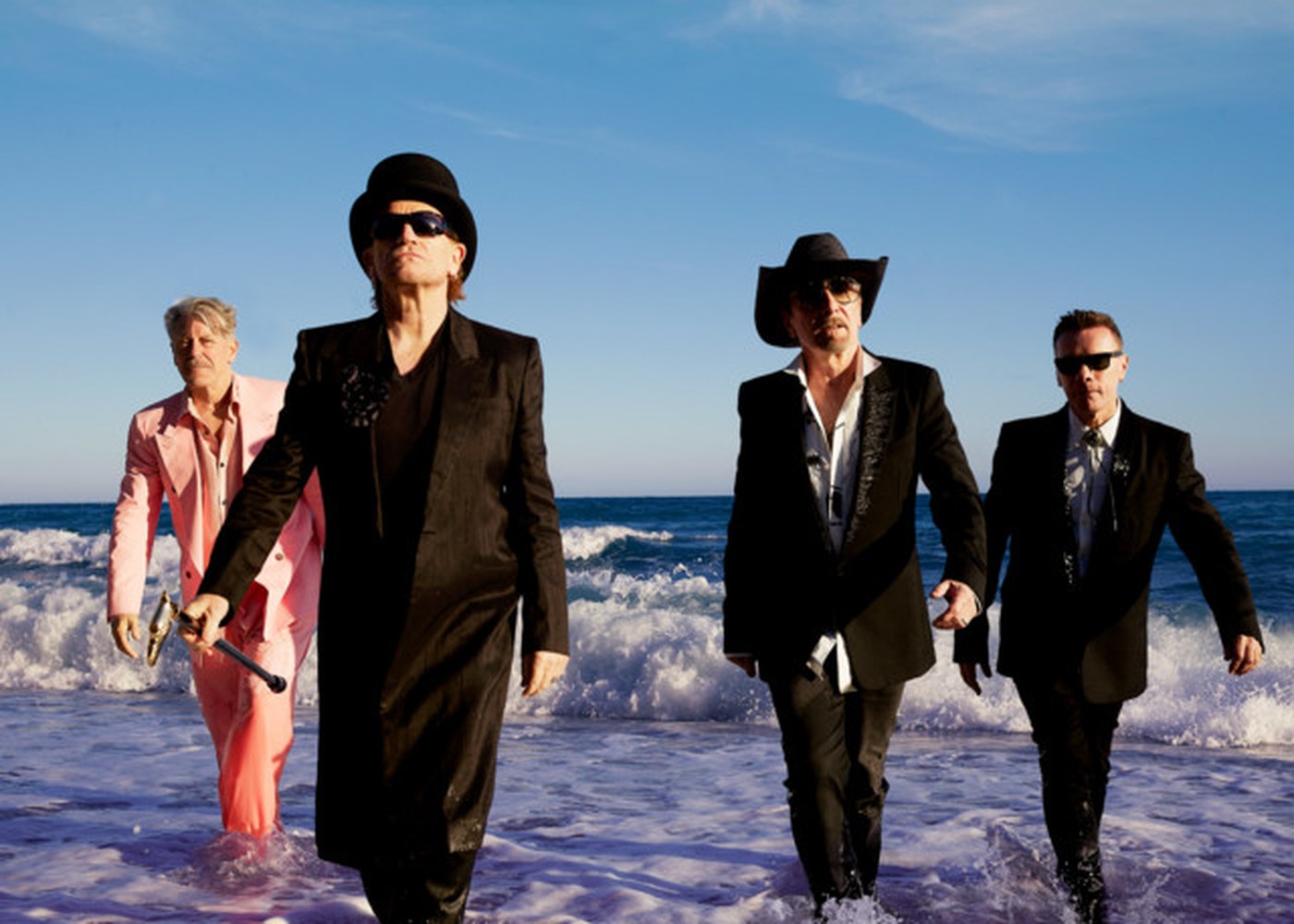
U2's "Silencio" argues that God and violence share the same silence, and that the absence of noise is where you find both rescue and damnation.
Jessie Mazin's debut track wrestles with the guilt of surviving a love you've lost - wanting to grieve cleanly but finding you can't let go.
brakence's "ready or noT" frames internal collapse as a horror story you're both writing and trapped inside. The caveat was always there.
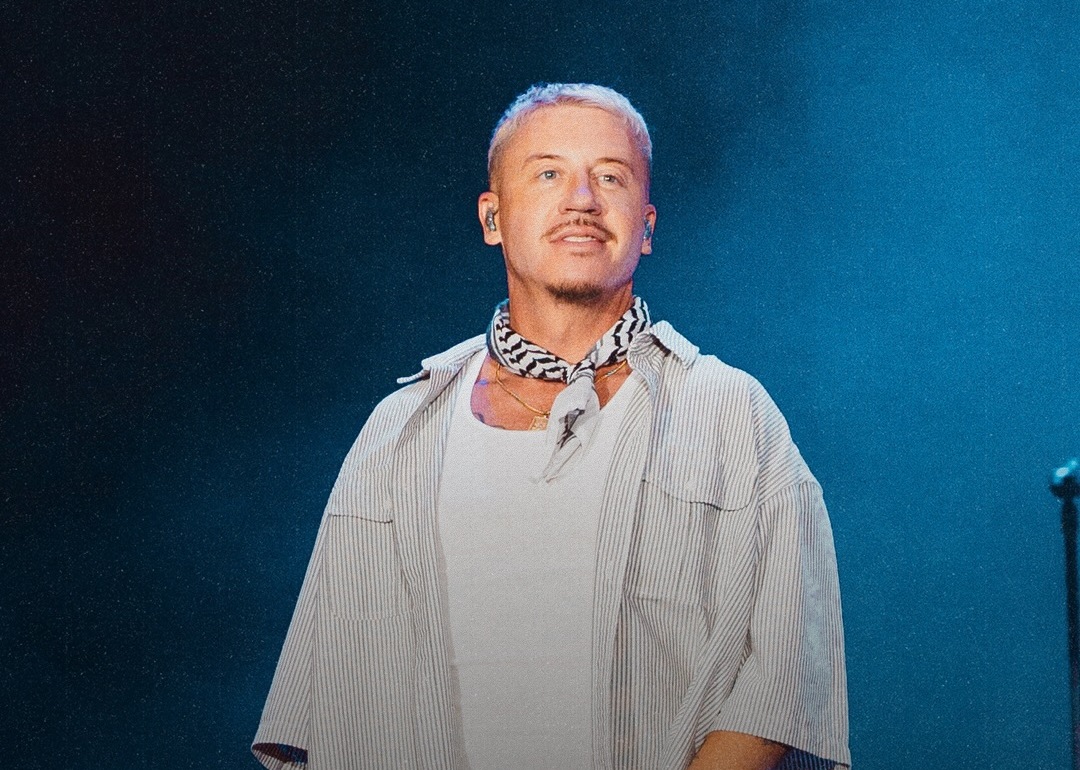
Three weeks after being removed from Ed Sheeran's Loop Tour, Macklemore has booked his own run through Dublin, Paris and London, with every dollar going to organizations supporting Palestinians.
Mack Keane on why Wide Eyed is his real debut, the day "Cherry Red" changed how he makes records, and what touring gave back. A conversation with the LA singer, songwriter and producer.
Twelve songs with Brendan Yates, Mustafa and Daniel Caesar, executive produced by Mustafa and Dylan Wiggins, recorded across six cities. New single “Grandma Song” is out now, and he wants to play the album in your living room.
Two Grammys in February, then guest spots with SPELLLING, American Football, Blood Orange, beabadoobee and Rex Orange County, a remix album with Elton John, and SNL on October 3. The Turnstile singer’s year, in order.
"Rest of Your Life" opens as a tender love song, then reveals the cost of leaving. Dahi's narrator turns devotion into a quiet ultimatum.
"Far Away" is a two-part meditation on where ambition, grief, and human longing actually lead - and the answer keeps circling back to right here.
"Believing" is about holding onto someone while knowing your love might be the very thing that drives them away. Emma Ogier makes hope feel dangerous.
Dahi's "Drowning" argues that ambition stripped of cost guarantees erasure. Elmiene and Ravyn Lenae make the case in under four minutes.
Solana's "Badder" is an unashamed anthem of belonging, using Italian and Kriolu to declare that Cape Verde is paradise, not periphery.
"They Don't Know Me" by Dahi is about reaching a height you can't fully explain, where victory and vertigo feel identical. 156 chars.
Emma Ogier's "Rocksteady/HeavyMetal" is about what it costs to choose someone again when everything in you wants out.
Dahi's "Love Me" is a plea from someone worn down by love's weight, arguing that tenderness isn't weakness but the only honest ask left.
Emma Ogier's "Baby Don't Hurt Me" is about preemptive self-destruction: breaking yourself before someone else gets the chance.
"Find Me" by Dahi maps the exact texture of pursuing someone who refuses to be grasped. The song argues that some people are designed to slip through.
THEATRE's "Messiah" follows a figure who has crowned himself savior of his own longing, worshipping a vision too ghostly to ever be real.
"Jet Lag Mouth" is about two people who see exactly what's broken between them and still can't stop reaching for each other. 158 chars.
Emma Ogier's "First Base" is about being used without being chosen, and knowing it the whole time. Here's what the lyrics actually mean.
Amie Blu's "pretty" is about watching someone drift toward a better match and forgiving them for it. Here's what every line really means.
"Marionette" is about wanting to leave someone but your body refusing. In Color captures the gap between knowing better and doing better anyway.
Emma Ogier's song is about performing recovery for an audience of one. The narrator fakes gestures of love to fill an absence, then dares herself to call that surviving.
Amie Blu's "everything about her" is about watching someone repeat the exact patterns that once destroyed them. Hurt doesn't always teach us. Sometimes it just travels.
"bite" is about the exhausting loop of pushing people away and then mourning their absence. Amie Blu's narrator finally names the pattern.
In Color's "High" maps a toxic relationship onto withdrawal, and the metaphor works because it's not a metaphor. The need is that literal.
Emma Ogier's "Too Young For That" is about the specific betrayal of being loved in private and erased in public. Here's what every key line means.
Fat Nwigwe's "QUEEN" is a declaration of earned authority, built on survival, motherhood, and a refusal to let anyone who abandoned their kids off the hook.
"Headlights" is about wanting someone who keeps leaving. In Color captures the ache of being the person they run to, not the one they stay for.
"Lying Lately" is about being too honest to lie and too scared to tell the truth. Emma Ogier's narrator calls herself a liar while proving the opposite.
"Petty Crimes" argues that the narrator's "bad behavior" is trauma, not character. Mollie Elizabeth flips the blame with stunning precision.
"onsra" is about wanting someone completely while knowing the come-up already took them. comehelpglo captures the exact moment love loses to ambition.
Amie Blu's "trees for the woods" is about how gaslighting warps your grip on reality long after the relationship ends. Here's the full breakdown.
"Universe Awaiting" is about longing for someone who may not be real. Charlie Burg blurs fantasy and memory until the narrator can't tell the difference.
"The Late Show" is about the gap between fantasy and clarity - and how self-awareness doesn't actually fix the mess underneath. ~158 chars
Beck's "Run Away" is about escaping a love that broke you before you knew it was breaking you. The pre-chorus proves you never stopped believing.
Aubory Bugg's "just embers now" is a rare breakup song that refuses grief without faking peace. The fire died, and somehow that's okay.
"Strike Me Down From Heaven" is a plea for proof that love and belief are still possible, disguised as a prayer. Here's what every line means.
After's "Blow Out the Candle" is about the fear of aging as a form of self-erasure, snuffing out wishes and connections before they can exist.
After's "Open Water" is about finally choosing yourself over someone who keeps pulling you under. The ocean isn't a metaphor for love. It's a warning.
"Snowburn" asks whether the people we lose can ever fully feel the lives they imagined. A tender, image-forward reading of After's most haunting song.
"Let's Get Married" is a devotion so overwhelming it has nowhere left to go but the altar. Here's what the lyrics mean.
"Innocent Ways" is Miley's sharpest portrait of loving someone who armors up against the world, and the helplessness of watching them disappear behind it.
"Snow" is a love song about a proposal that wakes someone back to life, and its central claim is that surrender, not strength, is what binds two people.
"Shut Out" is about trying to suppress a painful realization while the mind keeps circling back. It refuses to let you look away.
Architects' "Machine" is about the brutal gap between surviving trauma and actually healing - you can rebuild yourself and still bleed.
VALORANT's "If The Sun Burns Out Tonight" argues that love, at its most raw, is the only reason to survive collapse - not mere comfort during it. 158 chars
South Arcade's "F.A.M.O.U.S" is about wanting fame while resenting what it costs - and the bridge makes that contradiction impossible to ignore.
"Rings Of Saturn" is about the exhaustion of emotional giving before you have enough of yourself left to give. Soccer Mommy makes the ache feel cosmic.
"Wishing Bone" strips away moral certainty, arguing that saints and villains are just roles people play to avoid looking at themselves clearly.
"Blue Light" is about choosing real feeling over comfortable illusion, even when that choice costs you everyone watching. A reading of the key lines.
"Wildfire" is about absorbing someone else's blame until it becomes your own. Wasia Project capture the exhausting loop of waiting for a person who keeps hurting you.
Σtella's "Belinda" is a quiet release: a goodbye to someone who changed everything, wrapped in dreamy images and a refusal to look back.
Wet's "Are You Willing" is about choosing solitude over love and then watching time refuse to care. The song argues that survival and regret aren't opposites.
"Small Town" is about the mutual destruction inside a connection neither person should hold onto, but can't let go of. Here's what the lyrics mean.
"Angel" is about the moment new love stops feeling impossible and starts feeling inevitable. The waiting wasn't wasted. It was preparation.
"The crowd" is Lizzy McAlpine's most devastating song: a tribute to someone lost, where every stage in life becomes a way of keeping them close.
"Mason's song" is a love letter to a friendship that survived its worst year - and a confession that growth only counts when you don't have to do it alone.
"Our strange ways" is about the terrifying contingency of love: every bad choice and dead end was the only path to this person. 158 chars.
"Two elevens" is about holding a love carefully after it ends, proving that a clean goodbye can ache just as much as a bitter one.
"Over country" argues that real love doesn't chase you down - it's already woven into the world, waiting in songs and wind and strangers holding hands.
"Peach" is about the quiet relief of finding yourself whole while someone you love is somewhere else. Solitude becomes the gift, not the wound.
"Soldier of the Road" is about the exhaustion of an industry that promises freedom while keeping you locked in its machinery. Here's what the lyrics mean.
"The moon" is about wanting control in love and losing it completely. McAlpine's narrator craves autonomy but surrenders it with a single kiss.
"I have a friend" is about loving someone you can't publicly claim. McAlpine's narrator holds devotion and secrecy in the same breath.
Lizzy McAlpine's song is about being loved for what you represent, not who you are, and what it costs to finally see that clearly.
"Anybody's fool" is about knowing a relationship is over and still craving it. McAlpine captures the gap between being right and feeling okay.
"Slip Away" is about the brief, necessary relief of forgetting your life has changed, and the cost of knowing you'll always come back to it.
"Up to You" is about knowing yourself well enough to be honest and still fearing that honesty ends the relationship. Slow Pulp turns that fear into a question.
"Like Me" is about the quiet shock of being genuinely liked - and not quite believing it. Slow Pulp unpacks why worthiness feels so hard to accept.
"Entertainer" catches the moment you reach back toward someone you've already decided to leave, and the shame of knowing exactly what you're doing.
"Red Car" is about craving transformation so badly you'd welcome a crash. Slow Pulp turns a stalled engine into a portrait of being stuck in yourself.
"Melodie" is about longing for something that won't hold still long enough to be real. Slow Pulp captures the feeling of reaching for a person who only exists at the edge of sleep.
Lorem ipsum dolor sit amet, consectetur adipiscing elit. Suspendisse varius enim in eros elementum tristique.
.png)


.svg)
.svg)
.svg)