

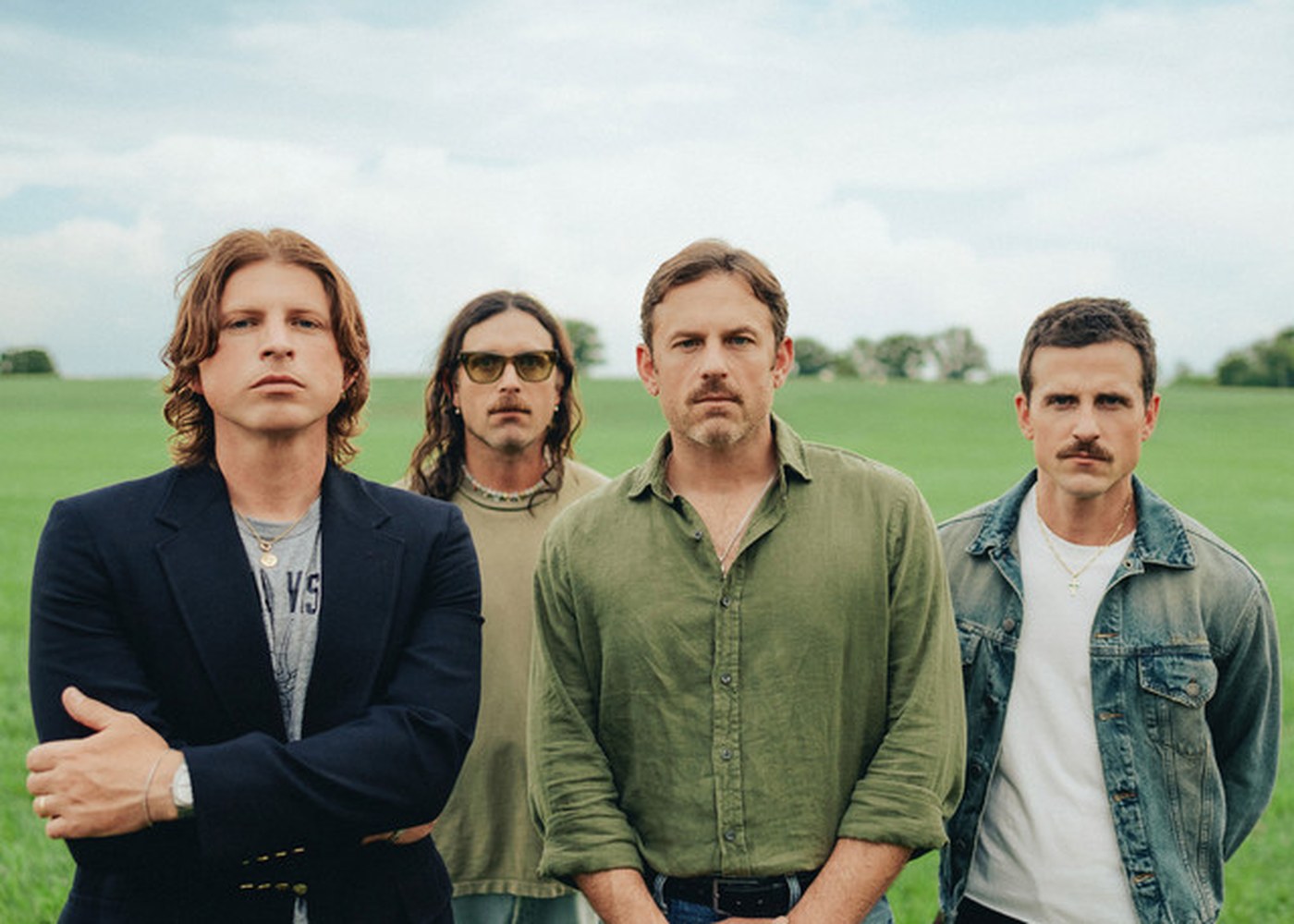
Introduction
You know the hour this song lives in. The sky is going pale, the car still smells like last night, and somebody back home has already called twice. "Cold Blue Dawn" is about a man who chased a rock and roll dream down the road, watched it fail to be what he pictured, and now has to face the family he kept leaving. My read is harsher than the song's soft surface: the narrator chose himself, keeps choosing himself, and calls it survival.
A kid standing in the king's house
It starts warm. A child visits "the home of the king," and the song never tells you which king. It doesn't need to.
"As a kid I would visit the home of the king / Rock and roll fantasies and dreams"
You can picture him in that doorway, looking up at whatever was on the walls, wanting all of it so badly he could taste it, and not having a clue yet what that wanting would cost him or the people driving him home. Then he turns to someone unnamed: "Follow me down the road." He's recruiting. Hold onto that, because the road he's inviting them onto is one he'll soon describe as lonely.
The scream, and the line he doesn't hear himself say
The first verse already admits the dream went sideways. "I imagined it different than this," he says, then names what he got: "Long nights in long cars, lonely bliss." Lonely bliss is a strange thing to want. He half-likes it. That's the problem.
Then the second verse breaks the mood with the only other voice in the whole song.
"'Don't you ever sleep?' she screamed to me"
It makes you flinch, like overhearing a fight through the screen door. Before this line, the song is about dreams. After it, the song is about cost. "She wanted more than I could give," he admits, and he says it with the tone of a man reporting the weather.
Who is she? A lover, most likely. But the mother's long-distance call sits right there in the chorus, and the lyric never rules her out. Either way, someone close to him wanted him present, and he wasn't.
Now the line people keep asking about:
"I got me to get along with"
On the surface it's a shrug. I've got enough trouble just living with myself. But listen to where it sits. The chorus right after tells him to "take care of your own," and he's just told you who his own is. Him. He's the one he tends. The person he can't stop managing, soothing, getting along with, is himself, and she's the one who paid for that. The song never lets him notice it, which is what makes the confession so honest. He thinks he's explaining. He's actually admitting.
Every time the chorus comes around after that, it's an order he keeps failing. Get home. Before dawn. Before your time is up. "Here today, gone tomorrow" stops sounding like folk wisdom and starts sounding like a warning about the people waiting on him.
You couldn't make it up
Here's the weird part. That phrase usually gets pinned to something outlandish. A crazy story. A coincidence. The song pins it to the most ordinary things there are.
"You couldn't make it up / A father's love, mother's long-distance call"
He's stunned that it's still there. After the long cars and the missed sleep and the scream, a dad still loves him and a mom still dials the number. Those are the things too real to invent, because he did nothing to earn them lately. The dove carrying his love is a postcard image, pretty and far off. The phone call is the only thing actually crossing the miles, and it's coming toward him, not from him.
Even the dessert fits. "Ending the night with peaches and cream" sounds sweet until you remember what night he's ending. Somebody's eating peaches and cream while somebody else is screaming about sleep. Honestly, that's the most rock and roll detail in the song.
A fair counterpoint: some fans hear "take care of your own" as permission, the song telling him that minding himself is legitimate. I get it. I just think the scream makes that hard to swallow.
The dream that stops existing
The last verse repeats the first almost word for word. Almost. Early on he sang, "If only, but it don't exist for long." At the end he drops two words: "If only, but it don't exist." The dream used to fade. Now it's gone, period, and he's alone with "Long-distance" echoing and the dawn coming up whether he's home or not.
Conclusion
So picture it again. Four a.m., phone face-down on the passenger seat, another family thing missed. The song doesn't punish him and doesn't let him off. It just keeps the chorus running, keeps the mother calling, keeps the father loving him, and lets the kid from the king's house figure out that the dream he got was the lonely version. The last thing he says is "Cold blue dawn," by himself. That's the deadline. The love is still out there reaching, and the real question the song leaves you with is whether he finally turns the car toward it.
Frequently Asked Questions
What is "Cold Blue Dawn" by Kings of Leon about?
It follows a man who dreamed of rock and roll as a kid, chased that life down the road, and found it lonely and costly. The chorus pushes him to get home and take care of his family before time runs out, while his parents' love keeps reaching him anyway.
What does "I got me to get along with" mean in "Cold Blue Dawn"?
It comes right after he admits a woman wanted more than he could give. On the surface it's a shrug about having enough trouble with himself, but next to the chorus's "take care of your own," it shows he's been treating himself as the person he has to look after first.
What does "You couldn't make it up" refer to in the song?
It points to "a father's love, mother's long-distance call." The phrase usually describes something unbelievable, so attaching it to ordinary family love shows the narrator is amazed that love still reaches him after everything he's missed.
Lyric analysis powered by Scalpel.


Comments
Loading comments…