

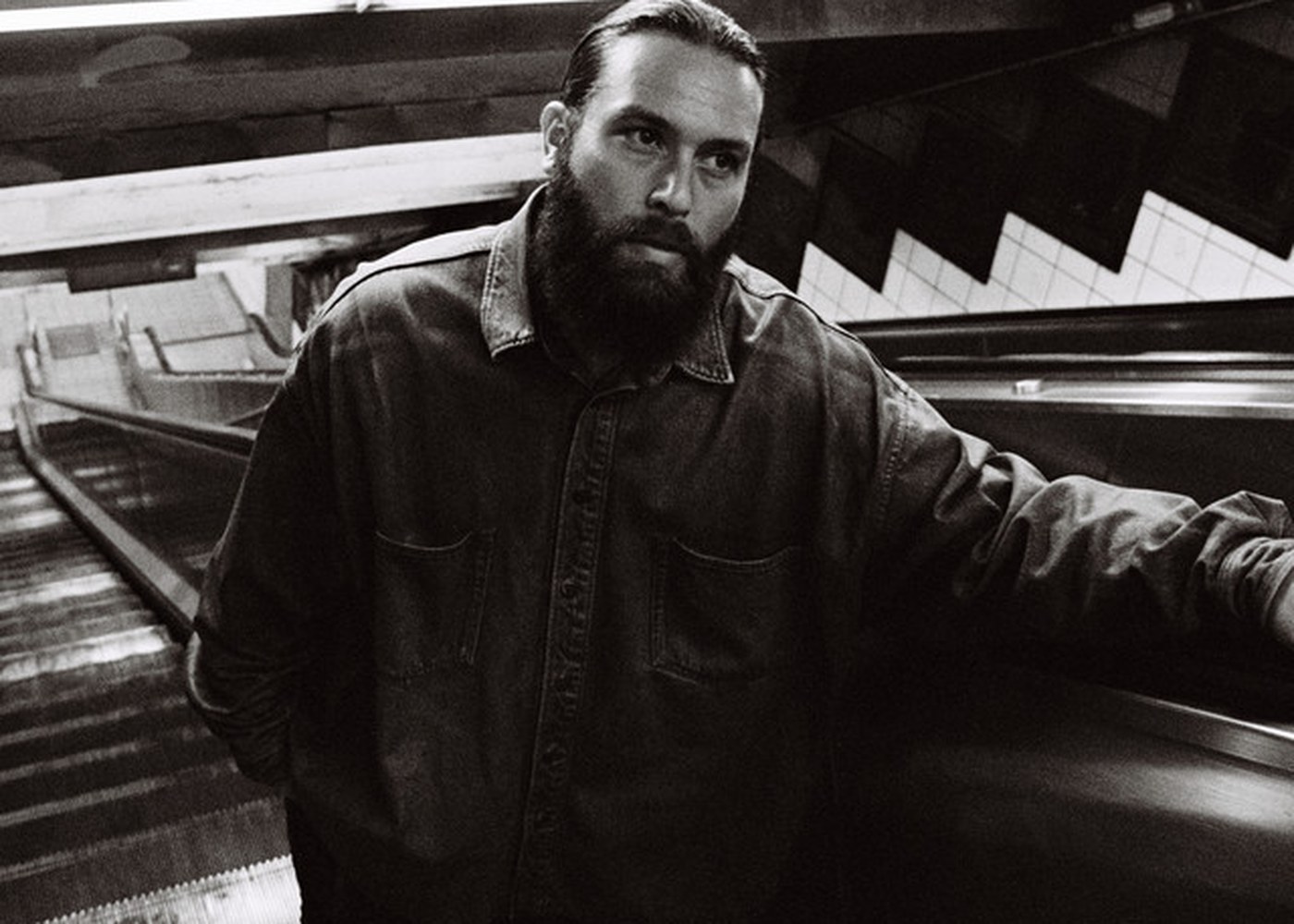
"The Light" is a song about someone talking themselves into a reunion they are slowly losing faith in, and the proof is that the narrator's certainty gets louder at exactly the moment the meeting drifts further out of reach. On the surface it sounds like a hymn of arrival, all light and blessing and souls carried home. But follow the tenses, and watch how the chorus swells as the promise recedes, and you hear a person standing in the rain after a loss, insisting out loud that the sky still has a door in it. The song is about wanting to believe you'll see someone again more than you actually do.
Verse 1: a reunion that has already happened, somehow
The opening line arrives slightly broken, and that seems right for where the narrator is standing emotionally.
"Will you meet there me at the old skies?"
"Meet there me" scrambles the word order, and whether it's a slip in the transcription or a deliberate stumble, it puts a catch in the throat before the song has properly begun. Then there's "old skies," which is the image everything else hangs on. Skies don't age; they're the one thing overhead that looks the same to everyone who has ever lived. Calling them old turns the sky into a place with a history, somewhere two people have walked before and can find again, which is exactly what the next lines claim: "You'll know where to go / We've been there before." The old skies are a shared memory dressed up as a destination, and the narrator is asking the other person to meet them inside the past.
Then something strange happens. In the same verse that asks whether the meeting will take place, the narrator says "so glad you came," as if the person is already here. Arrival and waiting sit side by side without either one giving way, the way they do when you dream about someone who's gone and wake up still half in the conversation. Nothing in the verse can be touched, either: no hands, no faces, no rooms, only motion words like meet, go, came, carry on. The reunion has a direction but no body.
It's warm. It's also impossible.
The pre-chorus, said like a prayer bead
"And I know that it's real / Yes, I know that it's real" is the first sign of a narrator answering an objection nobody voiced. Two lines, one repeated claim, and the song moves on.
Verse 2: the meeting slides into someday
Verse 2 opens with almost the same question as Verse 1, and the tiny revision changes the whole song: "Will you meet there when the time is right?" The old skies are gone from the line, and so is the gladness that the person came. In their place is a deferral, a someday with no date on it, the kind of phrase people reach for when the answer feels uncertain and far off. The reunion that felt present a verse ago has quietly been rescheduled into the future, and the narrator never admits that anything moved.
Instead, the narrator gives directions, which is what you do when you can't give a time.
"Just follow the light / And the light that shines after the rain"
"Just follow the light" is the line people come to this song for, and it carries real tenderness: you don't need a map, you don't need to remember the way, you just walk toward what's bright. Read alongside "when the time is right," it also sounds like the language of a deathbed or a graveside, the old instruction to go toward the light, offered here as a promise that both people will eventually end up in the same glow. The detail that matters is the condition attached to it. This light only shines after the rain, so the path to the meeting runs straight through the storm first. The narrator is admitting, without quite saying it, that grief comes before any reunion.
Then the verse tries to reason its way out. "And rain means blessings / So blessed souls" is a tiny logic proof performed in the middle of a hymn: rain equals blessing, therefore we are blessed. It's the kind of argument you make to yourself at 2 a.m., and it ends as a fragment with no verb, a conclusion that just trails off. I love that the syllogism doesn't finish. "Souls" is also the closest the song ever gets to a body, and it's the one part of a person that isn't one.
The logic runs out mid-sentence.
Eight times "I ain't dreamin'"
After Verse 1, the chorus says "I ain't dreamin'" twice. After Verse 2, with the meeting pushed into an unnamed future, it says it four times. The doubling is the whole argument of the song in miniature: the further away the reunion gets, the harder the narrator leans on the insistence that it's real. People who are sure they're awake rarely announce it eight times, and the repetition works the way a hand on a shoulder does, soothing and worrying at once.
A reasonable fan could hear the swelling chorus as pure faith gathering strength, a believer getting more joyful as the vision clarifies, and the hymn-like phrasing gives that reading real support. But the timing argues against it. The certainty grows precisely after the narrator loses the present tense, and that sequence is what a person sounds like when doubt is getting louder underneath.
The song ends on the denial.
Conclusion
The narrator of "The Light" begins with the person already arrived and ends with them somewhere past the rain, waiting for a time that may never be right, and the chorus fills that widening gap with louder and louder reassurance. What moves me most is that the song never catches itself. It doesn't confess the doubt or resolve it; it keeps walking toward the light and repeating the words, which is what grief often looks like from the inside. You put this on driving home from a funeral, and by the last "I ain't dreamin'" you understand that saying it is the only thing keeping the old skies open.
Frequently Asked Questions
What is "The Light" by Nick Hakim about?
The song is a plea to meet someone again at a place called "the old skies," a shared spot from the past. As the meeting shifts from the present to "when the time is right," the narrator's repeated "I ain't dreamin'" grows louder, which reads as someone convincing themselves a reunion, possibly after death, is still possible.
What does "Will you meet there me at the old skies?" mean?
The narrator is asking someone to return to a place both of them already know, since the next lines say "we've been there before." Calling the skies "old" turns the sky into a remembered location, so the meeting is really a return to shared history. The scrambled "meet there me" adds an audible stumble to the request.
What does "Just follow the light" mean in the song?
It's the narrator's directions to the meeting place: no map needed, just walk toward what's bright. The light specifically "shines after the rain," so the path to reunion passes through hardship first, and the phrasing echoes the familiar idea of going toward the light at the end of life.
Lyric analysis powered by Scalpel.


Comments
Loading comments…