

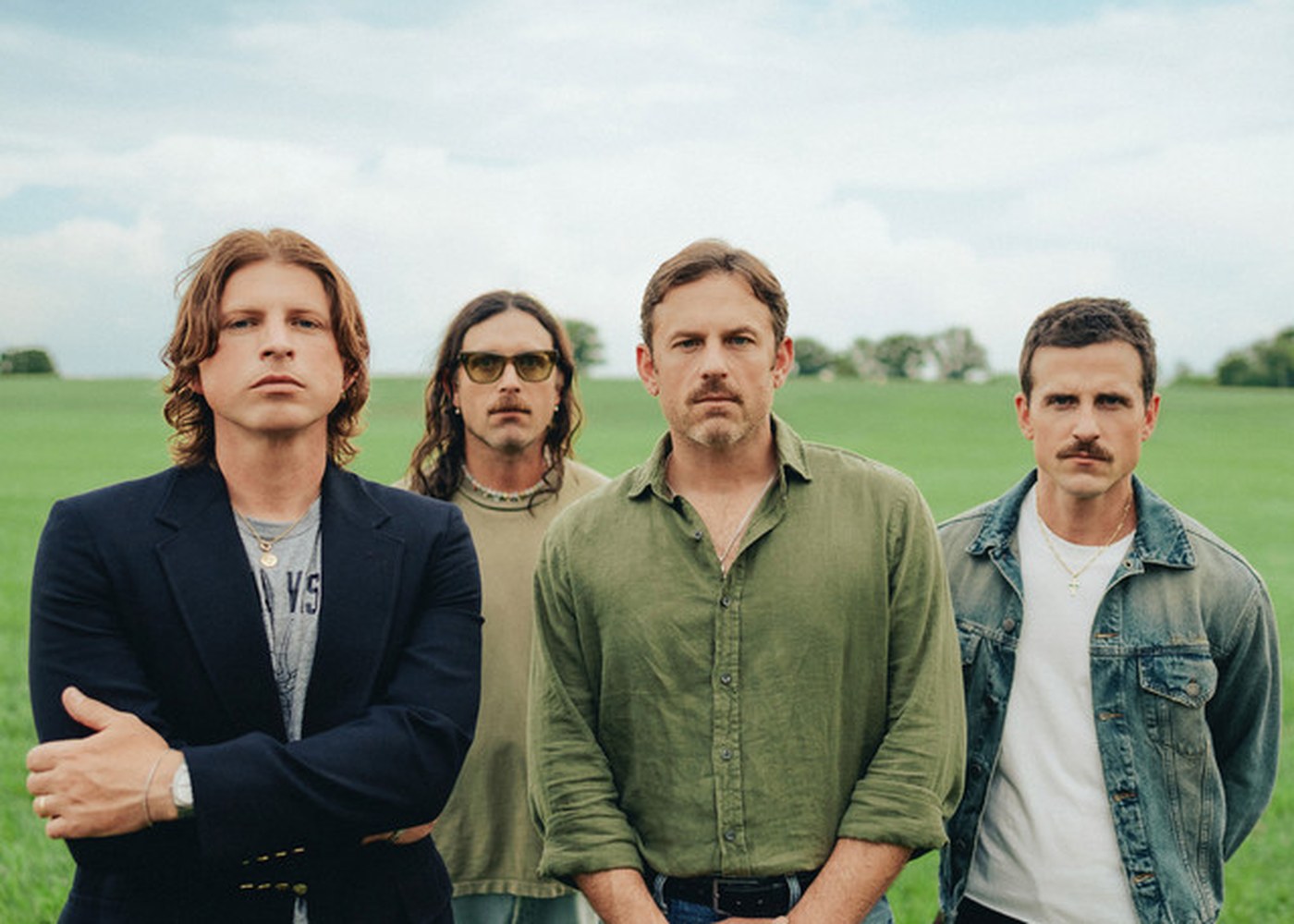
"Rose" is a love song and a funeral hymn, and Kings of Leon seem perfectly at peace with that. The same lyric that celebrates a kiss lasting two lifetimes turns around and tells you the road only goes one direction. Most songs about enduring love pick a lane. This one refuses, and that refusal is exactly the point.
The song's argument is this: real devotion means accompanying someone all the way to the end of the road, not just the good stretches. That's something closer to the deepest kind of loyalty, the kind that doesn't flinch when the horizon gets darker.
The Rose and the Weight of Knowing
The opening image is deliberate and unhurried. A rose planted in a garden, placed there with intention, before a day the narrator already knew was coming. There's no dramatic reveal here, no surprise. The narrator knew. They planted it anyway.
"I planted for you / I knew this day was coming / It was the right thing to do"
That phrase, "the right thing to do," carries more than tenderness. It carries resolve. This was a choice made with open eyes, not swept up in feeling. What follows deepens it: "For the load, don't get any lighter / 'Til you throw it all away." There's no promise that loving someone lifelong gets easier. The narrator isn't selling a fantasy. They're saying they'll carry the weight anyway, right until there's nothing left to carry.
Two Lifetimes From One Kiss
The song's most striking claim arrives softly, almost like it's just checking in.
"When we kissed our first kiss / Who could have known / It would last two lifetimes"
Two lifetimes. Not one. The phrasing is worth sitting with, because it isn't hyperbole for its own sake. The love didn't just last a lifetime; it outlasted the people it belonged to. It echoes through heartaches and homes, plural, through versions of two people who changed and kept finding each other in the change. The line I keep coming back to is "through heartaches and homes" because it refuses to separate the painful from the domestic. The hardships and the houses are the same story.
This is the song at its most generous. And it's immediately followed by the road closing off.
The Road That Doesn't Come Back
"For the road don't get any wider / Once you go, you don't come back." Two sentences. Done.
The song doesn't dramatize this. It doesn't linger on the loss or dress it in grief. The narrator states it the way you'd state the weather. The road narrows. There's no return. What matters is what happens between accepting that fact and arriving there, and the answer the song gives is the chorus: "We gon' let it ride."
The chanted lines underneath, "got you by my side, we will survive / we gon' let it ride, staying alive," run simultaneously through the final stretch of the song, holding defiance and resignation in the same breath. Survival here doesn't mean escaping the destination. It means staying present for the journey, together, right to the edge of the road.
All the Gold Comes From the Black
Late in the song, buried inside the layered chanting, the narrator delivers the line that reframes everything that came before it.
"When you hold your heart to the fire / All the gold comes from the black"
It's an alchemist's image: precious metal forged from darkness, purity extracted from burning. The narrator isn't saying the hard parts were worth it despite the pain. They're saying the hard parts were the source. The heartaches listed earlier weren't obstacles to a good life together. They were the material. Everything valuable came out of the fire.
That's a genuinely difficult claim to make and mean it, and the song earns it because it never pretended the road was easy. The load didn't get lighter. The road didn't get wider. It just produced gold.
Where the Song Lands
A fair reading exists where "Rose" is simply about mortality: one partner guiding the other toward death, planting a flower as a marker of love that will outlast them both. That reading holds up. But the song seems bigger than one event. The two lifetimes, the plural homes, the accumulated heartaches all point to a love that has already survived so much that the final road is just the last in a long series of hard passages, navigated the same way as all the others: side by side, letting it ride.
The rose in the opening garden is patient. Planted ahead of time, waiting to be found. The whole song operates like that. It was always going to arrive here. And somebody made sure the place was ready.
Frequently Asked Questions
What is "Rose" by Kings of Leon about?
"Rose" is about a love that endures across a lifetime of hardship, anchored by the image of a rose planted as an act of devotion before an inevitable ending. The song holds lifelong commitment and the certainty of loss in the same breath, arguing that the painful parts of a shared life are exactly what makes it valuable.
What does "All the gold comes from the black" mean in "Rose"?
The line uses an alchemical image of precious metal forged through fire and darkness. In context, it means the most valuable parts of a long relationship, the love, the bond, the meaning, came directly out of the hardest times. The darkness wasn't a detour from the gold. It was the source of it.
What does "It would last two lifetimes" mean in "Rose"?
Lyric analysis powered by Scalpel.


Comments
Loading comments…