

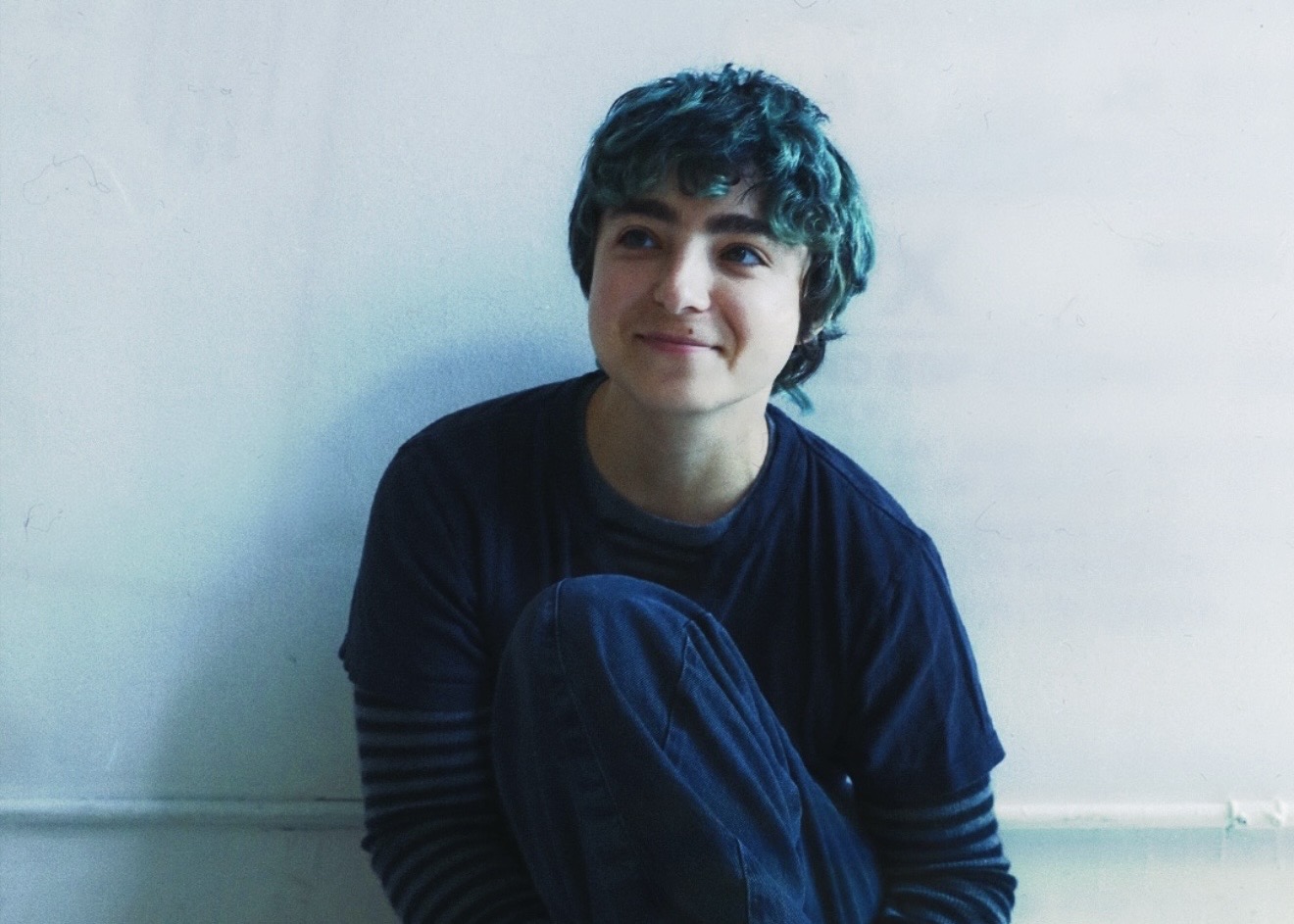
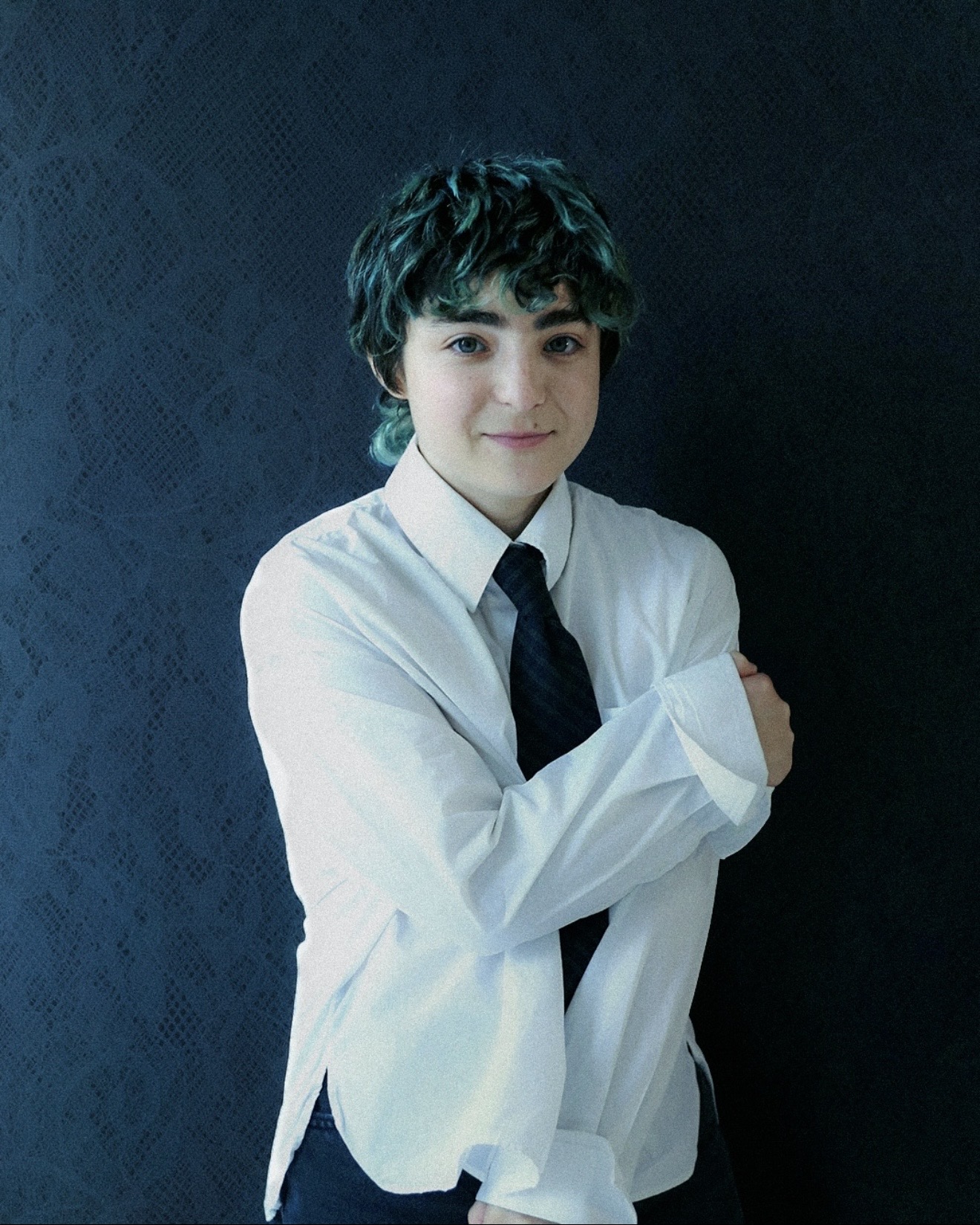
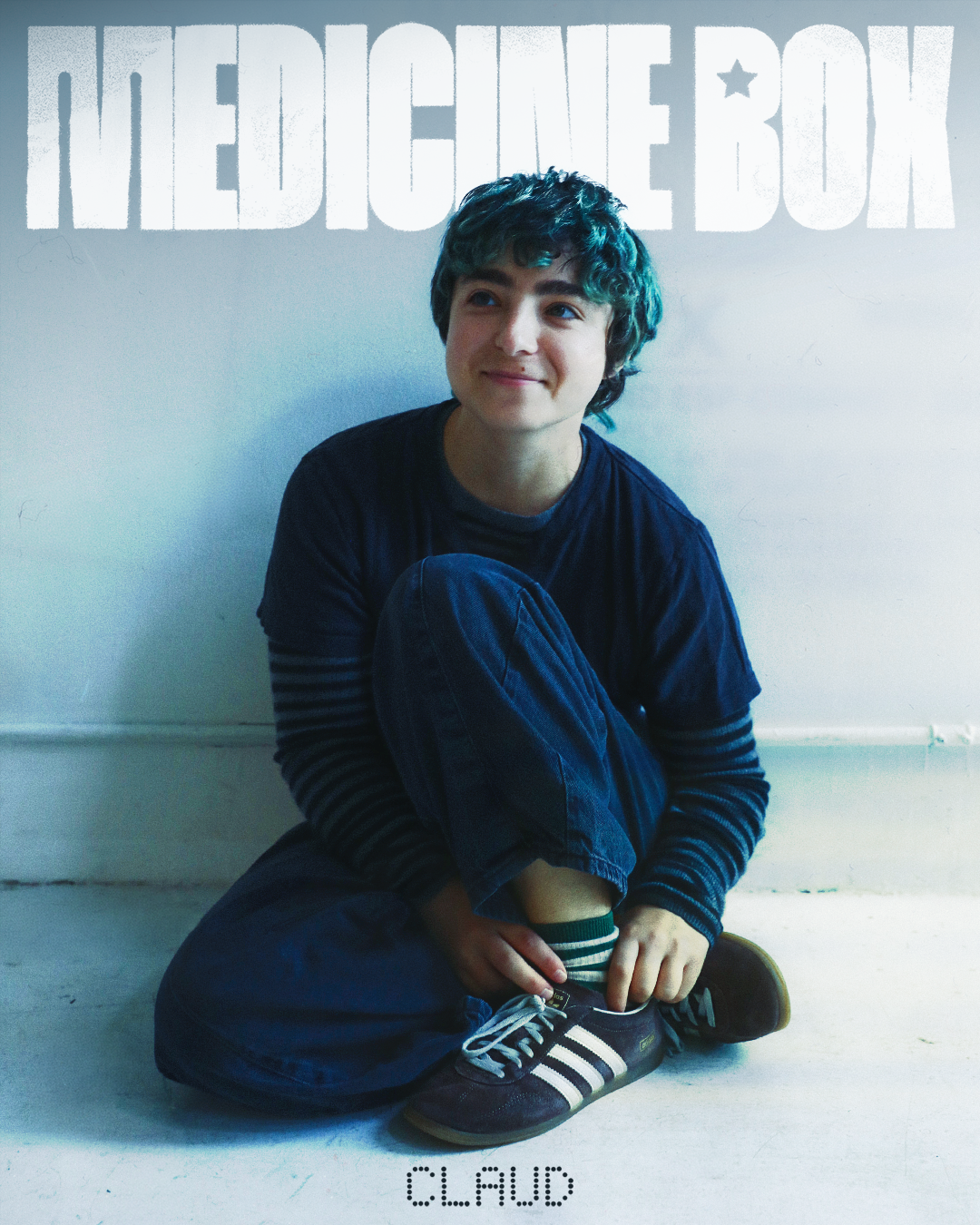
Ask Claud to describe their third album to someone who has never heard them, and the answer arrives fully formed:
"If The Beatles, The Monkees and The Wiggles had a baby, it would be a non-binary person penned record called Me and the Music."
It is a joke, and it is also accurate. Claud talks the way the record sounds: quick, direct, willing to be funny about something that matters to them, then quietly serious a sentence later. They answer a question about production with a story about grief and a question about grief with a story about soup. The two registers never feel like a contradiction. They feel like the same person.
That is the center of Me and the Music. Claud describes the opening track as "hopeful and desperate" and the closing track as "hopeful and sweet but also pretty fucking depressing," and the ten songs between them hold both feelings at once, on purpose. The record is not light instead of heavy. It is light and heavy in the same breath, and the only thing Claud refused to let it be was numb.
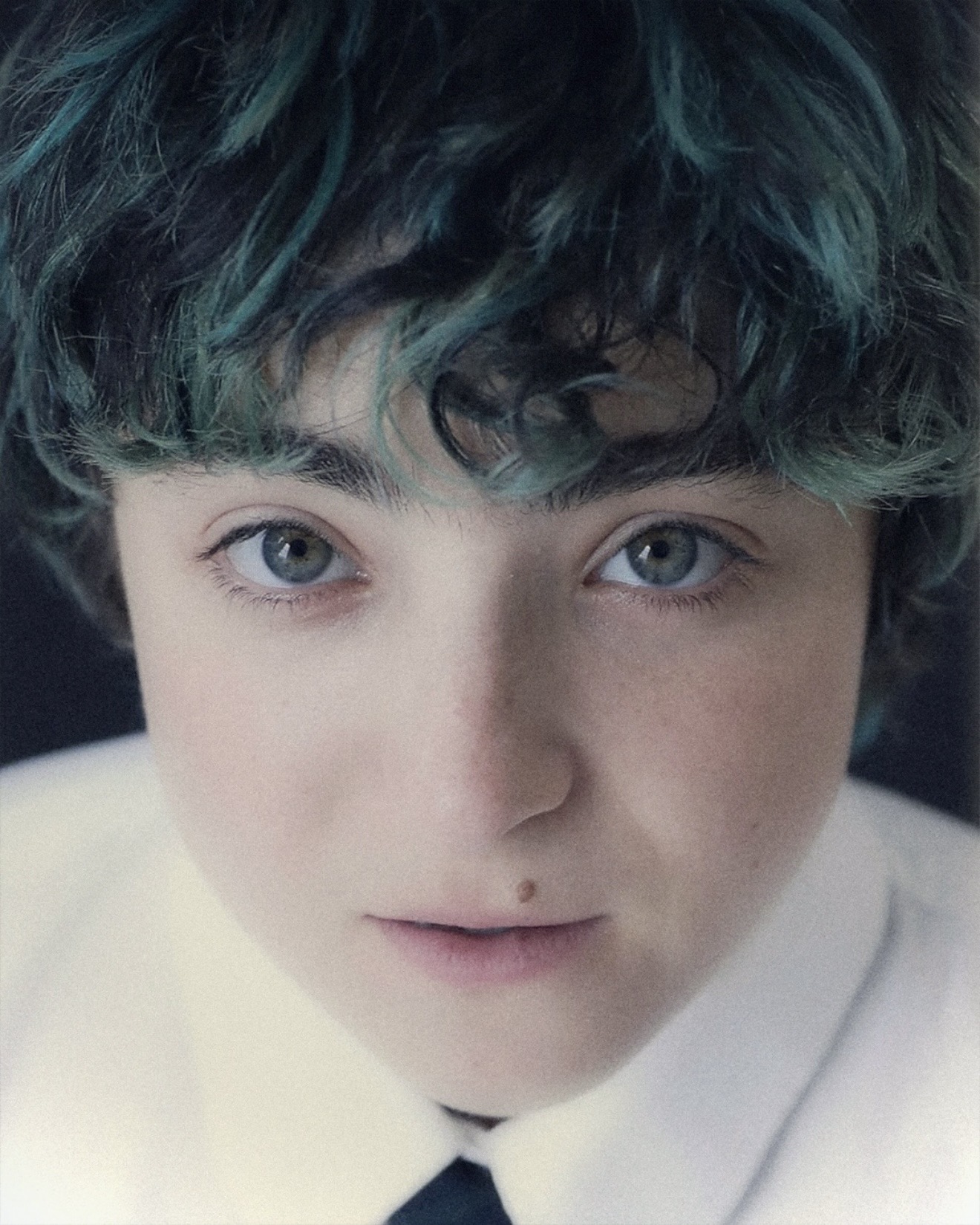
Hopeful and desperate
The album opens on "Gay Witchcraft." "Everything about it sort of feels like an opener," Claud says.
"It's hopeful and desperate, and the intro sounds kind of like Friday Night Lights, which I love."
For a long time, that was going to be the whole mood. Claud and their friend Hank Heaven wrote "a bunch of sad acoustic songs" for the record, and there was a point when they believed the finished album would sound like "Spells and Fortune Tellers," the quietest, most wounded song on it. "I really do have a whole album worth of songs that feel like that one," they say.
Then, about six months before recording, three songs arrived that did not fit the plan. "Just Kidding," "I'm Too Sensitive" and "She Doesn't Love Me" were, in Claud's words, "all super up tempo in a way I wasn't going for or expecting." They could have set them aside. Instead they let the new songs change the record.
"There was a point in time when I thought the whole record would sound like 'Spells and Fortune Tellers.'"
"She Doesn't Love Me" became the lead single. It casts America as the girlfriend who will not love you back, and it plays as a love song rather than a protest, beers in the air. Asked why they didn't write it angry, Claud's answer is short. "I think an angry song is too predictable, but also implied." The anger is in the song. It just isn't the song.
Too unserious
The balance runs the other direction too. Claud cut a track called "Chihuahua Shake," about shaking like a chihuahua when their crush walks into the room, at the last second. "It was a little too unserious," they say. There is a line, and they know where it is.
The song that sits exactly on that line is the title track, and it is the one Claud is proudest of. "I think my production really shines here," they say. "John really let me take the reins with this one." John is John Congleton, who co-produced the album, and the two of them found its spine almost by accident: a song they made together two years ago, built on a Jupiter-8, that became what Claud calls the North Star of the record. That synth now runs under much of the album as a drone, "to tie every song into each other and keep it identifiable as this record." None of that is on the early demos. Claud didn't touch the instrument until later in the process, once the songs had been lived with. "A demo is usually done in a day," they say.
They wrote "Me and the Music" at the point they least wanted to make any.
"When I wrote it, at that time in my life, I kind of hated music,"
they say. "I was really burnt out." So they wrote a love song to it, mostly as a joke. "I was making fun of sincerity when I wrote that. But it actually was kind of true."
"I hate music right now, so why not write about it? Hate is not the opposite of love."
The exhaustion has lifted. Asked whether anything on the album might matter less to them in five years, this is where they go. "I hope I don't feel that again five years from now."
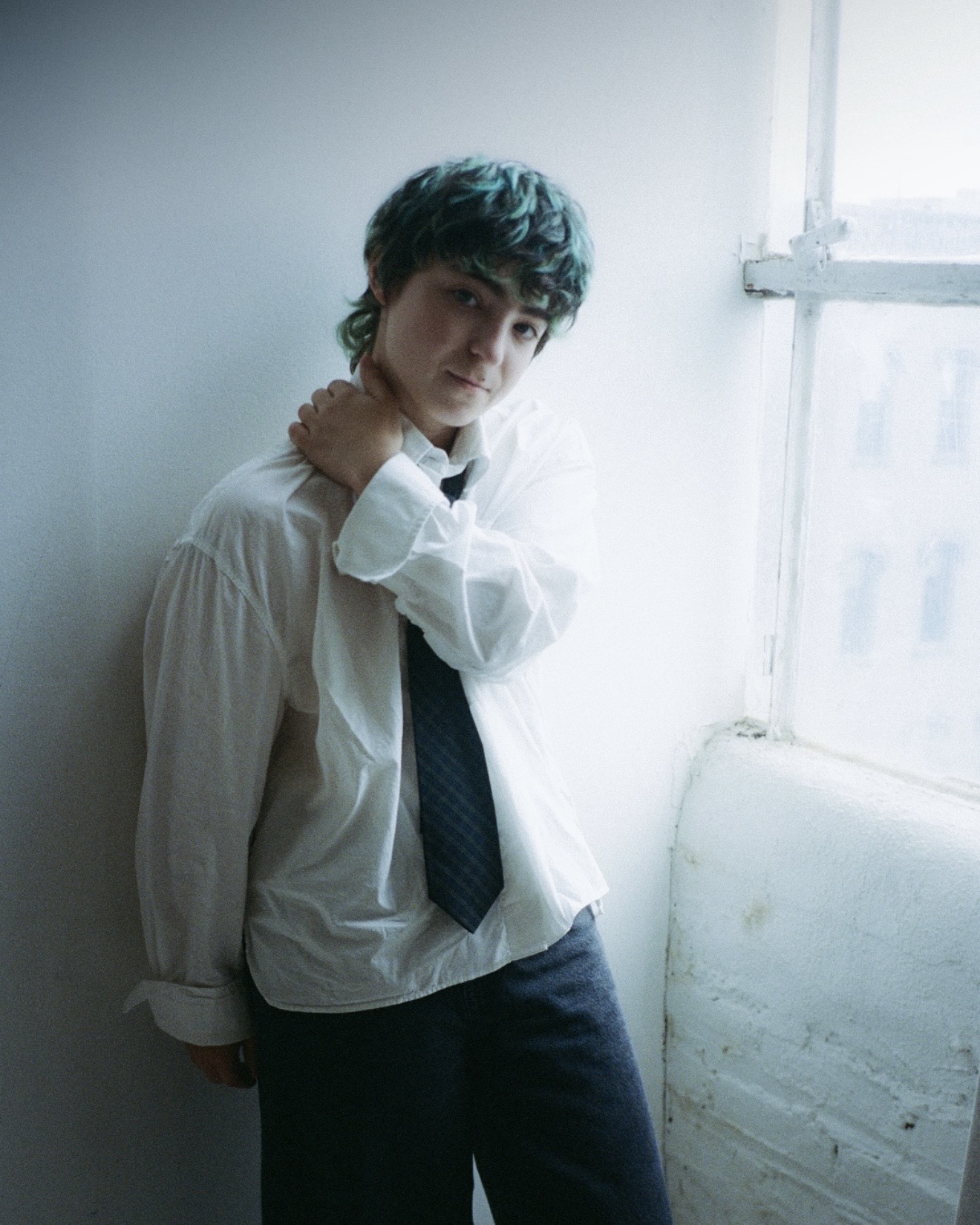
Let's End on a Good Note
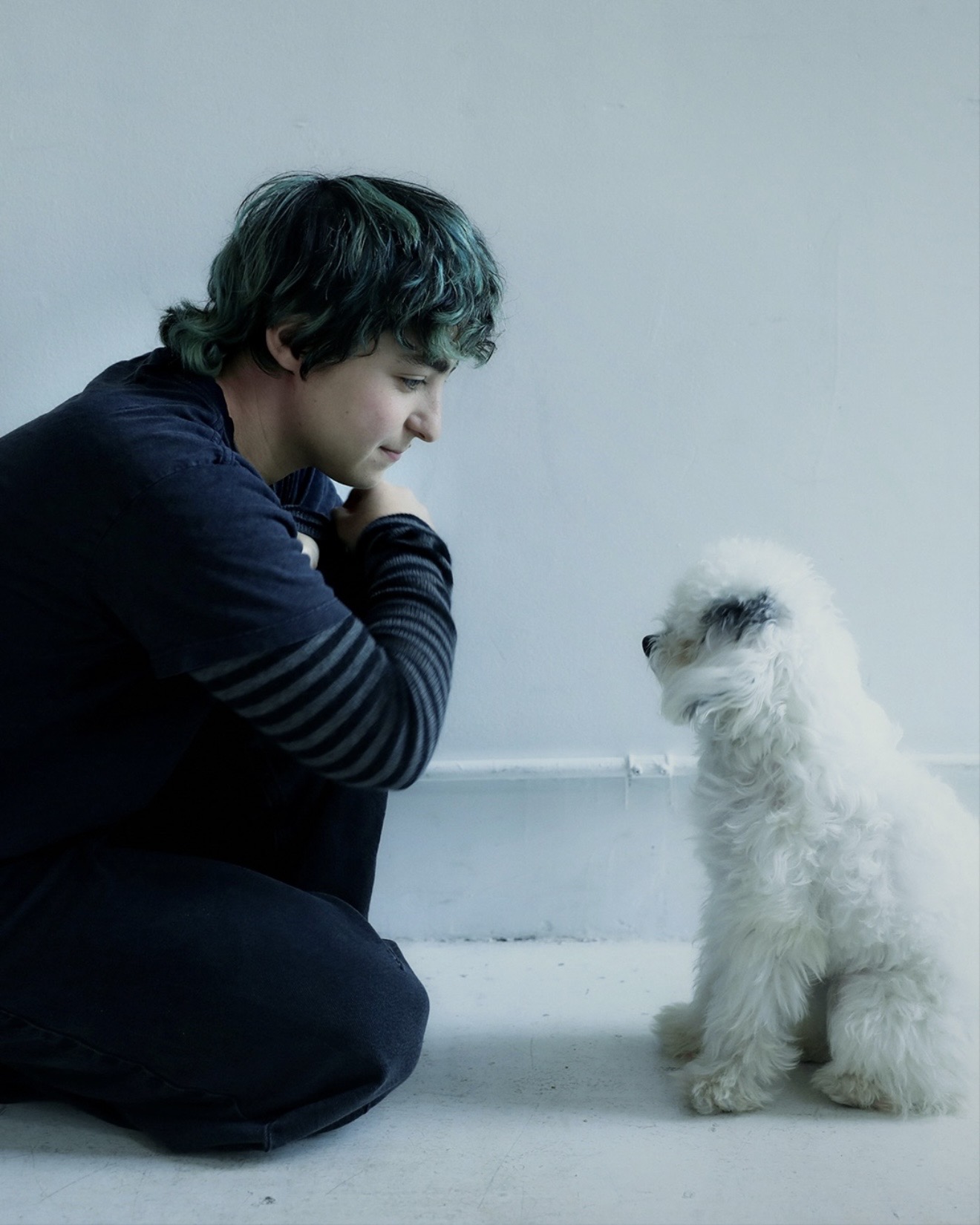
The register holds even off the record. Ask Claud what they find romantic and the answer is soup: their partner learned to make it, their partner hates it, and they make it anyway. "I think that's very romantic." Ask about the new puppy, a rescue from Animal Haven, and you get a handful, perfect and crazy, in that order, and a dog who screams every time Claud leaves the room. "So I just won't leave the room anymore."
The album closes on "Let's End on a Good Note." Asked which song feels the most personal, Claud names it without hesitating. "I feel like I had a lot of closure there," they say. "There were a lot of open ends, not just a relationship but friendships and things like that in my life. The idea of closure, I was circling for a long time."
The title came before the song. Claud had told Bram Inscore, a producer and friend they had worked with since they were about 18, that they wanted to write a song by that name. They began working together in 2023, and he died ten days in, before they got to it. "I always thought I would write it with him," Claud says. It was the hardest song on the record to finish.
Asked what they want someone to feel in its last thirty seconds, when the album is over, Claud returns to the two feelings at once.
"That song is hopeful and sweet but also pretty fucking depressing. So I hope people feel comforted by the fact that closure and moving on doesn't have to mean you feel nothing at all."
Me and the Music doesn't choose between the two. It's both, and!
Interview Transcript
MEDICINE BOX: You've grown from making music in your bedroom to producing your own songs. What feels natural now that once felt really difficult?
CLAUD: Playing with musicians feels really natural now, and knowing how to talk to musicians. It's like a whole other language. When you go from playing everything yourself to being able to communicate what style of playing you want, what kind of drum part you want, what you want the guitar part to feel like, it's a whole other thing. That was really scary at first but now feels more natural.
MEDICINE BOX: Was that just by living through it, or did you have mentors?
CLAUD: Just doing it a million times, and working with musicians who understand what you mean when you don't have the technical terms.
MEDICINE BOX: Not having an ego.
CLAUD: Yeah, exactly.
MEDICINE BOX: What small detail in your music do you fixate on that most listeners might miss?
CLAUD: That's such a good question. The point of this is for listeners to not really notice, but I fixate on vocal doubles. Every time I sing with my song I double it, I sing over it, and at some points I'll do it again and again because I really don't want people to notice the double, or I'll do it again because I want people to notice the double and the two different ways I'm singing something. So I really fixate on vocal doubles.
MEDICINE BOX: That sounds really hard.
CLAUD: It's honestly way easier to do the double than it is to do the first one.
MEDICINE BOX: If I heard an early demo and the finished version of one song, what change between those two would reveal the most about you as a producer?
CLAUD: That's such an interesting question. A demo is usually done in a day, and the final version is usually, not always, but usually kind of ruminated on. It's just taken more time, so there's naturally more details. I did this record with this producer John Congleton, and him and I made a song together like two years ago that became sort of the North Star of the record. It was done on a Jupiter-8, and that synth ended up covering a lot of the record, being a drone tone under a lot of it. We used that as a tool for cohesiveness, and it's nowhere on the demos. I didn't even touch that instrument until later. We did use a Prophet on a lot of the songs, but this in particular is a Jupiter. That's something that's really different from the demos, this thing we use throughout the record to tie every song into each other and keep it identifiable as this record.
MEDICINE BOX: "Me and the Music" and "Let's End on a Good Note" suggest you've gained distance from a relationship and learned to let things go. Are there things on the new album that feel really important to you right now that in five-plus years might not hold that importance?
CLAUD: "Me and the Music" held so much weight for me because when I wrote it, at that time in my life, I kind of hated music. I was really burnt out. And writing that song, it's like a love song to music almost. It doesn't matter what goes wrong, I love music. I was making fun of sincerity when I wrote that, but it actually was kind of true. I was like, that's funny, I hate music right now, so why not write about it? Hate is not the opposite of love. I think my exhaustion with music has gone away, and I hope I don't feel that again five years from now.
MEDICINE BOX: What song on the new album feels the most personal to you?
CLAUD: Probably "Let's End on a Good Note." I feel like I had a lot of closure there. There were a lot of open ends, not just a relationship but friendships and things like that in my life. The idea of closure, I was circling for a long time, and I had that song title that I knew I wanted to write for a while. I started writing this album in 2023 with a producer named Bram Inscore, who I'd worked with since I was like 18, and then he died ten days into us working on the record, which was really sad. We had all these unfinished songs, and I was telling him at the time that I really wanted to write a song called "Let's End on a Good Note," and we just never got to it in time. So that song was definitely the hardest to write, because I always thought I would write it with him. It definitely feels the most like, this is closure.
MEDICINE BOX: I'm sorry that happened. Did you bring some of his influence into that song, or the album?
CLAUD: Yeah. He wrote kind of the most amazing bass lines ever. He was one of the most proficient bass players I've ever met, and a keys player, he really had a knack for melody lines. So with a lot of the songs on the record I kind of obsessed over the bass line, like, okay, I want you to play it like this, that's not how Bram would play it, he would play it more like this. And actually the drummer who ended up drumming on my record used to play with Bram all the time, so he was really familiar with the way Bram would play, and he really understood what I was talking about when I would reference him. That was really nice.
MEDICINE BOX: What do you find really romantic that's really niche?
CLAUD: My favorite food is soup, and my partner learned how to make soup, and they hate soup, and they make me soup all the time, but they hate it. I think that's very romantic, that they make me soup. Soup making is romantic.
MEDICINE BOX: How has it been being a new parent?
CLAUD: Oh my god, I have a new puppy. It's awesome. She's a handful, but I love her. I think I was born to be a dog dad. I always knew I wanted a dog, and everyone's like, don't do it, it's gonna take over your life. But I just knew that I wanted one and I needed one, and then I found her. Shout out Animal Haven, amazing rescue. She's perfect. She is crazy and screams and cries every time I leave the room, but then I just won't leave the room anymore.
MEDICINE BOX: If you had to describe Me and the Music in a sentence to someone who's never heard you, what would you say?
CLAUD: If The Beatles, The Monkees and The Wiggles had a baby, it would be a non-binary person penned record called Me and the Music.
MEDICINE BOX: "Gay Witchcraft" is the first thing people hear. Why open there, and what does it set up for the rest of the record?
CLAUD: Everything about it sort of feels like an opener. It's hopeful and desperate, and the intro sounds kind of like Friday Night Lights, which I love.
MEDICINE BOX: Were there songs that didn't make it? Which one was hardest to leave off?
CLAUD: There were so many songs that didn't make it. I cut a song called "Chihuahua Shake" about shaking like a chihuahua when I see my crush. It was a little too unserious, so I took it off the album at the last second.
MEDICINE BOX: What's one moment on the album you're proudest of that you think most people will miss?
CLAUD: I'm really proud of the title track, "Me and the Music." I think my production really shines here. John really let me take the reins with this one.
MEDICINE BOX: Was there a point in making this record where it became a different album than the one you started? What changed?
CLAUD: Oh definitely. My friend Hank Heaven and I wrote a bunch of sad acoustic songs for this album, and then about six months before recording I wrote "Just Kidding," "I'm Too Sensitive" and "She Doesn't Love Me," which are all super up tempo in a way I wasn't going for or expecting. There was a point in time though when I thought the whole record would sound like "Spells and Fortune Tellers," because I really do have a whole album worth of songs that feel like that one.
MEDICINE BOX: What do you want someone to feel in the last thirty seconds of "Let's End on a Good Note," when the album is over?
CLAUD: That song is hopeful and sweet but also pretty fucking depressing. So I hope people feel comforted by the fact that closure and moving on doesn't have to mean you feel nothing at all.
MEDICINE BOX: "She Doesn't Love Me" is a love song to a country that doesn't necessarily love you back. What made you write it as a love song instead of an angry one?
CLAUD: I think an angry song is too predictable, but also implied.


Comments
Loading comments…