

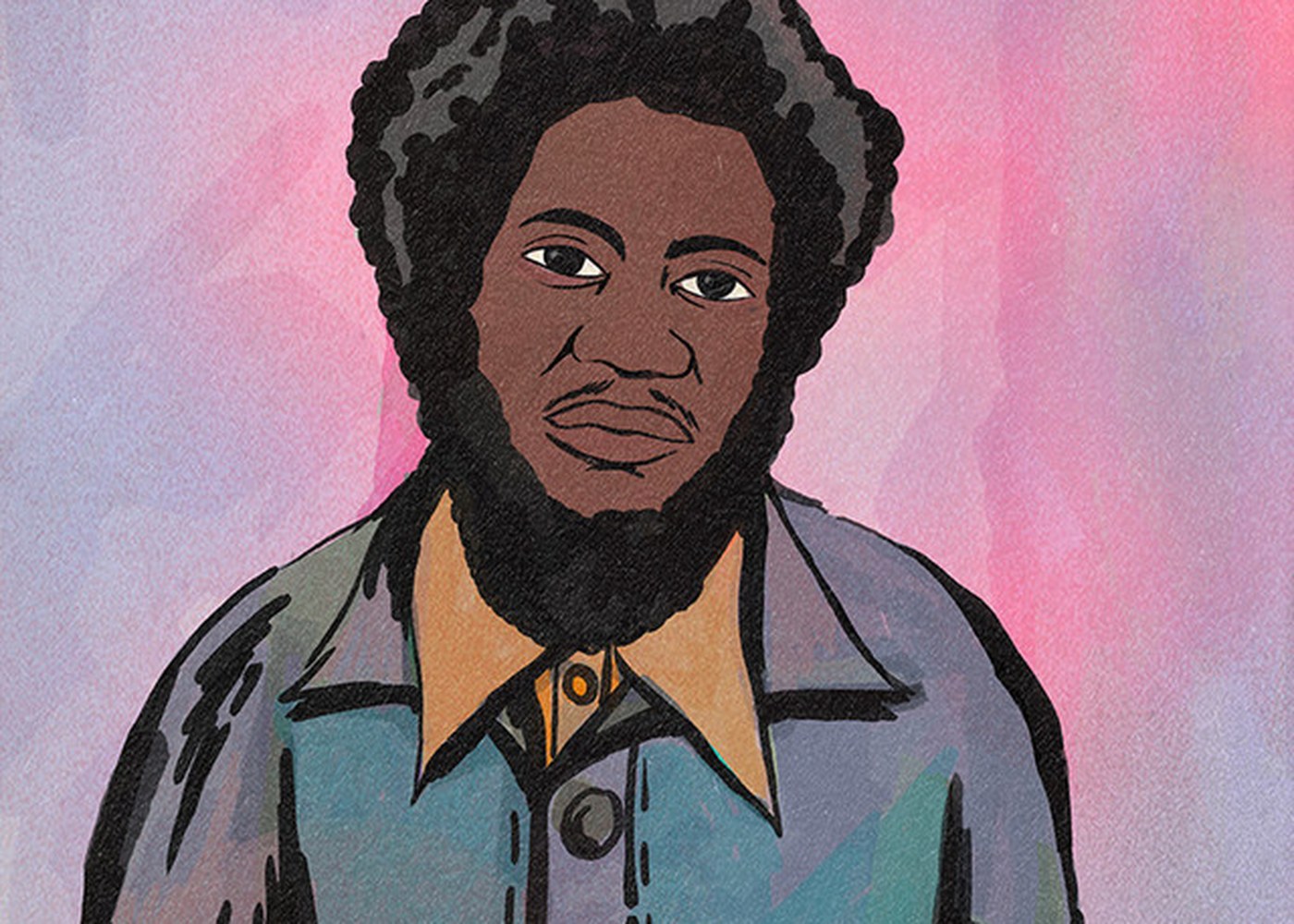
"Summer Clothes" is a breakup song that opens with a piano lesson. A recorded voice says to learn your own heart and your own mind. The narrator carries that advice into a failing relationship and walks out after hearing "I'm not here for you." The catch is that guarding your mind this hard keeps the road lonely. The song ends before anyone is let in.
Introduction
A voice is still talking about sitting at a piano and being certain of what you like when the singing cuts in with a complaint: you should have told me you were torn apart. The handoff is abrupt on purpose. The song takes that calm advice about knowing your own heart and drops it into a relationship that is coming apart. It is about leaving someone and insisting on your own road, and it lets you hear how lonely that road gets. The narrator passes the piano teacher's test and pays for it in company.
The lesson before the fight
The spoken intro sets the terms for everything that follows. The speaker is unhurried, a little halting, circling back with "about... about sound." The advice is simple: don't chase what you think will please someone else, find out what you actually find beautiful, and pursue it. In a conversation about music, that's wisdom. Carried into a love song, it becomes a rule for how the narrator treats another person, and rules are harder to live with than lessons.
Verse one: two people hiding things
The first verse opens with blame. The other person should have admitted they were torn apart. If they had, the narrator would have answered in kind and offered up a broken heart as a fair trade.
"You should have told me you were torn apart / I would have shown you all my broken heart"
The heart is offered on a condition. It gets shown only if the other person goes first, so it never actually gets shown at all. Then the last two lines pull the rug out.
"Every time I was with you, I felt something strange / All of the time, I was planning my revenge"
I can't get past how calmly that confession slides in. The narrator scolds someone for hiding their pain while admitting, in the same breath, to nursing a grudge for the whole relationship. Neither of them was being straight. Only one of them is handing out the blame.
The chorus: asking for a hand, refusing a touch
The chorus carries the whole song, and it opens with the line most people come here to understand.
"My own road / Where it takes me feels so lonely though"
"My own road" is the piano lesson turned into a path. The narrator chose it, owns it, and wants credit for walking it. That "though" at the end is the most honest syllable in the song, tacked on almost under the breath, admitting the choice has a cost. The road was supposed to mean freedom, and where it leads mostly feels empty.
Then comes the ask: "Could you take me? I feel so alone." It is a real plea, plain and unguarded, and for a moment the narrator sounds ready to let someone in. The next lines shut the door right behind it.
"But please don't try and change, try and change / My own mind"
Mind and pride get treated like breakable objects, things another person's hands could reach in and rearrange. The stammered repetition, "try and change, try and change," has the sound of someone bracing for impact. So the request turns impossible: walk with me, keep me company on this lonely stretch, but don't touch anything. Need and self-sufficiency share a single breath, and the narrator never seems to notice the contradiction. Certainty about what you like serves an artist at the keys, but in a relationship it can look a lot like refusing to be moved by anyone.
The second chorus changes one word. "Could you take me?" becomes "Would you take me?" Could asks whether it's possible, while would asks whether you want to, and the narrator has drifted from a question about logistics to a question about desire. That one is riskier.
Summer clothes and the day of leaving
"When I feel good, I put on my summer clothes / You made me sad, so I knew I had to go"
The first line is almost funny in how literal it is. The narrator tells us exactly when the summer clothes come out, as if the wardrobe were a mood ring and the body dressed itself to match the heart. Set next to the second line, it tells you something sideways: the leaving happened on a sad day, and the summer clothes presumably stayed in the drawer. The lyric never says whether the phrase points past actual clothing, and it doesn't need to.
The trigger is blunt. The other person says "I'm not here for you," and the narrator takes it at face value and goes, fast, almost relieved to have a reason. Going is the one decisive physical act in the whole song. So when the narrator finally feels good enough to put the summer clothes back on, will it be somewhere out on that lonely road, or back here?
"I'm okay" and the plea that won't finish
Right after asking "would you take me," the narrator answers the question alone.
"I'm okay, I found another way / We'll be back here soon, just not today"
The loneliness suddenly has a plan, and the relief is real but thin. "Here" is a place the narrator expects to return to, which is a strange thing to promise about a relationship you just walked out of. Then the refrain about mind and pride comes back twice, and the last line drops off mid-sentence: "Please don't try." Try what? The object is gone, and the narrator is still guarding something whose name has fallen away.
A fan could fairly hear all of this as a triumph, someone choosing self-respect over a partner who flatly said they weren't there for them, and "I found another way" gives that reading solid ground. The bracing in that repetition makes a victory lap hard to believe, though.
Conclusion
The voice at the start said whatever you think is beautiful, that's what's beautiful, and you have to pursue it. The narrator does exactly that: picks a road, keeps a mind unchanged, walks out with pride intact. What the lesson left out is that a piano player chooses sounds alone, while a person in love has to let someone else touch the instrument. To my ear, "Summer Clothes" admires its narrator's certainty and grieves it at the same time, which is why it can't finish its final sentence. "Please don't try" comes from someone holding a door shut while standing right beside it, half hoping for a knock.
Frequently Asked Questions
What is "Summer Clothes" by Michael Kiwanuka about?
The song follows a narrator leaving someone after hearing "I'm not here for you," then walking a lonely road while asking for company. It opens with a spoken lesson about trusting your own heart and mind, and the lyrics test that idea inside a relationship, where guarding your mind and pride also keeps people out.
What does "When I feel good, I put on my summer clothes" mean?
Taken literally, the narrator dresses to match their mood, wearing summer clothes on good days. The next line, "You made me sad, so I knew I had to go," implies the leaving happened on a sad day, when those clothes stayed put. The lyric doesn't say the phrase means more than actual clothing.
Why does "Summer Clothes" end on "Please don't try"?
The refrain normally finishes as "please don't try and change, try and change my own mind," but the final repetition cuts off after "try." Leaving it unfinished keeps the narrator suspended between wanting company and refusing to be changed, with nothing resolved.
Lyric analysis powered by Scalpel.




Comments
Loading comments…