

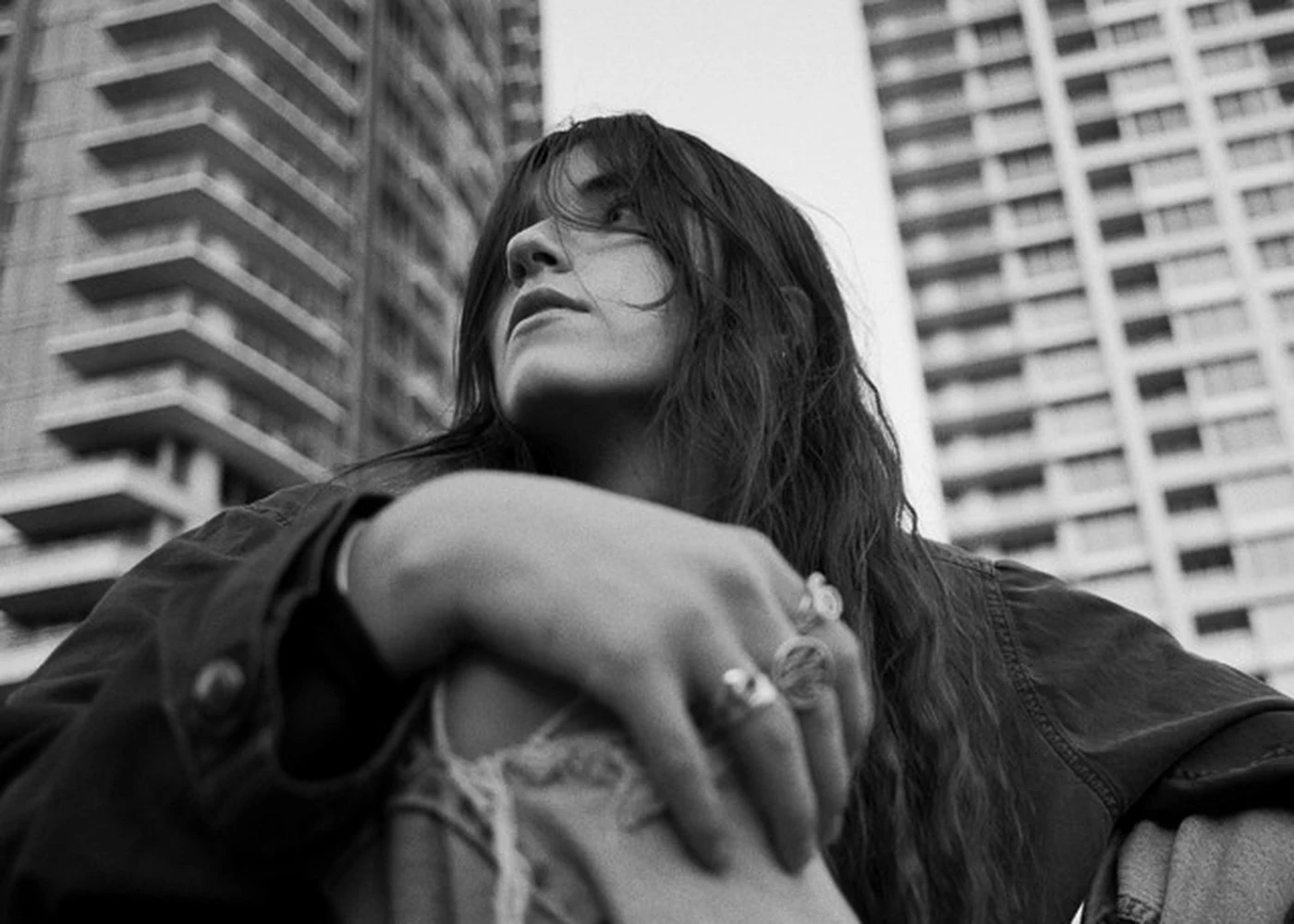
Most songs about unrequited love make the narrator the pursuer. "The Prize" makes her the pursued object who slowly understands she was never that either. Emma Ogier opens in the middle of an exhausting emotional standoff, and by the final chorus, she has rewritten the whole story from under the table.
The song's central argument is brutal and specific: the narrator spent everything trying to become someone worth choosing, then discovered the other person had already folded their hand. The question that drives the whole thing is whether that person ever cared at all.
The Exhaustion Before the Realization
The opening verse arrives like a list of things someone keeps doing past the point of reason. "Fight off the grievance / Cry til you pray" and "Bend 'for you break" stack up without explanation, which is exactly right, because people in this situation rarely stop to explain themselves. They just keep going.
The hotel detail is the one that stays with me: "Hotel AC's is broken / Tennessee's smoking." It is a physical environment that mirrors an emotional one, the unbearable heat with no relief in sight, and it makes the waiting feel real and unglamorous. This is not a cinematic longing. It is sweating alone in a room that will not cool down.
"The Hand That You Dealt Me Is Underneath the Table"
The card metaphor at the chorus is where the song sharpens into something precise. When you deal someone a hand underneath the table, you have done two things at once: given them something, and hidden it. The narrator has been playing with cards she was never supposed to show, in a game the other person controls completely.
"The hand that you dealt me is underneath the table"
What makes this line sting is the passivity in it. The narrator did not choose these cards. She was handed them. The other person set the terms of the whole relationship and then kept their own moves hidden, and the narrator has been trying to play fair in a game that was rigged before she sat down.
"Are your eyes still on the prize?" follows immediately, and that question carries more weight than it first appears. On the surface it is asking: do you still want me? But underneath, it assumes the narrator has been the prize this whole time. It is a question asked from a position of hope, the hope that the other person is still looking, still focused on her.
"Are your eyes still on the prize?"
That hope is what makes the bridge so gutting.
The Second Verse
"Walk in the parking / The way that I'm needing / You in my arms" is the most visually plain moment in the song, and it does not need to be more than that. The narrator imagining something as ordinary as being held in a parking lot tells you exactly how starved this has gotten.
"Never Was the Prize": The Song's Quiet Collapse
The bridge arrives and rewrites everything. Three words replace the entire framework the chorus had been building on.
"I'm right where you left me / Underneath the table / Crammed in the backseat / Never was the prize"
The table from the chorus returns, but now the narrator is not holding cards under it. She is under it. The spatial shift is devastating without being showy. She went from playing a hidden hand to being the hidden thing, the person crammed into the backseat, tucked out of sight, not even a contender in the game she thought she was part of.
"Never was the prize" does not feel like a sudden revelation so much as an admission the narrator has been circling for the entire song. The question "are your eyes still on the prize?" now reads backward. She was asking someone to see her as the goal while already knowing, somewhere, that they never did. The asking was the last act of hope before the knowing caught up.
You could read the final choruses differently: some fans hear "til I make you mine" as a renewed determination rather than a wound, more defiance than defeat. That reading is there. But the bridge sits between the question and the chorus, and it is hard to hear "never was the prize" and not feel the chorus curdle slightly afterward.
What "Leave the Door Open" Is Actually Doing
The repeated plea "leave the door open" runs through every chorus and lands differently each time. Early in the song it sounds like a request for a chance. By the end, with "beat blue and broken" sitting right next to it, it sounds more like someone asking not to be shut out completely, which is a much smaller and sadder thing to ask for.
"This heart will stay broken / Til I make you mine" is a suspension, not a threat or a promise. The narrator is frozen mid-reach, unable to move forward or pull back, heart in a state of conditional damage that only resolves if something happens that she now knows probably will not. The roses that "died passing time" in verse two already told us how this waiting ends.
What the Song Leaves You With
"The Prize" is a song about the specific humiliation of hoping to be wanted by someone who was never actually looking. The narrator maps every stage: the blind effort, the hidden rules, the moment she finds herself literally beneath the table where the game was played, and the final understanding that she was not even on the board. The door stays open in the last line, which means she is still there. Still waiting. Still trying to make something true that the other person decided was not. That image, a person holding a door open in a room they were never really invited into, is what the whole song adds up to.
Frequently Asked Questions
What is "The Prize" by Emma Ogier about?
"The Prize" is about realizing you were never the person someone was pursuing, even while you were hoping and waiting to be chosen. The narrator moves through exhaustion, longing, and a crushing moment of clarity when she understands she was hidden and sidelined the whole time, never actually the goal.
What does "the hand that you dealt me is underneath the table" mean in "The Prize"?
The line uses a card game metaphor to describe a relationship where the other person controls all the rules and keeps their intentions hidden. The narrator was given a hand she was expected to play while the other person concealed their own moves, making the whole dynamic rigged and one-sided from the start.
What does "never was the prize" mean in "The Prize"?
"Never was the prize" is the song's turning point, where the narrator stops asking if she is being pursued and admits she never was. The whole chorus had been built around the hope that the other person still had their eyes on her as the goal, and this line collapses that hope entirely, revealing she was overlooked from the beginning.
Lyric analysis powered by Scalpel.


Comments
Loading comments…