

Introduction
Glass gives first. Then the wall. Somewhere behind the car, Hollywood is burning, and the person behind the wheel is calling this the best way to go. "Hollywood On Fire" stages a lovers' death crash with full movie-poster swagger, but the death wish underneath is a wish to get out. The song swaps dying for leaving in plain sight, and by the second verse you learn both people in that car already have one foot out the door.
The crash as a love letter
The chorus opens on pure myth: "I once dreamed of dying / In my car with you." Then comes the line everyone quotes.
"We set Hollywood on fire / 'Cause we wanted to"
No motive, no grievance, just appetite. Hollywood could be the city or the whole dream factory, and the lyric never picks. Either way, what burns is the cinematic version of love these two were raised on, torched by people who wanted the fire more than they wanted the ending. "'Cause we wanted to" is a teenager's answer, and it's supposed to be.
Verse 1 goes straight for the wreck: "There's no better way to end it all / Than flying through the windshield at the wall." A windshield is glass built to keep you inside. The narrator wants to cross it at speed and meet the one thing guaranteed to stop them.
Then two details crack the poster. The "ride-or-die baby" is screaming "save me," which is the exact opposite of riding or dying willingly, and the narrator never registers it. And the verse signs off with "Oh, did you know that?", tossed onto a fatal crash like a bit of bar trivia. That shrug is the first hint the narrator is performing this tragedy more than living it.
The chorus that edits itself
The second chorus quietly rewrites the first. "Dreamed" becomes "felt," so the fantasy gets a pulse. "We" becomes "I," so the arson is suddenly a solo act. Then the sentence jams: "To, to, to, to." It can't finish.
For one chorus the narrator admits they lit the match alone. By the next one the "we" is back, like nothing slipped. One pronoun. That's the whole cover-up.
Verse 2: "Me too" and the odds
Verse 2 opens with the line I think unlocks the entire song.
"'Cause there's no better way to die than to let me go"
Read it twice. The setup promises a way to die, and the punchline is a breakup. Every windshield and wall before this was a release request wearing a leather jacket. That's the dark joke buried in the track: the most romantic death the narrator can imagine turns out to be getting dumped.
Then the confession, delivered almost casually.
"I know that you've been hiding feelings for somebody in your DMs / Me too"
The DMs are a second car with a different passenger. The partner has been talking to someone else, and so has the narrator. "Me too" drops the temperature of the whole song. The crash that sounded like devotion becomes a draw between two cheaters who were matched all along.
"What are the odds" repeats six times and curdles as it goes. The first one could pass for wonder. By the sixth it's a dry laugh. Between them sits "Go," which works as a getaway shout and as a dismissal, and the song lets it be both.
Then the grand gestures snap back on.
"I'll paint you on the walls of the Colosseum / An honourable death is what I needed"
The Colosseum was built for spectacle and killing, so of course the narrator wants the lover's portrait there, with a crowd watching. And "an honourable death" is the boldest ask in the song because nothing surrounding it is honourable. A windshield, a wall, two people sneaking around in their inboxes. The narrator wants the ending to hand out a dignity the relationship never earned. Honour is the costume. Getting out is the need.
A fan could take the death imagery at face value, a real pull toward self-destruction with no metaphor attached, and the windshield is vivid enough to back that up. But "let me go" sits right in the hinge line, and it keeps asking to be heard.
One dance, then the same wreck
The bridge is the only tender moment: "Dance with me, dance with me." Dancing is the one thing these two bodies do together that isn't a collision, and another "Go" comes right before it, like a request for one last song on the way out.
Verse 3 replays the crash almost word for word. Same glass, same wall, but now you know what's in both phones. The only change is a line break: "My ride-or-die baby screaming / Now save me." In verse 1, "save me" clearly belonged to the baby. Here it floats free. Is the narrator still describing a lover's terror, or finally asking to be saved themselves?
Conclusion
"Hollywood On Fire" ends exactly where it began, glass and wall and "did you know that?", which makes it a loop more than a story. The narrator keeps rehearsing the most spectacular exit imaginable because the plain one, saying goodbye, has no soundtrack. To my ear the whole song is that avoidance set on fire. Burn the city, crash the car, paint the Colosseum: every flame is a way to dodge the three words hiding in verse two, let me go.
Frequently Asked Questions
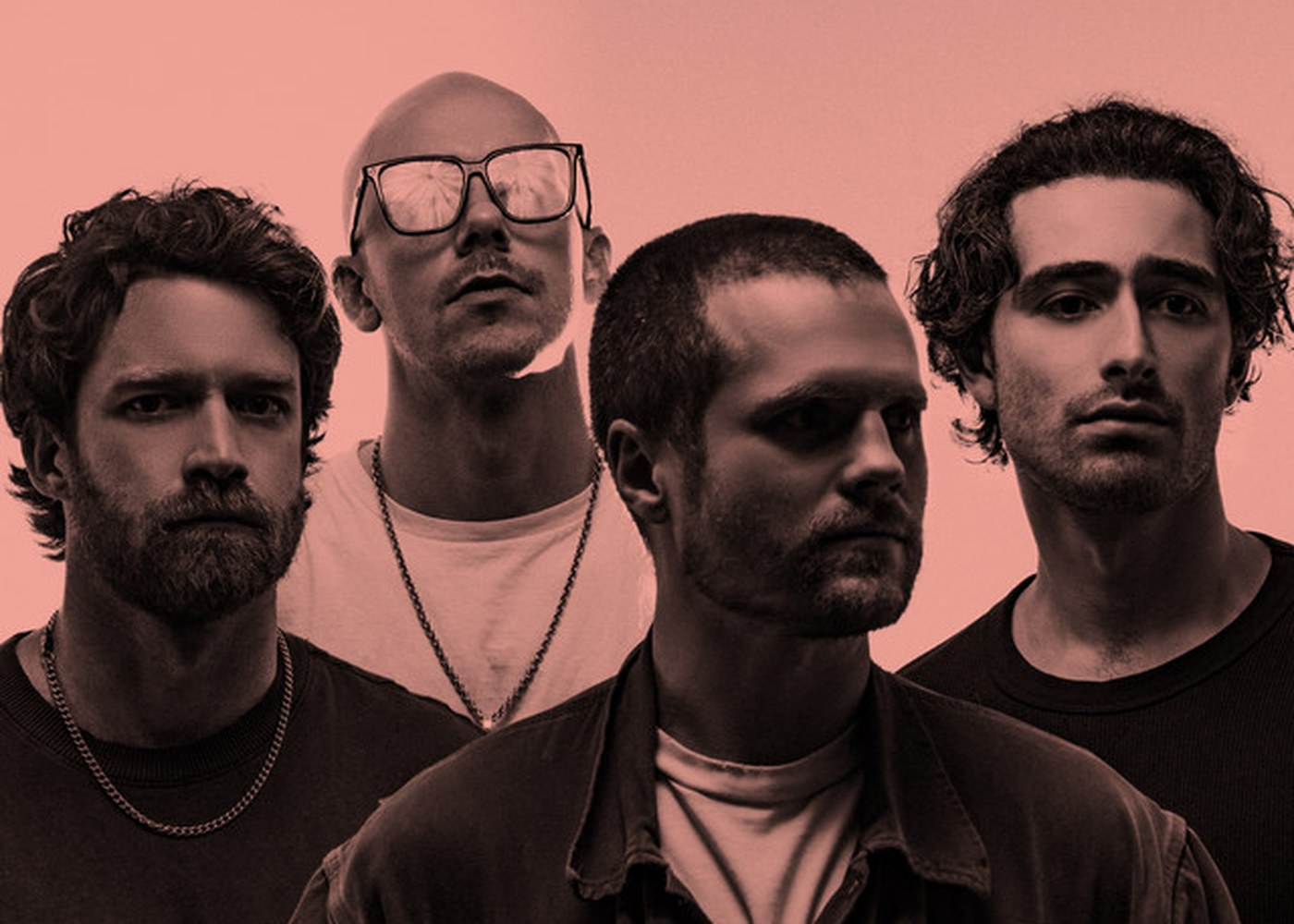
What is "Hollywood On Fire" by Dead Poet Society about?
The song imagines a glamorous fatal car crash with a lover, but its key line, "there's no better way to die than to let me go," turns the death wish into a wish to be released from the relationship. It also reveals that both partners have been secretly talking to other people.
What does "We set Hollywood on fire 'cause we wanted to" mean?
Hollywood stands in for the movie version of romance, and the couple burns it for no reason beyond wanting to. In the second chorus the line shifts to "I set Hollywood on fire," admitting for a moment that the narrator did the destroying alone before the "we" returns.
What does "Me too" mean after the DMs line in "Hollywood On Fire"?
The narrator accuses the partner of hiding feelings for someone in their DMs, then admits to doing the same thing. That "me too" turns the romantic crash fantasy into a standoff between two people who were both already halfway gone, which is why "what are the odds" sounds more like a bitter laugh than surprise.
Lyric analysis powered by Scalpel.

Comments
Loading comments…