

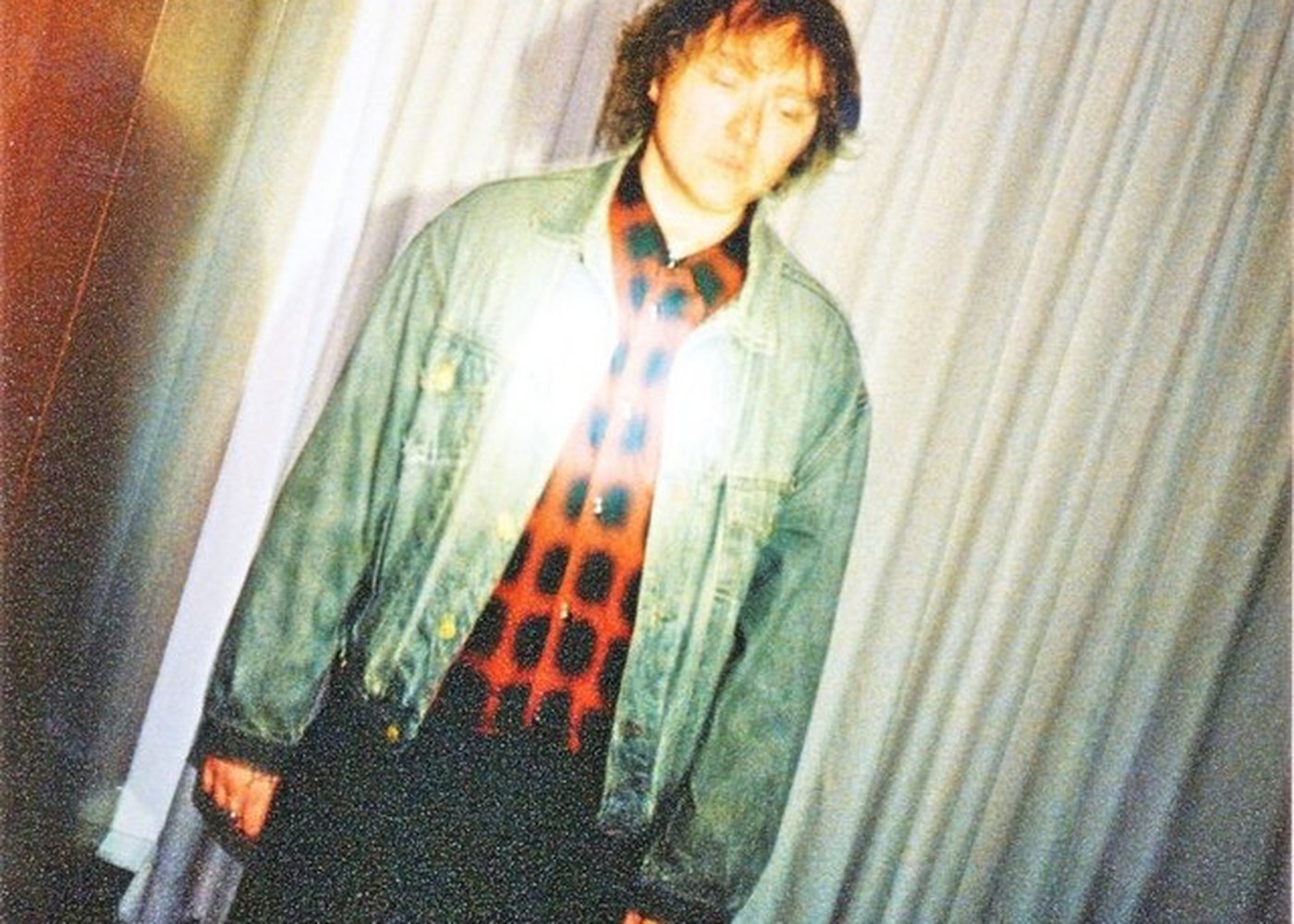
Loneliness songs usually hand the singer the sad phone. "CHAOS" gives the sad text to somebody else, and the narrator answers it with a shrug and a dare. Two verses later the narrator says the exact same thing that friend said, word for word in spirit, and never catches it. The song is about a person who can only recognize loneliness when it belongs to them, and that last word, "Rockstar," is the name the song gives to that blindness.
Start with the text message. It's blunt and unguarded.
"You sent a message to my phone, you said 'I'm in a lonely place' / I said, 'We all go crazy in various ways'"
"We all go crazy in various ways" sounds generous, even wise. Everybody struggles, you're not alone. But watch how it gets used. The narrator takes a true thing about people and turns it into a reason not to engage. If everyone's crazy, nobody's crisis is special, including yours. It works as a door closing politely.
Then comes the card-table line. "I'd be lying in spades" is a gambler's phrase, and it fits, because the whole exchange is a bluff. The narrator plays honest while folding on the friend.
"So just get over yourself and get the gun out of my face"
Cold. Almost funny in how fast it turns. The gun never gets explained, and the lyric never says whose hand is on it. It might be literal, but I hear it as what being needed feels like to someone who can't handle it: a plea for help arrives on a phone, and the narrator experiences it as a weapon pointed at their head, which says less about the friend than about how threatened this person gets by anyone else's pain.
The second verse is where the joke turns on the narrator, though they don't laugh.
"'Cause at the top it gets lonely and success is hell"
There it is. "I'm in a lonely place" came back as "at the top it gets lonely." Same complaint, better view. The friend's loneliness got a lecture. The narrator's gets a throne. (And honestly, nobody has ever wanted to hear how hard success is from the person who just told them to get over themselves. Just saying.)
Right before that, the grammar cracks. "I've been dying in self" should be "myself," and the word falls apart halfway through, like the narrator can't hold the whole self together long enough to say it. Most people sing past it. Don't. It's the most honest line in the song, and it arrives sideways.
The verse ends with a want, "something beautiful and hard to define," and then a refusal: "I don't think I should be here with you tonight." Notice where "here" is. Every contact we've seen happens by phone. The narrator keeps announcing an exit from a room they may not even share with this person. The intro mumbles "Not tryna run" under a pile of na-na's, and the refrain does nothing but run.
Then the third verse gives the friend their due.
"You sent a message to my phone, I think it saved my life / But I'd throw it all away for one more empty high"
The same message, or a second one, flips from nuisance to rescue. For one line the narrator admits they needed it. The very next line spends that admission. "I'd throw it all away for one more empty high" puts a life saved on the table and trades it for a high the narrator already calls empty. That's the brutal part. No illusions about the drug, no illusions about the friend's value, and the trade happens anyway.
"Something terrible and wicked is growing inside"
Tumor or seed, the image is slow and bodily. The narrator can name the rot clearly. Naming it is as far as they get. No plan follows, just the refrain again, unchanged, as if the confession cost nothing.
A fair fan could push back here. Maybe "I don't think I should be here with you tonight" is protective, a person keeping the wicked thing away from someone they care about. I see it. But a protective goodbye usually softens, and this refrain comes back identical every time, before and after the life gets saved. Nothing the friend says moves it.
So we end on one word. "Rockstar." Maybe it's self-mockery. Maybe it's what the friend finally calls them. Either way it names the costume that makes all of this look glamorous: the loneliness at the top, the empty high, the brush-off with a gun in the frame. The song lets you keep the costume's shine for about three verses, then says the word out loud and lets you hear how small it sounds next to a text that said "I'm in a lonely place." Somebody reached out. The narrator was a rockstar about it.
Frequently Asked Questions
What is "CHAOS" by Current Joys about?
"CHAOS" follows a narrator who gets a text from a lonely friend, brushes it off, then complains about being lonely themselves. Even after admitting the message saved their life, the narrator would trade everything for another high. The song ends on the word "Rockstar," a sneer at the self-image that excuses the whole pattern.
What does "I'd throw it all away for one more empty high" mean in "CHAOS"?
The line comes right after the narrator says a friend's message saved their life. It means they would give up that rescue, and everything else, for a high they already know is empty. The narrator sees the trade clearly and still chooses it.
What does "Something terrible and wicked is growing inside" mean?
It describes something rotten taking root in the narrator, like a tumor or a seed, tied to the craving for the next high and the habit of pushing people away. The narrator names it honestly but takes no action, and the refrain about leaving returns unchanged.
Lyric analysis powered by Scalpel.



Comments
Loading comments…