

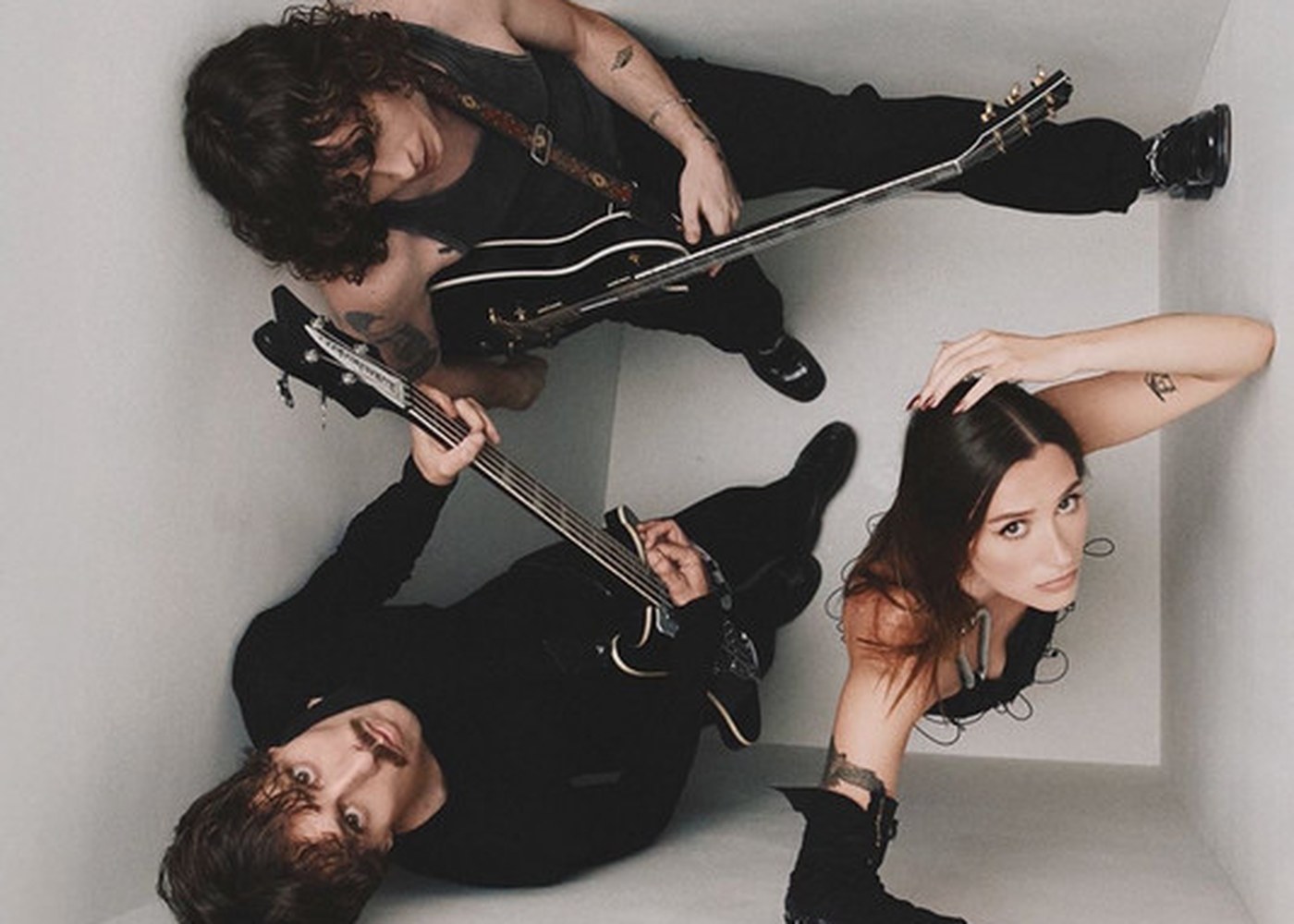
"At The Beach" is about running from your past while insisting you're facing it. The narrator wants sex over conversation, mocks someone for crying, and leaves a note saying they'll be at the beach. They never get there. The beach is an escape hatch, and every cocky line in the song hides a fear of old memories knocking at the door.
Introduction
The narrator of "At The Beach" is lying to themselves, and the lie sounds incredible at full volume. Every swaggering line about jumping in and dancing through the storm comes with a fire exit already propped open, and the chorus is basically a sign pointing at it. The song sells escape as courage, then lets one verse of honest fear leak through the cracks. That leak is the whole song.
Verse one: all gas, no conversation
The opening three lines move so fast you barely clock how much they're refusing. "I want it all or give me nothing" sets the terms with zero room for a middle ground, which is exactly where most of life and most relationships actually happen.
"Don't wanna talk, let's get to fucking / I'll never know if I don't jump in"
On the surface this is pure appetite, horny and impatient and kind of thrilling. But look at what gets traded away: talking. The narrator picks the body over words because words lead to questions, and questions lead backwards. "Jump in" sounds like a dare to themselves, a leap into something unnamed, and given the title you'd guess water. It's a plunge chosen specifically so nobody has to explain anything.
The pre-chorus flexes the same muscle. The narrator is "dancing through the storm / facing it head on," alone, apparently the only one brave enough. Hold onto that "head on." It gets funny later.
The chorus jab that swings back around
Then the narrator turns on someone else, and it's vicious in the best way.
"So why you gotta take it so seriously? / Crying over problems that you cannot see"
It's a sneer at somebody who's worried, maybe worried about the narrator, maybe just a worrier. And then comes the kiss-off: "If anybody needs me I'll be at the beach." A song full of storms and scars, and its biggest hook is an out-of-office reply. Very professional.
The problem is that the insult describes the person throwing it. Verse two admits "Covered the scars but I'm still healing," which means the narrator is carrying wounds nobody can see either, and dreading memories that haven't even arrived yet. Problems you cannot see turns out to be a self-portrait. And "facing it head on" now sits right beside a plan to go to the beach, which is facing it the way leaving the party is facing the party.
The mockery is projection.
Verse two: the knock at the door
Verse two starts physical and still a little cocky. "It's physical, can't shake the feeling" keeps the body front and centre, and "Now you're in love and I'm the reason" has a real smirk on it, like the narrator is half proud and half alarmed that someone got attached. The scars are covered, under clothes or makeup or just silence, and the healing is still in progress. Then the bravado drops out completely.
"I'm afraid that if I stay too long / The memories of who I was before"
This is the first time anyone in the song says the word afraid, and it explains everything that came before. The narrator keeps moving because standing still lets the past catch up. Staying too long, in a relationship, in a conversation, in a quiet room, gives the old self time to find the address.
"Will come back around knocking at my door / Wanting full control"
The memories get turned into a person, a visitor at the door with an agenda. They don't want to be remembered. They want to drive. That's what makes the fear so specific: the narrator is scared of relapsing into a former version of themselves, one that apparently ran things badly. Suddenly "Don't wanna talk" makes sense. Talking is staying. Staying is how the knocking starts.
And here's the trick the song pulls. The chorus comes back word for word, but it's a different song now. The first time, "I'll be at the beach" sounded like a breezy flex, a holiday. After the knock at the door, the beach is a getaway car. Same lyrics, new temperature.
I'd argue this verse is the only one where the narrator tells the truth, and the rest of the song is spent yelling over it.
The outro: a battle cry that's also a prayer
The bridge just recycles the storm lines, the narrator alone again and still claiming to face it, so the real action sits in the post-chorus and outro. "Don't fail me now / My darkest hour / Won't break me down" has two readings stacked on top of each other. Read straight, the darkest hour is the enemy and it won't win. Read the line breaks literally, and the narrator is begging the darkest hour itself not to fail them, treating it like a teammate, as if the bad stretch is the fuel getting them through.
Then the last line sneaks in a new word: "You won't break me down." Who's "you"? The lover who fell in love, the old self at the door, the darkest hour, the person listening. The lyric refuses to pick, and a fan who hears it as a straightforward defiant middle finger to an ex has every right to. I hear it differently, because grammatically "you won't break me down" can be a statement or a plea, and after that verse two confession it sounds a lot like the second.
Defiance and begging, same breath.
Conclusion
The narrator spends the whole song swearing they're the brave one, the only one dancing in the storm, and the storm is the only place we ever actually see them. The beach is a promise, a forwarding address, a place they say they'll be and never arrive at. What the song finally admits is that the jumping, the fucking, the refusal to talk and the sneer at the crying friend all serve one job: keeping the door shut on who they used to be. The chant at the end is loud because it has to be, and the loudest thing in the song is the sound of someone trying not to hear knocking.
Frequently Asked Questions
What is "At The Beach" by YONAKA about?
"At The Beach" is about a narrator who avoids their past by staying in constant motion, choosing sex over conversation and brushing off anyone who worries. Underneath the swagger, they admit they're afraid that old memories will return and take control if they stay anywhere too long.
What does "I'm afraid that if I stay too long the memories of who I was before will come back around" mean?
The narrator fears that slowing down will let their former self return, pictured as a visitor knocking at the door and demanding full control. It explains why they keep running, refusing to talk, and heading for the beach: stillness gives the past a chance to catch up.
What does "Don't wanna talk, let's get to fucking" mean in "At The Beach"?
The line chooses physical intimacy over emotional conversation, paired with "I'll never know if I don't jump in" as a dare to leap without thinking. It sounds bold, but talking would mean slowing down and facing questions, which is exactly what the narrator is trying to avoid.
Lyric analysis powered by Scalpel.



Comments
Loading comments…