

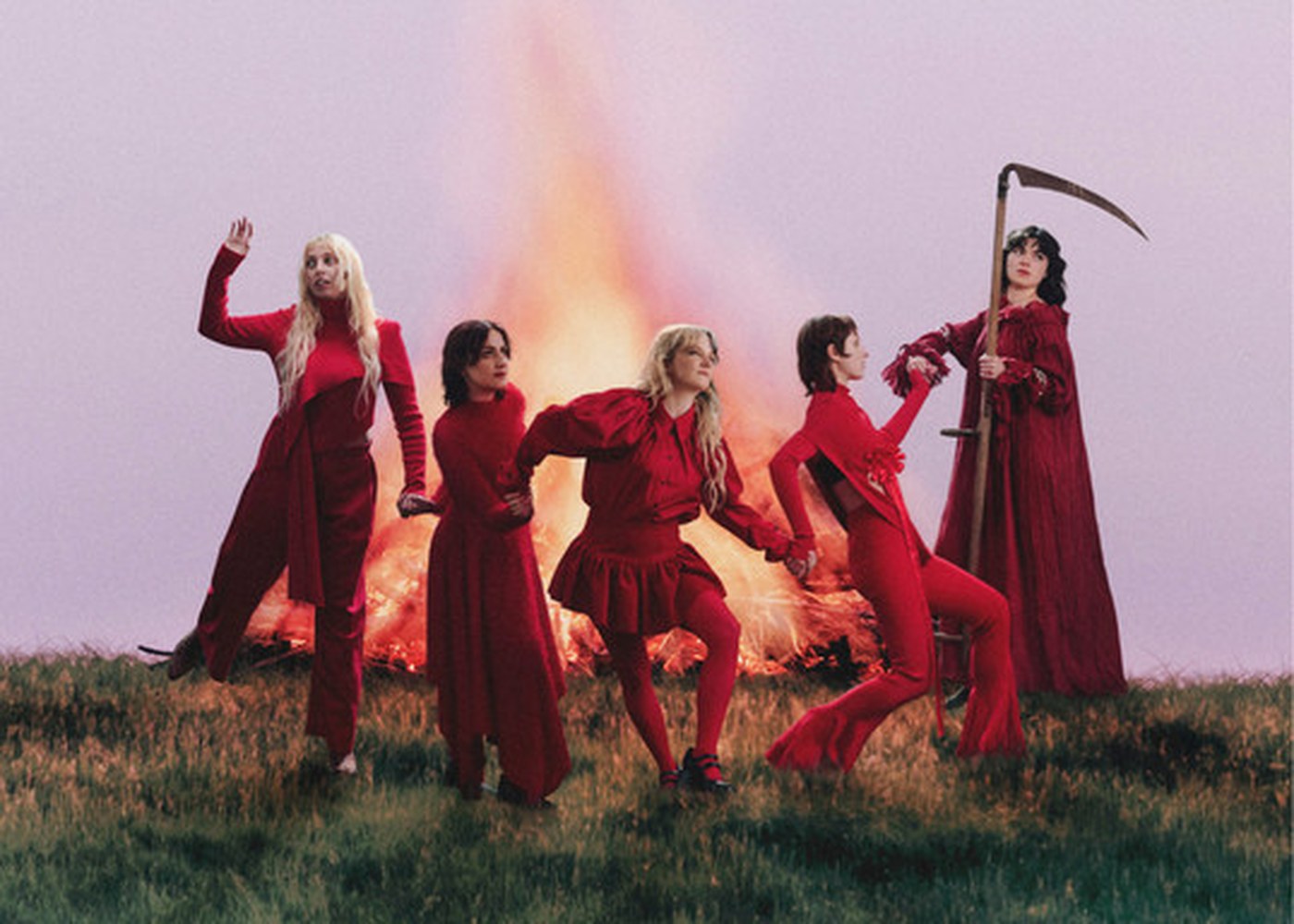
"Nothing Matters" lies in its own title, and the lie is the most romantic thing about it. The narrator swears again and again that nothing counts, while handing one person their heart, their home and every chip on the table. Nobody that reckless with their stakes believes in nothing. Over the course of the song, a throwaway line about careless sex hardens into a creed, and what starts as a shrug ends as a vow.
Verse 1: a sentence handed down, fingers under the skin
The song opens in a courtroom. "I have my sentence now at last" can mean two things: the narrator has finally found the words, or the narrator has finally been convicted. Both are true. The verdict is understanding itself: "I know just how you felt." Whatever ache the other person carried, the narrator now carries it too, and the knowledge arrives as punishment.
"I dig my fingers in expecting more than just the skin"
This is the line people come looking for, and it deserves the attention. Skin is the boundary, the polite surface of a body, and the narrator refuses it. They press past flesh as if hunting for blood, bone, the soul tucked somewhere underneath, and the verb is "dig," which belongs to graves and gardens rather than caresses. Notice "expecting," too: the narrator assumes there is something deeper to reach, which is a hungry, almost devout kind of faith. Someone who believes nothing matters stops at the skin. Two lines in, the title is already compromised.
The motorbike and the Chevrolet: love talking too fast
Then the song gets giddy. "We're a lot alike, in favour, like a motorbike." "In favour" is the old usage, the way a child favours a parent in the face. And then: a motorbike. Honestly, I'd love to meet the person who has ever been told they resemble a motorbike.
The nonsense is the point. This is a lover talking faster than sense, grabbing a rhyme because it roars and carries two. "A sailor and a nightingale" pairs a wanderer with a singer and never says who is which, so the roles slosh back and forth between them. They dance in convertibles, roofless cars open to whatever weather comes.
Verse 2 keeps the engine running. On a highway pulled tight as a ribbon, under a moon so flooded with headlights that the oldest romantic symbol in the sky gets drowned out by traffic glare, the narrator rides in "your Chevrolet," a passenger in someone else's car, saying "one more and we're away." One more drink, one more mile, one more anything. It is the sound of someone who has already decided.
The chorus bargain: borrowed tenderness for reckless sex
The chorus is a trade, set out like terms. "You can hold me like he held her / And I will fuck you like nothing matters." The narrator asks for gentleness and offers abandon. The tenderness requested is secondhand, copied from some other couple the song never names: parents, old lovers, a pair from a film. The narrator wants a love that already has a template.
Meanwhile "like nothing matters" works here as pure manner, a description of how the sex will go. It's a simile, a dare, a little performance of not caring. The crude verb sits against all that archaic "in favour" phrasing like a cigarette burn on velvet. Hold onto that "like," though, because the bridge is about to take it away.
The bridge: the "like" falls off and the creed appears
The weather finally arrives. "Even when the cold comes crashing through" answers those roofless convertibles: the narrator chose exposure, and now exposure comes. The response is a gambler's line, "I'm putting all my bets on you." A nihilist doesn't bet. A nihilist folds, or never sits down at the table.
"I hope they never understand us"
Who are "they"? The world outside the car, the onlookers, whoever handed down that sentence in verse 1. The wish carries a lovely contradiction. This same narrator spent the chorus asking to be held "like he held her," borrowing an embrace from a couple who came before, and yet wants the love to stay unreadable to everyone else. Every lover does this, building something out of old parts and insisting nobody has ever felt it. And there's a darker logic underneath: understanding is what convicted the narrator in the first line. To know how someone felt was the punishment. Keeping "them" from understanding protects the love from being picked apart, and spares outsiders the same verdict.
"I put my heart inside your palms, my home in your arms, now we know / Nothing matters"
The body becomes a lodging: palms as a cup for the heart, arms as a house. The line I keep coming back to is "now we know," because it turns the phrase from a style into a conclusion. Earlier, nothing mattered as a manner of fucking. Now nothing matters as a finding, a fact arrived at, and its meaning has flipped: nothing outside these palms and arms matters at all. The simile has shed its "like" and stands up as doctrine.
A fair-minded fan could hear the bridge bleaker, with the cold crashing in as an ending and two people speeding toward the edge because the void is real. That reading has its pull. But a person who believes in the void doesn't describe their heart as something placed carefully into someone's hands.
The final chorus: chanting past sense
After the break, the chorus comes back doubled, eight lines instead of four. With the bridge behind it, the same bargain stops sounding like a dare and starts sounding like liturgy, a refrain repeated until the words wear smooth and only the devotion is left.
Conclusion
The song began with fingers pushing past skin, wanting more than surface, and it ends with a whole heart sitting in someone's palms. That narrator was never going to stop at nothing. "Nothing matters" is the vow of someone for whom one person matters so completely that the rest of the world goes dark, and I'd put every bet on that reading. By the final repetition, the phrase has one meaning left: nothing else.
Frequently Asked Questions
What is "Nothing Matters" by The Last Dinner Party about?
The song follows a narrator offering a lover a trade: tender holding in exchange for reckless, all-in sex. By the bridge, the narrator stakes their heart and home on this person, and the phrase "nothing matters" shifts from a careless attitude into a declaration that nothing outside the relationship matters.
What does "I dig my fingers in expecting more than just the skin" mean?
The line describes a desire that refuses the surface of a person. The narrator presses past the body's boundary hoping to reach something deeper, like the self underneath, which shows from the start that this love is anything but casual.
What does "I hope they never understand us" mean in "Nothing Matters"?
"They" are the outside world looking in on the couple. The narrator wants the love kept private and unreadable, even though the chorus borrows its idea of tenderness from another couple, a contradiction that captures how lovers want their bond to feel unprecedented.
Lyric analysis powered by Scalpel.



Comments
Loading comments…