

Introduction
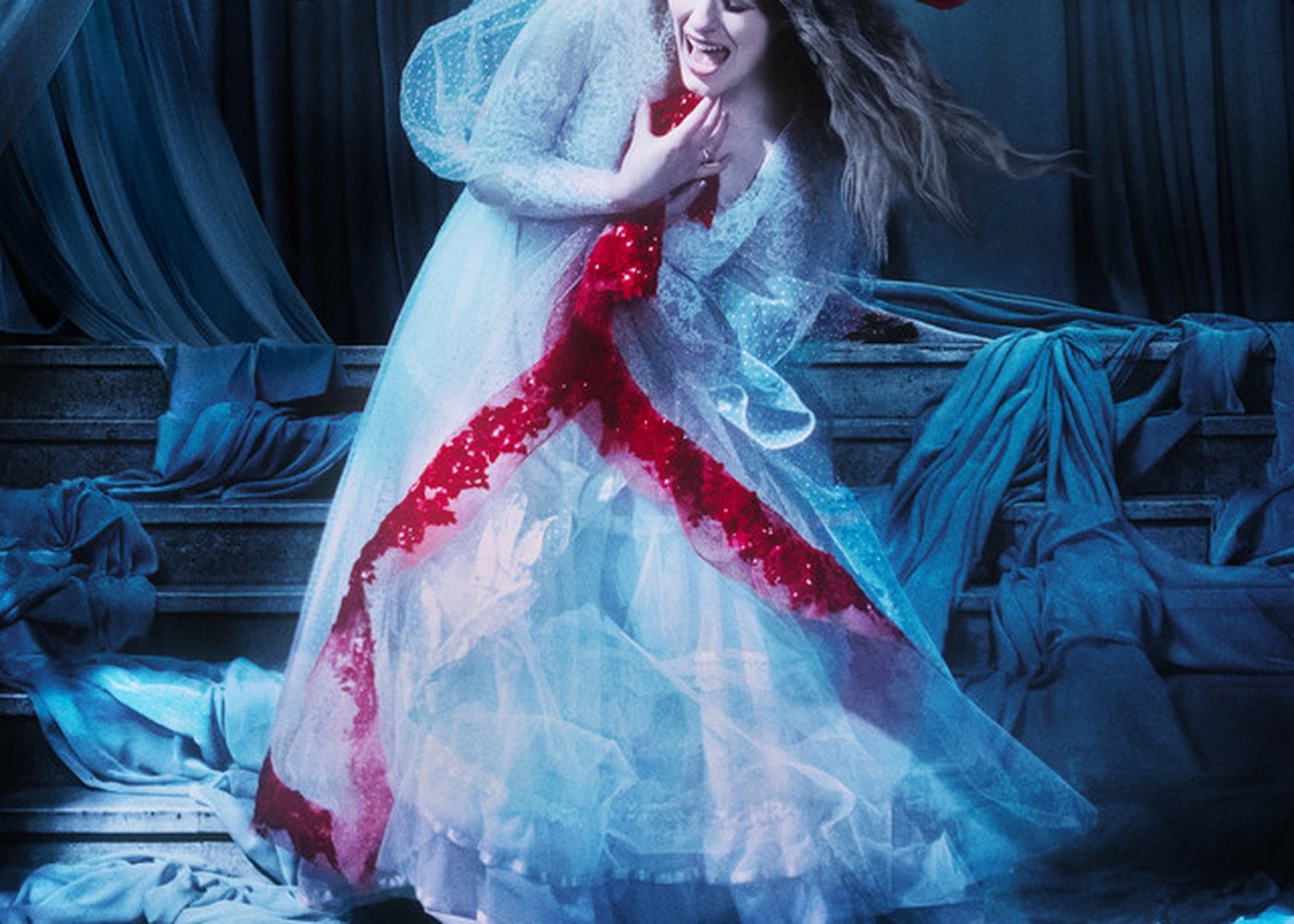
A bouquet held up like a severed head. That image arrives in the first few lines and it does not let go, because it is a portrait of a woman who has learned to treat the bare minimum as a kill worth celebrating. The song's central horror is that she helped design the famine.
Paris Paloma builds the track around a single, damning argument: when someone withholds love long enough, you stop waiting for it and start manufacturing the illusion yourself. The cringe in the bridge is the moment of reckoning with how far that went.
Verse 1: The Trophy She Should Never Have Held
The opening image is worth sitting with. Flowers, the most ordinary gesture of affection, become something the narrator grips the way a predator grips prey.
"I held the bouquet of flowers like a severed head / As though it was a carcass that I'd feast off in the winter"
The grotesque framing is doing something precise. She is not romanticizing the flowers. She is already confessing, in the past tense, how warped her baseline had become. Feasting off a carcass in winter is survival behavior, not love. And then comes the line that sharpens everything: "you even took a picture." Not because he wanted to remember the moment. Because the rarity of it warranted documentation. The narrator knew it too, which is why she held the bouquet up like something she'd caught on a fishhook. She had already internalized his logic. Love is scarce. Proof matters.
Verse 2: The Loop She Built Herself
The second verse is where the song becomes something stranger and more difficult. The narrator is not passive. She is industrious, almost feverishly so.
"I would go hunting, and whatever I caught / I would wrap it up and leave it at your door / Just so you could give it to me"
Read that slowly. She hunts the thing. She wraps it. She delivers it. And then she thanks him for returning it to her as a gift. The loop is closed. She is the labor behind every act of care she receives, and she has organized it so that he gets the credit. The song maps this with almost clinical detail: she licks the bones dry, strings them into wind chimes, wears the hide for warmth. Nothing wasted. Every scrap of affection stretched to its limit, because that is what scarcity teaches you.
And then, without drama: "for all of my hinting, you tapped out at one time." One gesture. That was the ceiling. The song does not rage at this. It notes it, the way you note a fact about the landscape.
The Chorus: The Logic She Accepted
The chorus sounds, on the surface, like endurance. Surviving the scarcity. Making do. Bearing the cold.
"I've said before I bear the cold better for knowing you"
But the final chorus shifts the tense. "I survive" becomes "I survived." "I would go hungry" becomes "I went hungry." Past tense. The grammar is the exit. By the time the last chorus arrives, she is no longer in the loop. She is reporting back from the other side of it.
The line about bearing the cold is the one I keep returning to, because it is still technically true even in the final chorus. Knowing him made the cold bearable. But that is the lowest possible bar for what love is supposed to do.
The Bridge: Cringe as Clarity
The bridge is short. Devastating.
"I cringe at the thought now / In all of its indignity / Of needing love from you / Of what that did to me"
The word "cringe" is doing the work that a lesser song would give to grief or fury. Cringing is involuntary. It is the body's response to remembered humiliation, which means the narrator is not analyzing this from a safe distance. The memory still has a physical grip. And the indignity she names is her own need. Needing love from someone incapable of giving it. That is what the song is actually about.
But a reasonable listener could hold a different read here: that the cringe is directed outward, at him, at the whole arrangement, rather than turned inward at her own need. The song's plain grammar supports both. That ambiguity might be the point. Shame rarely knows exactly where to land.
"I will never plead again just to be loved." Simple. Final. No flourish. The repetition of "it's not enough" closes the loop not with a slam but with the flat sound of a decision made.
Conclusion
The title is an imperative directed at nobody in the song. It is addressed outward, past the narrator, past the specific relationship, at anyone standing next to someone they love. Get her the flowers. Actually get them. Do not make her hunt them down, wrap them herself, and deliver them to your door just so you can hand them back. The song earns that title by spending every verse showing exactly what it looks like when that does not happen, and what it costs. The narrator survives the scarcity. She also survives her own complicity in it, which takes longer to name and longer to leave behind.
Lyric analysis powered by Scalpel.



Comments
Loading comments…