

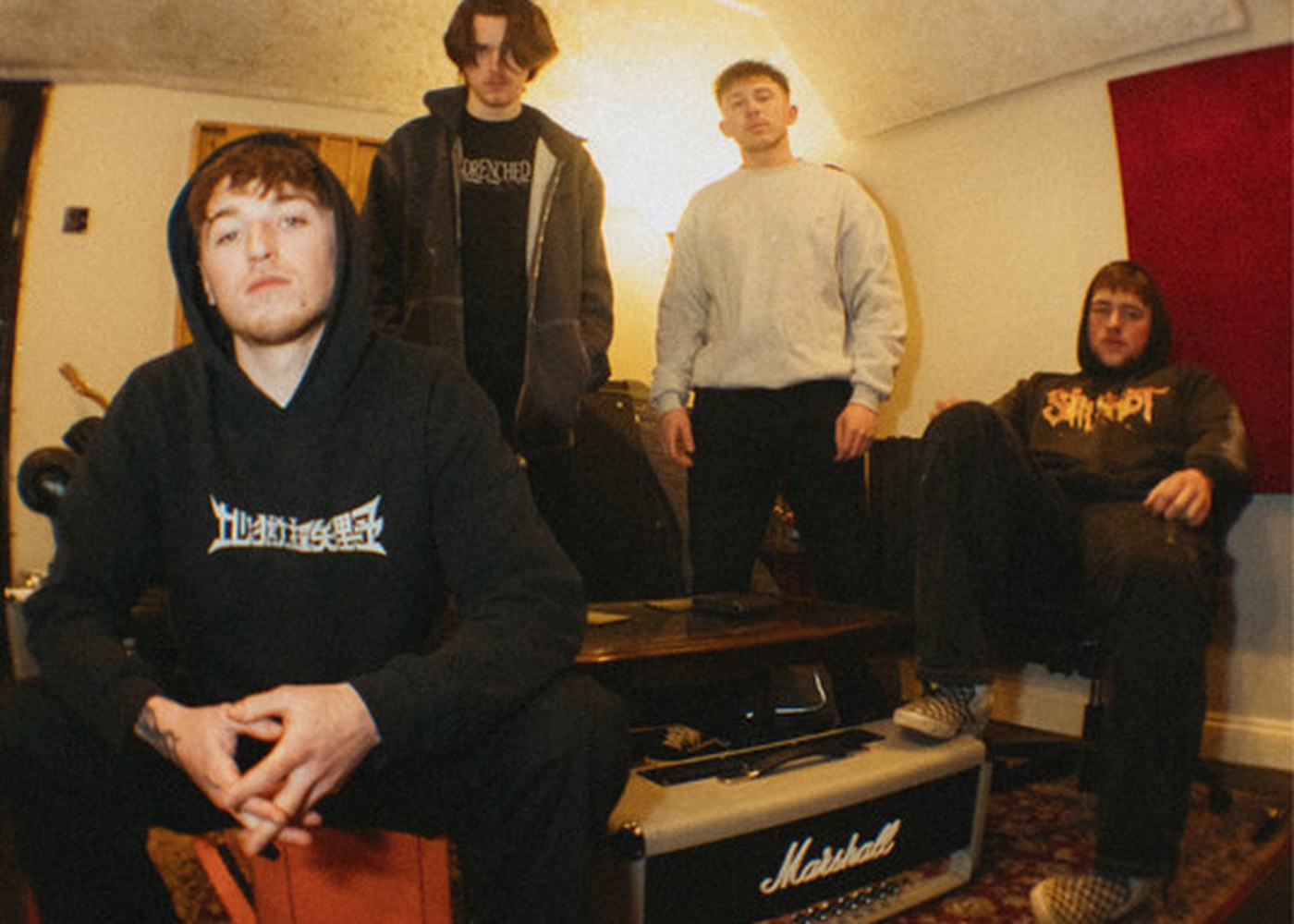
Overgrown's "Breathe" follows someone waiting on a person who never comes, face turning blue, bleeding and working for them anyway. The waiting is a choice, and that choice is the suffocation. Then the bridge, "built to break / But I won't live," gives the narrator one moment of refusal before the chorus drags them back under.
Introduction
"And I'll wait until your no-show." You can't wait until a no-show, because a no-show never arrives; it just keeps not happening, hour after hour, until you finally decide to call it. The narrator of "Breathe" knows this person won't come and books the absence like an appointment anyway, and that one twisted piece of grammar explains the whole song. The narrator is holding their own breath for someone who screams and says nothing, and every line after asks how long a body can keep that up.
Verse 1: already out of air
The song starts with the damage already done. "I've waited for you / My face turns blue" pushes the waiting straight into the body, into the starved-lung panic of someone who forgot to inhale because they were listening too hard for a door. Then "I can't fight you tonight" hands over a surrender before any fight has started, as if the narrator already knows how this argument goes and has no oxygen left to spend on it.
Then the sentence quits. "So far away from" drops its object and leaves the gap open: far from you, from home, from themselves, the song won't say, and the line runs out of breath mid-thought the way a person with a blue face would. The distance points at nothing.
The chorus is three lines, all built on "barely." The catch I can't shake is that the narrator sings "I can barely sing" loud enough for you to hear every word. Breathing and singing are the two things this song needs from a body, and the body is failing at both while the song keeps going. That contradiction is the engine.
Verse 2: the wound kept open on purpose
The second verse is where the sacrifice gets specific, and it gets uncomfortable fast.
"Bleeding this open wound for you / And working another day for you"
An open wound wants to close. Bodies are built to scab over, so keeping one open takes effort, and "bleeding" in that rolling present tense makes it ongoing, a choice renewed every morning. The narrator offers the wound as proof of devotion, and it also happens to be the exact thing keeping them weak, pale, and unable to fight. Devotion and self-harm share a vein.
Right next to that dramatic image sits the most ordinary line in the song: "working another day for you." A shift, then another shift, offered up like tribute. Putting the bleeding and the clocking-in side by side is honest about what self-sacrifice usually looks like, which is less martyrdom and more showing up tired for someone who never notices.
"You scream, say nothing, I guess you're okay"
The "you" only gets two actions in the whole song, and both are noise with no content. Then the narrator interprets the screaming as "I guess you're okay," which is wild if you sit with it. Screaming is a distress signal, and the narrator translates it into an all clear, either reassuring themself about someone else's pain or covering for it. Either way, they've trained themself to hear alarm as calm, because hearing it as alarm would demand a response they can't afford.
And then the no-show line closes the verse, and the argument snaps shut. The narrator knows. Honestly, if you've ever sat up past the time someone said they'd call, phone face up on the bed, you've done this exact math: they're not coming, and you're staying up anyway. Every blue-faced line in the song comes from that decision. Nobody asked them to stay.
The bridge: built to break, refusing to live
Up to now, every line has been about waiting or giving. The bridge breaks that pattern, and for the first time the narrator describes what they are instead of what they do for someone.
"And built to break / But I won't live"
"Built to break" has no clear subject, which lets it hang over the narrator, the relationship, or both. Take it as self-description and it's a brutal admission: made to be the thing that gives, the part designed to fail first. But the "but" pushes back against that design. Breaking was the job, and "I won't live" turns down the job, a refusal to keep living inside this arrangement of open wounds and no-shows. That's the reading that holds me, because it's the only line in the song where the narrator says no to anything.
A fan could fairly hear "won't live" as a forecast, a body that simply won't survive this, and the song's breathlessness backs that up. The grammar allows both, and the darker version deserves respect. Still, the "but" points toward resistance, and resistance is the only new thing the bridge introduces.
Then the language collapses. "And find a truth but not 'til for you" barely holds together as a sentence, and the broken syntax matches a floor tilting under someone's feet. The narrator reaches for a truth and immediately tangles it back up with "for you," as if even the escape route has to pass through the person they're escaping. Then the words run out.
The last chorus: same gasp, less air
After the bridge, the song adds no new words, only noise and then the same three lines, and the repetition hurts more because you now know what the narrator almost said. The refusal never gets carried out. It stays a sentence.
Conclusion
The song began with someone waiting for proof of absence, and it ends with them still in that chair, still gasping, still singing about being unable to sing. Nothing resolves, and the "you" never shows. What changes is that the narrator, for two lines, named the cost of the waiting in their own voice instead of pouring it into someone else. I'll take that bridge as the way out, even if the narrator never walks through it, because in a song this starved of air, "I won't live" is the one breath they took for themselves.
Frequently Asked Questions
What is "Breathe" by Overgrown about?
"Breathe" is about someone waiting for a person who never comes, giving their energy and pain to them until they can barely breathe. The narrator knows the person won't show and waits anyway, so the suffocation is self-chosen. The bridge offers a brief moment of refusal before the chorus returns.
What does "Bleeding this open wound for you" mean in "Breathe"?
The line describes pain the narrator keeps fresh on purpose as an act of devotion. Wounds naturally try to heal, so an open one has to be maintained, which makes the bleeding a choice repeated every day. It pairs with "working another day for you" to show sacrifice as constant, unglamorous labor.
What does "built to break but I won't live" mean?
"Built to break" admits the narrator feels designed to be the one who gives way. "But I won't live" can mean refusing to keep living this way, or a fear of not surviving it. The "but" leans toward refusal, making it the only moment in the song where the narrator pushes back.
Lyric analysis powered by Scalpel.

Comments
Loading comments…