


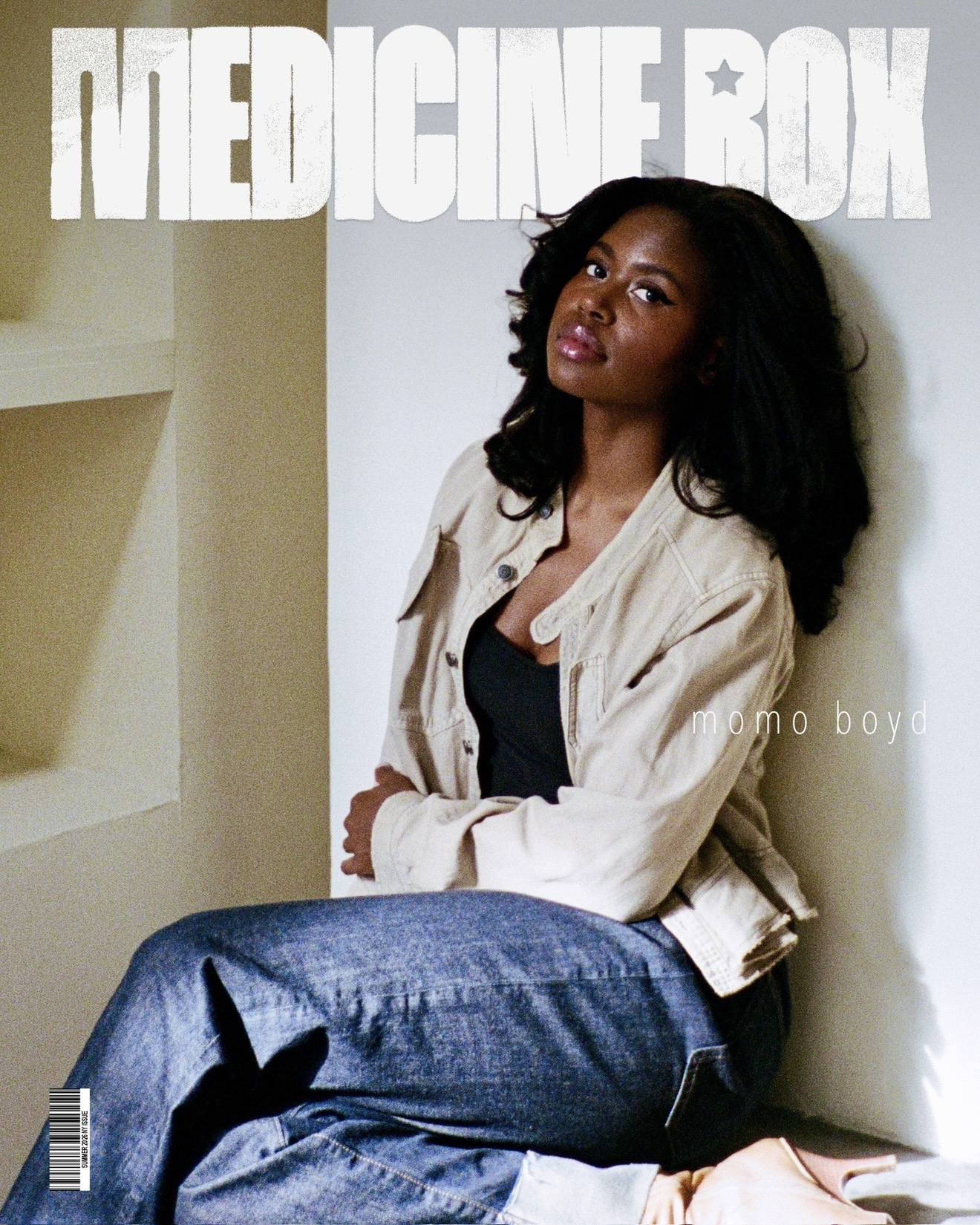
The Sound of Becoming: Momo Boyd on Miss Michigan By Keyanna Harris
There is a book on the shelf behind her that says homage. It's Mother's Day weekend, and Momo Boyd is talking about her parents, who were born and raised in Michigan, and about the dedication threaded through her debut solo EP. "It's dedicated to the roots," she says, "the seeds that were sown when I was there."
She moved to New York when she was seven. Most of what she remembers about Michigan is becoming a dreamer there. New York gave her the audacity to do something about it.
Boyd speaks the way her music unfolds: slowly, thoughtfully, without urgency. In conversation, she is calm, grounded in a way that feels unexpected alongside the emotional exposure woven through Miss Michigan. There is an ease to her presence even as she describes the discomfort of being seen trying, experimenting, or revealing parts of herself before fully understanding them.
That tension sits at the center of her work. Her music moves with freedom across influences, emotions, and sound, while carrying the self-consciousness that comes with honesty. Miss Michigan isn't a finished version of herself. It's what happens while becoming.
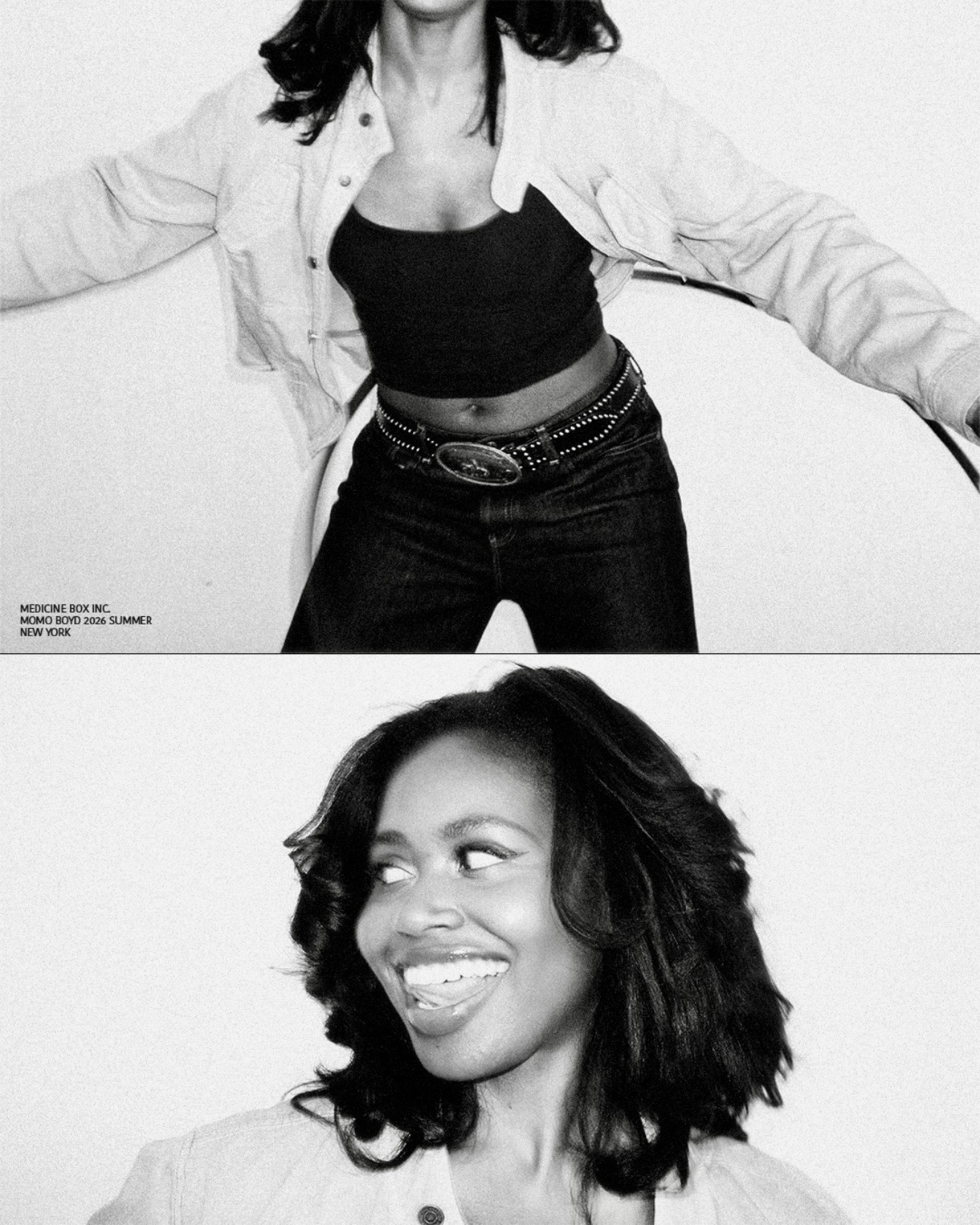
I. Being seen trying
"I felt so embarrassed throughout the whole process of the EP,"
she says. "There is such a tangible feeling of embarrassment when you're being so honest, especially when you're doing that in front of people you might have a decent relationship with, but you don't really know like that. Producers, collaborators, people in the room."
She has always been shy. Shy since she was young, by her own account, and the studio is its own kind of exposure on top of that. "Being seen trying," she says. "Like, I was squirming in my seat sometimes like, is this embarrassing?"
The track that pushed her there hardest is "Oops," the final song on the EP and its clearest sonic departure. It leans playful, looser, further from the rest of the record's emotional center.
"That was the whole point of it. Pushing myself,"
she says. "And also pushing the perception of me. But in the process I'm like squirming in my seat, like, is this embarrassing?"
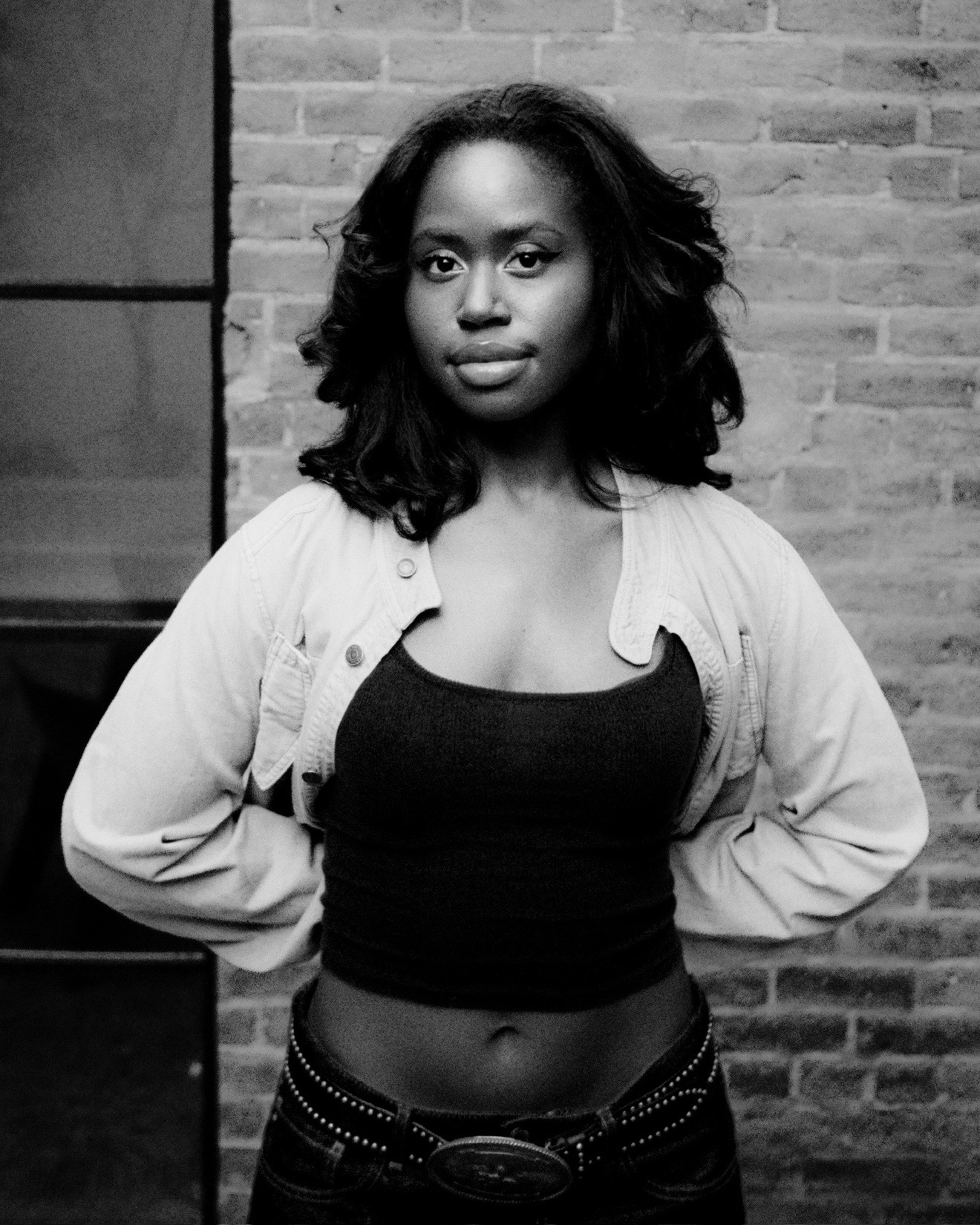
The squirming, it turns out, is the point. The moments where she felt most uncertain in the room are the ones that land most directly on the record, precisely because they're unguarded. She doesn't finish a song until she finishes the thing inside it. "Second Best" is the clearest example: she wrote the chorus in 2022, the verses in 2024, the bridge this year. "I wasn't, like, actively trying to write it," she says. "It was like, oh, let me revisit this song because I am revisiting this emotion once again, unfortunately." She knows a song is done when she's said everything. "There's nothing more to say on this topic. I'm over it. I'm bored."
II. Permission
Boyd's reference pool is wider than Americana, the genre tag the project keeps getting pulled toward. She names Dijon, Ethel Cain, Geese, Cameron Winter, Frank Ocean, Steve Lacy, Lauryn Hill, Diana Ross, Maxwell, Res. The thread running through them is emotional intent.
"I just love emotional music. That is my standard of excellence,"
she says. "There has to be honesty, humanity, truth. Some part of the song that feels real."

Dijon has been her gold standard since 2022, by her own count. "That album has single-handedly influenced me, maybe more than anything," she says. "It was the context that I needed to have the bravery to be who I am. Here he is being who he is, but he's so raw. He's so emotional. He's doing country. He's doing R&B. He's doing, like, these electronic beats in some of the songs. The production is so all over the place, but it's so cohesive and it just makes all the sense in the world. Because it's honest."
She talks about influence less as borrowing and more as absorbing permission. Permission to move between sounds without needing them to stay consistent. Emotional cohesion in place of sonic cohesion.
That lineage is on her mind when she talks about live music too. She brings up Ravyn Lenae unprompted, a show at Brooklyn Paramount last year. "I love her audience. Everybody is Black. Alternative. It's so beautiful." She gets goosebumps just remembering it.
"I look at her and I see her being like a direct descendant of so many great Black artists. I saw Solange. I saw Anita Baker. I saw Diana Ross. It's just so clear."
That lineage has a structural problem attached to it, and Boyd has thought about it. One of her goals, stated plainly in the middle of a conversation about what's next, is to get an alternative category instated at the BET Awards.
"We have Grammys and all that, but that is for us, by us. That's the whole thing of it," she says.
"I would like to see more spotlight shed on Black artists who are doing different genres and have things to say that might not fall right in the boxes of what they are."
It's the most pointed thing she says in the interview, and the most revealing. The project is personal, but the ambition around it is not just personal.
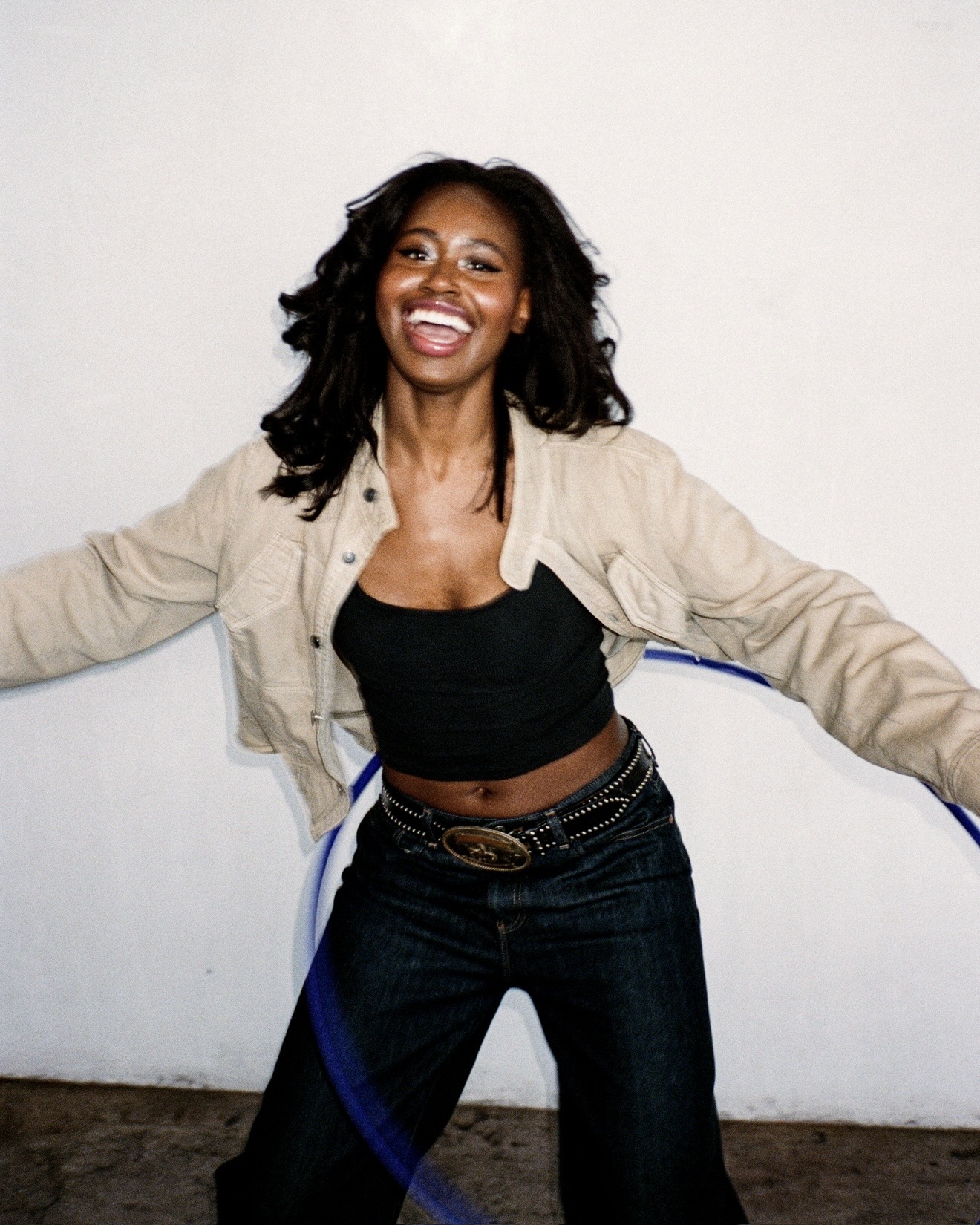
III. Miss Michigan
The EP is dedicated to her family. The title gestures at a place she barely remembers living, but it's where the dreaming started, and the people who raised her there are the people the project is for. New York is what came after.
"Artistry oozes out of this place," she says. "People have such audacity. You have to be firm in who you are in order to not get swept up in the trends." She grew up watching everything come and go. Her sense of style, her sense of self, didn't form in a vacuum, but it didn't form around TikTok either.
"I've seen it all come and go. And I know the best thing to do is just be an individual."
She's thinking about what comes next mostly in terms of impact. "Meeting people. Making something they can carry with them." There is a Madison Square Garden in her future tense, said the way Aries say things, as if speaking it counts as doing it. There is a Beyoncé collaboration she mentions in every interview. There is a tour. There is, more immediately, the simple fact of having said what she came to say.
"I was mostly concerned with expressing myself and getting the words out, getting the melodies out, and having fun. Just trying things here and there, getting who I am out on paper, so to speak."
Miss Michigan doesn't define who Boyd is. It documents her in the process.
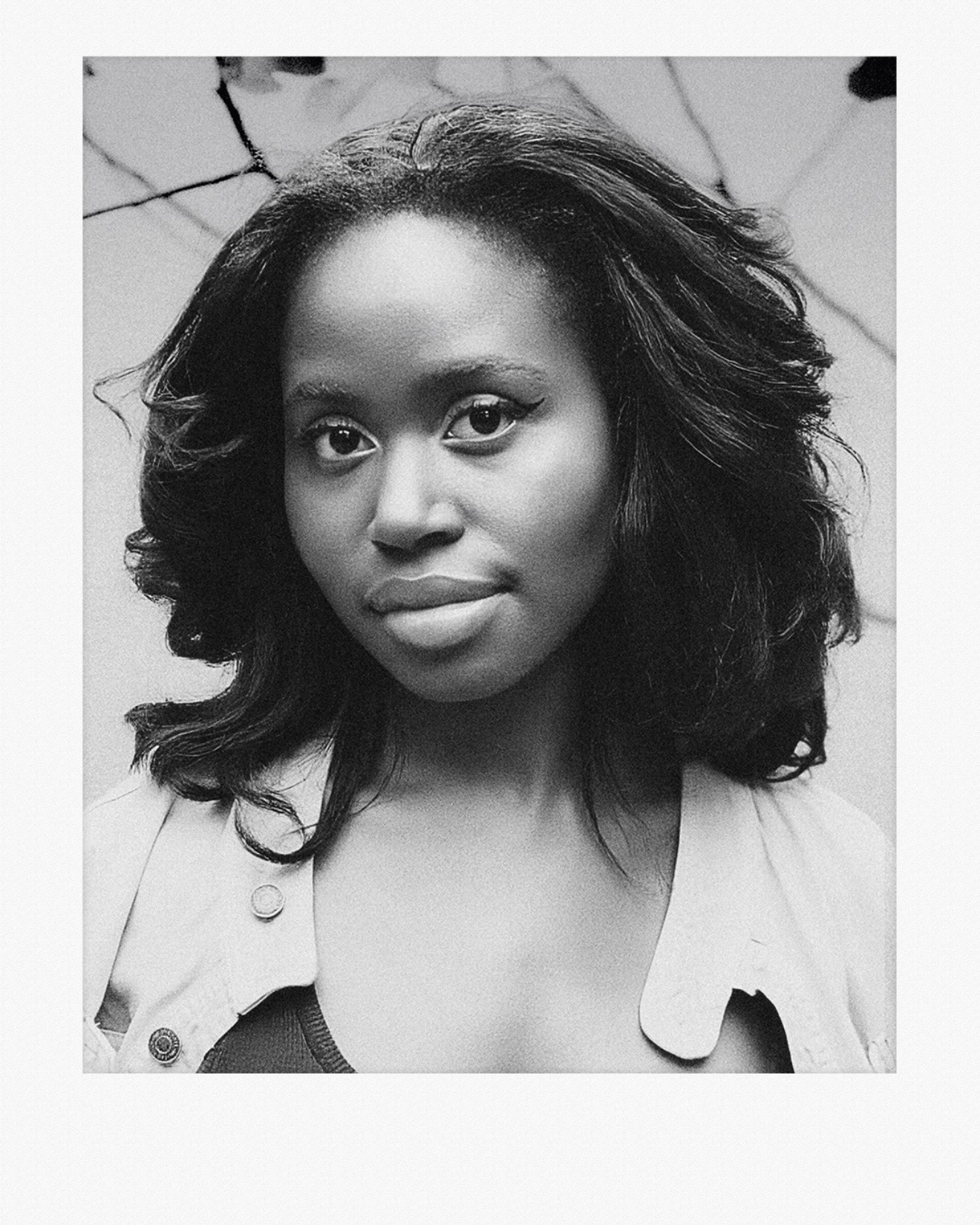
Interview Transcript
MEDICINE BOX: All right, so you can get started. Thanks so much for sitting with us today. I'm really excited. Yeah, I'm really excited to talk to you. I was so happy to listen to your album. It was like, honestly, such a pleasure. Just listening through to the whole thing. I really loved like the whole cohesion and just like the story and the narratives and like the themes. So I wanted to kind of jump in and just ask you, specifically, like, when you were creating the album, like, were there any, what were you like going for? Like, talk to me about the themes and motifs. So obviously, it's like kind of classic Americana, at least is what I picked up on. Like, tell me about what you were thinking when you were creating it and like how it came together. And then your process after when you're like selecting your tracks and like actually forming the album. Like, what's that process like, theme wise? And then how does that, like, influence, you know, everything else that comes after actually making the music?
MOMO BOYD: I think, funny enough, I really didn't put that much thought into making a cohesive, like, sound. It just kind of worked out that way. I was mostly concerned with expressing myself and getting the words out, getting the melodies out, and having fun, you know trying things here and there, just getting who I am out on paper, so to speak. Before I kind of dive into super, like, being a bit more experimental, I was like, who am I right now? You know, how do I like to sing? How do I like my voice to be presented? What lyrics feel right to me? What, like, elements in the production feel right to me? I think, like, as my career goes on, I love collaboration and I love being pushed outside of my comfort zone, and so that's something that I'm going to actively be seeking. But, like, first things first, you know, let's talk about me.
MEDICINE BOX: Exactly.
MOMO BOYD: So that was, like, the whole thought process, and I think everything just naturally aligned because it was all from, like, the type of vibe that I naturally would go for or, like, gravitate towards.
MEDICINE BOX: Yeah. So when you're in, like, a certain space, it's just kind of, like, you're in this space, so what you are creating and what you're doing kind of obviously naturally aligns and kind of forms its own story because you're just kind of expressing where you're at.
MOMO BOYD: Yeah, exactly.
MEDICINE BOX: And so what space were you in while you were making this album? Like, tell me a little bit more about, like, what were your days like? Like, what were you going through? What were you doing on any, like, routines or anything that was, like, different that was, you know, out of the norm for you that sparked some, like, creativity? Or was it, like, things that you usually do and kind of grabbing inspiration from, like, your daily life?
MOMO BOYD: I don't, I don't think I was doing anything, like, super special, honestly, or different. Like, I think this project might be my most pure project of my entire career in the sense, I mean, let me not speak that because I would like for every project to remain pure.
MEDICINE BOX: Yeah.
MOMO BOYD: But it was so uncontrived. Like, I wasn't, like,
MEDICINE BOX: You can sense that.
MOMO BOYD: I wasn't trying to, like, fit a box or anything. I was literally just trying to say what I had to say and what's been, like, in my brain for the past couple of years. I was like, you know, I've been with my siblings in our band, but I've had something else to say and to express. And so, I mean, it's just a culmination of my, what my taste has been over the past couple of years. And my taste will evolve. And the music will always reflect what you listen to and what you consume. You know, what goes in will always, you know, show out. Yeah. Show on the outside. So, yeah.
MEDICINE BOX: Yeah. So, what have you, what were you listening to? What were some, like, inspirations for this album?
MOMO BOYD: I love, I just love emotional music. That is, like, my standard of excellence. Like, and it's not that it has to be, you know, sad and slow and it has to make you want to cry, but, like, I think for me there always needs to be an element of honesty, an element of humanity, and an element of truth. Some part of the song. I don't care what it is, you know? And that will always grip me and will always bring me in. So, somebody like Dijon.
MEDICINE BOX: Yeah. Yeah, he's definitely having a moment, too.
MOMO BOYD: But, like, love him. And he's been, like, my gold standard since absolutely in 2022. Like, that album has single-handedly influenced me, like, maybe more than anything.
MEDICINE BOX: Wow.
MOMO BOYD: Because it was the context that I needed to have the bravery to be who I am, you know? Like, here he is being who he is, but he's so raw. He's so emotional. He's doing country. He's doing R&B. He's doing, like, these, like, electronic, you know, has these electronic beats in some of the songs. Like, the production is so all over the place, but it's so cohesive and it just makes all the sense in the world, you know? And it's honest and it's real. And I have listened to that album so much just from enjoying it, but also trying to understand how a person can do something like that. Like, I don't know. So, that album in particular, I think, obviously, like, you know, Cowboy Carter ushered in, like, on the global stage and, like, on the main stage and ushered in, like, a lot of people feeling like maybe they have permission to explore these other sonic landscapes. But for me, Dijon was my introduction. And so, I was loving the way that this sound felt. I was loving the, like, rawness of it for years. And so, I would say that is a big part. I think, also, Ethel Cain, Preacher's Daughter, that album, you know, again, very, like, emotionally honest and, you know, talking about her experiences as somebody who grew up in, you know, like, a religious environment. And just the story behind it and the way that she's able to, like, bring it all together with these sounds. I feel like that maybe also played a part. Geese. Yeah, I love Geese. Cameron Winter. I was listening to a lot of their music when I wrote the first song on the EP, Cold Hands. Which is so interesting because a lot of people are like, you know, Cold Hands feels like Lana. And I'm like, I get it. And I love Lana. I think she's really one of one in her own ways. But I was actually listening to a lot of Geese and I was thinking about a Black Sabbath song called Changes, which, you know, I referenced a bit of that in the lyrics of it. So, it really is all over the place, but it's so interesting what people, like, you know, pick up.
MEDICINE BOX: Yeah, a lot. Well, no, you talked a lot about, like, your influences and, like, the range of musicality that was inspiring you during that time. You also mentioned, you know, kind of, like, how you had something to say specifically and how that was a little bit different, I think, than in the past or, like, you had something specific for yourself that you wanted to say. So, what was, like, what's the difference in your process and, like, how you make your music, your songwriting, your instrumentation, all of that solo versus, like, when you're doing something with your siblings? Or is that process the same? Like, how has that varied and evolved over time, like, for yourself and with the band?
MOMO BOYD: Well, I think, just for me, I'm a bit selfish with my own things because I can afford to be and I have, like, the space to be. Like, naturally, when you're with a group of people in any facet of life, you've got to consider other, like, thought processes and artistic philosophies and all of those things, and it all is beautiful, and that's what collaboration is. But for me, I'm just, like, what do I want to do, you know? And, like, what style of music makes my voice shine the best? You know, I don't have a typical, like, pop vocal, you know?
MEDICINE BOX: No, you don't. And I think that's what makes your music so, it feels emotional, like you were saying, kind of, like, what you like and what you listen to, like, you can tell because you are able to, like, take those influences and digest them and then create something new, and I think you can sense that in listening to your music.
MOMO BOYD: Thank you.
MEDICINE BOX: Yeah, you're welcome.
MOMO BOYD: Yeah, but, yeah, I'm just thinking more, like, okay, what serves me? What serves me being presented in my best light? Because I think that's what the name of the game is. Not everybody is going to be good at everything. Not everybody is going to be Whitney Houston, you know? I know I'm not. But I am me, you know? And, you know, Amy Winehouse was who she was because, you know, she was able to pinpoint her strengths and what brought her strengths out the most and what sounds made the most sense. And I think as I continue to explore, I'm going to get even more, like, sharp with, you know, that's the whole thing of discovering your sound and discovering what resonates with the audience as it pertains to your sound. But I think that is my biggest goal. Like, I know how I want to present myself, you know, and I know how I want people to digest what I have to offer. So just figuring out, sorry.
MEDICINE BOX: No, we can change gears a little bit. So what's your, like, actual songwriting process like? Like, how do you know when a song is finished? How did you put your track list together? Like, tell me a little bit more about your creative process. I feel like we kind of talked about, like, the R&D phase and that once you're actually, like, in it, like, making the album, like, what's that part like? Do you start with, like, is there a process or does it just come? Like, tell me about, like, how the album came together in a sense of, like, did it start with one song, with one line, like, with an overarching idea or, you know, did it just kind of, like, did you feel like it came out of nowhere?
MOMO BOYD: I mean, I think each song is different. Very different. Like, some I wrote in two hours. Some I took, like, months to really verbalize and, you know, think about, like, particularly She's a Sweetheart. That took a long time to verbalize and get out of me because it was something that I was, like, currently experiencing and working through. So it was, like, real-time, like, therapy or something like that. It wasn't just, like, oh, I have an idea. Like, let me write a song. Like, no, that was something I was actually genuinely struggling with in my life, you know? So sometimes, and same for Second Best. Like, some of my, like, maybe better written songs are some I'm literally, like, living in real time and they may take longer. Like, Second Best, I wrote the chorus back in, like, 2022. But then I wrote the verses in 2024. And then I wrote the bridge this year in 2026. But it was, like, I wasn't, like, actively trying to write it. It was like, oh, let me revisit this song because I am revisiting this emotion once again, unfortunately, you know? And that is, there's, like, a parallelism with my life and some of the songs that I'm writing. I can't finish the song if I don't finish my, like, realization of the situation or, like, you know, learning what I'm meant to learn, you know, the lesson that I'm meant to absorb from it. So it's really all over the place. There's no set process for me for songwriting. But I think when I'm done, I know when I'm done when I feel like I've said everything. I've gotten it all out. There's nothing more to say on this topic. I'm over it. I'm bored.
MEDICINE BOX: Yeah. So you talk a lot about emotion and you mentioned, like, what lessons you learned. So, like, what was something that you learned about yourself during the making of this project?
MOMO BOYD: That's a big question. I just learned, I'm just continuously learning, like, how shy I am.
MEDICINE BOX: Really?
MOMO BOYD: No.
MEDICINE BOX: When's your birthday?
MOMO BOYD: March 27.
MEDICINE BOX: Okay.
MOMO BOYD: So I guess that makes me an Aries. But I've always been shy since I was very young, like, cripplingly shy. But I thought I'm better at being a normal citizen of society and, like, you know, all of that, which is good as it relates to people. But still as it relates to myself and being seen and being seen trying, being seen, like, doing something different that I haven't rehearsed already, you know, that has been very hard. Like being in the studio and, like, working on Oops.
MEDICINE BOX: Oh my god, I love that song. Like, I am obsessed with that song. I feel like it was the perfect little sprinkle that added just, like, a little something that we didn't know that we needed to the project.
MOMO BOYD: Yeah.
MEDICINE BOX: So you feel like that was out of your comfort zone a little bit?
MOMO BOYD: Yeah, it definitely was. I mean, that was the whole point of it was to push myself and then to also continue to push the perception of me. So, like, it did the job, but, like, in the process, I'm, like, squirming in my seat and I'm, like, is this embarrassing? Like, I just felt so embarrassed throughout the whole process of the EP, which sounds interesting, but, like, there is such a tangible feeling of embarrassment when you're being so honest and when you're doing that in front of people that, you know, you might have a decent relationship with, but you don't know them for real. Like, producers and stuff like that. So, I don't know. It's just really reminded me, like, girl, you are shy.
MEDICINE BOX: Yeah. Well, there's a lot of, I think there's a lot of, like, nuggets of, like, knowledge and wisdom that you were able to cultivate from that process. And rather than it being embarrassing, which I'm sure it probably feels like, it's, like, also being vulnerable. And I think that you can sense that and feel that when you're listening. And I think that's what, again, going back to, like, what you were saying earlier, like, that's what you connect with. And I think that's what you are able to kind of, like, harness and captivate and then emit into your music. So, it definitely didn't sound embarrassing. It sounds really good. And I appreciate the vulnerability. Okay. So, changing gears a little bit. We know, obviously, that your Detroit roots are a big part of, like, a key element of this project. But what role has New York played in your music? And how did it feel to be debuting your music in your kind of, like, second hometown?
MOMO BOYD: I mean, here, you know. Like, I feel like, and I was telling my friend this yesterday, because yesterday was Mother's Day. But honestly, and this is so funny, because there's a book right there that says homage or homage. But, like, the project is, like, dedicated to my family. You know, it's dedicated to my parents. And they were born and raised in Michigan. You know, and it's dedicated to the roots and the, you know, the seeds that were sown when I was there. But I was, you know, I moved when I was, like, seven. So, I have limited memories of being there. But the one thing I remember was, like, that being the beginning of my dreams and, like, consciously, like, becoming a dreamer while I was in Michigan. And then, you know, New York gave me the confidence to pursue those dreams and gave me the space. Like, New York is such an artistic, you know, artistry, like, oozes out of this place. And, like, people have such audacity and, you know, it's just a lot going on. And you have to be firm in who you are in order to not get swept up in the trends and all of that stuff. So, it's just taught me maybe, like, an unshakable sense of self to grow up here. Because, I don't know, I grew up, I saw everything. I saw all the trends. I saw what's cool. And, like, you know, with the TikTok trends and stuff like that, I'm like, okay.
MEDICINE BOX: Living in New York makes you, like, kind of, I feel like, almost desensitized to internet trends because it's, like, you see all of this in real life all the time.
MOMO BOYD: Like, I'm just going to do my thing. Like, I have my own sense of style, which, obviously, I don't live in a vacuum. So, it's informed by trends and stuff like that. But, like, it's grounded in who I am because I know, like, I've seen it all, like, come and go. And I know the best thing to do is just be an individual.
[break]
MOMO BOYD: But I think also, just remembering that these are people. These people are buying tickets because they love the music. And they love what I have to offer to their life. And so, when I think about it like that, it makes it much easier to envision myself connecting with them on a real level and speaking to them through the music and in general on that stage thats impactful. And also, you know, the biggest thing is impact. Like meeting the people is something making something that they can carry with them.
MEDICINE BOX: So, have you read any good books lately? And if you have, tell me about them. What did you read? Or just like a favorite book that you have read, like in life.
MOMO BOYD: Okay. I don't know, last year I binge read Gone Girl in a day. That's like 500 pages.
MEDICINE BOX: Yeah.
MOMO BOYD: Yes.
MEDICINE BOX: I gotta see what happens.
MOMO BOYD: I was like in that book, it's so good to me.
MEDICINE BOX: Have you seen the movie?
MOMO BOYD: I have.
MEDICINE BOX: Book or movie, which one do you like better?
MOMO BOYD: Book is always better. Because the details are always going to be there. I mean, I can appreciate a movie adaptation, but the book is always going to be better in my opinion. But yeah, it also has similar themes of like, you know.
MEDICINE BOX: Yeah. Like her whole thing.
MOMO BOYD: Yeah. Like I do not like this life. Let me get a new one. Let me get up out of here.
MEDICINE BOX: Yeah. There is an element, I think, of, and like a theme of kind of like freedom and expression that you keep coming back to. And I think that, again, that's definitely like conveyed through your music. What albums or songs are on your recently played? Like, are you Apple Music or Spotify?
MOMO BOYD: I'm Apple Music.
MEDICINE BOX: Me too. We were going to go on your recently played. What's on there?
MOMO BOYD: Oh, Michael Jackson.
MEDICINE BOX: Okay. Have you seen that movie yet?
MOMO BOYD: Yeah, I just saw it on Saturday.
MEDICINE BOX: I haven't seen it yet.
MOMO BOYD: I enjoyed it. I really did. And I also did cry.
MEDICINE BOX: Really?
MOMO BOYD: Yeah.
MEDICINE BOX: Okay, favorite Michael Jackson song or album? That's like a hard to pick just like one, but like give me a few of your like top.
MOMO BOYD: I mean, naturally, like.
MEDICINE BOX: Yeah.
MOMO BOYD: But yeah, you would find Michael Jackson. I've been having him on repeat the last couple days. You can also find Miss Lauryn Hill MTV Unplugged.
MEDICINE BOX: Oh, my gosh. Yes. So good. I just listened to that yesterday. Actually, I feel like it's a good Sunday album because I feel it's like so chill and just like feels down to earth and grounding.
MOMO BOYD: That's like always going to make, it's like I've listened to that since I was like 15. Diana Ross's self-titled album. "How I Do" that album by Res. Okay. Is that how you pronounce her name? I've never been sure.
MEDICINE BOX: I'm not sure, but I know that album as well. It's on. I love it so much with like the black and white cover and like the red font.
MEDICINE BOX: Yeah.
MOMO BOYD: Yes. So good. And then I have also been listening to some Maxwell.
MEDICINE BOX: Okay. Love that.
MOMO BOYD: Thinking Too Much, the album by Joshua Sloan.
MEDICINE BOX: Okay. He's like an alternative country artist. I really like the emotion in his music.
MOMO BOYD: And then Frank Ocean. He's another artist who I think he does a great job of like being emotional in his storytelling. Him and Steve Lacy.
MEDICINE BOX: Oh, he's always on repeat for me. Yeah. And they do such a good job of like maintaining the alternative quality of their music.
MOMO BOYD: Yeah. You know, still pushing boundaries. But still, I think there's still something to be said about, you know, still being accessible. I really value being accessible to wider audiences. So I try to take notes from them. I think they do a great job at like balancing the two.
MEDICINE BOX: Totally.
MOMO BOYD: And I feel like some of my favorite artists were also the biggest artists in the world.
MEDICINE BOX: Okay. One last fun question I have. I want to get some of your best of New York ideas. Your best of New York, like where you like to go. So where's your favorite slice of pizza? Or do you have a go-to pizza spot?
MOMO BOYD: Not really, I don't really eat pizza.
MEDICINE BOX: Okay, what's your favorite food?
MOMO BOYD: My favorite food, I love Thai food. I love Thai food. Thai food and breakfast food. Love it.
MEDICINE BOX: Okay, where's your favorite place to go listen to live music in the city? Or like a place that you would like to perform?
MOMO BOYD: I like that one. I feel like the biggest one is like, Madison Square Garden.
MEDICINE BOX: Yes. Come on. Come on, MSG. Come on, sold out MSG. Yes, let's manifest. We can speak it into existence, girl.
MOMO BOYD: I like Madison Square Garden. Yeah. New York City. Last year. You know, just working my way up through all the most iconic venues. Maybe Brooklyn Paramount. I saw Ravyn Lenae there last year. And I loved the space. It was like, it was my first time there. But I loved it. I love her audience. Everybody is Black. Alternative. It's so beautiful.
MEDICINE BOX: Yeah. I haven't seen her live, but I feel like I'm sure she does a really good show.
MOMO BOYD: She does. She does. Yeah, she has, I think also has such a like distinct sound to her. And there's that vulnerability in her lyricism that I think aligns with everything that you were talking about. And I was so touched by her performance. Like, I look at her and I see like her being like a direct descendant of so many great Black artists. And like, already in general, but when I saw her live, it was so clear.
MEDICINE BOX: Yeah, wow.
MOMO BOYD: Like, I saw Solange. And I saw Anita Baker. And I saw Diana Ross. It's just so clear. Like, I got goosebumps. You know, and I get goosebumps just thinking about it. So, I love her.
MEDICINE BOX: Yeah, me too. I feel like she just seems like such, again, I've never seen her live or met her, but she just seems like such a like real person, like a real human. You know what I mean? It's not like, it doesn't feel manufactured or like made up and like kind of like, it doesn't feel like a personality or like a persona. She feels very like real and human. I think that connects to her music, which is something that I appreciate about her too. Okay, let's see if I have any other fun questions. Okay, I think that's it. But one last question that I wanted to ask you is, what are some things that you're looking forward to? Obviously, your tour. But what else are you looking forward to, like career wise, if there's anyone that you want to collaborate with? And then also just in life, like something that you're looking forward to or a goal that you have?
MOMO BOYD: I, obviously, I'm a very big dreamer over here. But I mean, I would love to work with Beyoncé. I say this all the time, every interview. People go, no, it's going to be okay. But no, huge, huge fan of her, her story and her perseverance. This is a bit random, but I have a goal to get an alternative category instated at the BET Awards.
MEDICINE BOX: That's a great goal. Wow. Wow. That is a great goal. I've never thought about the fact that there isn't one. And honestly, it should not have taken this long for that to even come up. Okay. At BET, who do we need to talk to?
MOMO BOYD: Obviously, we have Grammys and all that, but that is for us, by us. That's the whole thing of it. So I would like to see more spotlight shed on Black artists who are doing different genres and have things to say that might not fall right in the boxes of what they are. I would love to see that at BET.
MEDICINE BOX: That's out of the box. I like that. Very Aries of you.
MOMO BOYD: I feel like I can do anything unless it's with Grammys.
MEDICINE BOX: Of course. Yeah. A couple years. That's all we need.
MOMO BOYD: Exactly.
MEDICINE BOX: Oh, I think that we can put a bow on it. Thank you so much. That was great. I really just loved everything that you had to say. I felt like we were able to have a real dialogue, which felt really nice. And I got to get a little bit of a picture into your world. Thank you so much.


Comments
Loading comments…