

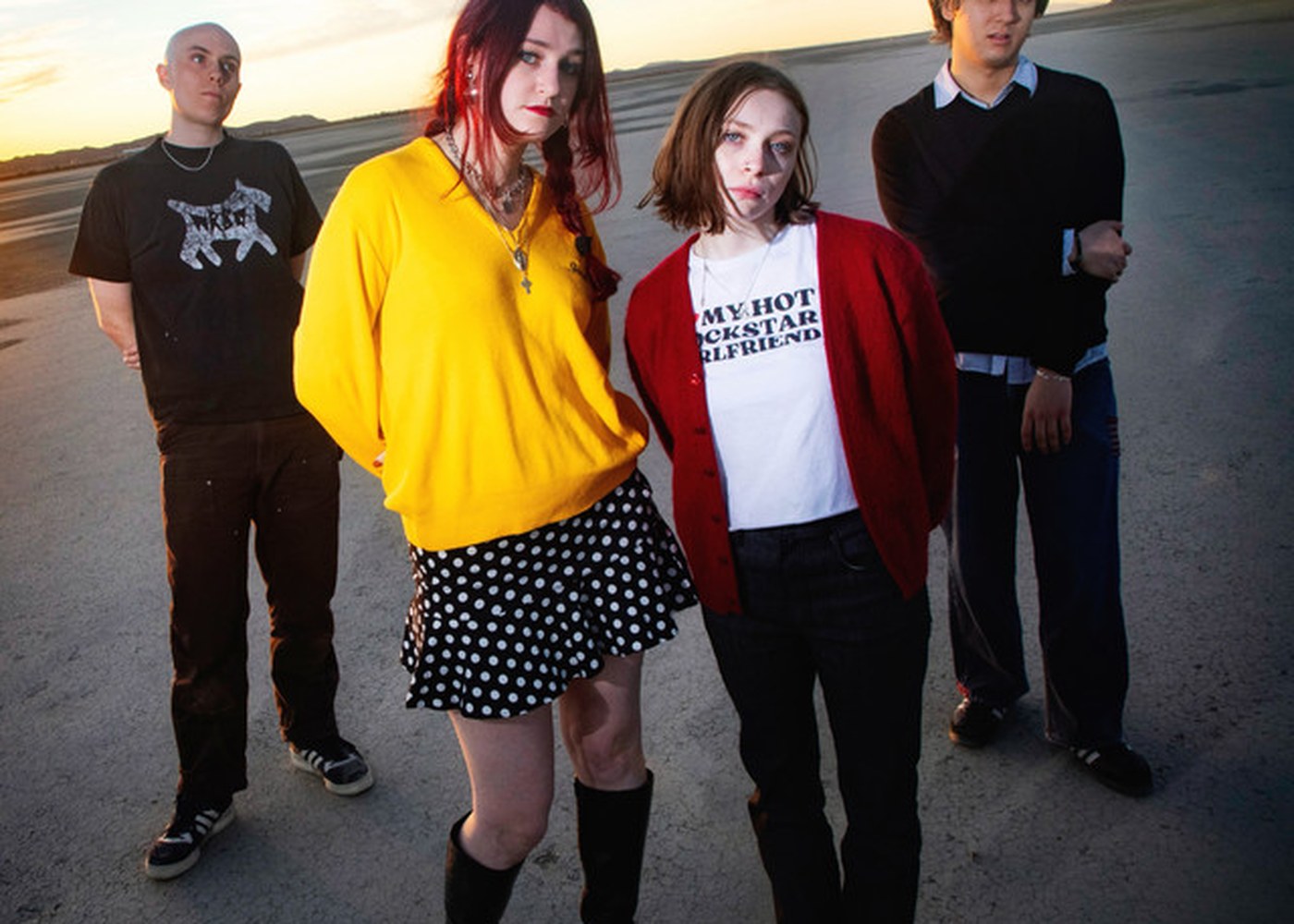
You already know how this ends, and so does the person asking. "Brave" opens with the narrator telling someone not to bother with the question, because the answer has always been yes. Over the course of the song, that yes slides from wanting into enduring, and by the final lines the narrator is calling silence and pain-taking a kind of courage. The song is about going back to someone you swore off, and about the story you tell yourself so the going back sounds heroic.
The yes that shows up before the question
The first chorus is tired. Almost amused. "Don't ask me if I want it / You know I always do" is the sigh of someone who has been through this loop enough times to skip the formalities.
But there's a guard up. The last line, "If I want it, I'll say," keeps a hand on the door. The narrator admits the pattern while still claiming the right to speak for themselves.
Verse one explains why the guard exists. They thought they'd ended it: "I thought I cut it out / Thought I put you on the line this time." Whether that line is a phone line, a fishing line, or an ultimatum, the move was the same, forcing the other person to commit or go. It didn't work, and what's left is a ringing in the head, as the lyrics put it, "the ringing sees no end in sight," the kind of tone that hangs around after a hit or a too-loud show.
"And I'm beating on a dead horse, begging for another bite"
Look at that idiom closely. A dead horse is supposed to just lie there. This one is being beaten and also asked to bite back, so the dead thing is both what the narrator punishes and what they want to be punished by. The relationship is over, and the narrator still wants it to have teeth.
"Cut me open": the request that drops the guard
Then the song lurches. After a verse of weary self-awareness, the narrator says something shockingly physical.
"Cut me open and stay right here
I just want you to stay"
Everything up to this point was defensive. Now it's an offer. "Cut me open" brings a blade into the room, and an open body, and a wound you have to hold still while someone stands over it. The deal is lopsided on purpose: you can hurt me, as long as you don't leave. "Right here" is never described. There's no bed, no kitchen, no city. The only place the song has ever shown you is the inside of the narrator's head, so "here" might be the only room they've got.
The next line is the one I keep coming back to. "I'll say nothing, I'll show no fear." Two lines earlier, in the chorus, the narrator promised "I'll say." Now the promise flips to "I'll say nothing." The voice that was guarding consent volunteers to go silent, and the song doesn't flag the contradiction at all. It just lets the two promises sit a few seconds apart, which is exactly how this kind of self-betrayal works in real life, where you don't notice you've changed your terms until you're already living under them.
And then the title arrives: "I can take it, I'm brave." Brave used to mean speaking up. Here it means holding still. A reasonable fan could hear this as defiance, a narrator choosing want with eyes wide open and refusing to be pitied for it. I hear it as a word getting quietly hollowed out, but the song is generous enough to let both readings breathe.
Shrinking to be worth the fight
Verse two picks up the old hope. "I thought I had a chance, thought we'd take it all the way this time." The perfect situation still exists, the narrator insists, "but it's hidden in the wrong design." The blueprint was always off. They know it and keep building anyway.
"I can keep my body small 'til it's good enough for you to fight"
This is the saddest math in the song. Making yourself smaller to become more worth keeping makes no sense, and the narrator offers it like a reasonable trade. "Fight" splits two ways. Fight for me, as in finally choose me. Or fight with me, as in at least engage. The lyric won't pick, and maybe the narrator can't tell the difference anymore. Either one counts as staying.
Right after, they demand bluntness: "Don't be delicate with me, keep it real, I don't need polite." So the body gets small and the treatment gets rough. Same instinct as "cut me open," now dressed up as toughness.
The chorus gives itself away
The final chorus repeats "You know I always do" three times, grinding the admission in. Then the last line changes. "If I want it, I'll say" becomes "'Cause you know what I'll say."
That one swap is the whole argument of the song. The narrator used to hold the answer. Now the other person holds it. Consent stops being something spoken and becomes something assumed.
The outro runs "I can take it, I'm brave" five times. By the third it sounds less like conviction and more like someone saying it into a mirror until it sticks. If you're hearing this in headphones at 2am with a half-typed text open, the song knows exactly where you are.
Conclusion
The question at the top of "Brave" was never really whether the narrator wants it. Everybody knows they do. The real question is what they're willing to call it once they go back, and the answer is courage. Silence becomes courage. Shrinking becomes courage. Letting someone cut you and calling their staying a reward becomes courage. I've said "I can take it, I'm brave" in that exact voice, and it never once meant I could. The song never names "you" or "it," and it doesn't need to. The thing it names, over and over, is the word you reach for when you've run out of reasons, and five repetitions in, "brave" has turned into the sound of someone giving up and refusing to call it that.
Frequently Asked Questions
What is "Brave" by Momma about?
"Brave" is about returning to someone you thought you'd cut off, even though you know it hurts. The narrator starts out guarding their right to say yes or no, then ends up offering silence and endurance, and calls that bravery.
What does "Cut me open and stay right here" mean in "Brave"?
The line is a lopsided bargain: the narrator will accept being hurt as long as the other person doesn't leave. It marks the moment the song shifts from guarding against the relationship to surrendering to it, with staying treated as worth any wound.
What does "keep my body small 'til it's good enough for you to fight" mean?
The narrator offers to shrink themselves in hopes of becoming worth the other person's effort. "Fight" can mean fight for them or fight with them, and the song leaves it open, since either would mean the person stays engaged.
Lyric analysis powered by Scalpel.


Comments
Loading comments…