

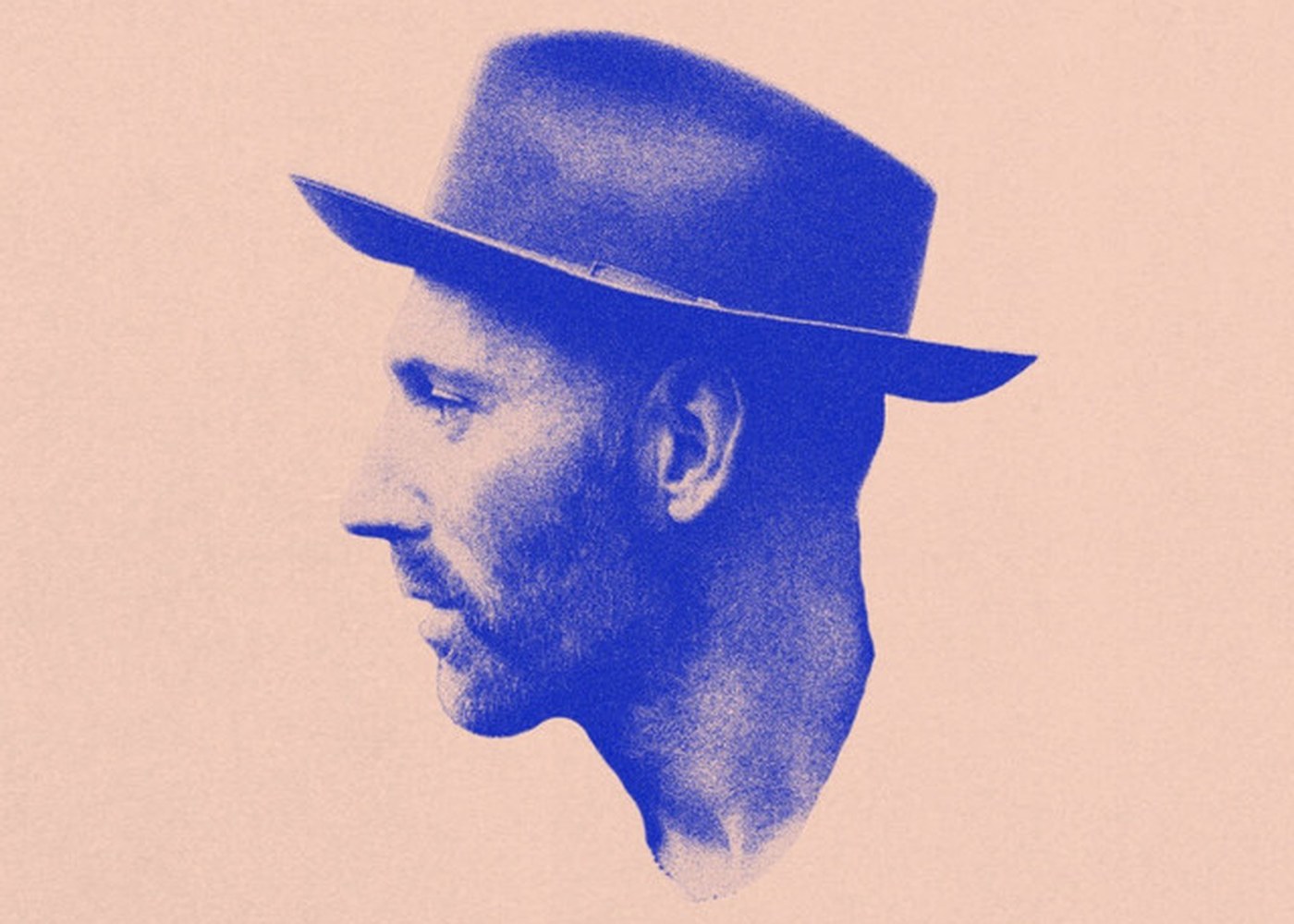
"Pacific City" is a song about how the most important things in your life rarely look like you imagined them. Not a song about disappointment, exactly - more like a song about finally making peace with the gap between the dream and the actual morning you woke up inside of. That distinction is everything.
Tired Together
The first image you get is campfire smoke in someone's eyes. Not a panoramic sunset, not a triumphant arrival - smoke stinging your face and the smell of pine. It is grounding in the most literal way, putting you in a body that is slightly uncomfortable, slightly exhausted, asking to sleep in because the night before was long and the morning is early.
But underneath that physical tiredness, the verse does something more honest: "tired of dreaming and sinking and laughing while crying." That line reaches past the campsite. The narrator and whoever they are with have been carrying a complicated emotional weather for a while, cycling through hope and collapse and the strange human reflex of smiling through the hard parts. The song opens not at the beginning of something, but somewhere deep in the middle of a life shared between two people who are still showing up for each other.
The Chorus and the Clothesline
The chorus is where the song's central argument lands and it does so almost sideways. The sun coming up over the coastline after a long drive, waves shining like solid gold - those images sound like the payoff you were promised. And then: "We're hanging by the wayside like towels on a clothesline."
"You said it wasn't pretty, but it was so magical"
That is the whole song in one line. Someone in that car looked at the scene - the wrinkled, salt-aired, slightly hungover reality of it - and named it honestly: this is not pretty. And it was still magical. The narrator does not argue with that assessment or try to upgrade the moment into something more cinematic. The imperfection and the magic are not in tension here. They are the same thing. The clothesline image does real work: towels hanging limp and damp are not glamorous, but they are useful and real and they mean someone has been living, has been wet, has been drying off and carrying on.
If you are driving somewhere at two in the morning with this song in your ears, this is the chorus that will catch you. It earns its warmth.
Pacific City's Hold
The second verse is where the song gets genuinely beautiful. "Pacific City had a hold on me / like a kid with a kite holding tight to that string." The kite image is specific in a way that opens something up - it is not about being trapped or anchored, it is about holding on to something you can feel pulling upward, something alive and tugging, something you have to grip with both hands or it is gone. A place can do that. A person can do that. The song leaves the referent deliberately open.
"The Aspen trees shaking like confetti fire"
That is one of the more surprising images in recent singer-songwriter writing, and it earns that moment of wonder. Aspens in wind really do look like that - pale leaves catching light, trembling all at once - and calling it "confetti fire" gives the image both celebration and heat, something joyful and slightly dangerous at the same time. The narrator then admits flatly: "I'm no good at waiting, but trust me, I'm trying." One sentence. The whole vulnerability of a restless person learning to stay.
Bridge: The Arrival
The bridge strips everything back. "It's enough; it's enough to hold on to." After all the campfire smoke and long drives and honest admissions about restlessness, what arrives is not a revelation but a settling. The word "enough" in pop songwriting can feel like resignation, but here it lands differently - like someone who has been chasing something realizing the thing they were chasing was already in their hands. "It's your love I belong to" closes the loop: the pull of the place, the kite string, the magical-not-pretty sunrise - all of it was pointing here.
A reasonable fan could hear the bridge as slightly too tidy, a neat bow on a song that spent two verses honoring the mess. I think the lyrics earn it because "enough" is doing the heavier lift - it is not abundance, it is sufficiency, which is a harder thing to choose.
What "Pacific City" finally delivers is an argument for choosing reality over the dream version of your life, not because the dream failed, but because the real thing - smoke in your eyes, towels on a line, someone next to you who sees the same unbeautiful morning and calls it magic - turned out to be better. That is a harder case to make than it sounds, and this song makes it.
Lyric analysis powered by Scalpel.




Comments
Loading comments…