

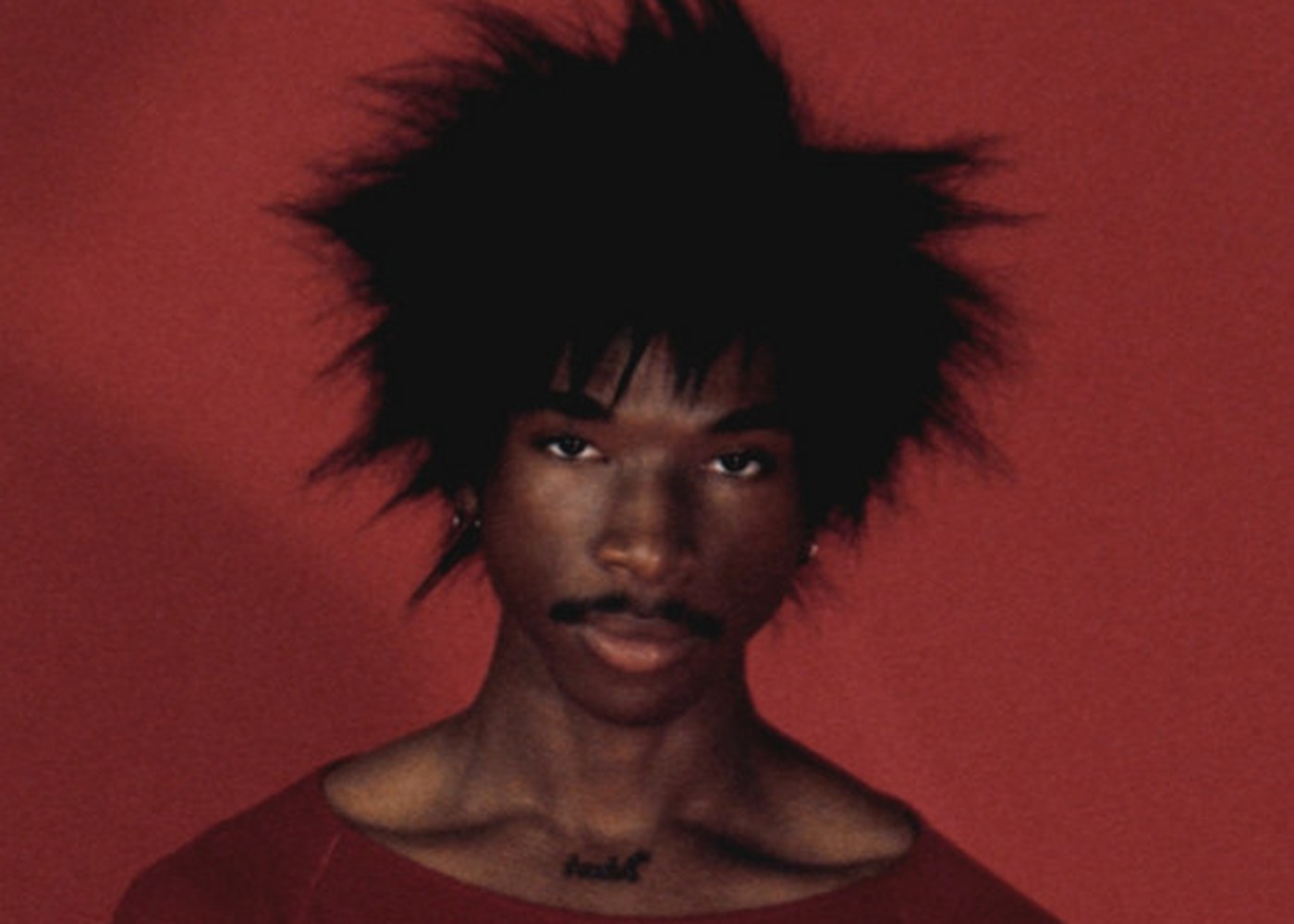
You already know this feeling: the one where someone has you so thoroughly that leaving would feel like losing a limb, and you are not even sure you want the limb back. That is exactly where "Love Costs" plants you and leaves you. The song makes a lucid, aching argument for staying inside a love that costs everything, because nothing outside of it feels real anymore.
Verse and Pre-Chorus: A Love That Fills Every Gap
The opening verse doesn't ease you in. "You could never die / I'll always keep you alive" sets up a love that has become a survival project, where the other person exists so thoroughly in the narrator's inner life that they have been preserved there, permanent and undying, regardless of what happens between them in reality. That kind of devotion sounds tender on the surface and a little consuming underneath.
Then the pre-chorus sharpens it. "When I'm low / You get me high like coke" is blunt about the dependency. The comparison to cocaine is not dressed up or softened. The narrator knows exactly what this is, knows it follows the pattern of something that spikes and crashes and pulls you back anyway, and then asks: "How could I let you go? / I'll never know." Not "I won't let you go." The not-knowing is the more honest thing to say.
The Chorus: "You could play me like a song and I'll still sing along"
The chorus is where the song earns its title, and this line is the whole argument in twelve words. Being played like a song means being used, shaped, performed through without much say in the matter. And the narrator knows it. The "still" is doing all the weight here. "I'll still sing along" is not passive or oblivious. It is a wide-awake surrender, a choice made in full view of what it costs.
What follows builds the world around that surrender. "Love you 'til we're bones" is the long horizon of it, devotion past the point of flesh. And then "Kissing in the back of my car / We touching down on Mars" gives you the texture of why. Those two lines carry the actual feeling of being with that person: enclosed, weightless, somewhere that doesn't follow the rules of ordinary life. That's the high. That's what makes the surrender make sense.
And the repetition matters. The chorus circles back not because the song ran out of things to say, but because the narrator has. There is only this. "The only tune I know."
Bridge: Where the Clarity Finally Arrives
The bridge is the most honest two minutes the narrator has with themselves, and it is also the most uncomfortable part of the song to sit with. "What else can I say? / Another time, maybe" sounds like the beginning of a goodbye that never quite finishes. It acknowledges that the narrator has probably had this conversation before, probably stood at this same door.
"I have myself to blame for hurting in this way" is the line that changes everything. The narrator doesn't accuse their person. They turn the accounting inward. The cycle, the heartbreak, the staying too long: all of it lands at their own feet. That kind of self-awareness should, logically, lead somewhere different. It doesn't. The chorus comes back unchanged.
But the second chorus swaps one word. "Hold you 'til we're bones" replaces "Love you 'til we're bones" in the final line. After all that reckoning, after naming the cycle and claiming the blame, the narrator moves closer. Holding is more physical than loving, more immediate. The bridge produces not a departure but a tightening grip.
Outro: Until Nothing Else
The outro repeats "Hold you 'til we're bones" until the song is gone. It could feel like obsession. It could feel like peace. The line has both in it, and I think that ambiguity is the point. The song doesn't try to resolve what kind of love this is, only how far it goes.
One reading a reasonable listener could hold: the whole thing is a warning dressed as a love song, the narrator performing their own trap for anyone listening who recognizes the pattern. The self-blame in the bridge supports that. But the song never winks at you. It stays inside the feeling without stepping outside to editorialize, which is either its most generous quality or its most dangerous one.
What "Love Costs" finally gives you is the portrait of someone who has done the math, seen the number, and paid it anyway. The love costs everything, and they hand it over fully, clearly, without regret and without delusion. That's the kind of devotion that has no clean ending. It just holds on, and holds on, until bones.
Frequently Asked Questions
What is "Love Costs" by Love Spells about?
"Love Costs" is about choosing to stay in a consuming, dependency-driven love even after fully recognizing what it takes from you. The narrator understands the cycle, names the pattern, and holds on anyway. The song frames that choice not as weakness but as the only thing that feels real.
What does "you could play me like a song and I'll still sing along" mean in "Love Costs"?
The line means the narrator knows they can be controlled or used by the person they love, and they would go along with it anyway. The word "still" is the key: it signals full awareness, not obliviousness. It's a surrender made with open eyes, which is what makes it so heavy.
Why does the last chorus change "love you 'til we're bones" to "hold you 'til we're bones"?
The swap happens right after the bridge, where the narrator admits the cycle is their own fault. Instead of pulling back after that self-reckoning, the narrator moves physically closer, shifting from the idea of loving to the act of holding. It makes the ending feel like a tightening rather than a resolution.
Lyric analysis powered by Scalpel.


Comments
Loading comments…