

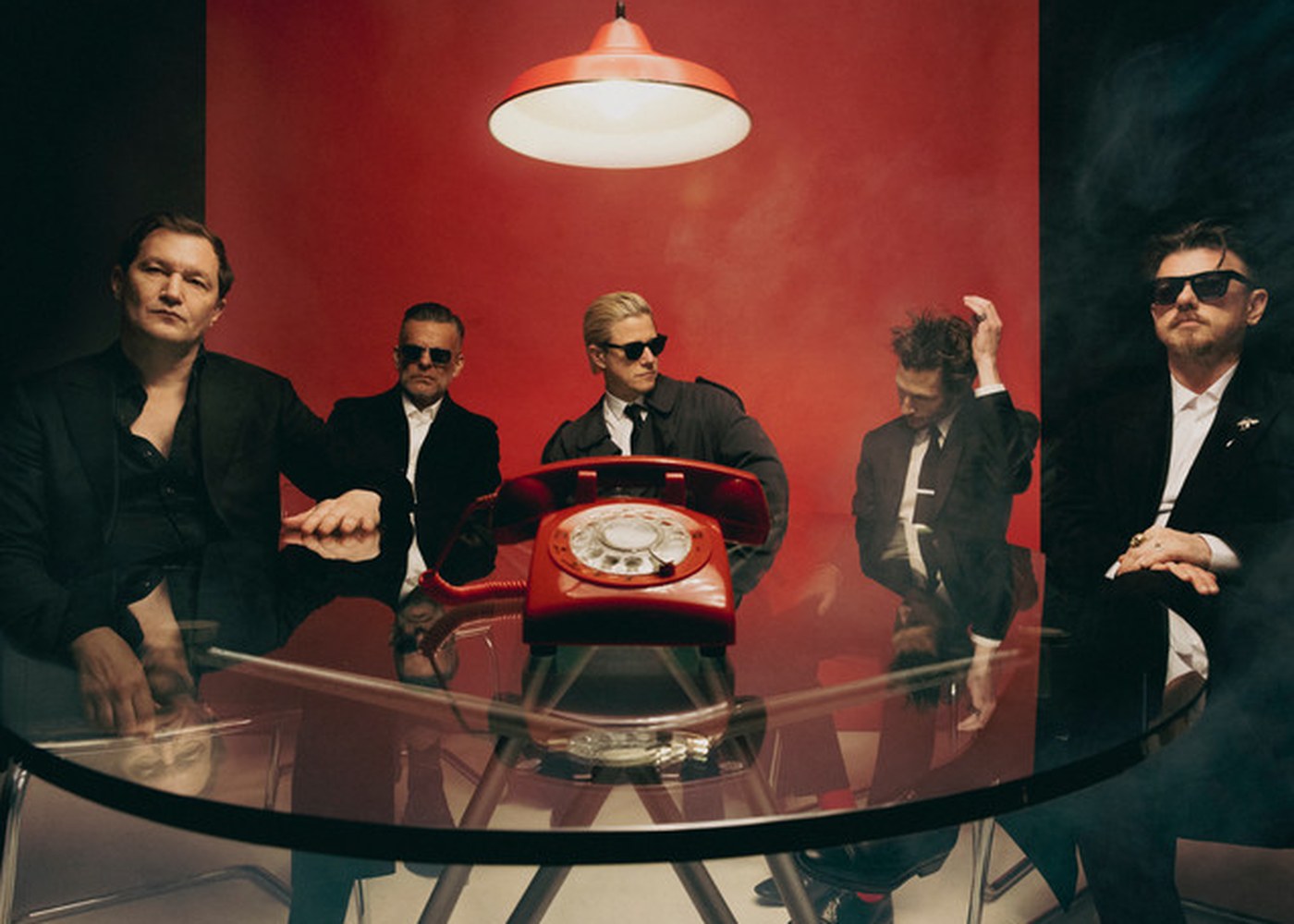
"I'm not here to contain you / I'm just here to let you out." That line is the song's engine, its thesis, and its most unsettling offer all at once. It positions the narrator not as someone seeking union or reciprocity but as a vessel, a mechanism for release, and the willingness in it is complete. No negotiation. No hedge. Most songs about desire are about getting. This one is about becoming the condition under which someone else can happen.
The Body Before the Language
The song opens at 5 AM with teeth-marked skin, and the sequence matters. The physical evidence comes first, before any explanation or reflection. Whatever happened, it left a mark. The narrator isn't describing a memory so much as reading the body like a document.
"I can see out loud" follows immediately, and it's the kind of phrase that resists a clean gloss. Seeing out loud collapses two senses into one act, makes perception itself a public, involuntary event. The feeling of being pixelated, dissolving at the edges while buried in the sound, extends that logic: this is someone whose boundaries are going soft on purpose. Not from confusion. From choice.
The first verse steps back slightly and reveals something the narrator is missing before the encounter restores it. "I've got the right clothes and nowhere pose / But I need some poetry." The pose is intact. The interior is hollow. The whole song is about what fills that hollow, and what it costs.
The Question Verse 2 Actually Asks
The second verse shifts voice and shifts stakes. "Am I the one to know what you've done? / Am I a lover or someone you came for?" The syntax is uncertain in a way that feels earned rather than evasive. The narrator doesn't know which role they're playing, and they're asking in real time, which means the surrender in the chorus happened before the terms were settled.
"I'm not impatient, but when do we play?" is the line I keep returning to. It's the one moment in the song where the narrator sounds almost amused, almost wry. Almost. The patience is real, the curiosity is genuine, but the question underneath it is whether this dynamic has a mutual axis at all, or whether one person is always the one being let out while the other holds the door.
The pre-chorus answers that with its own kind of stubbornness. "I fought defeat, go outside / And never separate." The refusal to separate is commitment, but it's commitment that's already survived some internal battle with the impulse to leave. Whatever this is, the narrator chose it over an easier exit.
What the Final Chorus Changes
The song runs the chorus twice in almost identical form, and then the third pass swaps out the last two lines. Where it once said "I will not meet you later," now it says "I will not meet you later / Because I'm never leaving now." The revision is surgical. Presence replaces deferral. The future tense collapses into a present that has no planned end point.
That shift is the song's actual argument. The narrator began by defining the role: I'm not here to contain you. By the final chorus, the role has consumed the narrator entirely. There's no outside to return to. The dissolution the verses were processing turns out not to be a side effect. It was the destination.
The Outro's Strange Peace
"Cold without the darkness would feel so strange" is the outro's pivot, and it reframes everything the song has built. Darkness, here, isn't absence or damage. It's environment. It's what the narrator is acclimated to, what feels like home. The repeated "today we're all friends" underneath it sounds almost ceremonial, a benediction spoken after the hard thing is over.
"Sighs around the heart when it beats as one" is the outro's most precise image: not the heart beating together, but sighs wrapped around that moment, the breath that comes after. Relief and weight at once. The song ends there, in a state that doesn't resolve into happiness or loss. It resolves into a kind of settled strangeness, which is, honestly, closer to what this feeling actually is.
What the Song Commits To
"See Out Loud" makes a case that self-erasure, when it's genuinely chosen, can be an act of integrity rather than weakness. The narrator isn't a victim of desire. They walked in clear-eyed, saw the cost, fought the exit, and stayed. "That's what you get" is the refrain the song places between the pre-chorus and the final chorus, two words that could read as resignation or as acknowledgment. Given everything surrounding them, they carry both at once, delivered without complaint.
A reasonable counter-reading holds that the narrator's certainty is itself a kind of performance, the "right clothes and nowhere pose" extended into emotional posture. The song doesn't fully shut that door.
But the weight of the lyrics falls on the other side. The narrator isn't performing presence. They're reporting it in real time, from inside a state that has already consumed the observer. The song's argument is that seeing clearly and surrendering completely are not opposites. Sometimes seeing clearly is what makes surrender possible. You understand what you're giving up, and you give it anyway, and the darkness feels like home.
Lyric analysis powered by Scalpel.



Comments
Loading comments…