

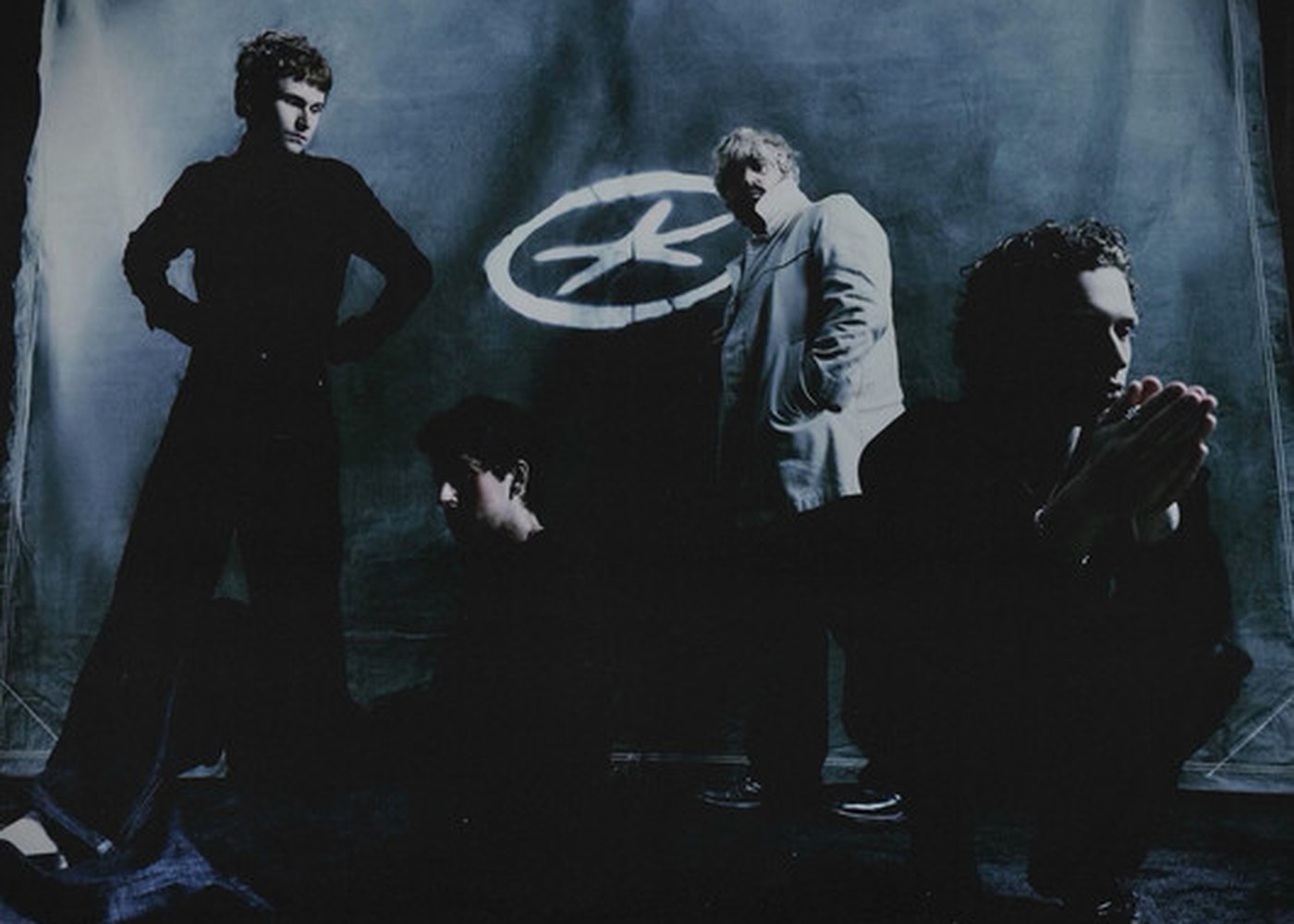
"Marionette" is about the part of you that keeps returning to someone even after your mind has already written the goodbye. The narrator knows the relationship is bad, says so plainly, and then folds anyway. That loop, lucid about the damage and powerless to stop it, is the whole song.
Knowing you should leave and being able to are two different things. That gap is what "Marionette" lives in. The narrator spells out every red flag with clear eyes and then pulls their own strings back toward the same person, chorus after chorus.
The image the song opens with does most of the heavy lifting before a single verse starts:
"Your body has a brain that goes against your own"
That line is worth sitting with. The narrator is describing a split, where the rational self has already reached its verdict and the body has simply declined to comply. The marionette metaphor follows immediately: strings taking control, someone else's hand above the frame. Except the puppet master here is not the other person. It is the narrator's own nervous system, which has wired itself to respond to this relationship the way a compass responds to north.
Verse one keeps the language tactile and spare. "Get a grip, collarbone" is not a full thought so much as a physical instruction the narrator gives themselves mid-spiral. The collarbone is the kind of anatomical detail you notice when you are holding yourself together in someone else's presence. It grounds the emotional chaos in a body that is literally bracing.
The second verse shifts the weight. "You paid for those mistakes I made" is the narrator owning fault while also acknowledging the dynamic is too entangled to simply exit. "It ain't hard enough to walk away" is the honest admission underneath all the self-awareness: the cost of leaving does not yet exceed the cost of staying. So they fold. That word, fold, appears twice and each time it has the weight of a confession.
Then the chorus arrives with the image I keep coming back to:
"When you're aiming at me, one eye closed / Like you know where it hurts me most"
One eye closed is how you line up a shot. It is precision, not accident. The narrator is describing someone who learned the target. Whether that person aimed deliberately or just got very good at it through proximity barely matters, because the wound is the same either way.
And then, dropping in without setup: "Do you think about December?" No further context. No explanation of what happened in December. The song just leaves that door open and walks past it.
That opacity is doing real work. December could be a rupture, a moment of tenderness, a mistake that changed the shape of everything that came after. The narrator does not say, and the withholding is the point. The reader fills it in from their own archive of the specific months that scarred them. It becomes everyone's December.
Verse three is where the narrator sounds the most worn down:
"Sour blue, bitter tongue / Getting old, staying young"
Those two lines compress what it feels like to be stuck in a loop you can see from the outside. Getting old is the accumulation of damage. Staying young is the refusal to stop repeating it. The contradiction does not resolve. It just sits there, which is exactly the point.
The fourth verse adds one more detail that lands differently from everything before it: "See your face in every place I look." The relationship has rewritten the narrator's perception so thoroughly that absence is not relief. It is just a different kind of presence. You cannot leave somewhere you have already carried with you.
The second chorus expands and the new lines sharpen things further:
"Every exhale was clouded smoke / And I stand on every word I spoke"
The exhale and the smoke return to the body, to breath made visible in cold air, which circles back to December without naming it again. The narrator stands on every word they spoke, which sounds like accountability but also reads like someone anchoring themselves to the only solid thing left: what they actually said, not what they meant to do.
A reasonable fan could read the whole song as being about the other person's hold, the narrator as genuinely helpless rather than complicit. That reading is available. But the marionette image cuts against it just enough, because the puppet still has to pick up its own feet.
"Marionette" does not end with resolution or even clear grief. It ends with a question still hanging. Do you think about December? The narrator has already answered their own question through every fold, every collarbone, every exhale. They think about it constantly. What they are really asking is whether any of it left a mark on the other side too. That uncertainty is what keeps the strings attached.
Frequently Asked Questions
What is "Marionette" by In Color about?
"Marionette" is about being caught in a relationship you know is damaging but cannot bring yourself to leave. The narrator is fully aware of the dynamic and keeps returning anyway, pulled back by instinct and emotional muscle memory rather than logic. The song frames that loop through the image of a puppet whose strings are controlled by its own body.
What does "your body has a brain that goes against your own" mean in "Marionette"?
The line describes the split between knowing better and doing better. The narrator's mind has already assessed the relationship clearly, but the body, wired through habit and attachment, keeps responding in ways the conscious self would not choose. It sets up the marionette metaphor: the narrator is being controlled, but the puppet master is their own nervous system.
What does "Do you think about December?" mean in "Marionette"?
The song never explains what happened in December, and that silence is intentional. It points to a specific moment that clearly shaped the relationship, something that still weighs on the narrator, while leaving the details open. The real question underneath it is whether the other person carries any of the same weight, or whether the narrator is alone in remembering.
Lyric analysis powered by Scalpel.


Comments
Loading comments…