

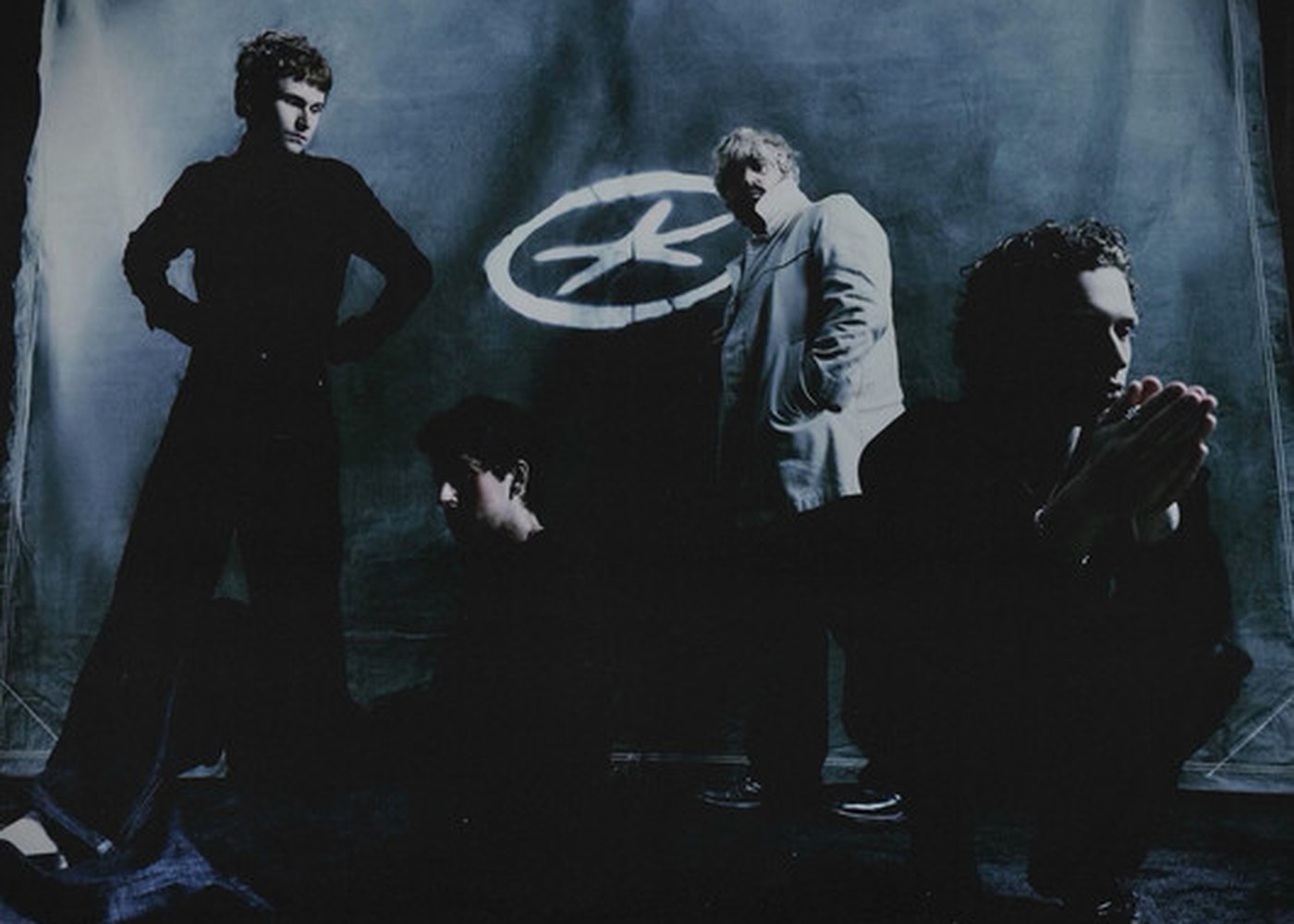
The song is tender and it is an accusation. Both at once, and it never resolves the contradiction. "Jet Lag Mouth" by In Color holds someone close enough to read their face and then asks them, point blank, whether they planted the wreckage they're standing in. That tension, intimacy and interrogation sharing the same breath, is the whole engine of the song.
The opening verse doesn't open with a fight. It opens with a detail.
"From the side of your lip hangs a weakness / But you wear it better now"
The narrator sees through the performance immediately. Not cruelly. With something closer to exhaustion and care at the same time. "You act strong / But you're not strong" is three words, then three more, and the plainness of it is the point. No metaphor needed. The narrator has been watching long enough to stop being impressed by the act.
Then the first chorus shifts the angle entirely. "Is your patience running out?" The question sounds gentle until you hear who it might actually be addressed to. It could be concern. It could be a warning. It could be the narrator asking about themselves. The song doesn't pin it down, and that ambiguity is doing real work.
The second verse is weirder, and it's the best thing here.
"See your life in the kiss of a jet lag mouth from the inside out"
A jet lag mouth is disoriented. It belongs to a time zone it isn't in. When you kiss someone like that, you're not fully present, and neither are they. "See your life from the inside out" through that kiss means the narrator catches a glimpse of everything behind the other person's eyes, all the displacement and confusion they've been carrying. It's an image of accidental intimacy, the kind where someone reveals more than they meant to.
Right after that comes the line I keep coming back to.
"There's a knife in the ditch / Did you leave it?"
Short. Almost cold. The knife is whatever caused the damage in this relationship, and the question isn't rhetorical. The narrator genuinely wants to know if the other person is responsible. "Did you leave it" implies it's still there, still dangerous, and that someone made a choice to walk away from it rather than deal with it. The second chorus follows immediately: "Did you run from what you found?" Same question, broader scale. Did you see the truth of this and bolt?
If you're driving home at midnight with this on, or lying in bed with headphones in, that question probably already has an answer you don't want to say out loud.
The bridge is where the song gets complicated in a way the rest of it earns.
"Call it what you want / Push into my lungs / Put your dress back on"
Physical. Resigned. The narrator isn't walking out. They're watching the other person get ready to leave and still pulling them back, or at least not stopping them from staying. And then, almost absurdly, tenderly:
"What you think 'bout startin' it over?"
That line shouldn't work. Everything before it points toward an ending: the knife still in the ditch, the running, the patience wearing thin. But the narrator floats the question anyway, and it doesn't sound desperate. It sounds like something said softly from across a room, half-hoping, fully aware of how unlikely the answer is. The casual grammar, "what you think," makes it hurt more. No dramatic plea. Just a question someone asks when they've already made their peace with both possible answers.
A reasonable reading of this song is that the narrator is the one who ran, not the person being addressed, and the whole interrogation is projection. The knife in the ditch, the running, all of it redirected outward because the narrator can't face their own evasion. I don't fully commit to that reading, but the song leaves the door open.
What "Jet Lag Mouth" ultimately does is hold two people in a moment just before the real conversation happens, and it refuses to let either of them off the hook. The weakness visible at the side of someone's lip, the question about starting over whispered at the end, both of those things are true at the same time. Seeing someone clearly and still wanting to stay is the whole story. The song just asks whether either of you has the patience left to tell it honestly.
Frequently Asked Questions
What is "Jet Lag Mouth" by In Color about?
"Jet Lag Mouth" is about two people at a breaking point in a relationship, where one person sees through the other's emotional performance and quietly asks whether they caused the damage between them. The song holds tenderness and accusation together without resolving either, ending on a fragile question about whether starting over is even possible.
What does "see your life in the kiss of a jet lag mouth from the inside out" mean?
A jet lag mouth belongs to someone who is emotionally or mentally displaced, not fully present in the moment. The narrator is saying that through this kiss, they catch a glimpse of the other person's inner world, all the disorientation and confusion they carry. It's a moment of accidental honesty, where someone reveals more than they intended just by showing up distracted.
What does "there's a knife in the ditch, did you leave it?" mean in "Jet Lag Mouth"?
The knife represents whatever caused the wound in this relationship, and it's still there, unaddressed. Asking "did you leave it?" is asking whether the other person deliberately walked away from the problem instead of dealing with it. The question connects directly to the chorus line "did you run from what you found," framing the core accusation of the song: that someone saw the truth and chose to disappear.
Lyric analysis powered by Scalpel.


Comments
Loading comments…