

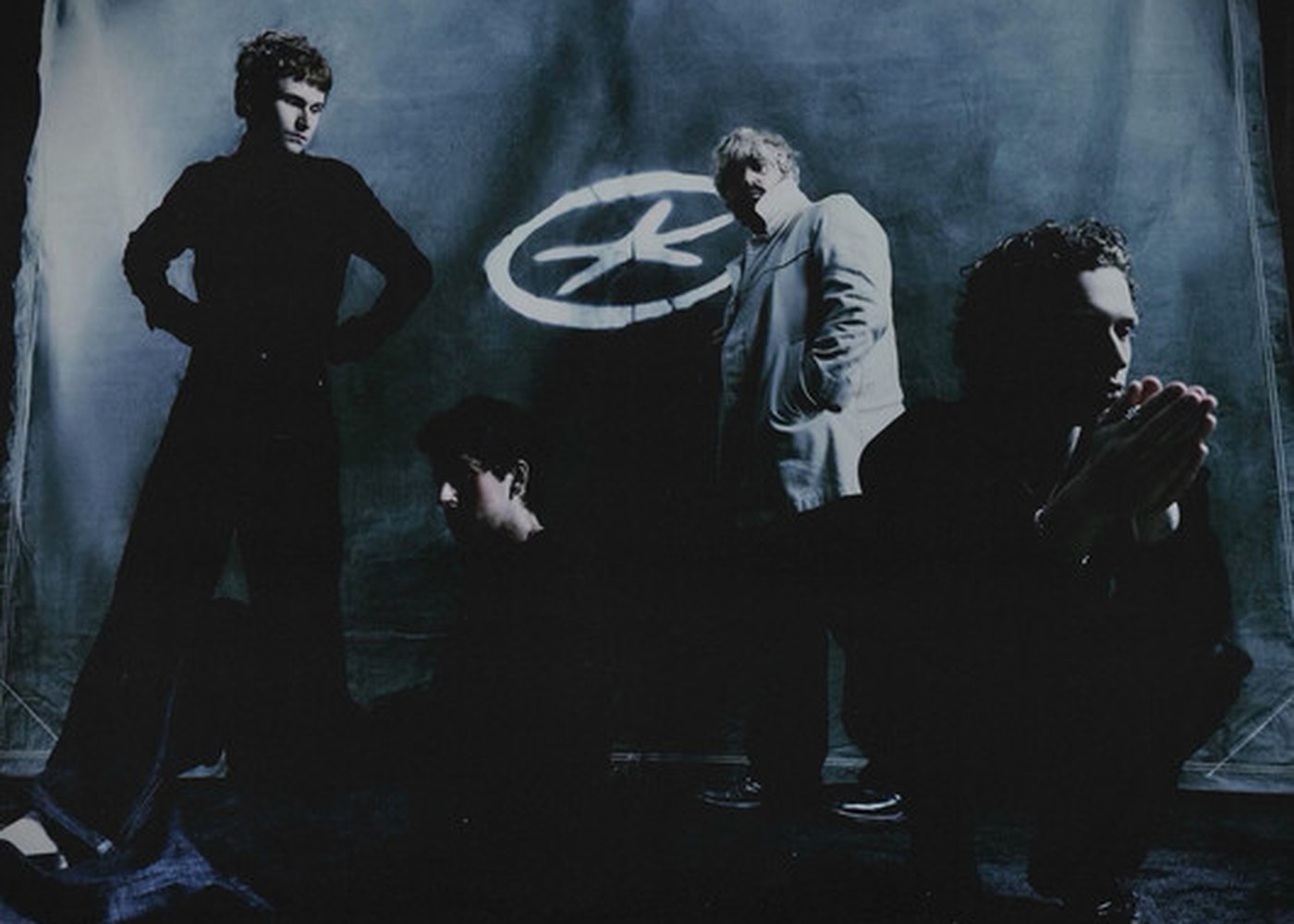
"High" argues that the most dangerous relationships feel exactly like addiction, not in some poetic, artistic sense, but symptom by symptom, craving by craving, relapse by relapse.
The song opens flat on the bathroom floor. No build-up, no romantic framing. Just a body, a ceiling, and the word "sorry" sitting there with nowhere to go. That image sets the whole emotional temperature: this is someone already in the aftermath, not the rush. The song never actually shows us the high. It only shows the wreckage around it, which is a sharper move than most love songs dare to make.
The Warning That Never Comes
The first verse carries the song's sharpest line:
"Medicated love never comes with a warning"
The word "medicated" is doing something precise here. It frames this relationship as a prescribed fix, something that was supposed to help, that arrived with the authority of something sanctioned and safe. Medication is supposed to come with a warning. Side effects, dosage limits, what not to mix it with. This love had none of that. It just got inside the narrator's system before they had time to read the label. And by the time they understood what they were dealing with, "never get enough" was already true.
That phrase, "never get enough," closes the verse like a door that won't latch. It's the first admission that the ceiling keeps moving. No amount satisfies. That's not romantic devotion. That's tolerance building.
The Chorus as Confession
The chorus is where the addiction metaphor stops being a metaphor.
"You're the only thing that's getting me high, I / I swear I only want it one more time"
"One more time" is the most recognizable sentence in the language of dependency. Every person who has ever tried to moderate something they can't control has said it. The narrator isn't professing love here. They're negotiating with themselves, and losing. The "I" that hangs alone at the end of the first line, cut off mid-thought, catches someone almost stopping before they admit the rest.
And the thing is, the chorus repeats. Three times. Each time the narrator swears they only want it once more. The structure itself enacts the cycle. They keep arriving at the same promise and breaking it before the song is over.
Verse 2: The Body Keeps Score
The second verse goes full physical. Fever. Sweat. Dilated pupils. Static where clarity used to be.
"Sweat through the seams I'll do anything to have it"
"I'll do anything" isn't hyperbole in this context. The verse has already established that the body is already failing, already paying. And still the craving wins. "Feel it in my blood" closes it out, which is the most honest line in the song: this is no longer in the narrator's head or heart. It's physiological. The pull has moved below the level of decision-making.
But something else happens in this verse. The second verse is shorter, faster to the chorus, like the wait gets harder the longer this goes on. The breathing room from verse one is gone.
The Bridge That Keeps Returning
The layered repetition late in the song brings back the opening images: the bathroom floor, the mirror in the morning. What felt like scene-setting at the start now functions as a loop. The narrator hasn't moved. All that chorus swearing and all those verses cataloguing the damage, and they're still in the same bathroom, still delivering the same apology to the same reflection.
The line "take it all back" runs four times in the bridge section. But you never find out what exactly gets taken back. The words? The night? The relationship itself? That ambiguity isn't a loose end. It feels like someone who wants to undo something but can't name the exact moment it went wrong, because there wasn't one clean moment. There was just accumulation.
I keep coming back to how the song never actually tells you whether the narrator gets out. Most breakup songs resolve in one direction or another. "High" just keeps cycling. That could be read as hopelessness, but I think it's accuracy. This is what being stuck feels like from inside it.
What the Song Is Really Saying
"High" makes the case that romantic obsession and chemical dependency share the same architecture: the craving, the physical symptoms, the repeated promises to stop, the failure to stop. Not as a cute comparison, but as a structural fact about how the brain processes both.
The song leaves one door open, though. A reasonable read of this is that the narrator still wants the person. That "getting me high" is said with longing, not just diagnosis. The ambivalence between wanting out and wanting more is where the song lives, and neither feeling ever fully wins.
What the song earns by the end is the portrait of someone who knows exactly what's happening to them and keeps choosing it anyway. The bathroom floor at the top is the same bathroom floor at the bottom. The mirror shows the same face. Understanding the problem and escaping it are two entirely different things, and "High" is clear-eyed enough to know it's only telling the story of the first one.
Frequently Asked Questions
What is "High" by In Color about?
"High" uses addiction imagery to describe a relationship that the narrator can't quit despite knowing the damage it causes. The song maps withdrawal symptoms, cravings, and relapse onto romantic obsession, arguing that the two experiences follow the same psychological and physical architecture.
What does "medicated love never comes with a warning" mean in "High"?
The line frames the relationship as something that entered the narrator's life with the appearance of a cure, like a medication that was supposed to help. Real medications come with listed risks and dosage warnings. This love had none of that, arriving without disclosure and taking hold before the narrator understood what they were getting into.
Why does the narrator keep saying "one more time" in the chorus of "High"?
"One more time" is the defining phrase of dependency: a promise to moderate that immediately gets broken. The chorus repeats three times in the song, and each time the narrator makes the same vow. The structure mirrors the cycle the lyrics describe, where the resolution to stop keeps resetting without the behavior actually changing.
Lyric analysis powered by Scalpel.


Comments
Loading comments…