

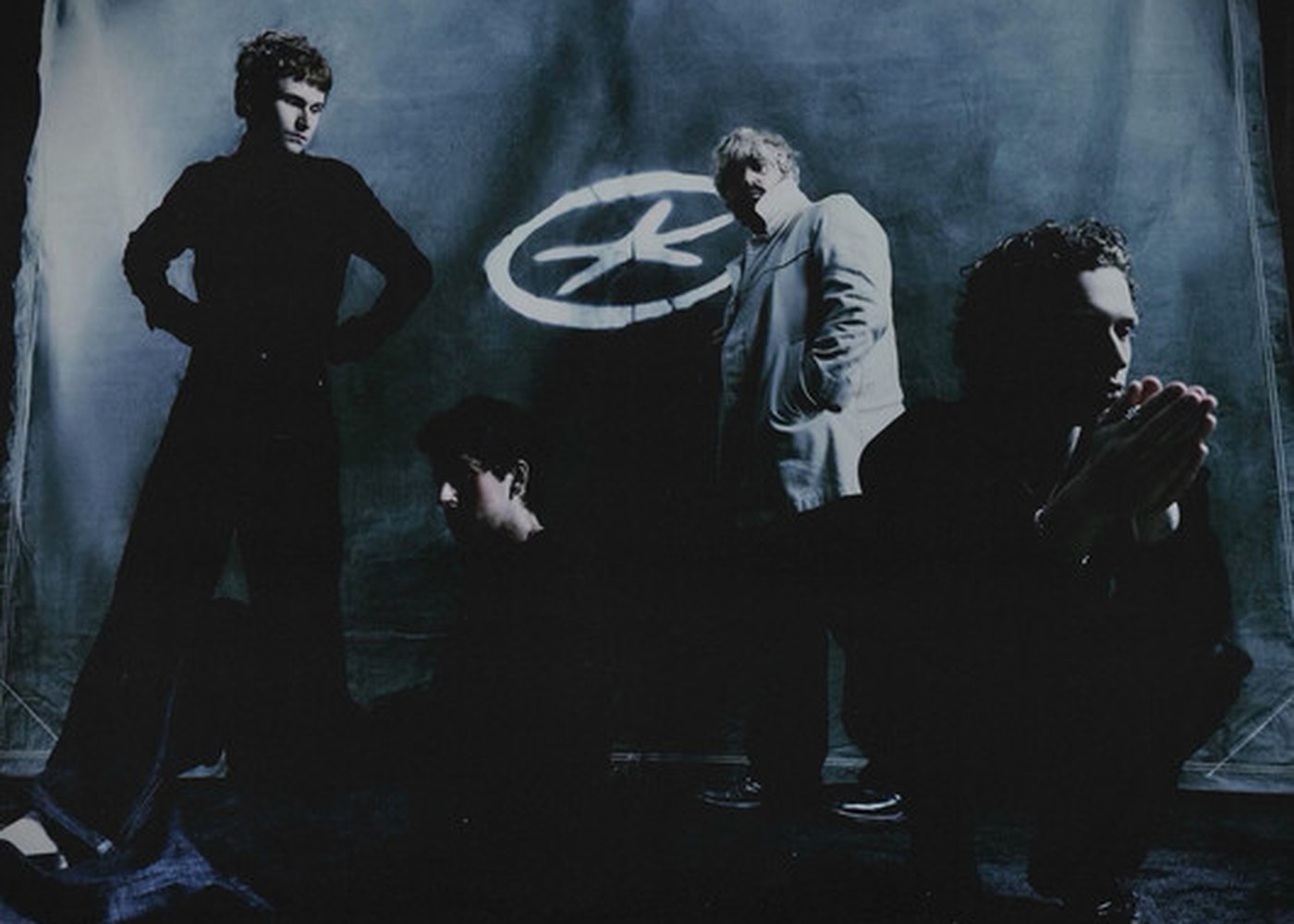
"Headlights" is about being someone's middle-of-the-night option, and choosing to stay available anyway. The narrator watches someone drive over with the headlights off, crying in the shower, saying all the wrong things, and still finds them beautiful doing it. In Color frames that as tenderness, but the song is honest enough to let it double as damage.
Introduction
The headlights are off before the song even starts. That detail arrives before any explanation: someone is driving to someone else's place in the dark, unannounced, hoping not to be seen. The narrator clocks it immediately and says nothing except "just keep on drivin'." That invitation is the whole song. "Headlights" is about the pull of being the person someone comes to when they can't go anywhere else, and the complicated warmth of holding that role.
Verse 1: The Open Door
The first verse sets up a dynamic so skewed it almost passes for casual. The other person is making mistakes. Driving blind, literally and otherwise. And the narrator's response?
"It's automatic, yeah, you've made some mistakes / But I don't really care at all, no"
That "automatic" is doing a lot. Forgiveness here is a reflex, not something worked through over time. The narrator doesn't need to think about whether to let this person in. The door is already open, the lights are already on, the address hasn't changed. What looks like generosity up front is actually a kind of helplessness by the end.
The Chorus: Where Tenderness Gets Strange
The chorus is where the song gets genuinely unsettling. The narrator sees this person at their most wrecked, mascara in the shower drain, and the image the song settles on is not pity.
"You know you look so pretty when you say I'm not the one"
That line stops the song cold. The person is actively rejecting the narrator in the moment the narrator finds them most beautiful. That's not romantic irony; that's the mechanism of a loop that never closes. Being told "you're not the one" becomes part of the intimacy. The narrator has absorbed rejection so thoroughly that it no longer registers as something that should end anything. It just deepens the ache.
Right after comes the instruction: "just turn and run, keep driving with your headlights off." Which sounds like a dismissal. But it's an invitation disguised as one. Come back the same way you always do. Invisible, unannounced, at whatever hour. I'll be here.
Verse 2: The Other Person in the Room
The second verse shifts the frame slightly, and it's the move that makes the song more than a breakup sketch. The narrator turns the camera on the other relationship.
"When he looks at you, do you look away? / When he's holding you, and it's not the same way that I do"
This is the narrator's real argument. The claim being made here is "you feel the difference and you know it." That distinction matters. The narrator isn't begging. They're pointing at something they believe is already true inside the other person. Which makes the whole song less about longing and more about waiting for someone to stop pretending.
Honestly, that framing might be a little convenient for the narrator. There's a reading where all of this is just the story someone tells themselves to justify waiting around. The song doesn't rule that out. It holds both without choosing.
The Post-Chorus and What Silence Costs
The post-chorus barely registers as lyrics. "I'm waiting on you, yeah. Keep waiting on you, yeah." It trails off, sparse, almost like a thought left running after everyone else has left the room. No performance in it. Just the fact of waiting, stated plainly, repeated until it becomes its own kind of portrait.
That repetition is the emotional core the rest of the song builds around. Every open door, every "don't care at all," every softened response to rejection points back here. Waiting. Still. Again.
Conclusion
"Headlights" ends in the same place it starts: someone driving over in the dark, the narrator ready. Nothing has changed, and the song knows it. The love described here isn't the kind that wins or resolves. It's the kind that stays lit for someone who hasn't decided yet. That might be devotion. It might be a slow way to disappear. The line between them, in this song, is the headlights-off drive between two places neither of them can fully commit to.
Frequently Asked Questions
What is "Headlights" by In Color about?
"Headlights" is about being the person someone keeps coming back to, even while they're in another relationship or emotionally unavailable. The narrator leaves the door open despite being told they are not the one, and the song explores why that kind of waiting feels like love even when it's costing something.
What does "keep driving with your headlights off" mean in the song?
Driving with the headlights off means coming over secretly, without announcement, possibly from another relationship or situation the person hasn't dealt with. The narrator uses it as an image for someone moving through life avoiding what they can't face, but still finding their way back. The line is an invitation, not a warning.
What does "you look so pretty when you say I'm not the one" mean?
The line captures a dynamic where rejection has become part of the intimacy rather than the end of it. The narrator finds the other person most compelling in the moment they push the narrator away, which shows how deep the attachment runs. It also suggests the narrator has absorbed this rejection so many times that it no longer feels like a reason to leave.
Lyric analysis powered by Scalpel.

Comments
Loading comments…