

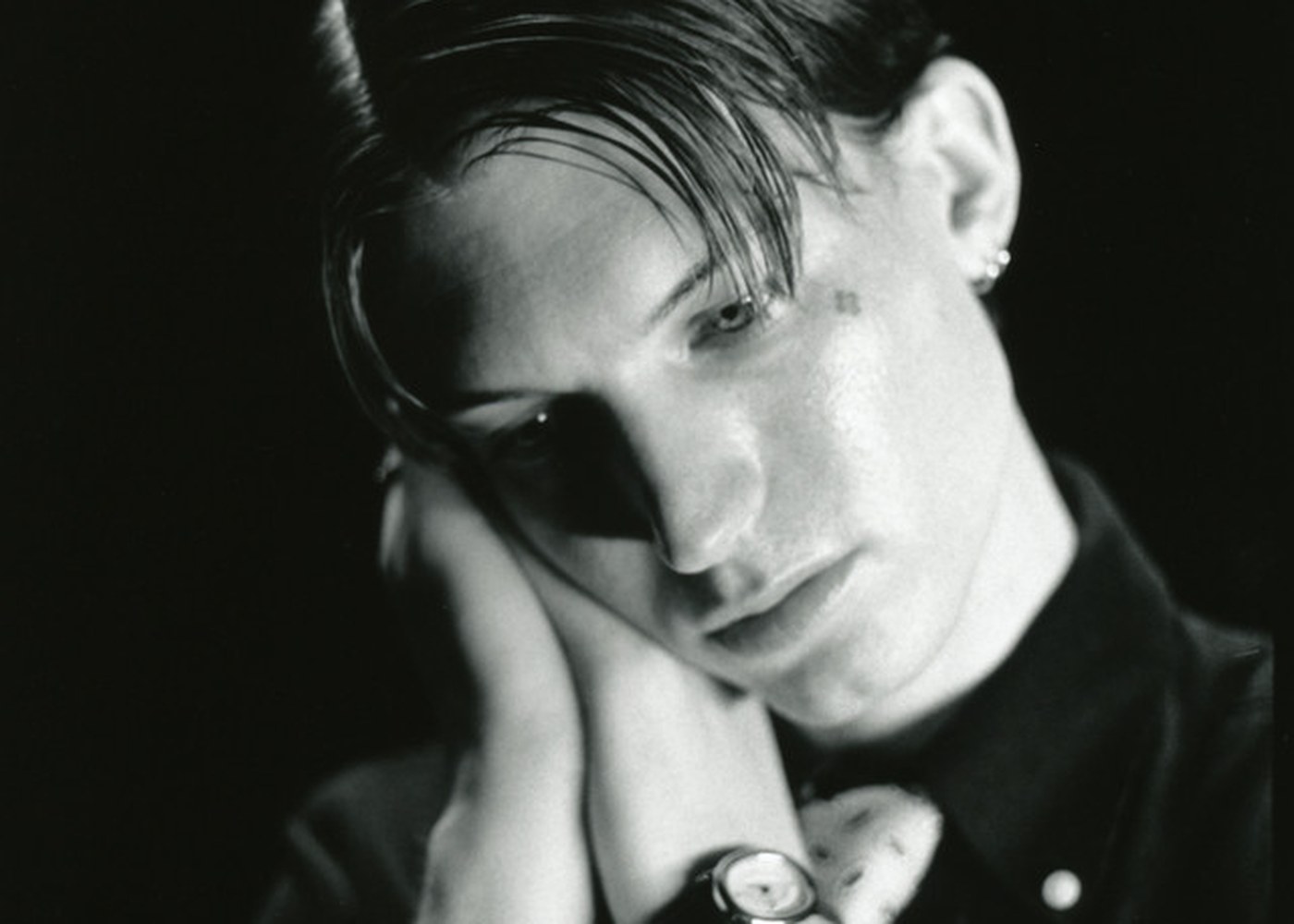
"Twyla" is a love song to someone who's survived a lot, sung by a narrator who knows they're the weaker metal. The narrator calls her stainless steel, hands her the helm and the wheel, then promises eight times not to let "us" rust. Steel like that can't rust, so the only thing in danger of corroding is the narrator, or the bond between them.
Introduction
Somewhere in the second verse, "stainless steel" loses a vowel and becomes "stainless still," and the whole song tilts on that swap. Steel is a material, the stuff of kitchen sinks and good knives, cold and wipe-clean, while "still" means two things at once: even after all that, and calm, like water nobody's disturbing. The narrator spends the song trying to tell a woman who's had a brutal run that she's tougher than they are, without turning the moment into a speech about themselves. They almost pull it off, and the places where they slip show you who the song is really worried about.
Verse 1: her hands on the helm
The song opens sea-air light and a little flirty, with the narrator cheering her toward the horizon before even asking to join. Notice the order of operations. She goes first, and the narrator tags along only on her terms.
"Girl, you got the wind on your side, let that ship set sail / I could come along if you like, if you're at the helm"
That "if you're at the helm" sounds like a condition, but it works like a relief, as if the narrator would rather ride than steer and finally found someone worth riding with. There's no fuss about who leads; the song treats following as a form of devotion and moves on. Then comes the promise not to waste her time with "careless frills," which is such a tactile choice: lace trim, ruffles on a cuff, the decorative stuff stitched onto something that works fine without it. The narrator is swearing off ornament, which is funny, because the whole song is a little ornate.
The verse closes on dirt, real grime, sliding off a surface that won't hold it. She's stainless steel. The narrator is just along for the ride.
Verse 2: wrong and right in one breath
The second verse is weirder, and it's the reason the song works. It opens with the narrator answering something we never hear her say, which means she must have just said something about herself, probably that she's a mess, that she's breaking, that she keeps leaking feelings everywhere.
"Girl, you've got it wrong, you're so right, we're all built to spill"
The line I keep coming back to is this one, because it contradicts her and agrees with her in the same breath, and both halves are true. She's wrong if she thinks spilling makes her broken. She's right that she spills, because everybody does, since "built to spill" says leaking is part of how people are made, a design feature and nothing to apologize for. The narrator refuses to argue with her pain and refuses her conclusion about it, which is about the kindest move you can make with someone who's hurting.
Then the boat comes back: "This thing would never dare to capsize when you're at the wheel." Put that next to "spill" and you get a distinction the song never spells out but clearly believes in. Tipping some water over the side is fine. Flipping the whole hull is a different thing, and with her steering, that doesn't happen. The helm from verse one has become the wheel, and once again her hands are on it.
The frills get a sequel too. "Careless frills" turns into "manic thrills," so chaos gets filed right next to lace trim, one more accessory the narrator is choosing not to put on her. Picture a lace-trimmed battleship and you've basically got the image system of this song.
"You've had a lot of hurt in your life, you are stainless still"
Here the rhyme quietly upgrades... or rather, it openly upgrades: "dirt" becomes "hurt," and "steel" becomes "still." Dirt sits on the surface and wipes off. Hurt goes in deeper, and the narrator is saying it went in and didn't stain her, that she's unmarked even now and calm on top of it. She's had worse than grime. She's still shining.
A fair fan could hear "you've got it wrong, you're so right" as the narrator getting flustered, two thoughts tripping over each other mid-flirt rather than some balanced bit of wisdom. I'd say the fluster is the point. A person who can't decide whether to correct you or agree with you is a person who's listening hard.
The chorus: rust that can't be hers
Now the promise everyone remembers, which gets sung twice after the first verse and doubles to four after the second, as if the narrator's nerves grew between verses.
"I won't let us rust away, Twyla"
Stainless steel doesn't rust; that's the entire reason anyone makes it. So when the narrator vows to stop the rust, the threat has to live somewhere else, either in the narrator or in the "us" they're building together, and the song never seems to notice it's confessing that. Every verse praises her for being uncorrodible, then the chorus admits the slow orange decay is coming from the other side of the boat.
You could argue the rust is just time, the ordinary neglect that wears any relationship down, with nobody specifically to blame. Sure, but then why sing it to the one person in the song who's immune? The narrator calls her steel and then guards against rust, and the only way that adds up is if they're scared of being the weak joint in the frame.
There's a joke buried in the structure, too. The narrator swore twice not to waste her time with frills, and then spends the back half of the song repeating one line and her name, again and again, which is about as ornamental as a love song gets. The repetition is the one trim they allow themselves. Steel doesn't need that promise. People do.
The outro: a name worn smooth
The outro just chants her name in parentheses until it thins out, and by the end "Twyla" stops sounding like a person and starts sounding like a held breath. Nothing new gets said there, and nothing needs to be.
Conclusion
Go back to that missing vowel, steel to still, because the whole song lives inside it: she's the hard, bright, unstainable thing, and the narrator is the one standing next to her, softer, promising over and over to keep up. What I hear is a love song that hands the wheel to the stronger person without any wounded pride about it, and then lets its own fear slip out in the chorus, unguarded and a little embarrassing, the way real fear does. You put it on for someone who's had the worst year of their life, when you want to tell them they outlast you. And you mean it, rust and all.
Frequently Asked Questions
What is "Twyla" by Gus Dapperton about?
"Twyla" is a love song to a woman who has been through a lot of pain and came out unbroken, which the narrator compares to stainless steel. The narrator lets her steer their shared ship and promises not to let their relationship rust, hinting that the narrator, not her, is the one who might wear down.
What does "you've got it wrong, you're so right, we're all built to spill" mean in "Twyla"?
The narrator is responding to something Twyla said about herself, likely that she's falling apart. She's right that she spills over emotionally, but wrong to think that makes her broken, because "we're all built to spill" means everyone is made to leak sometimes. The next line separates spilling from capsizing: some water over the side is fine, and with her at the wheel the boat won't flip.
Why does the narrator promise not to let "us" rust if Twyla is stainless steel?
Stainless steel is the metal that doesn't rust, so the threat of corrosion can't come from Twyla. The rust lives in the narrator or in the relationship itself, which turns the chorus into an accidental confession that the narrator fears being the weaker one. The repetition of the line makes that worry sound more urgent each time.
Lyric analysis powered by Scalpel.


Comments
Loading comments…