

Introduction
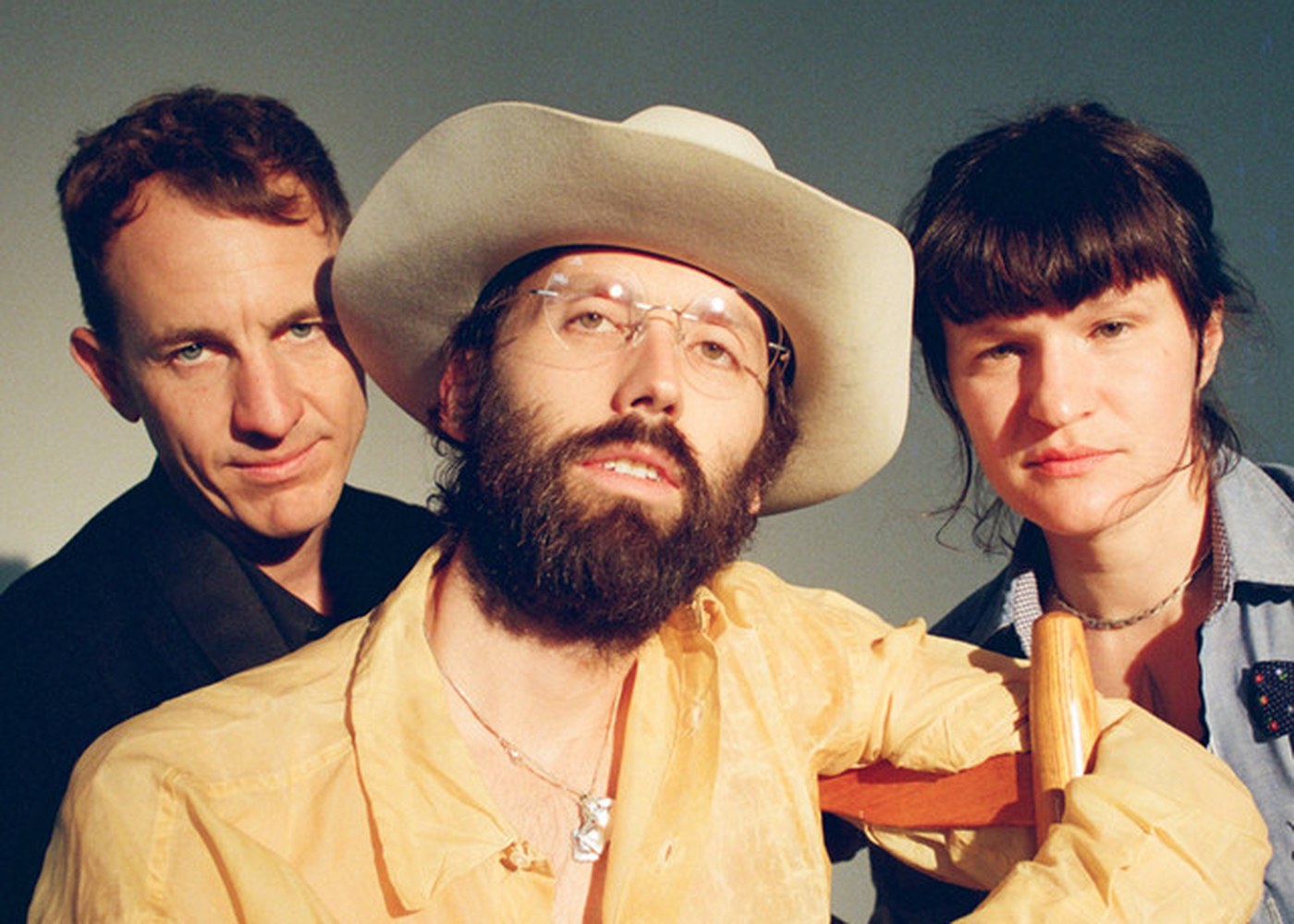
You know the morning: you've been half-packing a life in your head for weeks, rehearsing the conversation, and then something stupid and ordinary happens and you realize you are still completely in love. "Blue Lightning" puts you inside that morning and refuses to let you out of it. The song is about a person who receives an obvious sign that a relationship is ending and answers it with a pile of wishes so big and so giddy that the question of leaving simply gets drowned. It chooses staying, and it chooses it against the evidence.
A signature, a photograph, an epitaph
The opening image is gorgeous and a little ominous at the same time, because the narrator sees lightning cut across the sky and calls it a signature, something written by a hand that then moves on.
"Blue lightning was an autograph signing up the sky"
An autograph is proof someone was here, scrawled fast, meant to be kept. That's the mood of the whole first half of the verse: things that happened once and now exist only as marks. The narrator asks a question and gets back only "Why?", which tells you the conversation between these two has already started sliding. Then Angelia takes a photograph, and the song says flatly that "the moment had to die," so that years later the picture works like an epitaph, words carved for something gone, and "we read it and we cry." Every image here is a record of a loss. Lightning, photo, gravestone.
The bath that ran dry
Then the tense snaps into the present, and the narrator gets out of the past and into a bathroom, turns the tap, and nothing comes out.
"This morning, I went to have a bath, the water ran dry / Clear warning, has it come at last, the time to say goodbye?"
A broken tap is the most household of failures, and the narrator reads it as an omen anyway, which tells you how primed they already were to see an ending everywhere. "Has it come at last" is the phrase of someone who has been waiting for this. But look at the very next line: "Can we make love? Can we hold fast? I really wanna try." Goodbye and making love are opposite questions, and the narrator asks them back to back without seeming to notice. The warning arrives, gets acknowledged, and gets steamrolled in a single breath. That's the decision of the song, made almost by accident.
Two eyes, one shoelace, one wrinkle
The chorus opens on its strangest phrase, and readers always want it explained.
"Two-eyed lie, is it fight or fly?"
A two-eyed lie is a lie told with both eyes open, face to face, the kind you tell while looking straight at someone, and the ambiguity of who's lying is the point. Maybe the partner is lying. Maybe the narrator, about to say "I really wanna try," is lying to themselves with eyes wide open about that dry tap. "Fight or fly" bends the old fight-or-flight phrase into the exact choice the verse just dodged: stay and fight for this, or leave. The song asks it and then, instead of answering, starts listing what it wants to become.
And what it wants to become is so unglamorous. The narrator wants to be "the shoelace that you tie," a thing handled every single day without thought, knotted, stepped on, essential. The line I keep coming back to is the next pairing, where the chorus asks a frightened, plain question and answers it sideways.
"'Til the end, will you be my friend? / I wanna be the wrinkle in your eye"
A wrinkle at the corner of the eye is made by two things only, years and smiling. To want to be that wrinkle is to want to be the evidence that someone grew old happily, and that you were the reason. The deepest wish in this song is for decades of ordinary company, and the vapor line, "the vapor gets you high," is the one flash of heat in a chorus otherwise devoted to shoelaces and crow's feet. Passion gets one line. Aging together gets the rest.
It matters that this is the answer to "will you be my friend." The narrator who just wondered whether it was time to say goodbye is now asking for friendship until death and describing it in the language of a body slowly folding. Nobody plans a goodbye in those terms.
Herons, spiders, rattlesnakes
The second verse is weirder, because the fear that got shoved aside in the bathroom comes back as animals: a heron circling and diving, an angel swearing in dreams, a spider sitting beside "her" that looms "larger than a hill." Dread has a way of making small creatures enormous at night, and the verse lets the spider grow to the size of a landscape. Then the narrator admits, plainly, that if she won't comfort them, "the rattlesnake will," which means comfort is coming from somewhere whether it's safe or not. Need first, danger later.
Forever, 'til I die
The last chorus loses its shape, and the wishes swing wildly in scale, from the shoelace all the way up to "the mountain, kiss the sky" and back down to the shoelace again, with no sense from the narrator that these are absurd jumps. Then comes the line everyone quotes.
"Yeah, I wanna live forever 'til I die"
Forever and "'til I die" cancel each other out, and the narrator sings them as one thought, twice, with total conviction. I'd call it the most honest line in the song, because it's exactly how love talks when it has decided not to look at the facts: it wants infinity and knows the deadline in the same sentence, and it doesn't care. "I wanna feel so happy that I cry" folds the opening tears from the photograph back in, now spent on joy instead of grief. Then the singing cuts off mid-want, on "Yeah, I," like the list could keep going forever, which is the whole joke and the whole point.
And then a casual voice says "Gorgeous set, okay, what should we do now?" A fan could reasonably hear that as a deflation, the eternity just sung shrugged off as one take among many, proof the vow was a performance. I hear the opposite: a person stepping out of the big feeling into the next ordinary moment, which is exactly the shoelace life the chorus asked for. If you've ever had this on in your headphones on a commute after a bad night and suddenly felt lighter for no reason, you know which reading the song is rooting for.
Conclusion
The water ran dry, the narrator called it a clear warning, and then spent the rest of the song choosing to stay anyway, wish by wish, until the sentence couldn't even finish. I think the song knows this is a little reckless, a two-eyed lie told at full volume, and it loves the person too much to stop. What it leaves unresolved is whether the tap ever runs again. What it settles, for good, is what staying would look like: a wrinkle at the corner of an eye, earned slowly, one tied shoelace at a time.
Frequently Asked Questions
What is "Blue Lightning" by Big Thief about?
The song follows a narrator who sees signs that a relationship might be ending, like a bath that runs dry, and chooses to stay anyway. Its chorus wishes for ordinary, lifelong closeness, like being the shoelace someone ties or the wrinkle by their eye, rather than dramatic passion.
What does "Two-eyed lie, is it fight or fly?" mean in "Blue Lightning"?
A two-eyed lie is a lie told face to face with eyes wide open, and the song leaves it unclear whether the partner or the narrator is the one lying. "Fight or fly" twists the phrase fight-or-flight into the real choice: stay and fight for the relationship, or leave it.
What does "I wanna live forever 'til I die" mean?
The line contradicts itself on purpose, wanting eternity while naming death as the limit. It captures how love speaks when it wants everything and refuses to do the math, and the song repeats it with complete conviction right before the singing cuts off mid-sentence.
Lyric analysis powered by Scalpel.


Comments
Loading comments…