

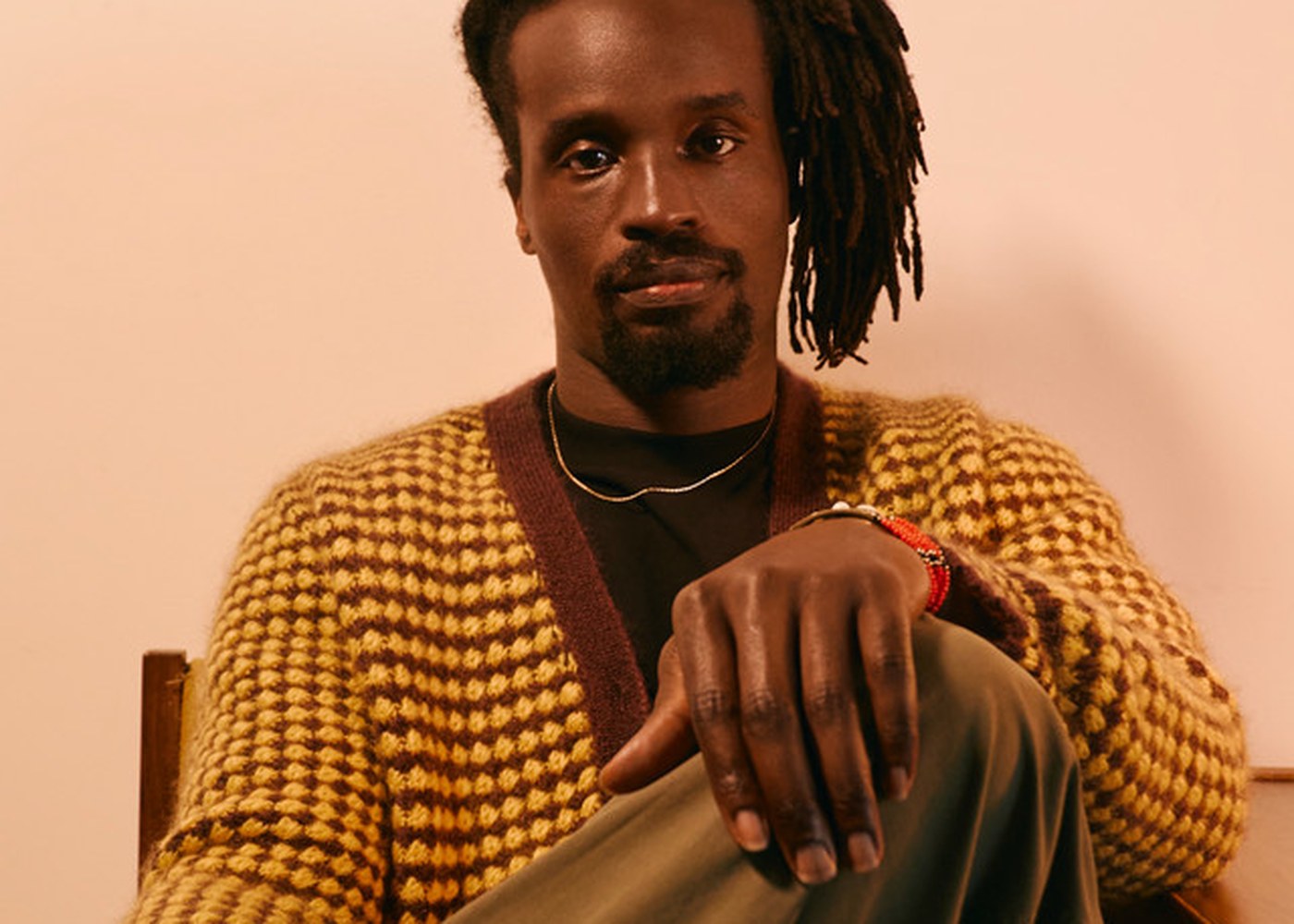
The song puts you in the corner and dares you to come out swinging. Not because it hates you. Because it knows exactly what you are going to do next, and it wants you to stop.
That tension is the whole engine of "Square Up." The song holds two things at once without flinching: the pain was real, the damage was done to you, and the world will still knock you flat for what you do with it. No exit, no special dispensation. Just the uppercut coming regardless.
The portrait in the chorus
Fousheé opens with an image that is already past the point of no return. "Filthy slides and bloody eyes" puts you somewhere specific: not a fight about to happen, but someone who has already been through several and is still walking toward the next one. The slides are filthy because they have been everywhere. The eyes are bloody because this has been the pattern for a while.
"Searching trouble you're bound to find, square up / The world's gonna uppercut, fuck you up"
The chorus is a warning from someone who has watched this play out before. "Square up" is what you say to someone bracing for a fight, but it doubles as an instruction: get ready, because the hit is coming whether you throw first or not. The world is responding to nothing. It is just swinging.
Verse: where the compassion gets complicated
The verse is where the song does its hardest work, and it does not look away from how real the origin story is.
"Nobody's had it hard as you / Eating destruction with a spoon / Then made it a shiv"
That image is precise. You consumed destruction so completely it became a weapon you carry. The narrator acknowledges this without a trace of condescension. The circumstances were brutal. The forces that shaped this person were real. "They forced you to do it, yeah" is a full concession, not a rhetorical setup for a dismissal.
But the concession only goes so far. "You still gotta live under that cloud" does not cancel the acknowledgment. It adds to it. The cloud is consequence, and it does not care about causation. The color draining out, washing down the drain, the pain you are now stuck with: this is not framed as justice. It is just what is left after the cycle runs.
And that is the song's argument, stated plainly in those final lines. The pain is sticky. It does not leave because the circumstances were unfair. You are stuck with it now, and squaring up with the world is only going to compound it.
What the outro strips away
The outro reduces everything to three words repeated over and over: "Square up. The world's gonna uppercut. Fuck." No new information. The last word is not even a sentence. It is a reaction, breathed out after the hit lands.
I find that final "fuck" more honest than a resolved lyric would be. There is no lesson neatly packaged. Just the sound of someone absorbing the inevitable.
A reasonable counterread here is that the song is more compassionate than confrontational, that the narrator is grieving alongside the subject rather than warning them. The lyrics support that too, and the line "they forced you to do it" could carry more weight in that reading than I am giving it.
But the chorus repeats twice in full, and the world does not get softer in the second pass. The uppercut lands the same way both times.
"Square Up" is a song about how surviving a brutal origin leaves you exposed to consequence anyway. The pain was earned, the circumstances were real, and the world swings anyway. The song refuses to let care become comfort that kills you.
Lyric analysis powered by Scalpel.


Comments
Loading comments…