

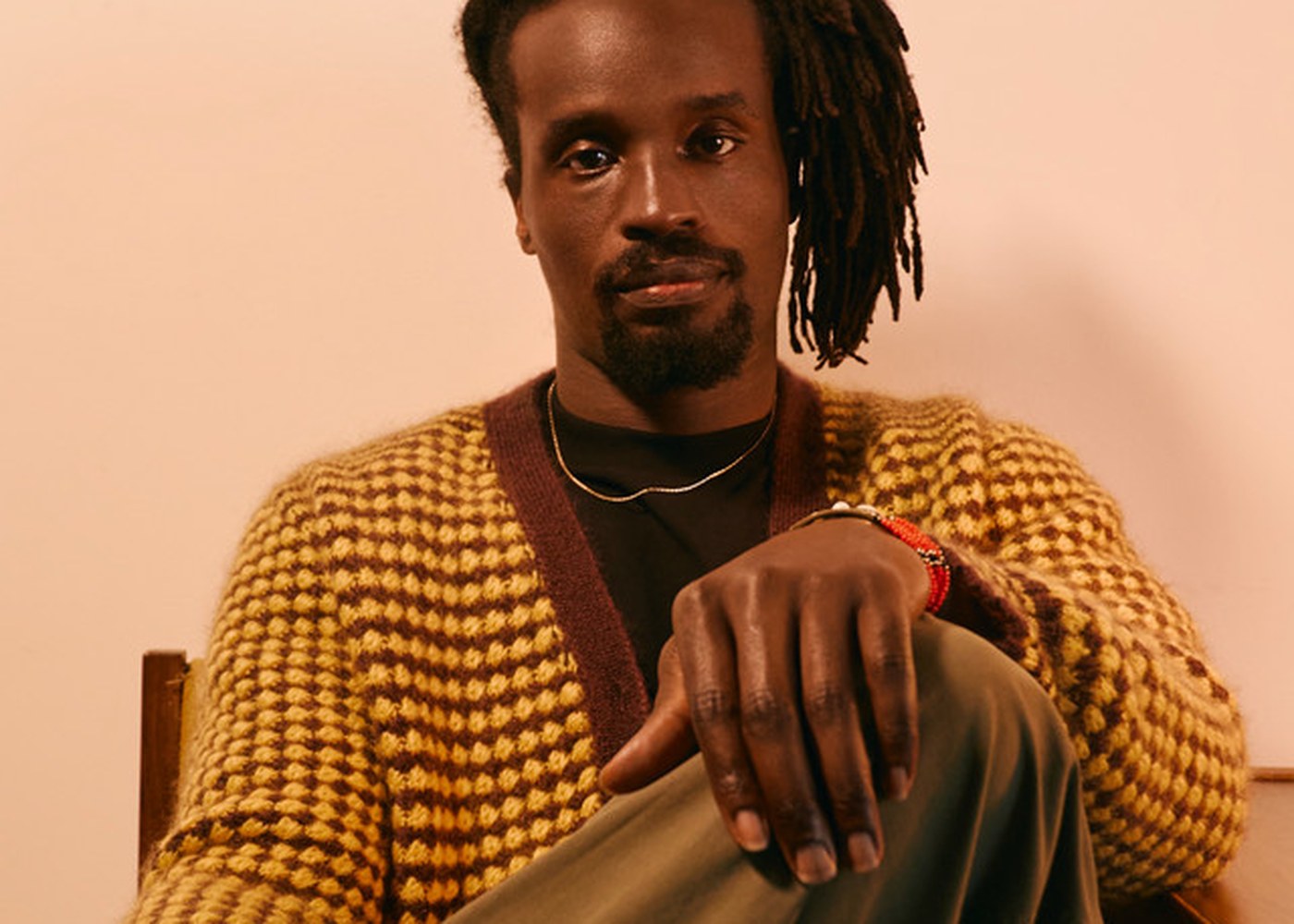
Most songs about wanting love spend their time describing what love looks like when it arrives. "Love Me" by Dahi skips all of that and stays locked inside the ask itself, turning the plea into the whole argument. The narrator describes nothing but the exact quality of love they need, and the precision of that naming is what makes the song land so differently from anything adjacent to it. This is a song about someone who has been handled carelessly so many times that they now know, with surgical specificity, what careful actually means.
The first verse earns the chorus in a way most R&B songs don't bother to. "I've been through it way too many times than I can think of" sounds plain until you sit with it. The narrator has lost count. Not of heartbreaks exactly, but of the specific experience of giving without return, forgiving without being met halfway, continuing anyway.
"Hard head, hard heart, hard body / Love has run me so rugged"
That triple "hard" is doing real structural work. It maps the body as a site of accumulation. The head, the heart, the body have all calcified under the weight of repeated loss. "Run me so rugged" is the most visceral image in the song, summoning wear the way fabric wears, or skin. Love as something that doesn't break you cleanly but slowly sands you down.
And then the verse ends with a question, not a statement: "How do you know when it's true?" It floats there without an answer, which is the point. The narrator is still in the middle of not knowing, and the chorus that follows is a direct response to that uncertainty. A specification of what they need love to feel like.
The chorus is where the song's central argument lives, and that argument is this: tenderness is not the absence of strength, it's the only ask left after strength has been spent. "Easy, gentle, carefully" aren't adjectives strung together for melody. They're three different registers of the same request. Easy is about pace. Gentle is about touch. Carefully is about attention. Together they form a kind of instruction set, the kind you only write after realizing the people before didn't have one.
"Run or no run? / Want or no want?"
This call-and-response interruption is the strangest and sharpest moment in the song. The binary questions feel almost procedural, like the narrator is asking a potential partner to check in with their own intentions before proceeding. Are you staying or leaving? Do you actually want this? The song won't let commitment be assumed. It has to be stated. That's what sustained damage does to someone: it makes them ask questions other people take for granted.
"We all fall eventually" closes the loop. It's not cynicism; it's the narrator's way of leveling the ground. Vulnerability is universal. Everyone arrives there. The difference is what you do when you get there, and what you ask for once you stop pretending you don't need anything.
The second verse is shorter and softer, which is the right move. "Take me as I am / Take me as I give" shifts from asking for a specific behavior to asking for full acceptance. The line I keep coming back to is "love me everywhere," because it refuses to let the request be conditional or spatial. Not just in the good moments, not just when it's convenient. Everywhere.
There's a version of this reading where the narrator's hyper-specificity about how they want to be loved is its own kind of guardedness, a way of managing intimacy by outlining its terms before letting anyone close. That tension is real in the lyrics and worth sitting with, even if the song ultimately frames the request as openness rather than armor.
If you're running this track through headphones at 2am or on a commute when something unresolved is sitting in your chest, you already know why it hits differently than a song with more obvious drama. The restraint is the point. Dahi builds the song around a voice and a need, and lets both breathe.
What "Love Me" ultimately argues is that naming what you need is its own form of courage, maybe the hardest kind, because it requires admitting you've been given less than you deserved and still believing someone could do better. The narrator doesn't close the door. They hold it open and describe exactly what they're hoping will walk through. That's not vulnerability as surrender. That's the most precise kind of hope.
Frequently Asked Questions
What is "Love Me" by Dahi about?
"Love Me" is about someone who has been worn down by love that was careless or one-sided, and is now asking, with great specificity, to be loved gently and intentionally. The narrator isn't giving up on love; they're defining the exact conditions under which they're willing to try again. The song treats that kind of precise emotional asking as an act of courage rather than weakness.
What do "Run or no run? Want or no want?" mean in "Love Me"?
These binary questions interrupt the chorus to ask a potential partner to examine their own intentions before committing. The narrator, shaped by repeated experiences of being left or let down, refuses to assume that a partner's desire or staying power is a given. The questions force an honest answer rather than letting ambiguity become an excuse later.
What does "Love has run me so rugged" mean in "Love Me"?
The phrase captures the physical and emotional toll of repeatedly giving in relationships without receiving care in return. "Rugged" suggests wear over time, the kind of slow erosion that comes from friction, not a single break. Paired with "hard head, hard heart, hard body," it maps love's damage across the whole person, not just the emotional interior.
Lyric analysis powered by Scalpel.


Comments
Loading comments…