

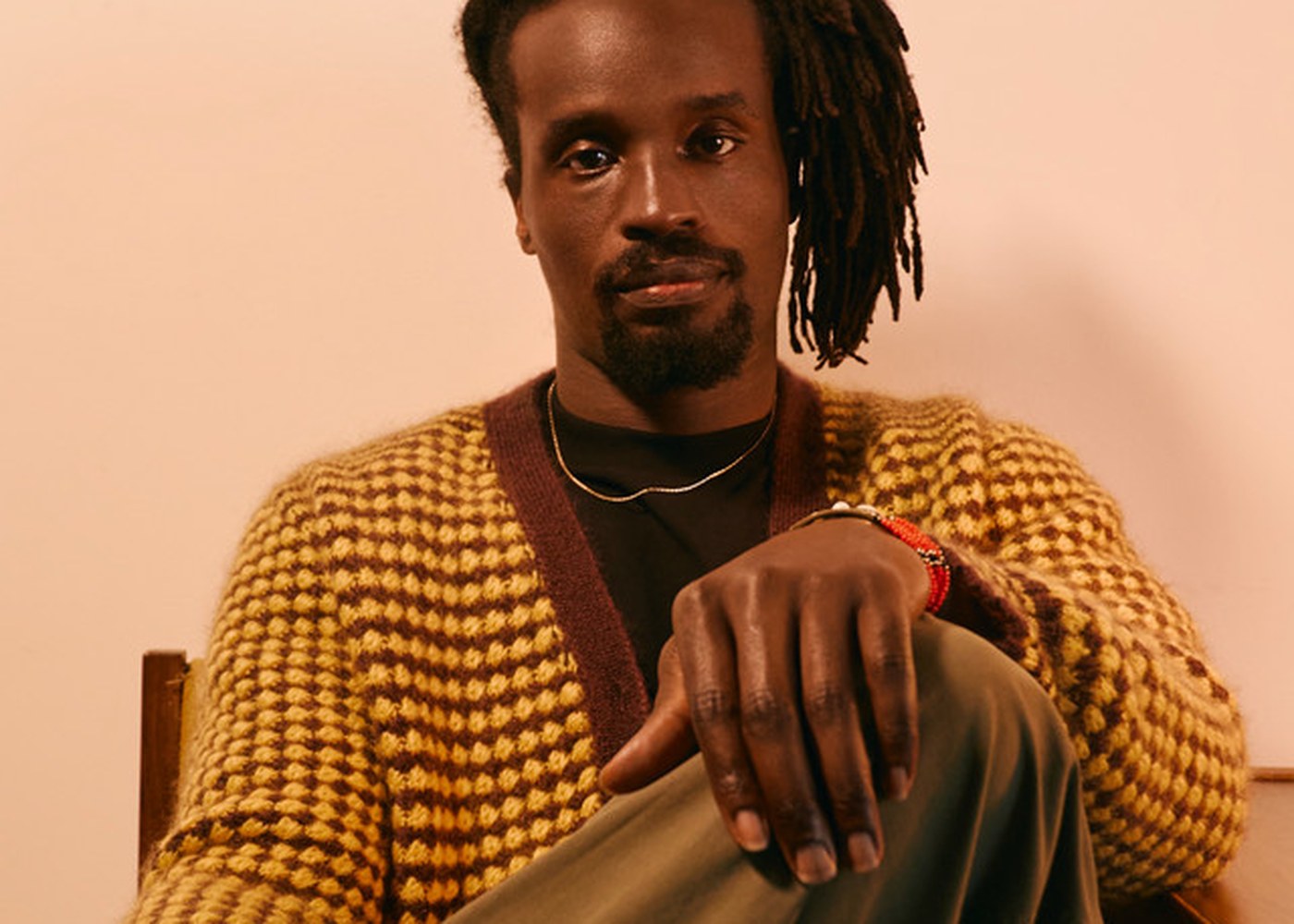
"Drowning" by Dahi builds its entire argument around a single premise: any version of success that skips the suffering required to earn it is a kind of slow moral dissolution. The chorus lists shortcuts, reaching the top without tears, feeling the divine without prayer, raising a child without care, and frames each one as evidence of being lost rather than an upgrade. Elmiene and Ravyn Lenae carry that weight across the track, and by the outro, the song has moved from diagnosis to something closer to grief.
Sell everything fast enough and you stop being able to tell what anything was worth. That is the song's central claim, and "Drowning" never flinches from it. What looks like a meditation on faith or ambition is actually a reckoning with the logic of the transaction, the way that pricing everything eventually hollows out the thing being sold.
The chorus is where the architecture lives. Elmiene delivers it like a series of rhetorical experiments, each conditional carrying its own weight:
"If you could reach the top without tears, feel the lord without prayer"
The structure here is doing real work. These aren't warnings against failure. They're warnings against a specific kind of frictionless success. The song treats tears and prayer and care not as obstacles you survive but as the mechanism by which things become real. Strip them out and you haven't made the journey easier. You've made it meaningless. The drowning isn't punishment. It's what happens when you've optimized the cost out of everything that requires cost to exist.
Ravyn Lenae's verse arrives in fragments, which feels exactly right given what the song is about. Judgment under pressure doesn't come in clean sentences.
"I can't see it is what what is right / But I can't, sometimes"
The syntax breaking here isn't a flaw. It mirrors the narrator's interior state, someone who knows the standard but can't hold it in focus under weight. "The pressure is following me / It's like my mama told me it would" grounds the whole thing in something inherited and embodied, not abstract. Someone is standing in the middle of a long-anticipated pressure, feeling it exactly as predicted, and still not knowing what to do.
Verse two is where the confession comes, and it's short enough to land clean:
"I fell for everything I sold I know"
That line stops the song. The narrator admits to selling something they shouldn't have and then buying into the value of what they were peddling. You sell ambition at the cost of integrity long enough and you start believing the pitch. The "I know" at the end carries exhaustion and self-awareness in equal measure, no excuse offered, no softening.
Worth noting: the "come close" that follows could be read as the song pulling the listener into shared accountability rather than pointing outward at a corrupted world. A reasonable fan might hear that line as implication, not confession, the narrator inviting others to admit complicity rather than owning it alone. The song holds both readings and doesn't resolve them.
And then there's the outro, which runs the same two lines on a loop until they stop being lyric and start being texture:
"If it's all for sale it's hopeless"
This is the conclusion the whole song was building toward, and Dahi lets it repeat until it settles into the body rather than the mind. The word "hopeless" here names a condition where nothing retains inherent value, where the sacred and the commercial have become indistinguishable. The line I keep coming back to is "let them know I've taken notice," which sits alongside it. The speaker isn't collapsing. They're witnessing. There's a difference between drowning and watching the water rise and naming what it is.
The song doesn't offer a way out. It doesn't suggest the narrator will resist the market logic or find higher ground. What it offers instead is the integrity of clear sight. To name the condition accurately, to refuse to dress it up as hustle or ambition or progress, is itself a kind of resistance. "Drowning" ends not with survival but with testimony, and in a landscape where everything is priced and sold, the refusal to call the drowning anything else might be the only thing left that costs something real.
Frequently Asked Questions
What is "Drowning" by Dahi about?
"Drowning" argues that success, faith, and human connection only carry meaning because of the cost they demand. The chorus presents shortcuts, reaching the top without tears, feeling God without prayer, raising a child without care, and frames each as evidence of being morally lost rather than genuine achievement. Featuring Elmiene and Ravyn Lenae, the song builds toward a conclusion about a world where everything is for sale and nothing retains real value.
What does "I fell for everything I sold I know" mean in "Drowning"?
The line is a confession of self-corruption. The narrator admits they didn't just sell something at moral cost, they eventually believed their own pitch. Selling ambition or integrity long enough means internalizing the terms of the transaction. The "I know" at the end signals awareness without excuse, someone who sees the trap clearly and recognizes they walked into it anyway.
What does "if it's all for sale it's hopeless" mean in the outro?
The outro line names the song's deepest fear: a world where nothing holds inherent value because everything has been made exchangeable. "Hopeless" means structurally broken, a condition where sacred things and commercial things have become the same thing. Repeating it across the outro transforms the lyric into something the listener absorbs rather than just processes, which is the point.
Lyric analysis powered by Scalpel.


Comments
Loading comments…